Can you explain the working principle of an ICCP system in detail?
An ICCP system operates on the principle of electrochemistry to halt the corrosion process. Corrosion typically occurs when a metal acts as an anode in the presence of an electrolyte (like soil or water) and an electron acceptor (like oxygen), leading to the metal's oxidation and degradation.
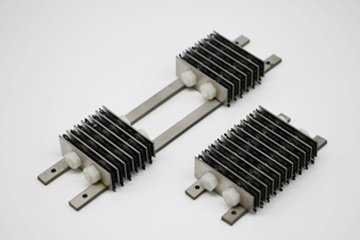
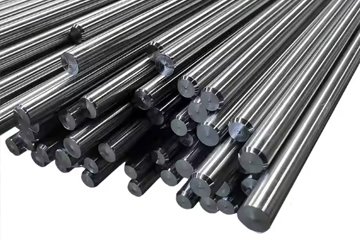
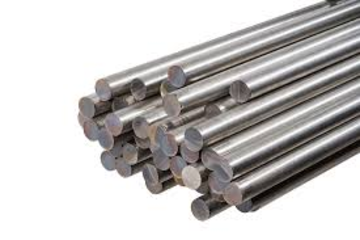
An ICCP system introduces an external power source, usually a DC rectifier, which supplies a direct current to a series of inert anodes (often made of mixed metal oxides, graphite, or high-silicon cast iron) buried in the electrolyte or positioned near the structure. This current flows from the anodes, through the electrolyte, and onto the surface of the metallic structure to be protected. By receiving this flow of electrons, the entire surface of the protected structure becomes cathodic, preventing the metal from losing electrons and thus stopping the corrosion process [4].
Key Components of an ICCP System:
| Component | Function |
|---|---|
| DC Rectifier | Converts AC power to DC power, providing the necessary current and voltage for protection. |
| Anodes | Inert electrodes (e.g., MMO, graphite) that discharge current into the electrolyte. |
| Reference Electrode | Measures the potential of the protected structure relative to a stable reference, ensuring adequate protection. |
| Cables & Wiring | Connects the rectifier to the anodes and the structure, facilitating current flow. |
| Junction Boxes | Provides connection points and allows for testing and monitoring of the system. | An ICCP system continuously monitors the level of protection and adapts to the current required to stop corrosion.[5]Data Support:
References:




Contact Us
Room 21003, 10th Floor, Unit 2, Building 1, Xianning International Plaza, No.29 Xianning West Road, Beilin District, Xi'an City
Copyright © Xi'an Shiguang Jingyan Technology Co., Ltd. All Rights Reserved.