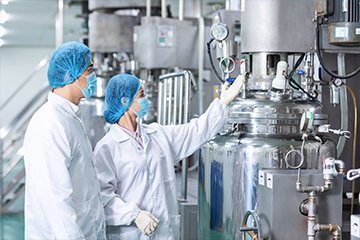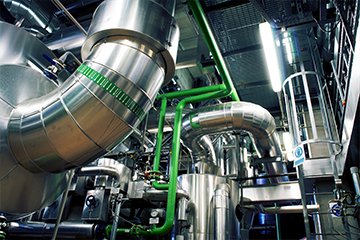
The chemical, petrochemical, and pharmaceutical industries operate in some of the most demanding environments, characterized by high temperatures, high pressures, and the presence of highly corrosive media such as wet chlorine, organic acids, and various chlorides. Traditional materials often fail prematurely, leading to costly downtime, maintenance, and significant safety risks.
Titanium is the material of choice for these critical applications due to its exceptional resistance to a wide range of aggressive chemical agents, particularly in oxidizing and chloride-containing solutions where stainless steel and nickel alloys may be insufficient.
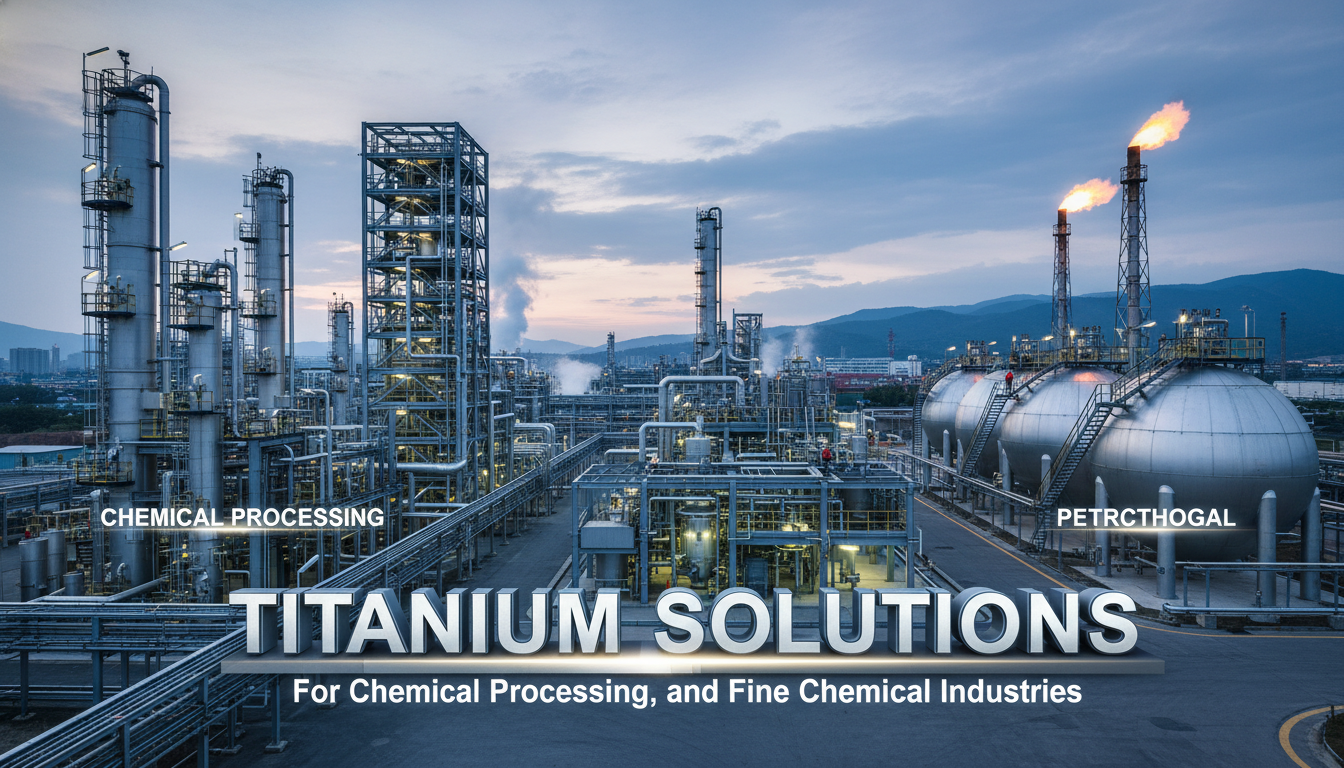
Our titanium solutions are specifically engineered to meet the rigorous demands of the following major industrial sectors:
Chlor-Alkali, Soda Ash, and Vacuum Salt Production: Handling highly corrosive chlorine, brine, and caustic solutions.
Petrochemical Industry: Components exposed to aggressive hydrocarbons and high-temperature corrosive fluids.
Pharmaceutical Chemical: Ensuring product purity and equipment longevity in fine chemical synthesis.
Fine Chemical Industry: Applications requiring extreme resistance to specific corrosive organic and inorganic media.
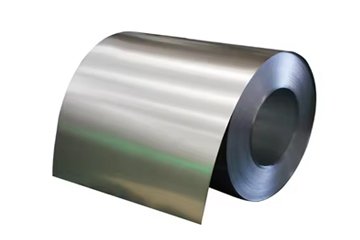
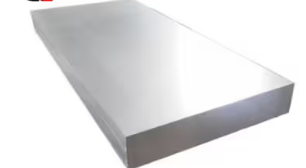
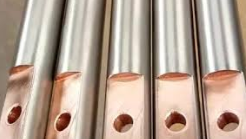
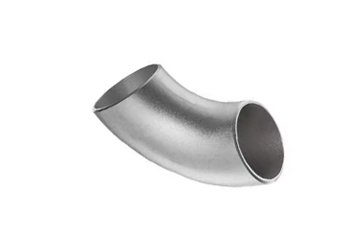
Titanium and its alloys are fabricated into various product forms to create reliable, long-lasting equipment capable of withstanding the most severe corrosive chemical media.
| Titanium Product | Application in Chemical Industry |
|---|---|
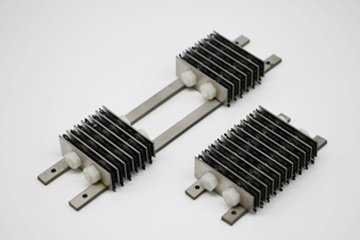
| Pressure Vessels | Reactors, heat exchangers, and storage tanks for corrosive chemicals. |
| Chemical Equipment | Pumps, mixers, and other critical process machinery. |
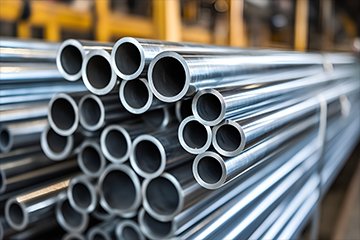
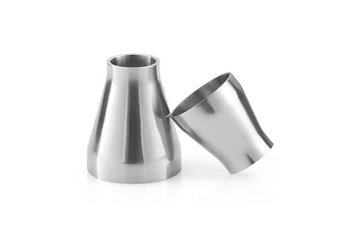
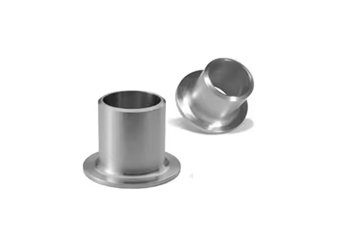
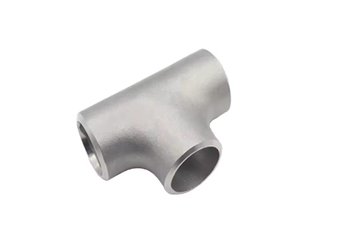
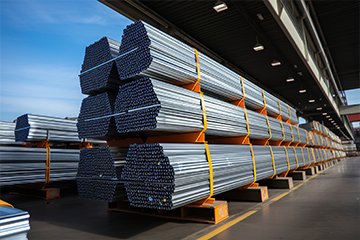
| Pipes and Tubes | Seamless and welded piping systems for fluid transfer. |
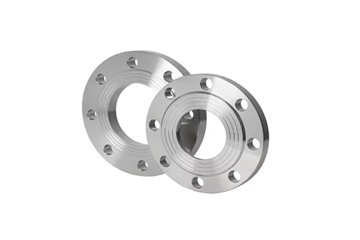
| Valves and Flanges | Components for controlling and connecting corrosive fluid lines. |
| Titanium-Steel Clad Plate | Used for large-scale equipment where a titanium surface is required for corrosion resistance and a steel backing provides structural strength and cost-effectiveness. |
The selection of the appropriate titanium grade is crucial for optimal performance and cost efficiency. Our solutions primarily utilize commercially pure titanium and low-alloyed grades known for their superior corrosion resistance.
Need help selecting the perfect titanium grade for your specific chemical process?
Download Our Titanium Grade Selection Guide| Applicable Material Form | Applicable ASTM Standard (US Standard) | Description | Applicable Grades (US Standard) |
|---|---|---|---|
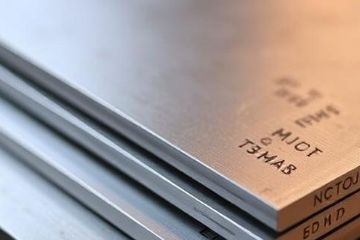
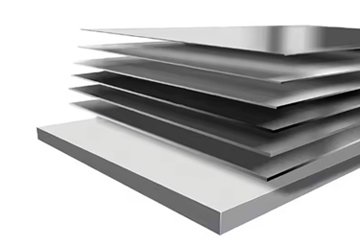
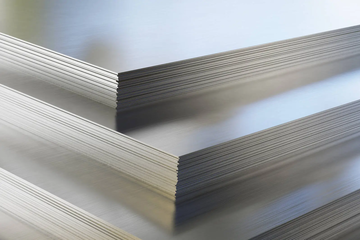
| Titanium Plate | ASTM B265-06a | Titanium and Titanium Alloy Strip, Sheet, and Plate | Gr1, Gr2, Gr11, Gr12 |
| Titanium Tube | ASTM B338-06a, ASTM B861-06a | Seamless and Welded Titanium and Titanium Alloy Tubes | Gr1, Gr2, Gr11, Gr12 |
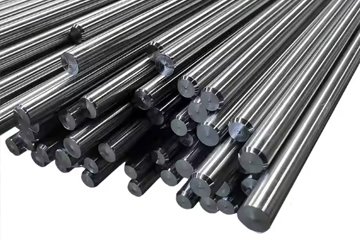
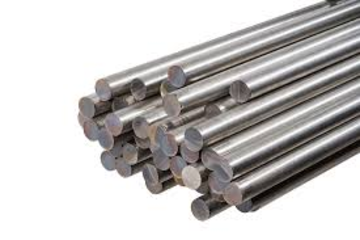
| Titanium Bar | ASTM B348-06a | Titanium and Titanium Alloy Bars and Billets | Gr1, Gr2, Gr11, Gr12 |
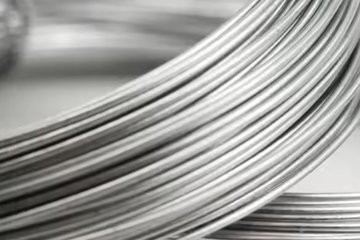
| Titanium Wire | ASTM B863-06a | Titanium and Titanium Alloy Wire | Gr1, Gr2, Gr11, Gr12 |
| Titanium-Steel Clad Plate | *Custom Specifications* | Provides a corrosion-resistant titanium layer bonded to a structural steel backing. | Gr1, Gr2 |
Grade 1 (Gr1): As the most ductile Commercially Pure (CP) titanium, Gr1 is often selected for applications requiring extensive cold forming, such as complex heat exchanger components. It offers excellent corrosion resistance, making it a reliable choice for less aggressive chemical media where high formability is paramount.
Grade 2 (Gr2): This is the workhorse of the chemical industry. Gr2 is the most common CP titanium grade, providing an optimal balance of strength, weldability, and superior corrosion resistance in a vast array of chemical environments, including oxidizing acids and chloride solutions. It is the standard choice for general chemical equipment.
Grade 11 (Gr11): This palladium-enhanced CP titanium alloy (similar to Gr1) is specifically engineered to combat crevice corrosion. It offers significantly improved resistance in reducing acid environments and is often used in applications where tight crevices are unavoidable, such as under gaskets or in flanged joints.
Grade 12 (Gr12): A titanium-nickel-molybdenum alloy, Gr12 provides superior high-temperature strength and is renowned for its exceptional resistance to crevice corrosion, even in aggressive hot brine and sour gas applications. It is the preferred grade for high-temperature, high-chloride environments where Gr2 may be susceptible to localized attack.
To illustrate the proven reliability and cost-effectiveness of titanium in the chemical industry, here are several key success stories across different sectors:
Industry: Chlor-Alkali (Caustic Soda and Chlorine Production)
Challenge: The brine electrolysis process involves highly corrosive wet chlorine gas and hot, concentrated brine solutions, which rapidly degrade traditional materials like stainless steel and nickel alloys, leading to frequent heat exchanger and piping failures.
Titanium Solution: Implementation of Grade 2 Titanium heat exchangers and piping systems (using ASTM B338 seamless tubes and ASTM B265 plates).
Outcome: The titanium equipment demonstrated complete immunity to the corrosive media. The lifespan of the heat exchangers was extended from an average of 2-3 years (with previous materials) to over 15 years, drastically reducing maintenance costs and production downtime.
Industry: Petrochemical (Urea Production)
Challenge: Urea synthesis involves extremely high pressures and temperatures, with a highly corrosive mixture of ammonia, carbon dioxide, and water. The environment is particularly aggressive towards materials, leading to stress corrosion cracking and general corrosion.
Titanium Solution: Utilization of Titanium-Steel Clad Plate for the inner lining of the high-pressure reactor and Grade 12 Titanium (ASTM B348 bar stock) for critical internal components and valves. The clad plate provided the necessary corrosion barrier while the steel offered structural integrity.
Outcome: The use of titanium eliminated corrosion-related failures in the reactor lining, ensuring safe and continuous operation at peak efficiency. Grade 12 was selected for its superior crevice corrosion resistance in this specific high-pressure, high-temperature environment.
Industry: Pharmaceutical and Fine Chemical Manufacturing)
Challenge: The production of certain pharmaceutical intermediates requires handling a complex mixture of strong organic acids and solvents. Contamination from corroding equipment can compromise product purity, and material failure can lead to batch loss.
Titanium Solution: Installation of Grade 1 Titanium (CP Titanium) reactors and piping systems (using ASTM B861 seamless pipe) due to its excellent resistance to oxidizing acids and its high purity, which prevents metallic ion contamination.
Outcome: The CP titanium equipment maintained the highest level of product purity and eliminated the risk of corrosion-induced contamination, ensuring compliance with stringent pharmaceutical manufacturing standards. The investment in titanium was justified by the guaranteed quality and reduced risk of batch rejection.
All titanium products supplied for the chemical industry adhere strictly to international quality and material specifications. Compliance with the latest revisions of the American Society for Testing and Materials (ASTM) standards ensures material integrity, traceability, and performance reliability in critical applications.
By choosing our titanium solutions, you are investing in equipment longevity, reduced maintenance costs, and enhanced operational safety in the most challenging chemical processing environments.
Disclaimer: The specific grade and product form selection should always be verified by a materials engineer based on the exact chemical composition, temperature, and pressure of the operating environment.



Contact Us
Room 21003, 10th Floor, Unit 2, Building 1, Xianning International Plaza, No.29 Xianning West Road, Beilin District, Xi'an City
Copyright © Xi'an Shiguang Jingyan Technology Co., Ltd. All Rights Reserved.