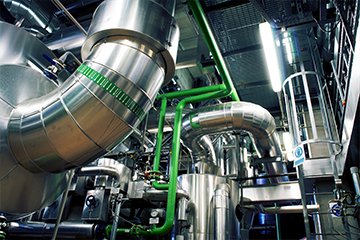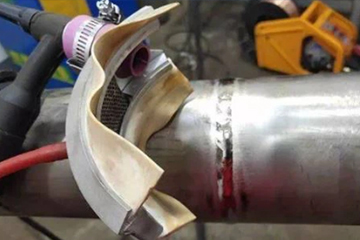
The electroplating and water treatment sectors operate in highly aggressive chemical environments. Equipment must withstand constant exposure to corrosive media while maintaining high operational efficiency. The primary requirements for materials in these applications are exceptional corrosion resistance, electrical conductivity, and a low specific gravity (lightweight) for ease of handling and reduced structural load.
Titanium is the material of choice, particularly when used with precious metal coatings (such as Ruthenium or Iridium) to form Dimensionally Stable Anodes (DSA). Its inherent properties ensure long service life and stable performance, which are critical for continuous industrial processes.
Our high-quality titanium products are specifically engineered for the following critical applications:
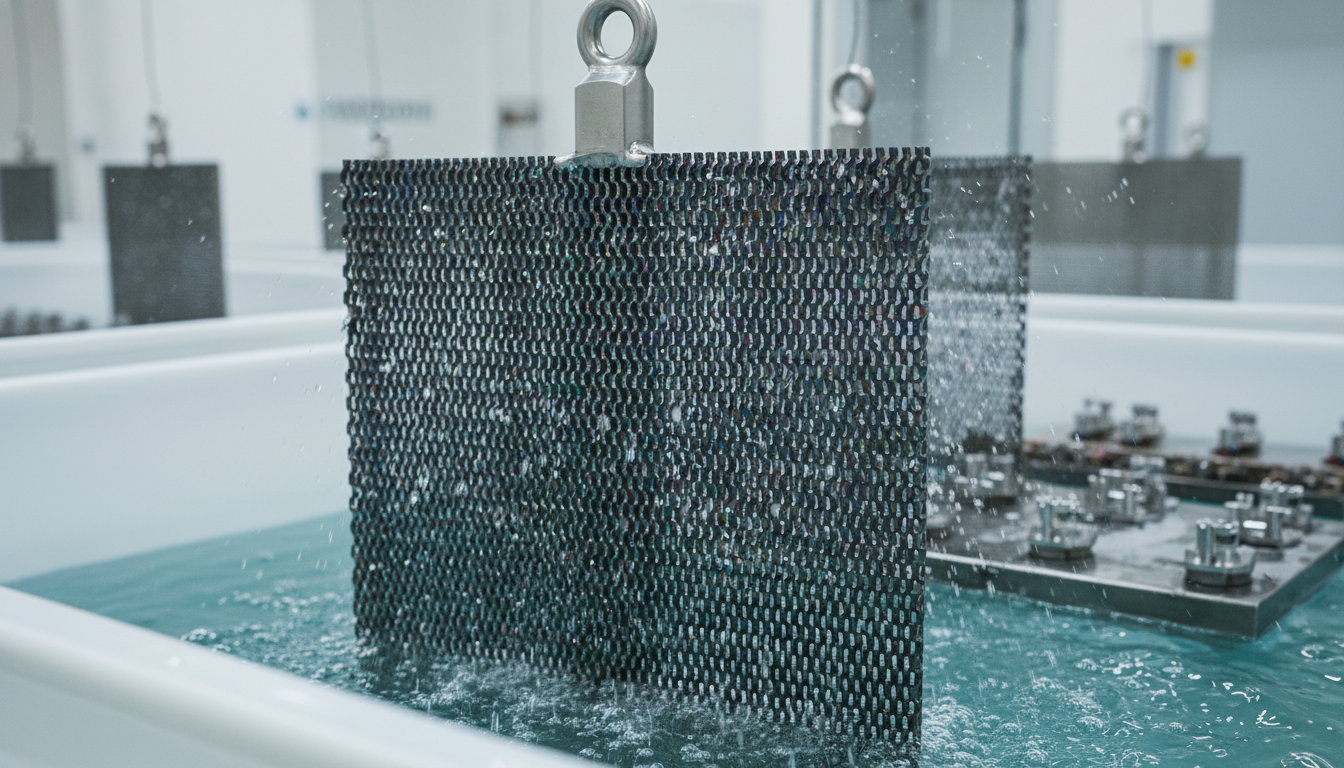
Electroplating Industry: Used for anode baskets, racks, and heating/cooling coils in various plating baths (e.g., copper, nickel, chrome) to ensure purity and prevent contamination.
Water Treatment Industry: Essential for components in electro-chlorination, wastewater treatment, and desalination processes, leveraging titanium's resistance to chlorine and other aggressive chemicals.
Precious Metal Coating: The ideal substrate for **Dimensionally Stable Anodes (DSA)**, where a titanium base is coated with precious metals to create highly efficient, long-lasting anodes for chemical and electrochemical processes.
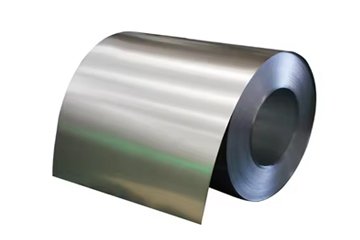
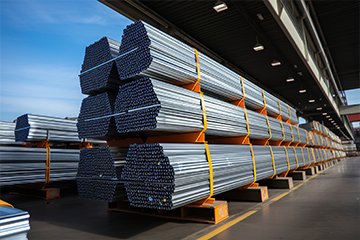
We supply titanium in various forms, which are then fabricated into specialized components for use in electroplating and water treatment systems:
| Component/Product | Primary Function/Application | Key Properties Utilized |
|---|---|---|
| Titanium Mesh | Anode substrate, filter media, and current distribution in electroplating baths. | High surface area, conductivity, corrosion resistance. |
| Titanium Basket / Plate / Disc | Holding plating materials (e.g., nickel pellets) or serving as structural components in reactors. | Corrosion resistance, structural integrity, low specific gravity. |
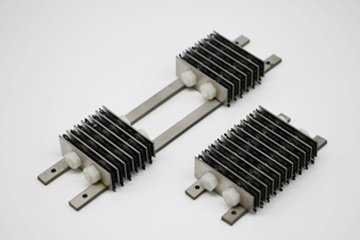
| Titanium Fin / Vane | Heat exchange elements or flow control in chemical tanks. | Excellent heat transfer, corrosion resistance. |
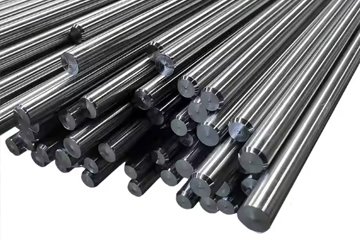
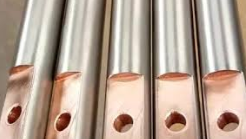
| Titanium Conductive Rod / Anode | Primary current carrier and core material for DSA anodes. | High electrical conductivity, structural strength, corrosion immunity. |
The following table details the primary titanium mill products used in these industries, along with their corresponding ASTM standards and applicable grades, primarily Commercially Pure (CP) titanium for its superior corrosion resistance.
| Titanium Product Form | Applicable ASTM Standard | Description | Applicable Grades |
|---|---|---|---|
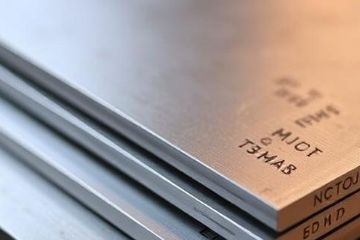
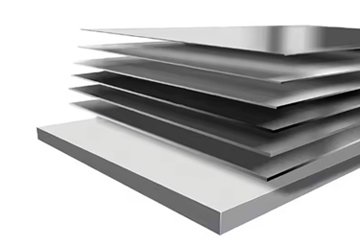
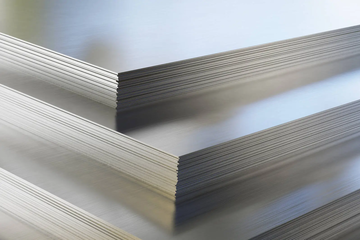
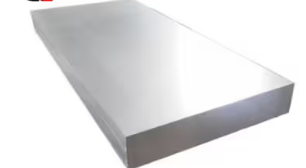
| Titanium Plate | ASTM B265-06a | Titanium and Titanium Alloy Strip, Sheet, and Plate | Gr1, Gr2, Gr5 |
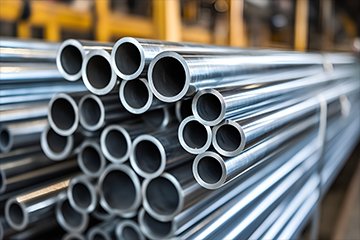
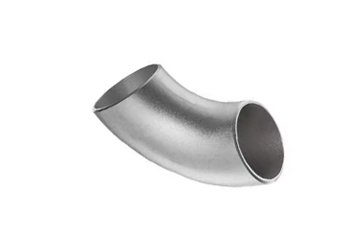
| Titanium Tube | ASTM B338-06a, ASTM B861-06a | Seamless and Welded Titanium and Titanium Alloy Tube | Gr1, Gr2 |
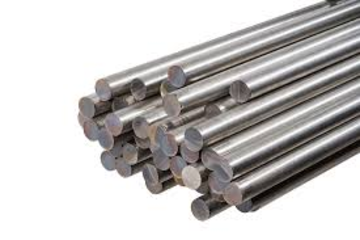
| Titanium Bar / Rod | ASTM B348-06a | Titanium and Titanium Alloy Bar and Billet | Gr1, Gr2, Gr5 |
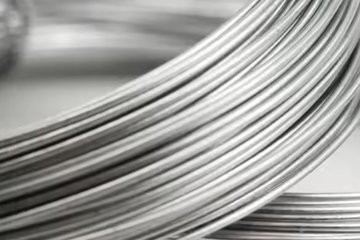
| Titanium Wire | ASTM B863-06a | Titanium and Titanium Alloy Wire | Gr1, Gr2, Gr5 |
| Titanium Mesh | (Custom/Proprietary) | Woven or Expanded Titanium Mesh for Anodes and Filters | Gr1, Gr2 |
For most electrochemical applications, Commercially Pure (CP) Titanium is preferred due to its excellent corrosion resistance and formability. Alloyed grades are used where higher mechanical strength is required for structural support.
Grade 1 (Gr1): The softest and most ductile CP grade, offering maximum corrosion resistance and formability, ideal for complex mesh and plate fabrication.
Grade 2 (Gr2): The most common CP grade, providing a balance of strength, ductility, and excellent corrosion resistance, widely used for general process equipment.
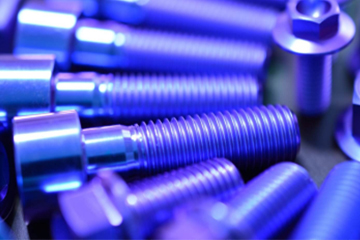
Grade 5 (Gr5) / Ti-6Al-4V: An alpha-beta alloy with the highest strength. Used primarily for high-stress structural components, fasteners, or where the process demands superior mechanical properties alongside corrosion resistance.
Titanium's unique properties have driven significant improvements in efficiency and longevity across the electroplating and water treatment sectors.
Industry: Copper Electroplating (Printed Circuit Boards)
Challenge: Traditional anode materials suffered from rapid consumption and sludge formation, requiring frequent replacement and leading to inconsistent plating quality and high maintenance costs.
Titanium Solution: Implementation of Titanium Anode Baskets and Titanium Conductive Rods using Grade 2 (Gr2) titanium. The titanium substrate, coated with a precious metal oxide (DSA), provided a stable, non-consumable anode surface.
Outcome: Elimination of anode sludge, a 30% reduction in energy consumption due to lower cell voltage, and a significant extension of anode service life from months to several years, ensuring consistent, high-quality copper deposition.
Industry: Industrial Wastewater Treatment (Electrochemical Oxidation)
Challenge: The highly corrosive and oxidizing environment of electrochemical wastewater treatment systems caused rapid degradation of conventional electrode materials, leading to frequent system downtime and high replacement costs.
Titanium Solution: Utilization of Titanium Plate (ASTM B265, Gr1/Gr2) as the base material for the reactor cell and Titanium Mesh Anodes (DSA). The superior corrosion resistance of titanium ensured the structural integrity of the system.
Outcome: The system achieved continuous operation with minimal maintenance. The titanium components demonstrated immunity to the aggressive chemicals, resulting in a 95% reduction in material replacement costs over a five-year period and reliable compliance with discharge regulations.
All titanium products supplied for the electroplating and water treatment industries adhere strictly to international quality and material specifications, ensuring material integrity, traceability, and performance reliability in mission-critical applications.
Material Specifications: We comply with stringent standards such as ASTM B265 (Plate/Sheet), ASTM B338/B861 (Tube), ASTM B348 (Bar/Rod), and ASTM B863 (Wire), guaranteeing the chemical composition and mechanical properties of the material.
Quality Control: Our quality assurance process includes non-destructive testing (NDT), ultrasonic testing, and chemical analysis to ensure zero defects and full traceability from mill to final product.
Applicable Grades: We primarily supply Commercially Pure Titanium Grades Gr1 and Gr2 for maximum corrosion resistance, and Gr5 (Ti-6Al-4V) for high-strength structural components, all certified to meet the specified ASTM standards.
By choosing our titanium solutions, you are investing in superior material quality, reduced maintenance, and enhanced operational safety in the most demanding electrochemical environments.
Ensure the longevity and efficiency of your chemical processes with our certified titanium products.
Request a Quote or Consultation Today


Contact Us
Room 21003, 10th Floor, Unit 2, Building 1, Xianning International Plaza, No.29 Xianning West Road, Beilin District, Xi'an City
Copyright © Xi'an Shiguang Jingyan Technology Co., Ltd. All Rights Reserved.