Titanium metal grades represent a sophisticated classification system that categorizes titanium and its alloys based on their chemical composition, mechanical properties, and intended applications. Understanding the distinctions between different titanium grades is essential for engineers, manufacturers, and procurement specialists who seek to optimize material selection for aerospace, medical, chemical processing, and industrial applications. This comprehensive guide explores the complete spectrum of titanium metal grades, from commercially pure titanium to advanced alloy systems, providing detailed insights into their characteristics, performance attributes, and optimal use cases.
What Are Titanium Metal Grades?
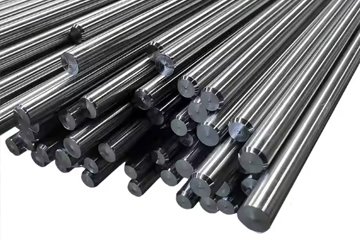
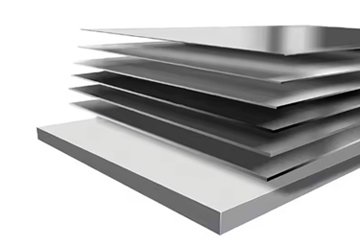
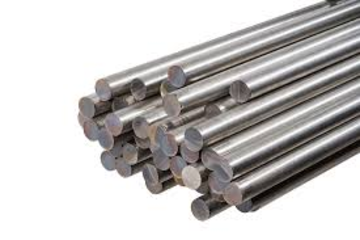
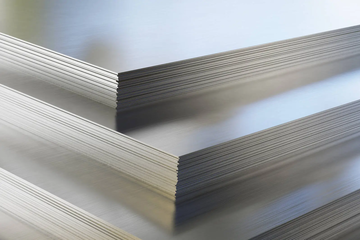
Titanium metal grades are standardized classifications that define the chemical composition and mechanical properties of titanium materials. The grading system, primarily governed by ASTM (American Society for Testing and Materials) standards such as ASTM B348 for bars and ASTM B265 for sheets and plates, provides a universal framework for specifying titanium materials across global industries. Each grade is assigned a unique designation that corresponds to specific purity levels, alloying elements, and performance characteristics.
The titanium grading system serves multiple critical functions in materials engineering and procurement. It enables precise communication between suppliers and customers, ensures consistency in material properties across different production batches, and facilitates compliance with industry-specific regulations and standards. For manufacturers working with titanium, understanding these grades is not merely academic—it directly impacts product performance, manufacturing efficiency, and cost-effectiveness.
Classification of Titanium Metal Grades
Commercially Pure Titanium (CP Titanium)
Commercially pure titanium represents the foundation of the titanium grading system, encompassing Grades 1 through 4. These grades are characterized by their high titanium content (typically 98.9% to 99.5% pure) with minimal alloying elements. The primary differentiator among CP titanium grades is their oxygen and iron content, which directly influences their strength and ductility characteristics.
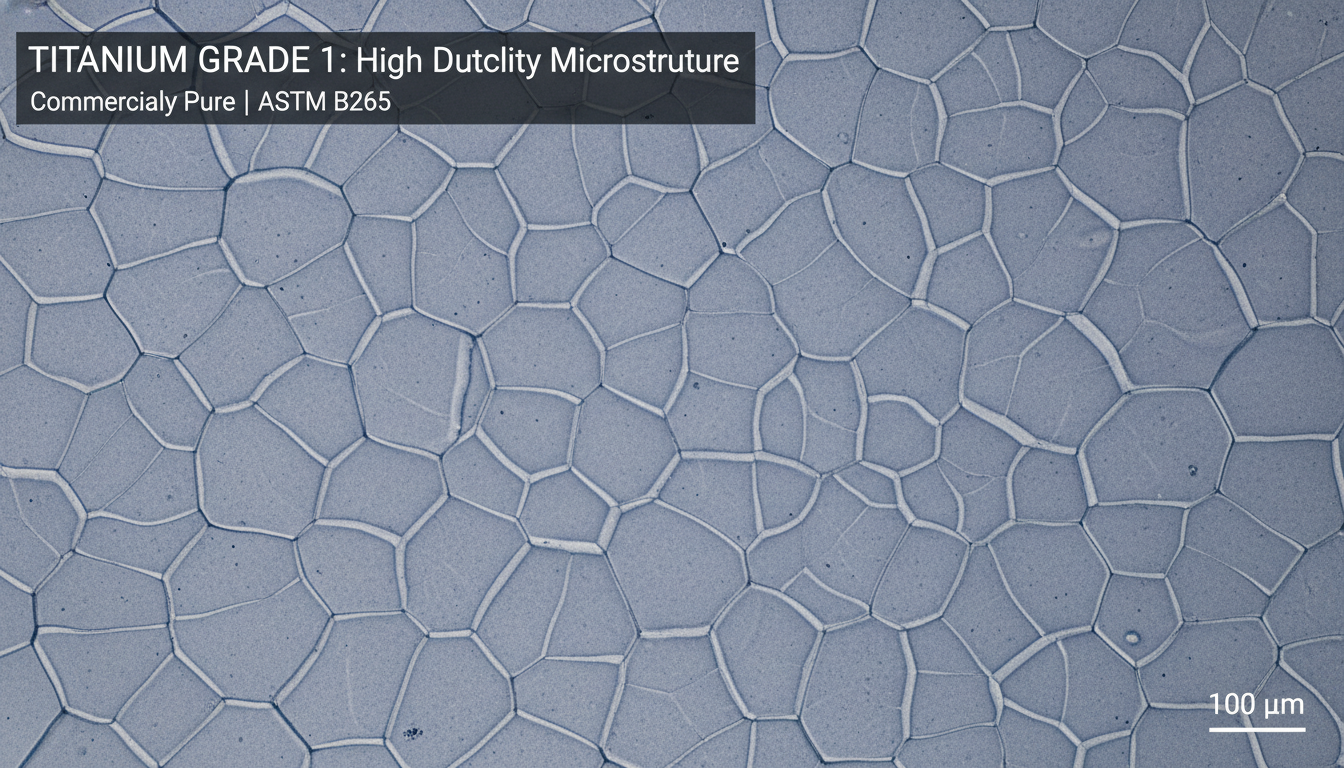
Grade 1 Titanium stands as the softest and most ductile form of commercially pure titanium, containing the lowest levels of interstitial elements. With a minimum tensile strength of 240 MPa (35 ksi) and exceptional formability, Grade 1 excels in applications requiring complex forming operations and superior corrosion resistance. Its excellent cold-forming characteristics make it ideal for heat exchangers, chemical processing equipment, and architectural applications where aesthetic appearance and corrosion resistance are paramount.
Grade 2 Titanium represents the workhorse of commercially pure titanium grades, offering an optimal balance between strength, formability, and cost-effectiveness. With a minimum tensile strength of 345 MPa (50 ksi), Grade 2 provides approximately 40% more strength than Grade 1 while maintaining excellent corrosion resistance and good formability. This grade dominates industrial applications, accounting for the majority of commercially pure titanium consumption in chemical processing, desalination plants, and marine engineering.
Grade 3 Titanium occupies the middle ground between Grade 2 and Grade 4, offering enhanced strength (minimum 450 MPa or 65 ksi tensile strength) with moderate formability. While less commonly specified than Grades 2 and 4, Grade 3 finds application in scenarios requiring strength levels intermediate between these more popular grades, particularly in aerospace components and pressure vessels.
Grade 4 Titanium represents the strongest commercially pure titanium grade, with a minimum tensile strength of 550 MPa (80 ksi). The increased strength comes at the cost of reduced formability compared to lower grades. Grade 4 is frequently selected for applications demanding maximum strength from unalloyed titanium, including aircraft components, surgical implants, and high-performance industrial equipment.
Titanium Alloys
Titanium alloys extend the performance envelope of pure titanium through strategic addition of alloying elements such as aluminum, vanadium, molybdenum, and palladium. These alloys are classified into three metallurgical categories: alpha alloys, alpha-beta alloys, and beta alloys, each offering distinct combinations of strength, ductility, and processing characteristics.
Grade 5 Titanium (Ti-6Al-4V) stands as the most widely used titanium alloy, representing approximately 50% of global titanium consumption. This alpha-beta alloy contains 6% aluminum and 4% vanadium, delivering exceptional strength-to-weight ratio with a minimum tensile strength of 895 MPa (130 ksi). Grade 5's combination of high strength, excellent fatigue resistance, and good corrosion resistance has made it the material of choice for aerospace structural components, biomedical implants, and high-performance automotive applications. However, its limited cold formability necessitates hot forming processes or machining from solid stock.
Grade 7 Titanium (Ti-Pd) incorporates 0.12% to 0.25% palladium into commercially pure titanium, dramatically enhancing corrosion resistance in reducing acid environments. This grade exhibits mechanical properties similar to Grade 2 but with superior resistance to crevice corrosion and stress corrosion cracking in chloride-containing environments. Grade 7 is extensively used in chemical processing equipment, particularly in applications involving hydrochloric acid, sulfuric acid, and other aggressive media.
Grade 9 Titanium (Ti-3Al-2.5V) represents an optimal compromise between commercially pure titanium and high-strength alloys like Grade 5. Containing 3% aluminum and 2.5% vanadium, Grade 9 offers significantly higher strength than CP titanium (minimum 620 MPa or 90 ksi tensile strength) while maintaining excellent cold formability—a characteristic that distinguishes it from Grade 5. This unique combination makes Grade 9 ideal for applications requiring both strength and complex forming operations, including hydraulic tubing, aerospace honeycomb structures, and medical devices such as pacemaker cases.
Grade 12 Titanium (Ti-0.3Mo-0.8Ni) combines the moderate strength of commercially pure titanium with enhanced corrosion resistance through the addition of 0.3% molybdenum and 0.8% nickel. With mechanical properties similar to Grade 2 but superior resistance to crevice corrosion and stress corrosion cracking, Grade 12 serves applications in chemical processing, oil and gas production, and marine environments where aggressive corrosion conditions prevail.
Comprehensive Titanium Grades Comparison
| Grade | UNS Number | Composition | Tensile Strength (Min) | Yield Strength (Min) | Elongation (%) | Key Properties |
|---|---|---|---|---|---|---|
| Grade 1 | R50250 | 99.5% Pure Ti | 240 MPa (35 ksi) | 138 MPa (20 ksi) | 24% | Highest ductility, excellent formability, superior corrosion resistance |
| Grade 2 | R50400 | 99% Pure Ti | 345 MPa (50 ksi) | 275 MPa (40 ksi) | 20% | Best balance of strength and formability, most widely used CP grade |
| Grade 3 | R50550 | 99% Pure Ti | 450 MPa (65 ksi) | 380 MPa (55 ksi) | 18% | Higher strength than Grade 2, moderate formability |
| Grade 4 | R50700 | 99% Pure Ti | 550 MPa (80 ksi) | 483 MPa (70 ksi) | 15% | Highest strength CP grade, good corrosion resistance |
| Grade 5 | R56400 | Ti-6Al-4V | 895 MPa (130 ksi) | 828 MPa (120 ksi) | 10% | Highest strength, excellent fatigue resistance, limited cold formability |
| Grade 7 | R52400 | Ti + 0.12-0.25% Pd | 345 MPa (50 ksi) | 275 MPa (40 ksi) | 20% | Enhanced corrosion resistance in reducing acids |
| Grade 9 | R56320 | Ti-3Al-2.5V | 620 MPa (90 ksi) | 483 MPa (70 ksi) | 15% | Good strength, excellent cold formability, versatile applications |
| Grade 12 | R53400 | Ti-0.3Mo-0.8Ni | 483 MPa (70 ksi) | 345 MPa (50 ksi) | 18% | Excellent corrosion resistance in acidic environments |
| Grade 23 | R56401 | Ti-6Al-4V ELI | 828 MPa (120 ksi) | 759 MPa (110 ksi) | 10% | Extra low interstitial, superior biocompatibility for medical implants |
Applications of Different Titanium Grades
Aerospace Industry Applications
The aerospace sector represents the largest consumer of titanium alloys, with Grade 5 (Ti-6Al-4V) dominating structural applications. Aircraft manufacturers utilize Grade 5 for critical components including engine compressor blades, structural frames, landing gear components, and fasteners where high strength-to-weight ratio and fatigue resistance are paramount. Grade 9 (Ti-3Al-2.5V) finds extensive use in hydraulic tubing systems and honeycomb structures for aircraft interiors, where its combination of strength and formability enables complex geometries while maintaining structural integrity.
Medical and Biomedical Applications
The medical device industry relies heavily on specific titanium grades that offer biocompatibility, corrosion resistance, and appropriate mechanical properties. Grade 23 (Ti-6Al-4V ELI - Extra Low Interstitial) serves as the gold standard for orthopedic implants, including hip and knee replacements, spinal fusion devices, and dental implants. The extra low interstitial content enhances ductility and fracture toughness, critical for long-term implant performance. Grade 4 commercially pure titanium is frequently selected for dental applications and maxillofacial reconstruction, while Grade 9 is utilized in pacemaker cases and other implantable electronic devices.
Chemical Processing and Industrial Applications
Chemical processing industries leverage titanium's exceptional corrosion resistance, with grade selection driven by specific chemical environments. Grade 2 dominates applications involving oxidizing acids, chloride solutions, and seawater, serving in heat exchangers, reaction vessels, and piping systems. Grade 7 and Grade 12 are specified for more aggressive environments involving reducing acids, with Grade 7 particularly effective in hydrochloric acid service and Grade 12 excelling in applications with crevice corrosion concerns.
Marine and Offshore Applications
Marine engineering applications exploit titanium's immunity to seawater corrosion and biofouling resistance. Grade 2 serves as the primary material for seawater cooling systems, desalination plants, and offshore platform components. The material's resistance to chloride-induced stress corrosion cracking and its ability to maintain structural integrity in harsh marine environments make it invaluable for subsea equipment, propeller shafts, and hull components of high-performance vessels.
Industry Insight: Grade Selection Impact
Selecting the appropriate titanium grade can significantly impact project economics and performance. While Grade 5 offers superior strength, its higher cost and limited formability may make Grade 9 a more cost-effective choice for applications not requiring maximum strength. Similarly, specifying Grade 7 when Grade 2 would suffice can unnecessarily increase material costs by 30-50%. Optimal grade selection requires careful analysis of actual service conditions, manufacturing processes, and total lifecycle costs.
How to Choose the Right Titanium Metal Grade
Mechanical Property Requirements
The selection process begins with a thorough analysis of mechanical property requirements. Applications demanding maximum strength typically necessitate Grade 5 or Grade 23 alloys, which provide tensile strengths exceeding 895 MPa. For moderate strength requirements in the 345-620 MPa range, commercially pure grades (2-4) or Grade 9 offer more economical solutions. Ductility requirements must also be considered—applications requiring extensive forming operations favor Grade 1, Grade 2, or Grade 9, while machined components can utilize higher-strength but less formable grades.
Corrosion Resistance Considerations
Environmental conditions play a crucial role in grade selection. All titanium grades exhibit excellent corrosion resistance in oxidizing environments, but performance in reducing acids varies significantly. Applications involving hydrochloric acid, sulfuric acid, or other reducing media require palladium-enhanced grades (Grade 7) or molybdenum-nickel alloys (Grade 12). Seawater and chloride environments are well-served by commercially pure grades, particularly Grade 2, which offers optimal cost-performance balance for most marine applications.
Manufacturing and Fabrication Requirements
Manufacturing processes significantly influence grade selection. Cold-forming operations such as deep drawing, stamping, or tube bending require grades with high ductility—Grade 1, Grade 2, or Grade 9 are optimal choices. Hot-forming processes can accommodate less ductile grades like Grade 5, though specialized equipment and expertise are required. Welding considerations also factor into selection, as all titanium grades are weldable, but some require more stringent shielding gas protection and post-weld heat treatment than others.
Cost-Benefit Analysis
Economic considerations extend beyond raw material costs to encompass total lifecycle expenses. Grade 2 commercially pure titanium typically represents the most cost-effective option for general corrosion-resistant applications, while Grade 5 commands premium pricing but delivers superior performance in high-stress environments. The analysis must account for manufacturing costs—Grade 9's cold formability can reduce fabrication expenses compared to Grade 5, potentially offsetting higher material costs. Long-term maintenance costs, service life expectations, and failure consequences complete the economic evaluation.
ASTM Standards Compliance
Ensuring compliance with relevant ASTM standards is essential for quality assurance and regulatory acceptance. ASTM B348 governs titanium bars and billets, ASTM B265 covers sheet and plate, ASTM B338 specifies seamless and welded tubes, and ASTM B381 addresses forgings. Each standard defines chemical composition limits, mechanical property requirements, and testing procedures. Procurement specifications should explicitly reference applicable ASTM standards and required certifications to ensure material traceability and quality verification.
China Titanium Factory: Your Trusted Titanium Grades Supplier
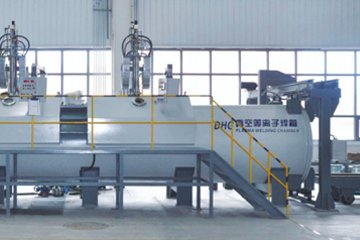
At China Titanium Factory, we specialize in manufacturing and supplying a comprehensive range of titanium metal grades to meet diverse industrial requirements. Our state-of-the-art production facilities utilize advanced VAR (Vacuum Arc Remelting) and EBCHR (Electron Beam Cold Hearth Remelting) technologies to produce titanium materials that consistently exceed ASTM standards and customer specifications.
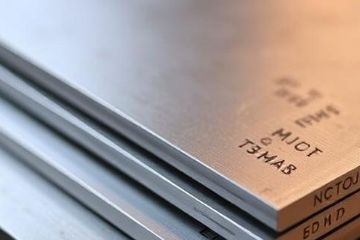
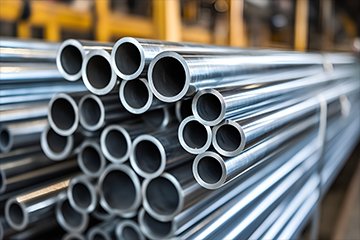
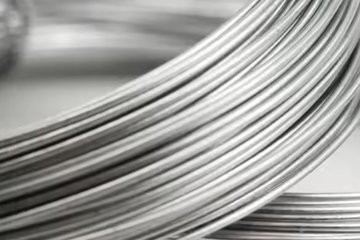
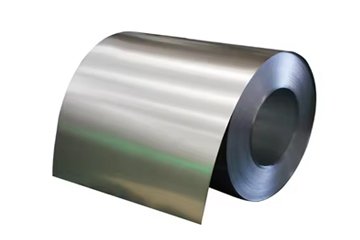
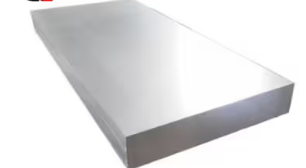
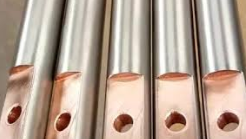
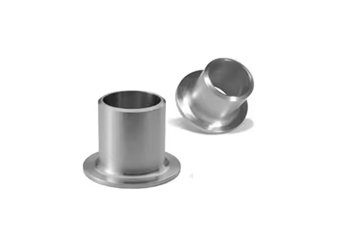
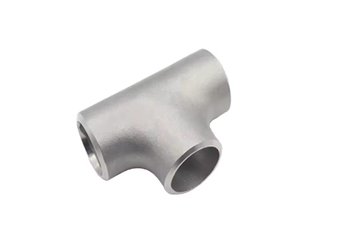
Our product portfolio encompasses all major titanium grades, from commercially pure Grade 1 through Grade 4, to advanced alloys including Grade 5 (Ti-6Al-4V), Grade 9 (Ti-3Al-2.5V), Grade 7, Grade 12, and Grade 23. We offer these materials in various product forms including bars, rods, sheets, plates, tubes, pipes, wires, and custom forgings, with the flexibility to accommodate both standard dimensions and custom specifications.
Quality assurance forms the cornerstone of our operations. Every product undergoes rigorous testing including chemical analysis, tensile testing, ultrasonic inspection, and dimensional verification, with full material traceability and certification provided. Our ISO 9001:2015, ISO 13485, and CE certifications demonstrate our commitment to quality management and regulatory compliance across aerospace, medical, and industrial sectors.
We understand that successful titanium procurement extends beyond material supply to encompass technical support and application expertise. Our metallurgical engineers and technical specialists work collaboratively with customers to optimize grade selection, recommend appropriate fabrication processes, and provide ongoing technical assistance throughout project lifecycles. With competitive pricing, rapid delivery capabilities, and flexible minimum order quantities, we serve as a strategic partner for organizations seeking reliable titanium supply solutions.
Ready to Source Premium Titanium Grades?
Contact our technical team today to discuss your specific requirements and receive expert guidance on titanium grade selection for your application.
Request a QuoteFrequently Asked Questions (FAQs)
Titanium grade selection requires evaluation of multiple factors:
(1) Mechanical requirements—determine minimum strength, ductility, and fatigue resistance needed for your application;
(2) Corrosion environment—assess chemical exposure, temperature, and whether oxidizing or reducing conditions exist;
(3) Manufacturing processes—consider whether cold forming, hot forming, welding, or machining will be employed;
(4) Operating temperature—some grades maintain properties better at elevated temperatures;
(5) Biocompatibility—medical applications require specific grades with proven biocompatibility;
(6) Cost constraints—balance material cost against performance requirements and total lifecycle costs;
(7) Availability and lead time—some grades are more readily available than others;
(8) Regulatory compliance—aerospace, medical, and other regulated industries may mandate specific grades.
Consulting with experienced titanium suppliers and materials engineers can optimize grade selection for specific applications.
Conclusion
Understanding titanium metal grades represents a critical competency for engineers, procurement specialists, and manufacturers working across aerospace, medical, chemical processing, and industrial sectors. The titanium grading system provides a sophisticated framework for material selection, enabling optimization of performance, manufacturability, and cost-effectiveness. From commercially pure grades offering maximum formability and corrosion resistance to high-strength alloys delivering exceptional mechanical properties, each titanium grade serves specific application requirements.
Successful titanium grade selection requires comprehensive analysis of mechanical property requirements, environmental conditions, manufacturing processes, and economic considerations. While Grade 2 commercially pure titanium serves as the workhorse for general corrosion-resistant applications, Grade 5 (Ti-6Al-4V) dominates high-strength aerospace and industrial uses, and Grade 9 (Ti-3Al-2.5V) offers optimal balance between strength and formability for specialized applications. Enhanced corrosion-resistant grades like Grade 7 and Grade 12 address aggressive chemical environments, while medical-grade materials like Grade 23 ensure biocompatibility and long-term implant performance.
As a leading titanium manufacturer and supplier, China Titanium Factory stands ready to support your titanium material requirements with comprehensive product offerings, rigorous quality assurance, and expert technical guidance. Our commitment to excellence, combined with advanced manufacturing capabilities and customer-centric service, positions us as your trusted partner for titanium solutions across diverse industrial applications.