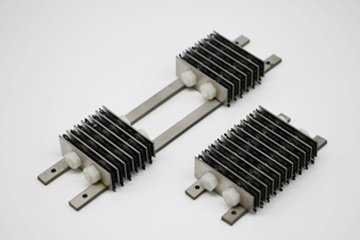
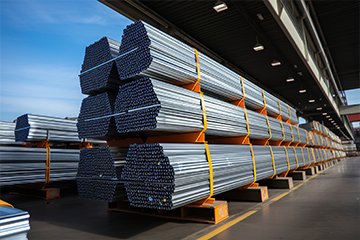
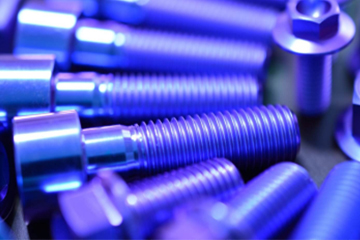
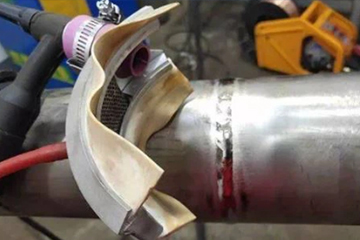
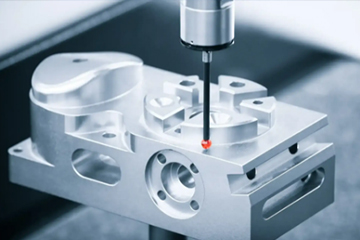
Our Platinized Titanium Anodes feature superior conductivity and low consumption. By expertly cladding or electroplating a thin platinum layer onto a cost-effective titanium substrate, we overcome the economic challenge of pure platinum, enhancing practicality and extending the anode's service life.
Request a Quote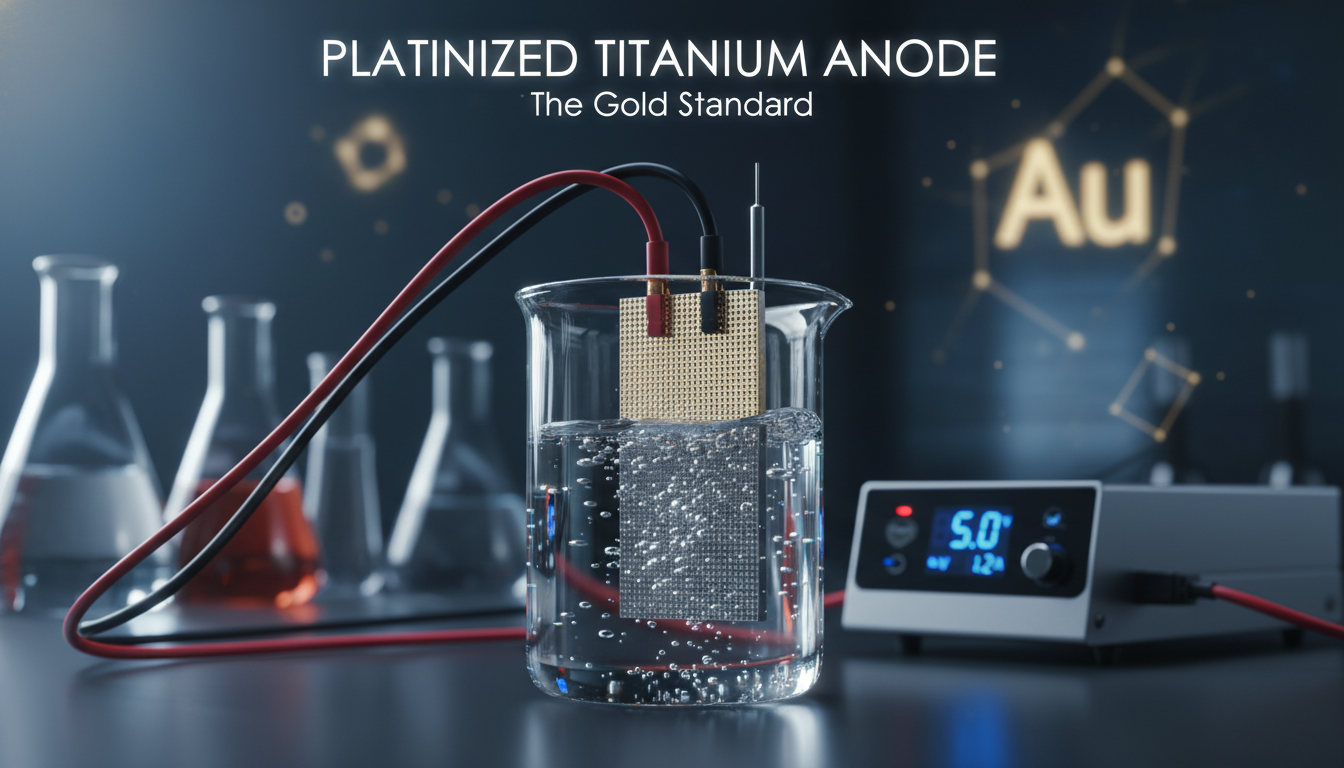
Platinized Titanium Anodes combine the strength and corrosion resistance of the titanium substrate with the excellent electrocatalytic activity of the platinum layer, making them a highly cost-effective insoluble anode in the electrochemical field.
Offers performance comparable to pure platinum electrodes, but at a fraction of the cost, maximizing economic benefits.
The titanium substrate forms a protective oxide film under anodic conditions, and the platinum layer provides excellent chemical inertness, ensuring a long lifespan in various harsh electrolytes.
The platinum layer has a very low overpotential for oxygen or chlorine evolution, effectively reducing cell voltage and improving current and electrolysis efficiency.
When the platinum layer is depleted, the titanium substrate can be recovered and re-plated, further reducing long-term operating costs.
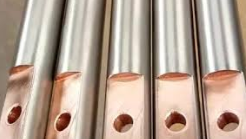
Substrate Material: Commercially Pure Titanium (Gr1, Gr2), and can also be plated onto composite materials like copper-clad titanium.
Coating Material: Pure Platinum (Pt), with uniform and fine thickness, ensuring firm bonding.
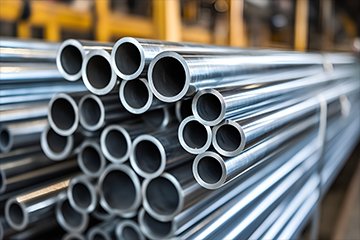
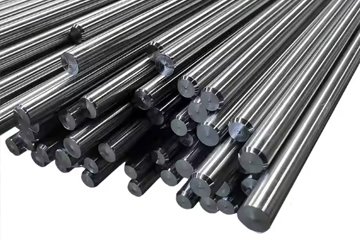
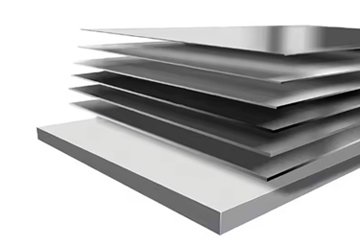
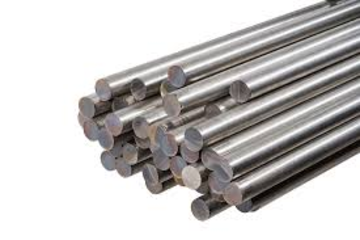
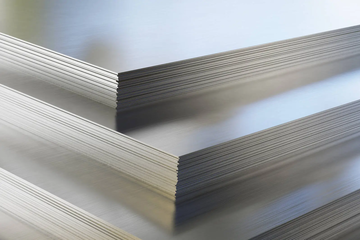
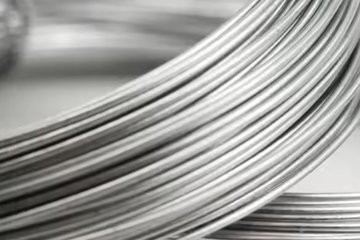
Common Shapes: Mesh, Plate, Rod, Wire, Tube, Custom Irregular Structures.
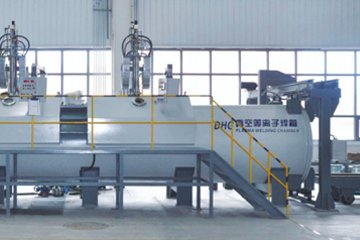
Coating Process: Electroplating or Cladding, ensuring tight bonding and high performance between the platinum layer and the substrate.
Used in electroplating tanks and water treatment, featuring high current output and long service life.
Used for water electrolysis, electroplating, and electrosynthesis, offering high specific surface area and excellent current distribution.
Providing complete anode assemblies based on the customer's electrolyzer design and application requirements.
Used for precious metal plating (such as gold, rhodium, palladium), as well as electroplating processes for electronic components, jewelry, and decorations, ensuring coating quality.
Used as auxiliary anodes (such as deep well anodes, soil anodes) to protect steel structures, pipelines, and ships against corrosion.
Used for electrolytic production of sodium hypochlorite, ozone, and chlorine from seawater electrolysis, achieving efficient disinfection and water purification.
Used as key anodes in the chemical production of persulfates, perchlorates, and organic electrosynthesis.
Used for electrochemical reactions in biosensors and medical devices.
Contact our expert team for customized solutions and technical support. We are committed to helping your electrochemical projects succeed with the most competitive prices and exceptional quality.
Inquire for a Quote Now


Contact Us
Room 21003, 10th Floor, Unit 2, Building 1, Xianning International Plaza, No.29 Xianning West Road, Beilin District, Xi'an City
Copyright © Xi'an Shiguang Jingyan Technology Co., Ltd. All Rights Reserved.