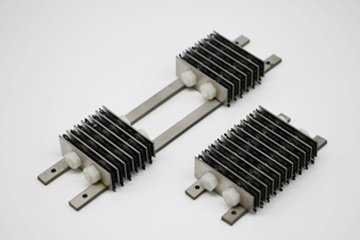
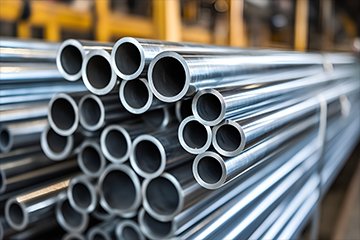
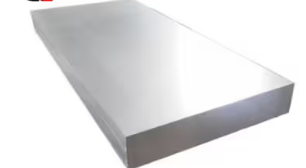
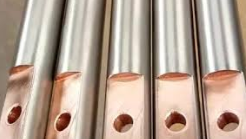
As a leading supplier of sacrificial anodes, we offer comprehensive corrosion defense solutions. We provide high-quality Zinc, Aluminum, and Magnesium anodes for passive protection of critical metal structures in marine and buried environments.
Request a Quote
A sacrificial anode is a highly active metal used in a galvanic cathodic protection system to prevent corrosion of a less active metal structure. It works by corroding preferentially, effectively sacrificing itself to protect the main structure. This electrochemical process leverages the difference in potential between the two metals, ensuring the protected structure remains intact without the need for an external power source.
The anode metal undergoes oxidation, releasing electrons that flow to the protected structure (cathode). This flow of electrons shifts the corrosion reactions away from the critical asset, ensuring its integrity.
Anode Reaction (Oxidation): Anode Metal → Metal Ions + Electrons (e-)
Cathode Reaction (Reduction): O₂ + 2H₂O + 4e- → 4OH- (on the protected structure)
The choice of anode material is critical and depends on the electrolyte (environment) resistivity and the driving potential required.
| Anode Type | Primary Material | Best Suited Environment | Key Advantage |
|---|---|---|---|
| Zinc Anodes | Zinc (ASTM B418 Type I & II) | Seawater, Brackish Water | Reliable performance, stable potential, low cost. |
| Aluminum Anodes | Aluminum Alloys (e.g., Al-Zn-In) | Seawater, Brackish Water | High current capacity, lightweight, cost-effective for large projects. |
| Magnesium Anodes | Magnesium Alloys (e.g., H-1 Alloy) | Buried Pipelines, High-Resistivity Soil, Freshwater | Highest driving potential, effective in high-resistivity electrolytes. |
Hull Anodes: For ship hulls and marine structures (Zinc, Aluminum).
Bracelet Anodes: Wrap-around design for pipelines (Zinc, Aluminum).
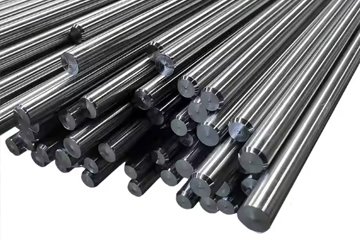
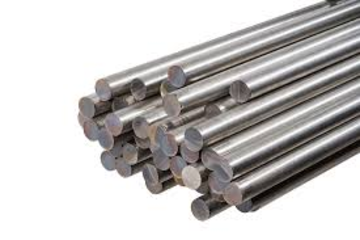
Rod/Bar Anodes: For water heaters, heat exchangers, and tanks (Magnesium, Zinc).
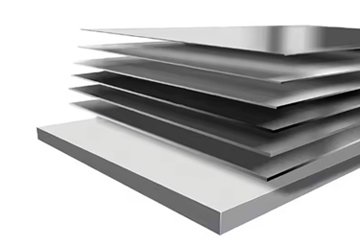
Disc/Ribbon Anodes: For specialized applications and internal tank protection (Zinc, Magnesium).
Passive system with no external power source required, leading to high reliability and minimal maintenance.
Generally lower installation cost compared to Impressed Current Cathodic Protection (ICCP) systems.
Inherently safe as they operate at low voltage and pose no risk of stray current interference.
Simple to install via welding or bolting, making them ideal for new construction and retrofitting.
Sacrificial anodes are indispensable in a wide array of industries, safeguarding critical infrastructure and assets from the relentless assault of corrosion.
Marine and Offshore: Ship hulls, ballast tanks, offshore platforms, subsea pipelines, jetties, and piers.
Oil & Gas: External protection of buried pipelines, well casings, and storage tanks (Above and Underground).
Water Systems: Internal protection of water heaters, heat exchangers, condensers, and water storage tanks.
Industrial Facilities: Protection of metallic components in cooling systems and process vessels.
Effective cathodic protection requires careful design and high-quality anodes. We ensure optimal performance through:
Electrolyte Resistivity Analysis: Matching anode material to the specific environment (soil, water) for optimal current output.
Current Demand Calculation: Precise calculation based on structure surface area and coating condition.
Anode Configuration Optimization: Strategic placement to ensure uniform current distribution and protection.
Material Certification: All anodes are manufactured to strict international standards (e.g., ASTM B418, DNV) with certified chemical composition.
Contact our expert team for a comprehensive corrosion assessment and a free quote on our high-performance sacrificial anodes.
Inquire for a Quote Now


Contact Us
Room 21003, 10th Floor, Unit 2, Building 1, Xianning International Plaza, No.29 Xianning West Road, Beilin District, Xi'an City
Copyright © Xi'an Shiguang Jingyan Technology Co., Ltd. All Rights Reserved.