Anodizing is a popular finishing process that improves the durability and look of metals. Its especially common for aluminum, but it often raises questions when it comes to steel. Lets dive into the anodizing process, compare different anodized metals, and answer the key question: can you actually anodize steel?
Anodizing is an electrochemical process that transforms a metal surface into a decorative, durable, and corrosion-resistant oxide finish. The name comes from the part it plays as the anode electrode in an electrical circuit. The process involves a few important steps:
Cleaning: The metal is carefully cleaned to get rid of any dirt, oil, or other impurities.
Electrolytic Bath: The cleaned metal is then placed in an acid electrolyte bath, and an electric current is run through it.
Oxide Layer Formation: This electric current causes the metals surface to oxidize, creating a protective oxide layer.
This layer is not just a coating; its integrated with the metal itself. This makes it extremely tough and gives it excellent wear resistance and corrosion resistance.

Aluminum is the metal that is most frequently anodized, and for good reason. Its natural properties make it a perfect candidate. Aluminum already has a natural oxide layer that gives it some corrosion resistance, and anodizing enhances this feature significantly. The benefits of anodized aluminum include:
Durability: The anodized layer boosts the surface hardness, making it highly resistant to scratches and general wear resistance.
Corrosion Resistance: Anodizing greatly improves aluminums ability to withstand environmental factors, making it perfect for outdoor products.
Aesthetic Options: The process allows for a wide variety of colors and finishes, making aluminum a very versatile choice for design.
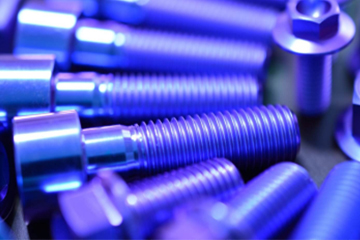
For aluminum, the anodizing process is both straightforward and highly effective. The metals surface reacts predictably to the electrolytic process, which results in a strong, uniform protective oxide layer. There are also various specialized techniques like bright anodizing (for a mirror-like finish), hard anodizing (for maximum wear resistance), and decorative anodizing, which cater to different needs from industrial machinery to consumer electronics.
The short answer is no, you cannot anodize steel in the traditional way. The anodizing process is specifically for metals that naturally form a stable, non-flaking oxide layer, such as aluminum, titanium, and magnesium. Steel, being primarily iron, reacts very differently.
Instead of forming a durable protective oxide layer, the iron in steel reacts with oxygen to form iron oxide—commonly known as rust. In the acidic anodizing bath, steel would simply corrode and dissolve rather than build up the desired finish. This fundamental difference in chemical properties is why anodizing doesnt work for steel.
While you cant anodize steel, there are many excellent alternative methods to protect steel parts. In fact, steel is commonly treated with these processes to enhance its surface properties:
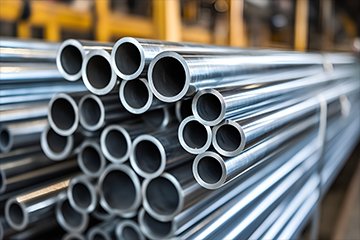
Galvanizing involves coating steel with a layer of zinc. This is usually done through a hot-dip process where steel parts are submerged in molten zinc. The zinc forms a bonded coating that provides fantastic corrosion resistance by acting as a sacrificial layer.
Powder coating offers a finish that is both durable and colorful. The process involves spraying a dry, electrostatically charged powder onto the steel surface. The part is then cured under heat, which melts the powder into a smooth, solid, and tough layer. This method provides both aesthetic appeal and solid protection.
Electroplating uses an electric current to deposit a thin layer of another metal (like nickel, chromium, or even gold) onto the steels surface. This process is great for improving both the appearance of steel parts and their corrosion resistance.
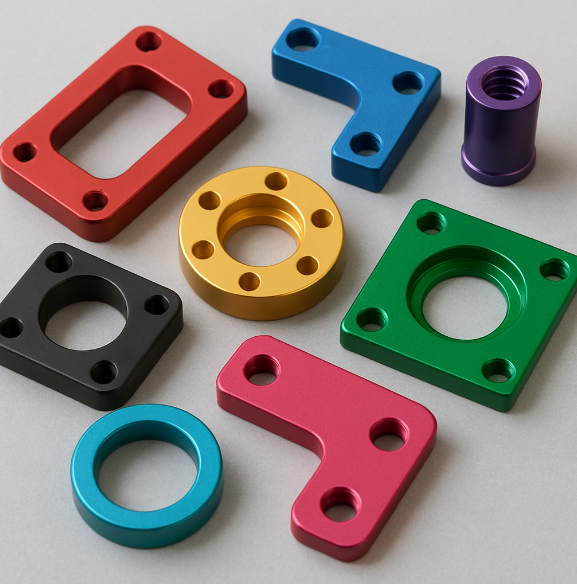
Anodized aluminum is lightweight, strong, and incredibly versatile. It is used across many industries, from aerospace to consumer electronics, because of its ability to handle tough environmental conditions and extend a products life.
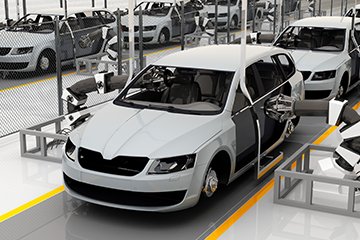
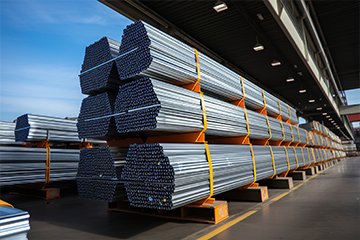
Even though it cant be anodized, steel is an exceptionally robust and versatile material. Its raw strength and durability are unmatched, making it essential for construction, automotive, and heavy-duty applications. When combined with protective coatings like galvanizing or powder coating, its lifespan and visual appeal are greatly extended.

Understanding the limits of anodizing is key to choosing the right metal finishing technique. While aluminum is a perfect match for anodizing, steel requires different methods to get similar protective and aesthetic results.
By exploring options like galvanizing, powder coating, and electroplating, you can make sure that your steel parts are both durable and visually appealing. Whether you are working with aluminum or steel, picking the right process will lead to better products and long-term performance.



Contact Us
Room 21003, 10th Floor, Unit 2, Building 1, Xianning International Plaza, No.29 Xianning West Road, Beilin District, Xi'an City
Copyright © Xi'an Shiguang Jingyan Technology Co., Ltd. All Rights Reserved.