



















Mastering Precision Machining for Titanium Round Bars
Machining titanium round bars is a high-stakes endeavor where aerospace-grade reliability meets the extreme physics of refractory metals. In our experience, the transition from standard alloy steels to titanium is often where shops encounter a steep learning curve.
Precision titanium round bars are the backbone of modern orthopedic implants and jet engine fasteners. Achieving the required dimensional accuracy while battling titanium's inherent "work-hardening" nature defines the gap between a successful production run and a bucket of scrap.
Technical Quick-Read: Overcoming Thermal Challenges
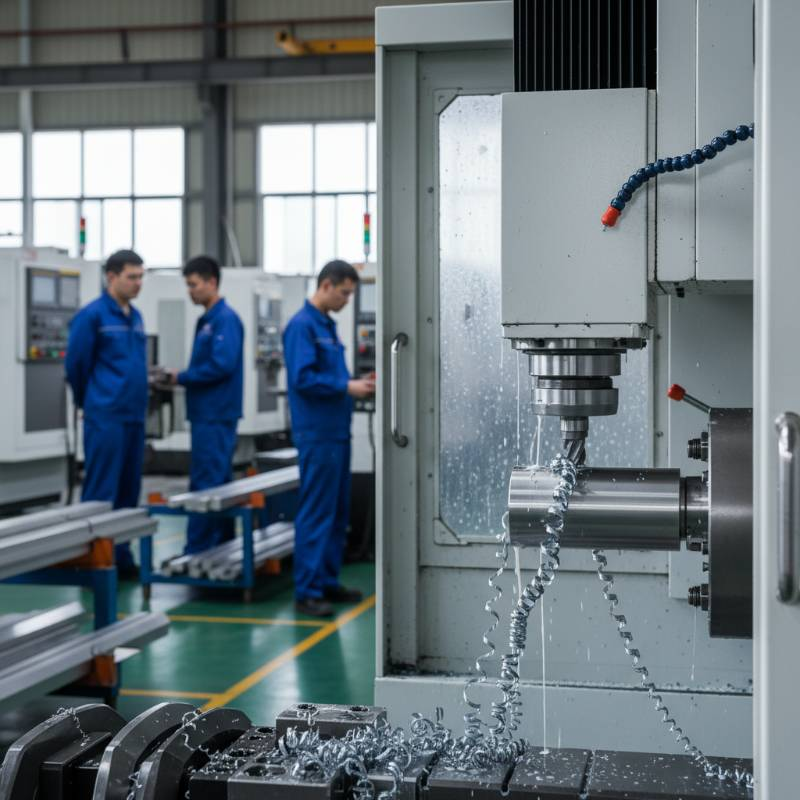
Titanium’s low thermal conductivity causes heat to concentrate at the cutting edge, leading to rapid tool wear and 'sticky' chips. To prevent tool adhesion, utilize high-pressure cooling systems and specialized coatings that facilitate rapid heat dissipation, ensuring stable machining even during long production cycles in 2026 workflows.
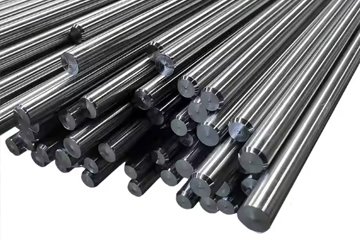
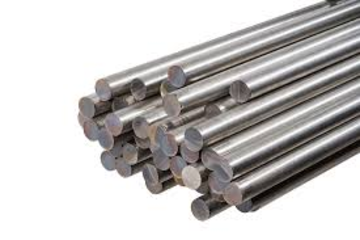
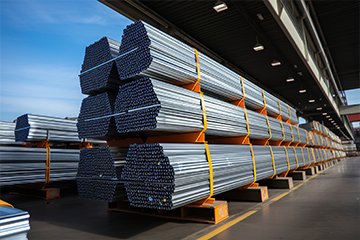
Titanium Round Bar: A cylindrical stock material composed of titanium or its alloys, characterized by high strength-to-weight ratios and exceptional corrosion resistance, typically processed via centerless grinding for precision applications.
Grade 5 Titanium: Mechanical Properties for CNC Machining
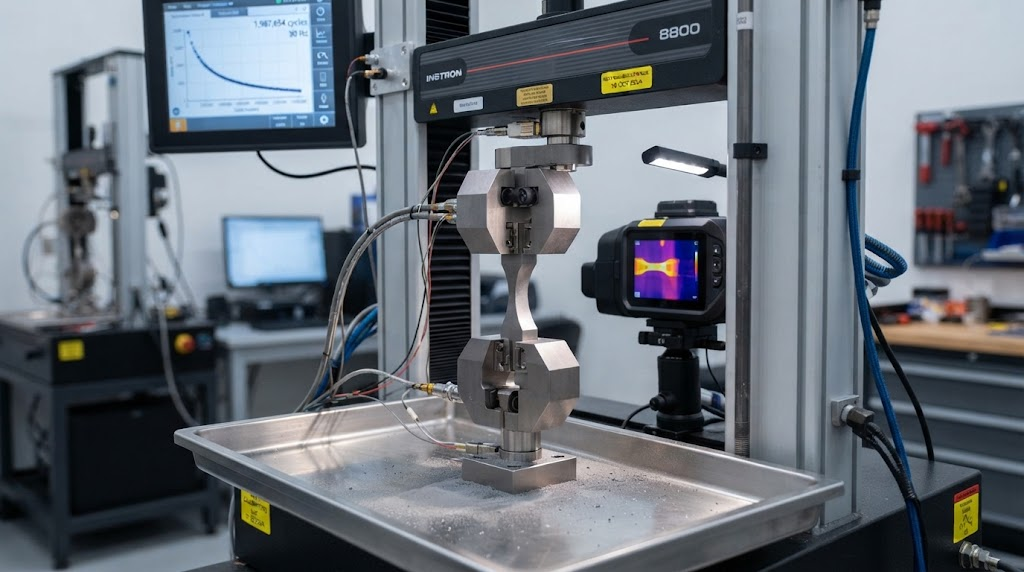
Grade 5 (Ti-6Al-4V) remains the industry standard. Understanding its mechanical limits is the first step in calculating viable feeds and speeds. Based on our data, the high tensile strength of this alloy creates significant resistance at the tool-tip interface.
| Property | Value Range |
|---|---|
| Tensile Strength | 896 - 931 MPa |
| Hardness | ~34 HRC |
| Elastic Modulus | 105 - 120 GPa |
| Thermal Conductivity | 6.7 W/m-K |
Engineers should use these figures as a baseline. For instance, the 34 HRC hardness dictates the use of carbide tooling with high cobalt content or advanced PVD coatings to resist crater wear.
Achieving h7 and h9 Tolerances via Centerless Grinding
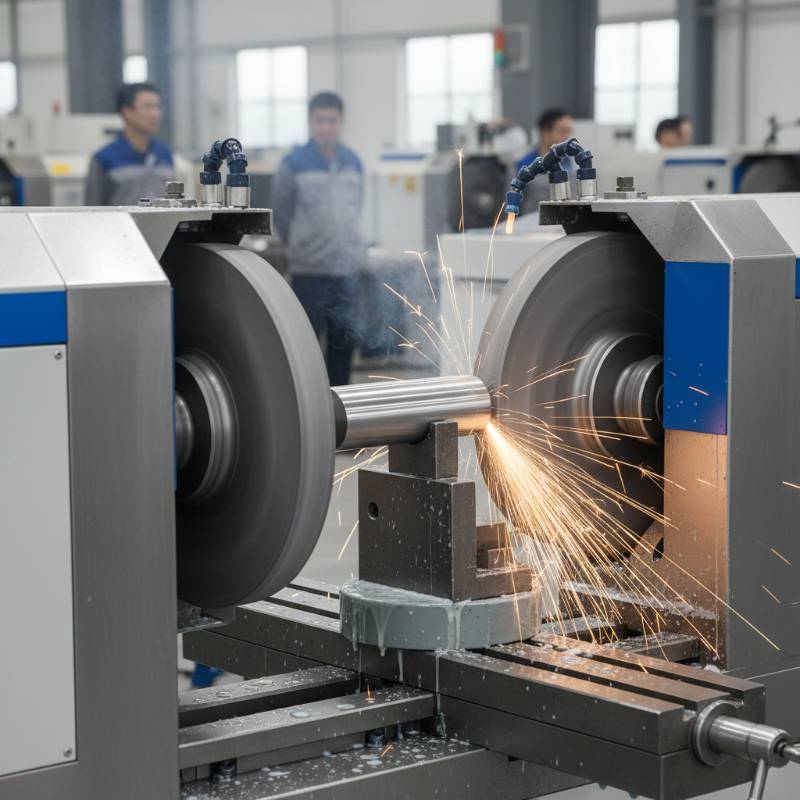
When a client specifies an h7 tolerance titanium rod, they are demanding a level of precision that traditional turning often fails to deliver consistently. We rely on Centerless Grinding to meet these ISO 286-2 standards.
Centerless grinding removes the need for center holes, allowing the bar to be supported by a work-rest blade between a high-speed grinding wheel and a regulating wheel. This setup achieves a pm 0.025mm limit, ensuring the roundness and straightness required for Swiss-style auto-loaders.
For more on international tolerance standards, consult the ISO 286-2 Documentation.
Managing Material Deflection: The Low Elastic Modulus Factor
One of the most counter-intuitive aspects of titanium is its "springiness." With an elastic modulus of 105-120 GPa—roughly half that of steel—titanium round bars tend to deflect away from the cutting tool during engagement.
This deflection causes "rubbing" rather than "cutting," which spikes temperatures and accelerates work hardening. To combat this, we emphasize precise feed rate control. You must maintain a constant chip load to keep the tool buried in the material, preventing it from skidding across the surface.
The Ti-Sync Precision Protocol for Small-Batch Shops
We define the Ti-Sync Precision Protocol as a three-step optimization framework for shops without multi-million dollar high-pressure coolant infrastructures:
Vibration Dampening: Use hydraulic tool holders to absorb the micro-chatter caused by titanium's shear-localized chip formation.
Tool Path Optimization: Implement trochoidal milling patterns for any secondary features on the round bar to minimize tool engagement angles.
Incremental Feed Adjustments: Start at 80% of calculated feed and increase in 5% increments until the "sweet spot" of chip color (silvery-white, not blue) is achieved.
Thermal Management and Sustainable Coolant Strategies
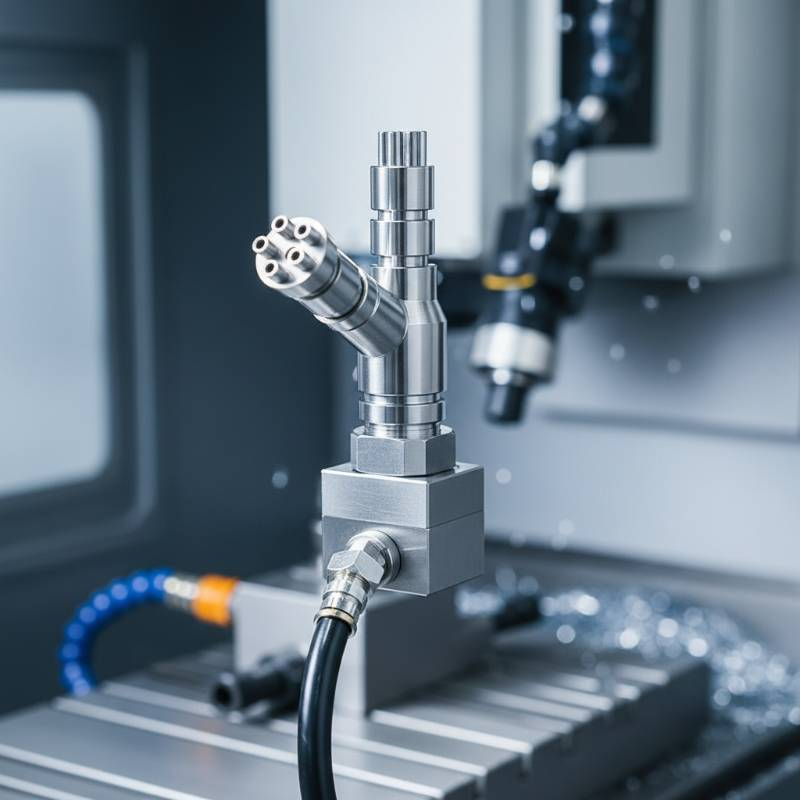
In 2026, thermal management has moved beyond just "flooding" the part. High-pressure coolant (70 bar or higher) is now the baseline for breaking the steam pocket that forms at the cutting zone.
We are seeing a significant shift toward biodegradable ester-based coolants. These offer superior lubricity compared to traditional mineral oils, which is critical for reducing the "sticky" interaction between the titanium chip and the tool flute.
Cost-Benefit Analysis: Tool Wear vs. Production Speed
A common mistake is pushing for maximum SFM (Surface Feet per Minute) to reduce cycle times. In titanium, this often backfires. The cost of a high-performance end mill or grinding wheel often outweighs the savings of a few seconds per part.
We recommend a "Conservative-Steady" approach. Reducing speed by 10% can often increase tool life by 50%, significantly lowering the total cost per part when factoring in machine downtime for tool changes.
AI-Driven Troubleshooting Matrix for Surface Integrity
| Issue | Probable Cause | Corrective Action |
|---|---|---|
| Galling/Smearing | Insufficient Lubricity | Increase coolant concentration or pressure. |
| Chatter Marks | Material Deflection | Reduce overhang; check work-rest blade height. |
| Rapid Flank Wear | Excessive Cutting Speed | Lower RPM; use AlTiN or TiSiN coated tools. |
Sustainability in Titanium Machining: Recycling Chips and Swarf
Titanium is expensive, and the "buy-to-fly" ratio in aerospace is often poor. In 2026, sophisticated shops are implementing closed-loop recycling for titanium chips and swarf.
By keeping titanium chips segregated from other alloys and ensuring they are free of heavy contaminants, shops can reclaim up to 15-20% of their raw material costs through specialized recyclers. This is no longer just an environmental "plus"—it is a financial necessity.
Frequently Asked Questions
What is the difference between h7 and h9 tolerances for titanium bars?
The h7 tolerance is tighter than h9. For a 20mm bar, h7 allows a variance of 0 to -0.021mm, while h9 allows 0 to -0.052mm. Precision applications like medical implants usually demand h7.
Why does titanium "gum up" the grinding wheel?
This is due to titanium's chemical reactivity at high temperatures. The metal literally bonds to the abrasive grains of the wheel (loading), which stops the cutting action and causes burning.
Can I machine Grade 5 titanium without high-pressure coolant?
Yes, but you must significantly reduce your cutting speeds and use sharp, positive-rake geometry tools to minimize heat generation. Tool life will be considerably shorter.
Ready to Optimize Your Titanium Production?
Mastering machining titanium round bars requires the right blend of precision grinding and thermal control. Whether you need h7 tolerances for aerospace or medical-grade surface integrity, our technical frameworks ensure consistent results.
Contact our engineering team today for a technical consultation on your next project.