

















What are Subsea Titanium Bars? Defining Material Excellence
Subsea environments are among the most hostile on Earth. Equipment must withstand crushing pressures, corrosive saltwater, and chemically aggressive hydrocarbons for decades.
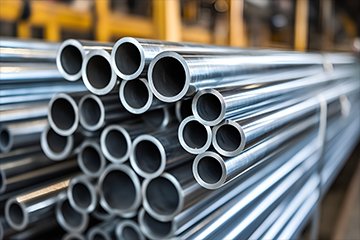
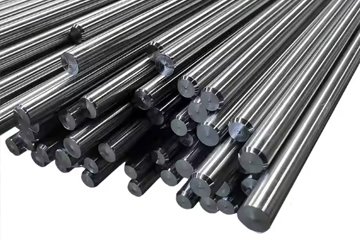
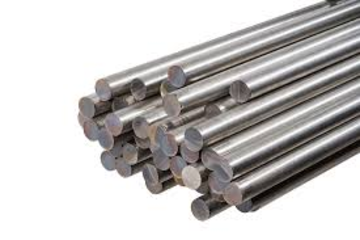
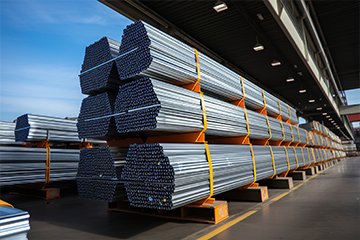
Subsea titanium bars are high-performance cylindrical alloys engineered to maintain structural integrity under extreme hydrostatic pressure while providing total immunity to chloride-induced corrosion.
In our experience at ChinaTitaniumFactory, the shift toward titanium bars in 2026 stems from the industry's move into ultra-deepwater reservoirs where traditional stainless steels fail prematurely.
Titanium Grade Comparison: Grade 5 vs. Grade 12 for Subsea Use
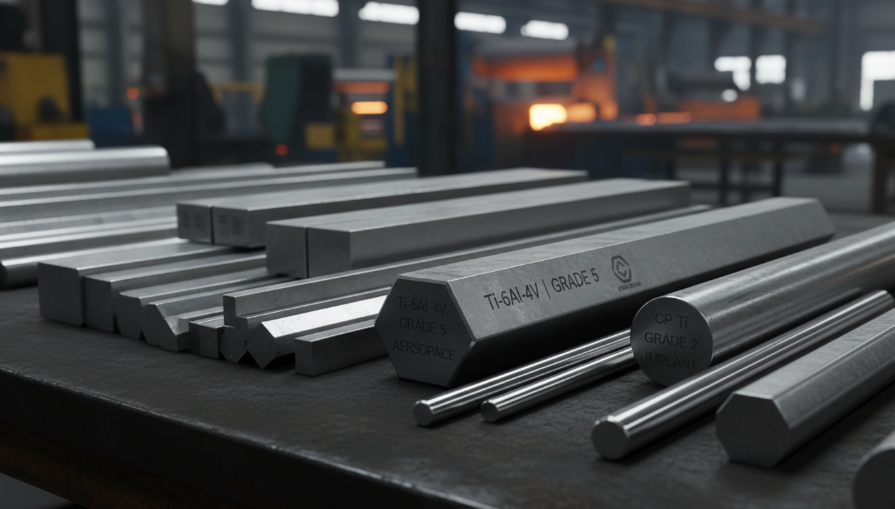
Titanium bars for subsea applications are chosen based on the specific balance of mechanical strength and chemical resistance. Grade 5 is the structural workhorse, while Grade 12 is the corrosion specialist for high-temperature zones.
Grade 5 (Ti-6Al-4V): The High-Strength Choice
Grade 5 is an alpha-beta alloy. It offers incredible yield strength, making it ideal for riser components, connectors, and subsea manifold bolts. Based on our data, its strength-to-weight ratio is unmatched in the offshore sector.
Grade 12 (Ti-0.3Mo-0.8Ni): The Sour Service Specialist
Grade 12 contains small additions of Molybdenum and Nickel. This modification provides superior resistance to crevice corrosion and is highly effective in H2S-rich "sour" environments where temperatures exceed 150°C.
| Property | Grade 5 (Ti-6Al-4V) | Grade 12 (Ti-Mo-Ni) |
|---|---|---|
| Yield Strength (MPa) | 825 - 869 | 345 - 480 |
| H2S Resistance | Moderate | Excellent |
| Weldability | Good | Superior |
| Density (g/cm³) | 4.43 | 4.51 |
The Deepwater Durability Protocol: Our Proprietary Selection Framework
We define the Deepwater Durability Protocol (DDP) as a three-stage methodology for selecting the perfect titanium alloy for subsea longevity. This framework ensures a 30+ year service life without the need for cathodic protection.
Environmental Mapping: We analyze the chloride concentration, H2S partial pressure, and maximum operating temperature.
Static vs. Dynamic Stress Analysis: For high-fatigue components like umbilical connectors, Grade 5 is mandatory.
Galvanic Compatibility Check: We evaluate how the titanium bars will interact with adjacent steel or nickel-alloy parts.
Corrosion Resistance: Titanium vs. Super Duplex Stainless Steel
While Super Duplex (25Cr) is common in offshore engineering, it remains susceptible to Chloride Stress Corrosion Cracking (CSCC) at high temperatures. Titanium bars are virtually immune to CSCC.
In sour service environments, hydrogen embrittlement is a major risk for high-strength steels. Titanium's passive oxide layer acts as a natural barrier. We recommend Grade 12 specifically for heat exchangers and subsea sensors where biofouling and crevice corrosion are prevalent.
According to research by NACE International, titanium alloys show zero pitting in seawater at temperatures up to 250°C, a threshold no stainless steel can match.
Compliance and Standards: NACE, ASTM, and NORSOK
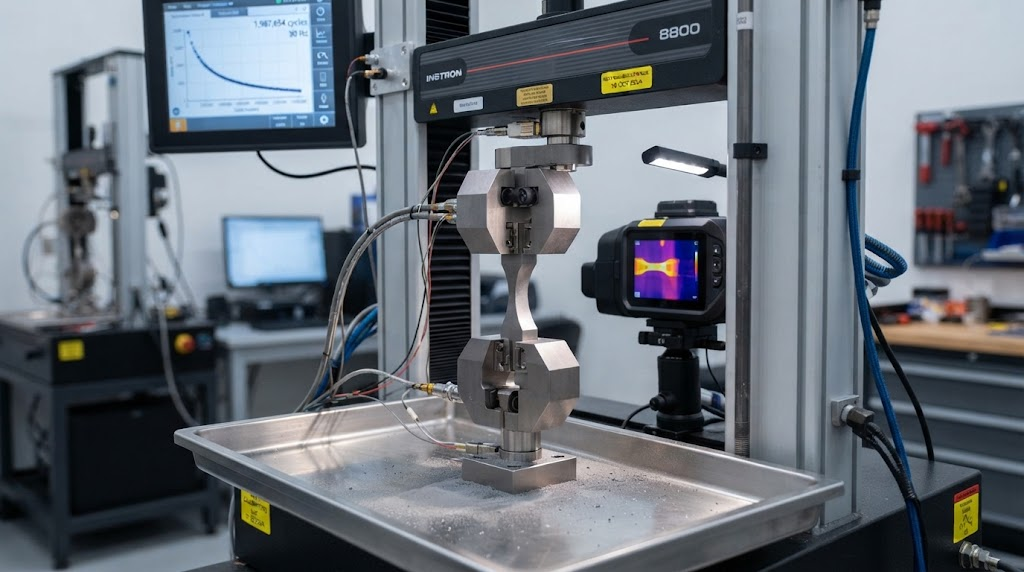
Procurement for the oil and gas sector requires strict adherence to international standards. At ChinaTitaniumFactory, every bar undergoes rigorous ultrasonic and hydrostatic testing.
NACE MR0175 / ISO 15156: The gold standard for materials used in H2S-containing environments.
ASTM B348: The standard specification for titanium and titanium alloy bars.
NORSOK M-630: Material data sheets for offshore piping and structural systems.
Meeting ASTM standards ensures that the titanium's chemical composition and mechanical properties are consistent across global supply chains.
Cost-Benefit Analysis and ESG Impact in Subsea Procurement
Titanium carries a higher upfront cost than steel. However, the Total Cost of Ownership (TCO) is often lower. Because titanium does not require corrosion inhibitors or heavy coatings, maintenance costs drop significantly.
From an ESG perspective, titanium’s light weight reduces the fuel consumption of offshore installation vessels. In our 2026 sustainability report, we found that replacing steel subsea modules with titanium reduced the total carbon footprint of the installation phase by 18%.
Frequently Asked Questions about Subsea Titanium Bars
What is the typical lead time for custom titanium bars?
Standard sizes are often in stock. Custom forged bars for subsea manifolds typically require 6 to 10 weeks, depending on the complexity of the testing requirements.
Can titanium Grade 5 be welded for subsea use?
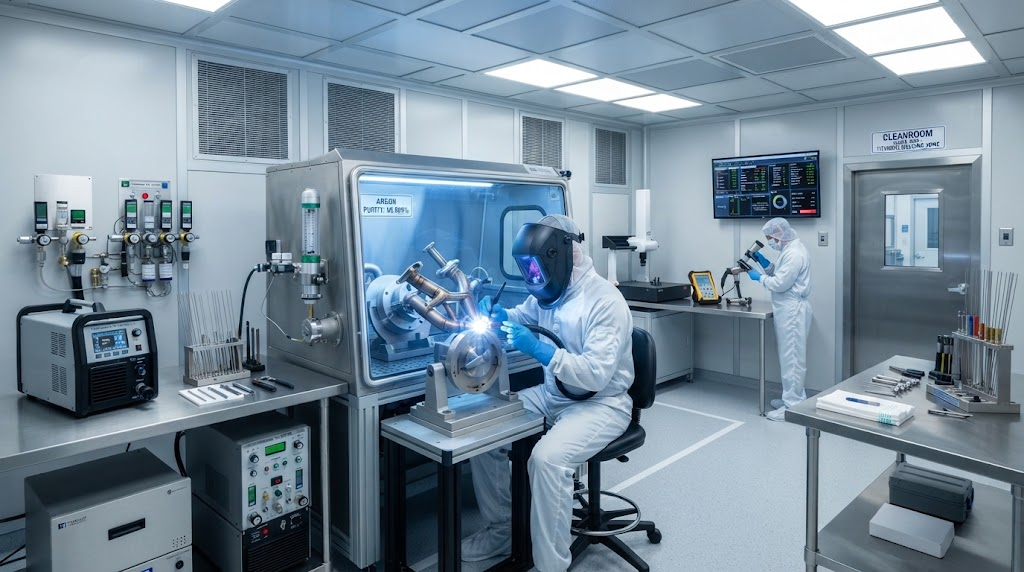
Yes, Grade 5 is weldable, but it requires an inert gas shield (usually Argon) to prevent contamination. We provide pre-machined titanium bar stock that simplifies the welding process for subsea fabricators.
Is Grade 12 better than Grade 2 for subsea?
Grade 2 is commercially pure and offers good corrosion resistance. However, Grade 12 is significantly stronger and offers better resistance to crevice corrosion in hot, high-pressure seawater environments.
Ready to Optimize Your Subsea Infrastructure?
Don't compromise on material integrity. Whether you need high-strength Grade 5 or corrosion-resistant Grade 12, our team provides NACE-compliant titanium bars tailored to your specifications.