




















The Strategic Guide to Titanium Bar Stock Pricing and Procurement
Procuring titanium isn't like buying steel. The market is thinner. The volatility is higher. If you are tracking the titanium bar stock price, you already know that a 10% swing in raw material costs can gut your project's margins. Most buyers make the mistake of looking at the ticker price without accounting for the logistical tail.
At China Titanium Factory, we see procurement managers struggle with "quote shock." One week the price is stable; the next, a shift in aerospace demand sends ripples through the global supply chain. This guide breaks down the mechanics of the market so you can stop reacting and start planning.
Defining Titanium Bar Stock: Grades, Shapes, and Standards
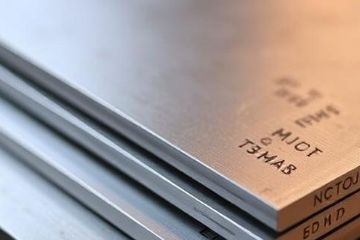
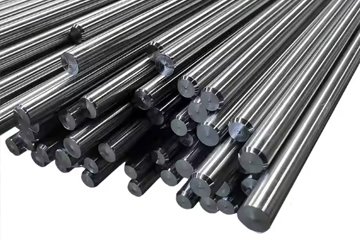
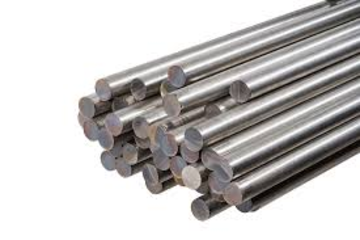
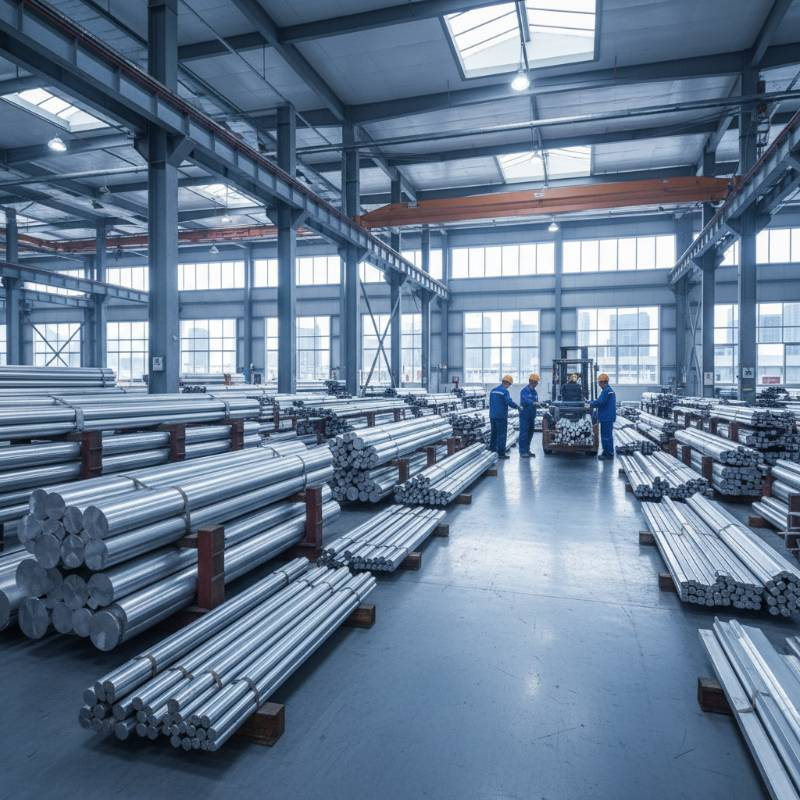
Titanium bar stock comes in various geometries: round, hexagonal, square, and flat. However, the geometry is secondary to the metallurgical standard. In the industrial world, the gold standard is the ASTM B348 specification.
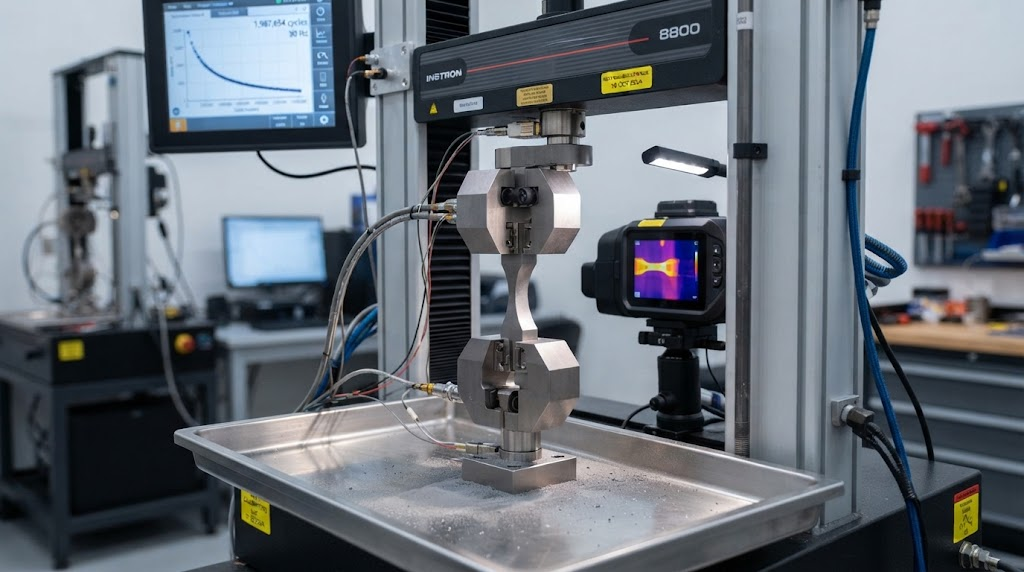
"ASTM B348 covers annealed titanium and titanium alloy bars and billets. It ensures the chemical composition and mechanical properties meet rigorous safety and performance thresholds for industrial use."
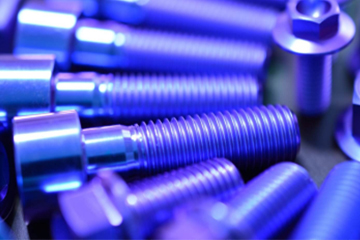
Whether you need a titanium round bar for a marine shaft or a hex bar for specialized fasteners, the pricing will always reflect the complexity of the manufacturing process. Cold-finished bars typically command a premium over hot-rolled alternatives due to their tighter tolerances and superior surface finishes.
Market Dynamics: What Drives Titanium Bar Stock Prices Today?
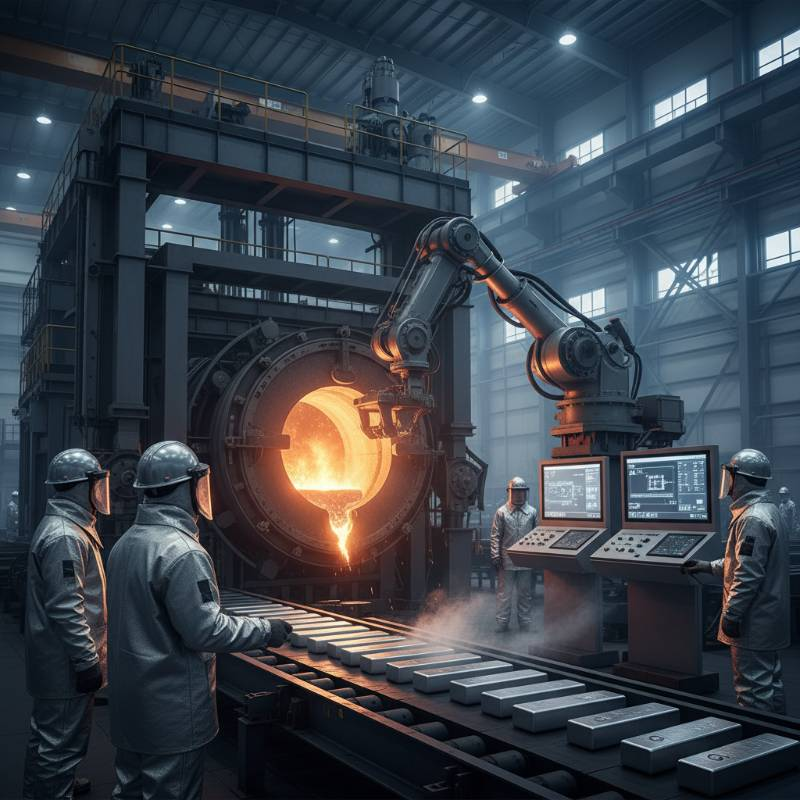
Why does the price change? It isn't random. We track three primary levers. First, the cost of sponge titanium. This is the porous form of titanium created during the Kroll process. According to the USGS Mineral Commodity Summaries, global sponge production is highly concentrated, making it sensitive to geopolitical shifts.
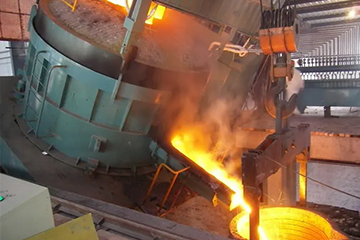
Second, energy costs. Smelting titanium requires immense electrical loads. When energy prices spike in manufacturing hubs, the per-ton price of bar stock follows immediately. Finally, there is the "Aerospace Pull." When major aircraft manufacturers ramp up production, they vacuum up the available supply, leaving other industries to fight over the remaining capacity.
The Titanium Value-Stream Protocol: Our Proprietary Sourcing Framework
At China Titanium Factory, we don't just sell metal; we implement the Titanium Value-Stream Protocol (TVSP). This framework moves the conversation away from "price per kilogram" to "total cost of ownership."
The TVSP focuses on three pillars:
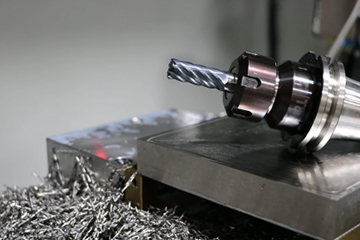
The 80/20 Yield Rule: We define this as the "Golden Rule" of titanium. 80% of your cost is often determined by the 20% of material wasted during machining. We optimize bar diameters to minimize "chips" and maximize "parts."
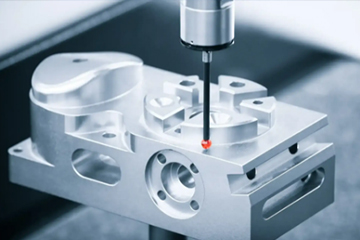
Near-Net Shape Selection: Choosing a bar size closest to your final dimension reduces tool wear and machine time.
Logistical Velocity: Reducing lead times is often more valuable than a $0.50 per pound discount on the material itself.
By applying the TVSP, our clients often see a 15-20% reduction in final component costs, even if the titanium bar stock price remains high.
Technical Comparison: Grade 2 vs. Grade 5 Titanium Properties
Selection dictates price. If you over-spec, you over-pay. Grade 2 is commercially pure (CP) and offers excellent corrosion resistance. Grade 5 (Ti-6Al-4V) is an alloyed workhorse with incredible strength-to-weight ratios.
| Property | Grade 2 (CP) | Grade 5 (Ti-6Al-4V) |
|---|---|---|
| Tensile Strength | 50,000 psi | 130,000 psi |
| Corrosion Resistance | Excellent | Very Good |
| Machinability | Good | Moderate |
| Typical Application | Chemical Processing | Aerospace / Medical |
For high-stress applications, Grade 5 titanium is the standard, but it typically costs 30-50% more than Grade 2 due to the alloying elements like Vanadium and Aluminum.
Industry-Specific Applications and Material Requirements
The application dictates the certification. Aerospace structural components require "flight-ready" certs, often involving ultrasonic testing (UT). This adds to the base price. In contrast, biocompatible medical implants require stringent ELI (Extra Low Interstitial) grades to ensure long-term safety within the human body.
Marine hardware relies on titanium's immunity to seawater. Here, Grade 2 is often sufficient. According to technical data from ASM International, titanium's fatigue life in corrosive environments far exceeds that of stainless steel, justifying the higher initial titanium bar stock price over the lifecycle of the vessel.

Sustainability and the Circular Economy: Maximizing Scrap Value
Titanium is 100% recyclable. Smart buyers don't view turnings and chips as waste; they view them as a rebate. The current scrap value for titanium can fluctuate between 20% and 40% of the virgin material price. Implementing a closed-loop recycling program with your supplier can significantly offset the cost of new titanium bar stock.
We advocate for segregated scrap collection. Keeping Grade 5 turnings separate from Grade 2 ensures you get the highest possible "buy-back" rate. This is a core component of sustainable metal sourcing and a hedge against price volatility.
Frequently Asked Questions About Titanium Pricing
Why is titanium more expensive than stainless steel?
The cost is driven by the extraction process. Unlike iron, titanium reacts with oxygen at high temperatures, requiring the energy-intensive Kroll process in a vacuum or inert gas environment.
Do you offer bulk procurement discounts?
Yes. Economies of scale apply heavily to titanium manufacturing. Ordering in mill-run quantities (typically 500kg+) significantly reduces the per-unit price compared to small batch orders.
What are the typical lead times for titanium bars?
Stock items ship within 3-5 days. Custom diameters or specialized alloys like Grade 7 or Grade 12 may require 4-8 weeks depending on current mill capacity.
Are your materials ISO certified?
Every shipment from China Titanium Factory includes a Material Test Report (MTR) and is produced in ISO certified facilities to ensure full traceability and compliance with ASTM standards.
Lock In Your Titanium Pricing Today
Stop guessing on costs. Get a precise, transparent quote based on the Titanium Value-Stream Protocol.
Request an Instant Quote