



















Introduction to Alpha-Beta Titanium Alloys
Alpha-beta titanium alloys represent the most versatile class of titanium materials. They currently account for over 50% of the global titanium market share.
These alloys utilize a dual-phase microstructure. They combine alpha stabilizers (like Aluminum) to increase strength and beta stabilizers (like Vanadium or Molybdenum) to improve ductility and heat-treatability.
By balancing these phases, engineers can achieve a high strength-to-weight ratio. This makes them indispensable for modern aerospace and medical engineering projects in 2026.
Chemical Composition and Phase Distribution
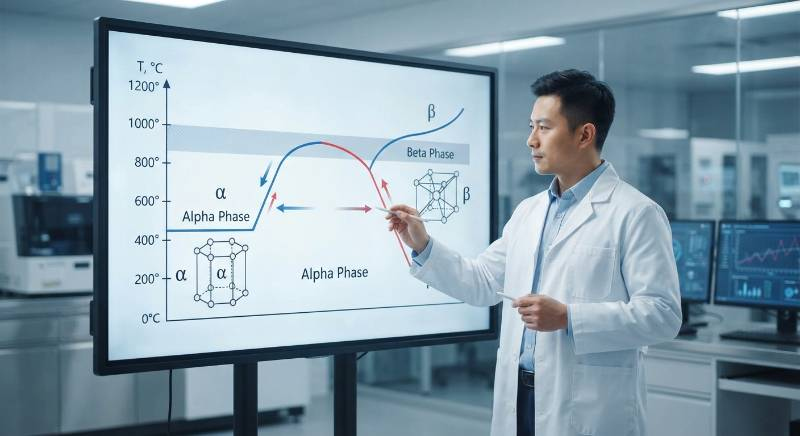
Alpha-beta titanium alloys achieve their superior properties through a mixture of Hexagonal Close-Packed (HCP) alpha phases and Body-Centered Cubic (BCC) beta phases. The ratio of these phases is determined by the "Beta Transus" temperature.
The chemical composition dictates how the alloy responds to heat. For example, Grade 5 (Ti-6Al-4V) uses 6% Aluminum to stabilize the alpha phase and 4% Vanadium to stabilize the beta phase.
| Grade | Al (Alpha) | V (Beta) | Fe (Max) | O (Max) |
|---|---|---|---|---|
| Grade 5 (Ti6Al4V) | 5.5 - 6.75 | 3.5 - 4.5 | 0.40 | 0.20 |
| Grade 23 (ELI) | 5.5 - 6.5 | 3.5 - 4.5 | 0.25 | 0.13 |
| Grade 7 (+Pd) | N/A | N/A | 0.30 | 0.25 |
Lower levels of interstitial elements like Oxygen and Iron in Grade 23 (ELI) significantly improve fracture toughness. This is critical for cryogenic and medical applications.
Mechanical and Physical Performance Benchmarks
The mechanical performance of alpha-beta alloys depends heavily on the morphology of the phases. An equiaxed microstructure provides high fatigue strength. In contrast, a lamellar or Widmanstätten pattern offers better fracture toughness and creep resistance.
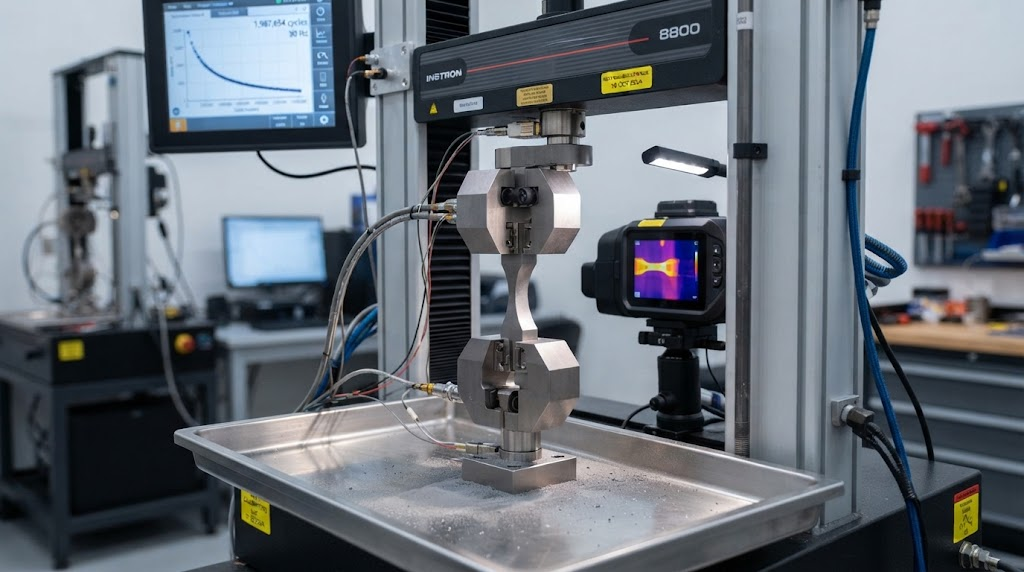
Tensile strength for standard Grade 5 typically exceeds 895 MPa (130 ksi). This is accompanied by a density of approximately 4.43 g/cm³, which is 45% lighter than steel with comparable strength.
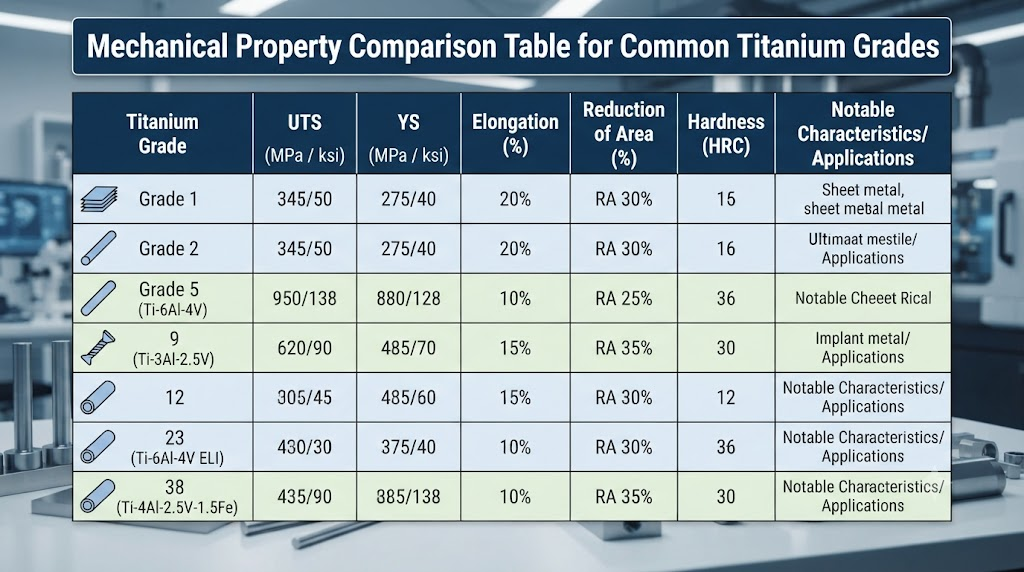
In our manufacturing experience, maintaining high fatigue life requires minimizing the "alpha case"—a hard, brittle oxygen-enriched surface layer. We verify this through microscopic inspection and hardness testing.
The China Titanium Phase-Control Protocol
To ensure absolute microstructural uniformity, we utilize our proprietary China Titanium Phase-Control Protocol. This framework governs every step of the thermomechanical processing (TMP) to prevent phase segregation.
Our protocol involves three distinct stages:
Precision Heating: Controlling the furnace atmosphere to limit interstitial absorption.
Dynamic Deformation: Applying specific strain rates during forging to break down coarse grains.
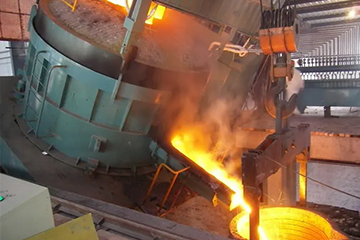
Isothermal Cooling: Utilizing controlled cooling rates to achieve the desired alpha-beta phase ratio.
This methodology ensures that every Titanium Forging we produce maintains isotropic properties across all axes.
Industry Standards: ASTM, AMS, and ISO Compliance
Quality assurance is the foundation of alpha-beta alloy utilization. We adhere strictly to global regulatory frameworks to ensure material traceability and reliability.
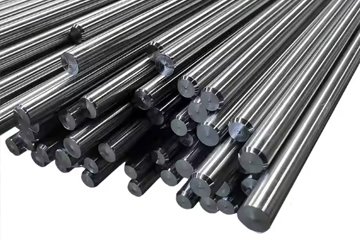
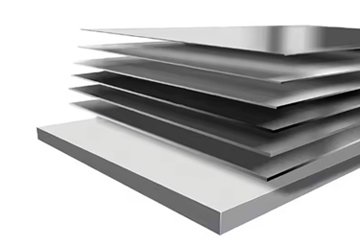
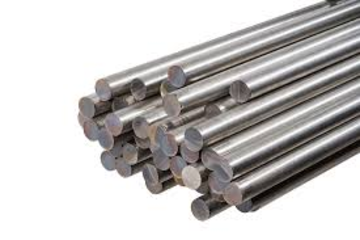
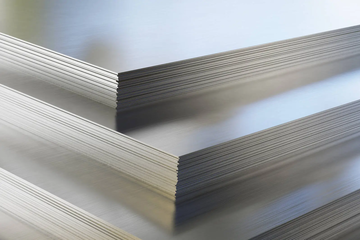
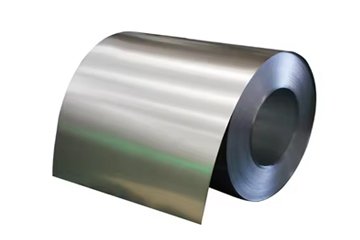
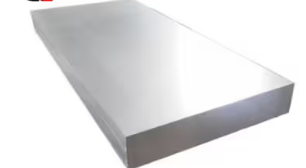
Our products comply with ASTM B265 for strips and plates, and AMS 4911 for aerospace materials.
"Precise phase control isn't just a metric; it's the DNA of performance in high-stress environments. Without rigorous adherence to AMS 4911, the risk of fatigue failure in turbine components increases exponentially." — Chief Metallurgist, China Titanium Factory
Every shipment includes Mill Test Certificates (MTC) and, upon request, third-party SGS or Bureau Veritas inspection reports to verify chemical and mechanical compliance.
Comparative Analysis: Alpha-Beta vs. Other Titanium Grades
Choosing the right material involves weighing strength against ductility and corrosion resistance. While Commercially Pure (CP) grades like Grade 2 offer superior corrosion resistance, they lack the mechanical strength of alpha-beta alloys.
Compared to near-beta alloys, alpha-beta grades like Titanium Grade 5 (Ti-6Al-4V) Products are easier to weld and maintain better stability at elevated temperatures up to 400°C (750°F).
For chemical processing where both strength and extreme acid resistance are required, Grade 7 (alpha-beta with Palladium) is the preferred choice, though it carries a higher cost premium.
Industrial Applications and Case Studies
The unique microstructure of these alloys enables their use in the most demanding environments on Earth and beyond.
Aerospace: Turbine blades, compressor discs, and structural airframe components.
Medical: Orthopedic implants and dental fixtures, utilizing the biocompatibility of Grade 23 ELI.
Marine: Subsea valves and high-pressure housings where seawater corrosion is a factor.
Case Study: In a recent 2026 marine engineering project, replacing duplex stainless steel with Ti-6Al-4V for deep-sea sensor housings reduced assembly weight by 42% while extending service life from 5 to 15 years.
Fabrication Insights: Machining and Welding
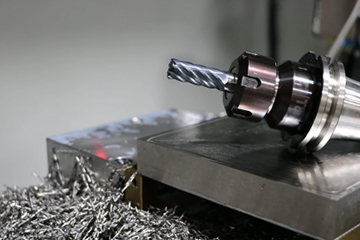
Alpha-beta alloys are notoriously difficult to machine due to their low thermal conductivity. Heat tends to concentrate at the tool cutting edge, leading to rapid tool wear.
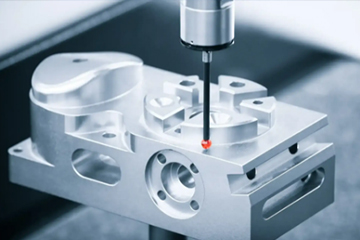
Our Precision CNC Machining Services utilize high-pressure coolant systems and specialized carbide tooling to maintain surface integrity.
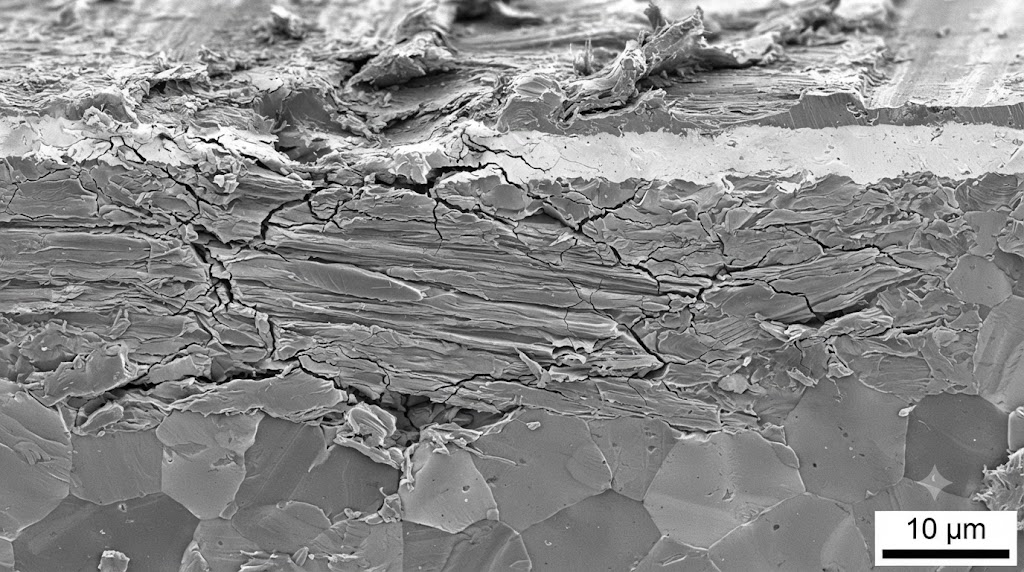
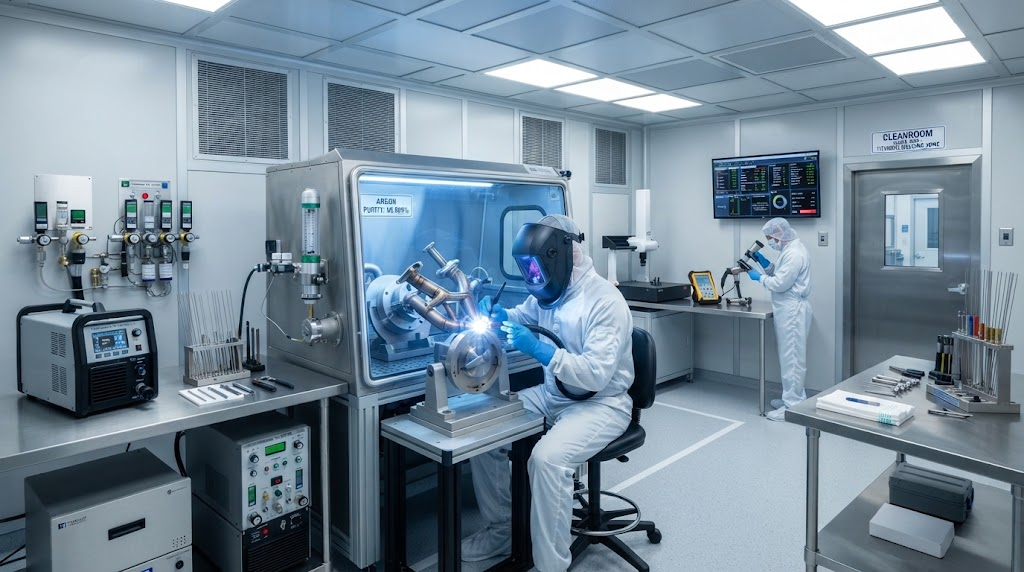
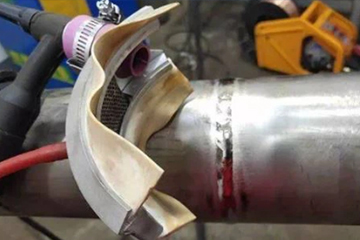
When welding, Argon shielding is mandatory. Any contamination from Oxygen or Nitrogen will embrittle the Heat Affected Zone (HAZ). We recommend TIG (GTAW) or Electron Beam Welding (EBW) for critical structural joints.
Frequently Asked Questions
What is the most common heat treatment for alpha-beta alloys?
The most common is Mill Annealing, which provides a balance of properties. For maximum strength, Solution Treating and Aging (STA) is used to precipitate fine alpha particles within the beta phase.
Can Grade 5 titanium be used in medical implants?
While Grade 5 is used, Grade 23 (ELI) is typically preferred. Grade 23 has lower oxygen content, which provides better ductility and fracture toughness, essential for long-term implants.
How does temperature affect performance?
Alpha-beta alloys maintain excellent properties at cryogenic temperatures. However, their strength begins to drop significantly above 400°C (750°F) as the beta phase softens.
Ready to Optimize Your Titanium Supply Chain?
Partner with China Titanium Factory for ISO 9001:2015 certified alpha-beta alloys tailored to your exact specifications.
Request a Custom QuoteOr contact our engineering team for a technical consultation.