


















Defining the Standards: Industrial vs. Surgical Titanium
The distinction between ASTM F136 and ASTM B348 Grade 23 is often blurred by procurement teams focusing solely on the "Ti-6Al-4V ELI" label. However, in the high-stakes world of medical manufacturing, these standards serve entirely different masters.
ASTM B348 Grade 23 cannot be used for surgical implants because it lacks the specialized testing and purity controls mandated by ASTM F136. While both utilize the Ti-6Al-4V ELI alloy, ASTM F136 is a "Surgical Implant Grade" specification that focuses on long-term biocompatibility and fatigue resistance within the human body.
ASTM F136: The standard specification for wrought Titanium-6Aluminum-4Vanadium ELI (Extra Low Interstitial) Alloy for surgical implant applications.
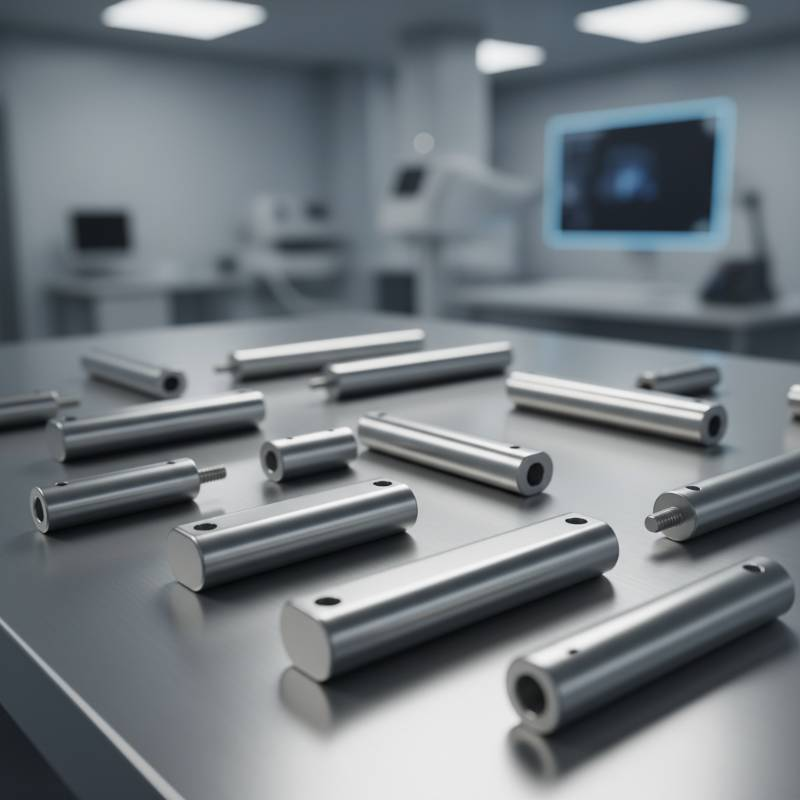
At ChinaTitaniumFactory, we recognize that precision engineering requires the strictest adherence to material science, whether in advanced industrial solutions or medical-grade components.
Chemical Composition and the ELI (Extra Low Interstitial) Advantage
The term "ELI" stands for Extra Low Interstitial. These interstitial elements—oxygen, nitrogen, hydrogen, and carbon—sit between the metal atoms in the crystal lattice.
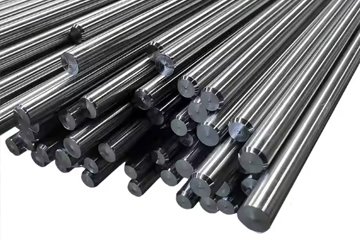
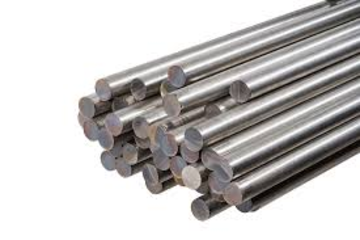
In our technical assessments, we find that ASTM F136 titanium bar production requires tighter control over these elements than standard industrial titanium. Reducing oxygen and iron content significantly improves the material's ductility and fracture toughness.
High oxygen levels in titanium increase strength but make the metal brittle. For a permanent implant, such as a hip stem or dental post, brittleness is a recipe for failure. ASTM F136 limits oxygen to a maximum of 0.13%, ensuring the metal can withstand the cyclic loading of human movement without cracking.
Can I Use ASTM B348 Grade 23 for Human Body Contact?
The short answer is: No.
If the application involves human implants or high-end body jewelry, ASTM B348 Grade 23 is not a legal or safe substitute. For any material to be deemed "biocompatible," it must undergo specific surface and structural audits that ASTM B348 simply does not require.
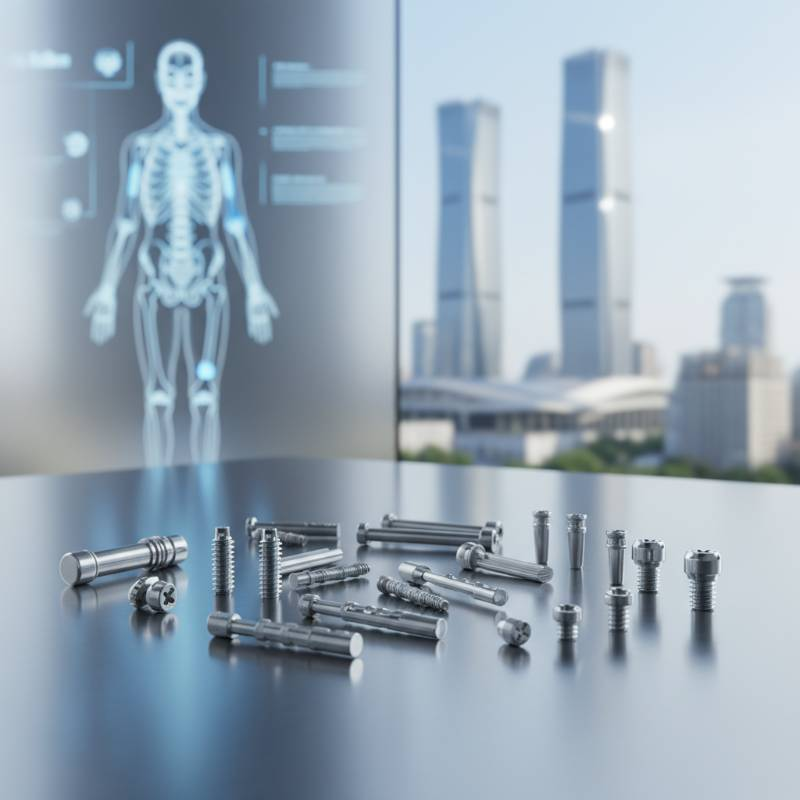
Using non-certified materials for body contact can lead to metallosis, immune rejection, or mechanical failure. Manufacturers must utilize materials certified to ISO 5832-3 or ASTM F136 to ensure the bio-inertness required for 2026 regulatory standards.
The Bio-Compliance Verification Protocol (BCVP)
To ensure total safety in medical procurement, we have developed the Bio-Compliance Verification Protocol (BCVP). This framework goes beyond the mill test report (MTR) to verify the pedigree of the titanium.
Chemical Analysis (ELI check): Confirming interstitial elements are below the F136 thresholds, not just the broader B348 limits.
Microstructure Evaluation: Verifying an alpha-beta structure with a fine, equiaxed grain size to prevent stress corrosion.
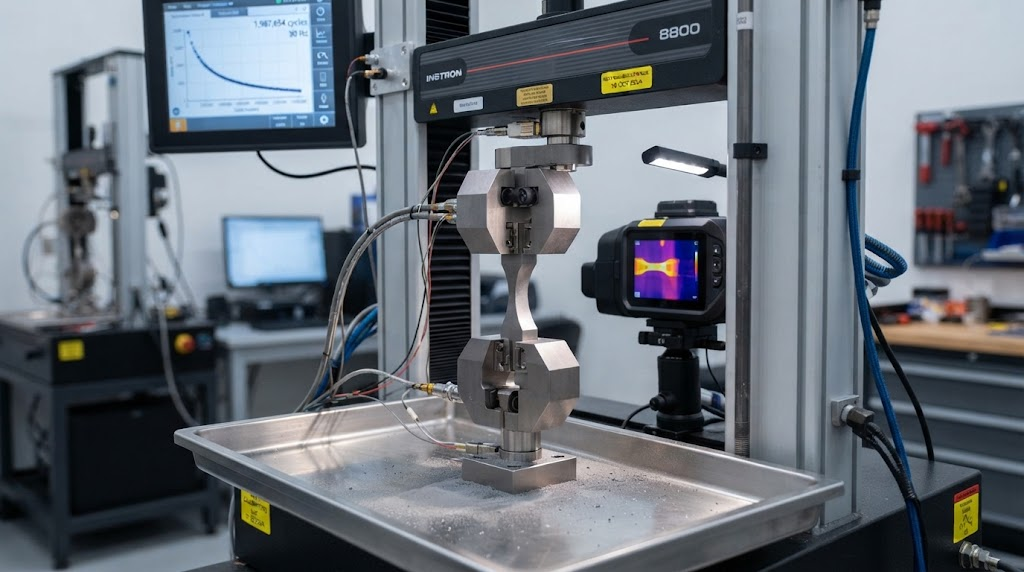
Mechanical Property Testing: Validating that the tensile and yield strength meet the specific "annealed" requirements of surgical grades.
Certification Audit: Ensuring the material has been processed in a facility compliant with ISO 13485 quality standards.
By following the BCVP, engineers at ChinaTitaniumFactory, ensure that every component meets the rigorous demands of precision manufacturing.
Microstructure and Mechanical Requirements for Implants
ASTM F136 is not just about chemistry; it’s about the "recipe" of the metal. The standard mandates specific microstructure requirements that ASTM B348 ignores.
For surgical implant grade titanium, the microstructure must be free of alpha-case (a brittle surface layer) and must exhibit a uniform distribution of alpha and beta phases. This is critical because an inconsistent microstructure creates "weak spots" where cracks can initiate.
In 2026, ultrasonic testing has become a baseline requirement for F136 bars to detect internal voids. While industrial Grade 23 might look identical under a macro lens, its internal grain structure may be too coarse for the delicate machining required for orthopedic screws or spinal cages.
Regulatory Alignment: FDA and ISO 5832-3 Compliance
If you are pursuing an FDA 510(k) submission or a CE mark under the MDR (Medical Device Regulation), your material choice is the first thing auditors check. The FDA specifically references ASTM F136 as a recognized consensus standard.
ASTM B348 is generally rejected for implantable devices because it does not provide the same level of traceability. Furthermore, ASTM F136 is harmonized with ISO 5832-3, the international benchmark for metallic surgical implants. This alignment allows manufacturers to sell their devices globally without re-testing the raw material for different regions.
Side-by-Side Comparison: ASTM F136 vs. ASTM B348
| Feature | ASTM F136 (Surgical) | ASTM B348 Grade 23 (Industrial) |
|---|---|---|
| Primary Use | Surgical Implants, Medical Devices | Aerospace, Marine, Chemical Processing |
| Max Oxygen (O) | 0.13% | 0.13% (often higher in practice) |
| Max Iron (Fe) | 0.25% | 0.25% |
| Microstructure | Strictly mandated grain size & phase | Not specified for medical use |
| Biocompatibility | Certified for long-term body contact | Not certified |
Frequently Asked Questions
Is ASTM F136 more expensive than Grade 23?
Yes. The increased cost of ASTM F136 reflects the additional processing, rigorous microstructure testing, and the liability insurance required for medical-grade materials. In 2026, the price delta typically ranges from 15% to 30% depending on the bar diameter.
Can I "upgrade" ASTM B348 to ASTM F136?
Generally, no. Unless the original heat of the metal was melted and processed to meet F136 standards from the start, a simple re-test is usually insufficient for FDA compliance. The processing history (thermal mechanical treatment) is as important as the chemistry.
Is ASTM F136 the same as Ti-6Al-4V ELI?
Ti-6Al-4V ELI is the alloy chemistry. ASTM F136 is the specification that dictates how that chemistry must be controlled and tested for medical use. All F136 is Ti-6Al-4V ELI, but not all Ti-6Al-4V ELI is ASTM F136.