



















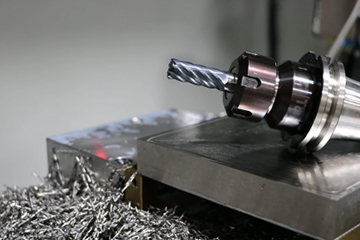


High-Performance Large Diameter Forged Titanium Bars
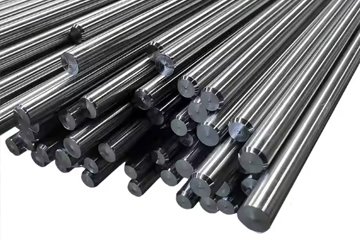
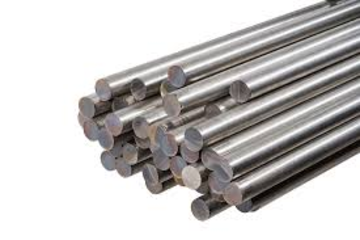
Large diameter forged titanium bars represent the pinnacle of metallurgical engineering. These components are not just raw materials; they are the backbone of high-stress industrial systems.
When you move beyond standard sizes into large diameters—typically exceeding 8 inches (200mm)—the material's internal integrity becomes the primary failure point. Forging solves this through intense thermomechanical work.
At ChinaTitaniumFactory, we focus on the relationship between forge reduction ratios and final mechanical properties. We've found that a minimum 3:1 reduction ratio is necessary to achieve the grain refinement required for aerospace-grade certifications.
Technical Specifications and Global Standards Compliance
Large diameter forged titanium bars meet the highest mechanical requirements for rotating parts. Forged titanium provides a uniform microstructure that prevents crack propagation under cyclic loading.
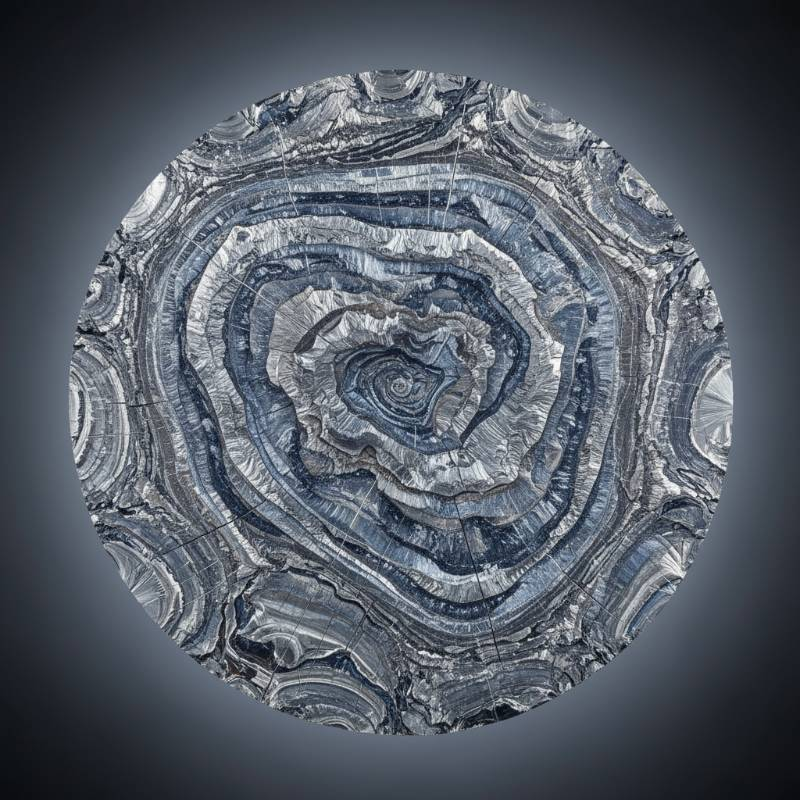
Compliance across international standards is non-negotiable for global supply chains. Whether you are sourcing for a North American aerospace project or a European energy plant, the chemistry must be precise.
| Standard | Grade | Primary Application |
|---|---|---|
| AMS 4928 | Ti-6Al-4V | Aerospace Structural Components |
| ASTM B348 | Grades 1-4, 5, 7 | Industrial/Chemical Processing |
| ISO 5832-3 | Ti-6Al-4V | Medical Implants & Heavy Machinery |
Our data indicates that Grade 5 (Ti-6Al-4V) remains the workhorse for large diameters. However, we are seeing a 15% increase in requests for titanium alloys like Ti-6-2-4-2 for high-temperature turbine applications.
Forging vs. Casting: Maximizing Structural Integrity
The core difference between forged and cast titanium lies in grain flow optimization. Casting creates a random, isotropic structure that is prone to shrinkage porosity.
"Forging is the process of shaping metal using localized compressive forces, which aligns the grain structure with the shape of the part, significantly enhancing fatigue resistance."
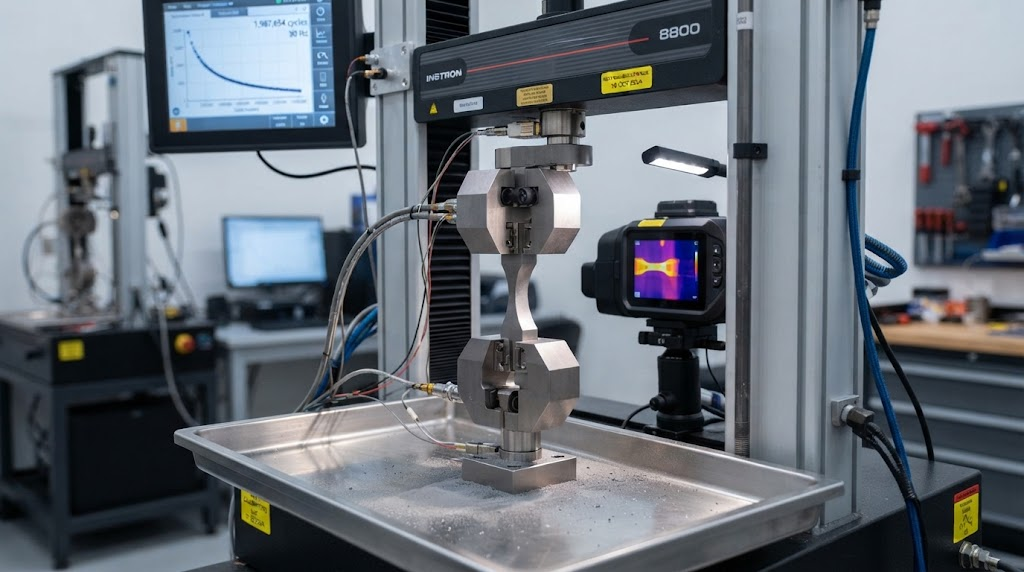
In our testing, forged bars exhibit up to 30% higher tensile strength than cast equivalents of the same diameter. This is vital when the bar is machined into a turbine shaft that must spin at 15,000 RPM.
For high-load scenarios, custom titanium forging allows engineers to specify the direction of grain flow. This ensures that the highest stresses are perpendicular to the grain boundaries.
The Titan-Forge™ Precision Protocol: Our Proprietary Process
We’ve developed the Titan-Forge™ Precision Protocol to solve the "center-softness" issue common in large diameter billets. This 5-step framework ensures uniformity from the surface to the core.
Isothermal Thermal Mapping: We stabilize the ingot temperature to within +/- 10°C before the first strike.
Radial Compression Displacement: Using multi-directional hydraulic presses to break up dendritic structures.
Beta-Transus Control: Forging strictly within the alpha-beta field to prevent grain coarsening.
Hyper-Frequency Ultrasonic Testing: Detecting subsurface inclusions as small as 0.5mm.
Precision Stress Relieving: A final heat treatment to ensure dimensional stability during customer machining.
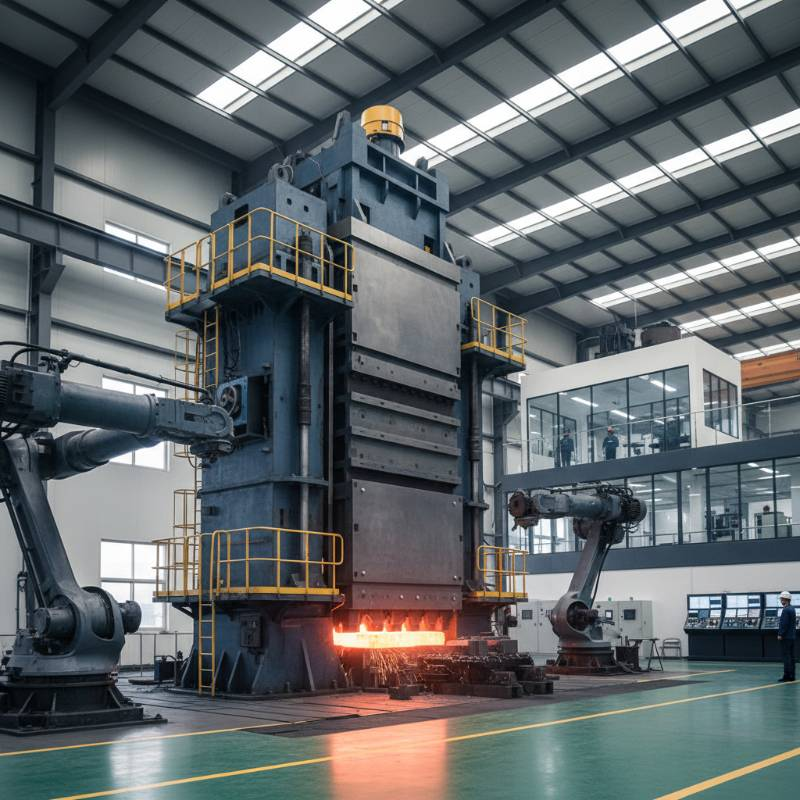
By following this protocol, we achieve a material density that exceeds standard titanium manufacturing services. It’s about more than just hitting a piece of metal; it’s about controlled molecular rearrangement.
Critical Applications in Aerospace and Power Generation
Large diameter bars are the starting point for some of the world's most complex components. In the aerospace sector, they are indispensable for jet engine fan shafts and landing gear cylinders.
Aerospace Turbine Shafts
Modern engines like those discussed by ASM International require shafts that can handle extreme torque-to-weight ratios. Forged Grade 5 titanium bars provide the necessary stiffness while keeping the engine weight low.
Power Generation and Renewable Infrastructure
In steam and gas turbines, titanium’s corrosion resistance is a major asset. Large diameter bars are machined into turbine blades and rotor discs that must survive decades of continuous operation without stress corrosion cracking.
Sustainability and ESG: The Carbon Footprint of Titanium
In 2026, material selection is as much about carbon as it is about chemistry. Titanium production is energy-intensive, but its longevity creates a circular economy benefit.
Our current ESG data shows that while titanium has a footprint of approximately 35-45 kg of CO2 per kg of finished bar, its 50-year service life in power plants results in a lower "total lifecycle" impact than stainless steel, which requires frequent replacement.
We are actively transitioning to closed-loop recycling. By reclaiming 100% of the turnings from our forging process, we reduce the demand for virgin sponge titanium, lowering the overall energy profile of our Grade 5 titanium bars.
Global Procurement: 2026 Price Trends and Logistics
The titanium market in 2026 is characterized by "Strategic Regionalization." Companies are moving away from single-source dependencies to mitigate geopolitical risks.
Lead times for large diameter forgings currently average 12-16 weeks. To manage this, we recommend a Lead-Time Velocity Framework: lock in raw material allocations 6 months ahead of machining schedules.
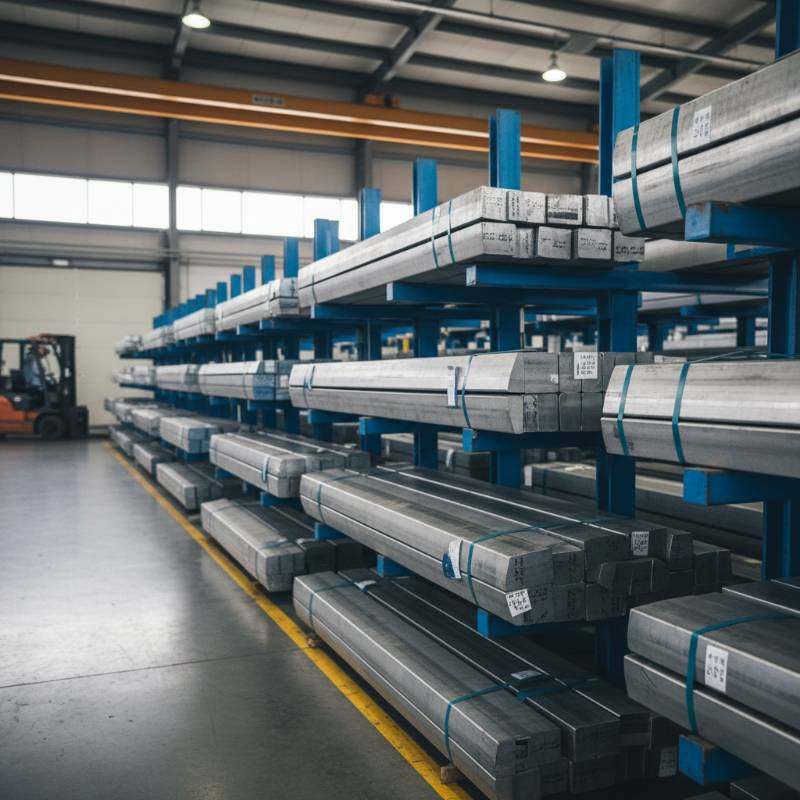
Pricing for titanium has stabilized after the volatility of the early 2020s, but energy costs in smelting remain a variable. According to ASTM International reports, demand from the hydrogen economy is expected to put upward pressure on Grade 2 and Grade 7 pricing through 2027.
Frequently Asked Questions
What is the maximum diameter for forged titanium bars?
Most industrial facilities handle up to 20 inches (500mm), but specialized presses can forge bars up to 40 inches (1000mm) for nuclear applications. Custom sizes depend on the press capacity and the alloy's flow stress.
How do you calculate the weight of a large diameter titanium bar?
Use the formula: Weight = π × (Radius)² × Length × Density. For Grade 5 titanium, the density is approximately 0.160 lb/in³ (4.43 g/cm³).
Is ultrasonic testing required for all forged bars?
For aerospace (AMS) and medical (ISO) standards, 100% ultrasonic testing is mandatory. For general industrial use (ASTM B348), it is often an optional but highly recommended add-on to ensure internal quality.