





















Protecting Your Investment: The Definitive Guide to Boat Anodes for 30-Foot Boats
Your boat is a battleground. Every second it sits in the water, a silent chemical war rages against your hull, propellers, and engine components. For owners of mid-sized vessels, choosing the right boat anodes for 30-foot boat isn't just a maintenance task—it's a critical preservation strategy. While a small skiff might get by with a single "zinc," a 30-foot cruiser features complex electrical systems and multiple underwater metals that require a sophisticated approach to cathodic protection.
What is a Marine Anode? Understanding Your Boat's "Sacrificial Lamb"
"A sacrificial anode is a highly active metal used to prevent a less active material from corroding through a process called cathodic protection."
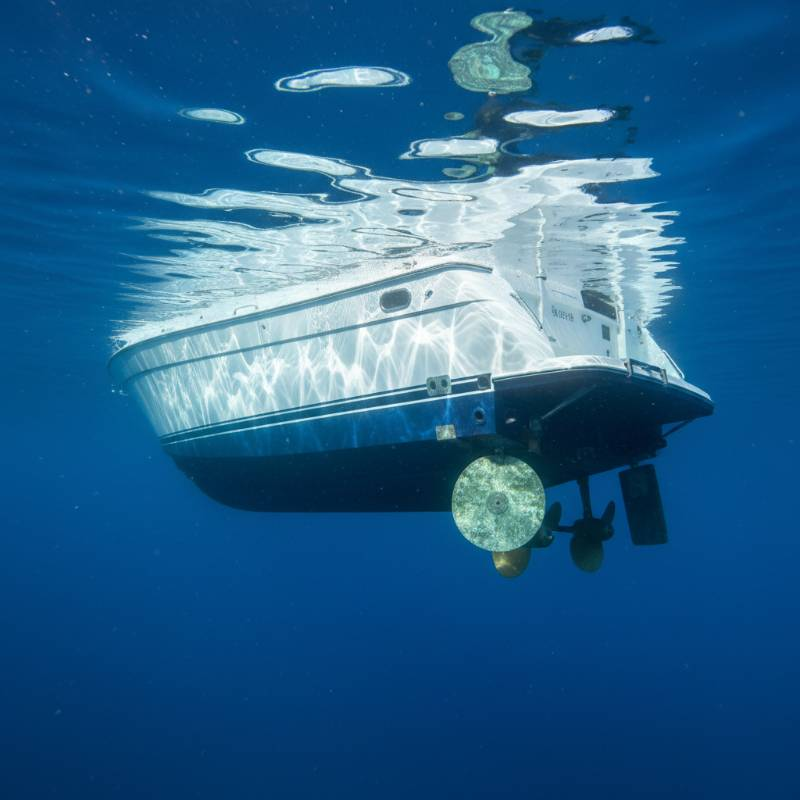
In the world of marine engineering, we call them sacrificial lambs. Why? Because these blocks of metal literally die so your boat can live. When two different metals are submerged in saltwater (an electrolyte), they create a weak battery. The "noble" metal (like your stainless steel prop) survives by drawing electrons from the "less noble" metal (the anode). At China Titanium Factory, we define effective protection as the ability to maintain a specific voltage potential across the entire wetted surface of the vessel.
Zinc, Aluminum, or Magnesium? Selecting the Right Metal for Your Waterway
Choosing the wrong material is like using the wrong fuel; it simply won't work. The salinity of your water dictates your metal choice. According to NACE International, the electrochemical capacity of aluminum is significantly higher than zinc, making it the modern standard for many boaters.
| Material | Best For | Pros |
|---|---|---|
| Zinc | Saltwater | Traditional, reliable in high salinity. |
| Aluminum | Salt & Brackish | Lighter, longer-lasting, eco-friendly. |
| Magnesium | Freshwater Only | High voltage for low-conductivity water. |
Using aluminum anodes in saltwater is often more cost-effective than zinc because aluminum remains active even if the boat is moved into brackish water, where zinc might "passivate" and stop working.
The 30-Foot Shield Protocol: Our Proprietary Method for Total Hull Protection
At China Titanium Factory, we’ve developed the 30-Foot Shield Protocol. This is a three-step framework to determine exactly how much protection your vessel needs. Don't guess; calculate.
The Surface Assessment: Calculate the wetted surface area of all submerged metals (propellers, shafts, struts).
The Electrolysis Zone Audit: Identify "hot" areas, such as marinas with stray current issues or boats with shore power connections.
The 2:1 Surface Ratio: Our Golden Rule states that for every square inch of submerged stainless steel, you need a minimum of two square inches of anode surface area to ensure a multi-season lifespan.
For most 30-foot boats, this protocol results in a requirement of 5 to 9 anodes. This includes specific protection for the engine's heat exchanger through specialized marine anodes.
Anode Mapping: Where to Place Protection on a 30-Foot Cruiser
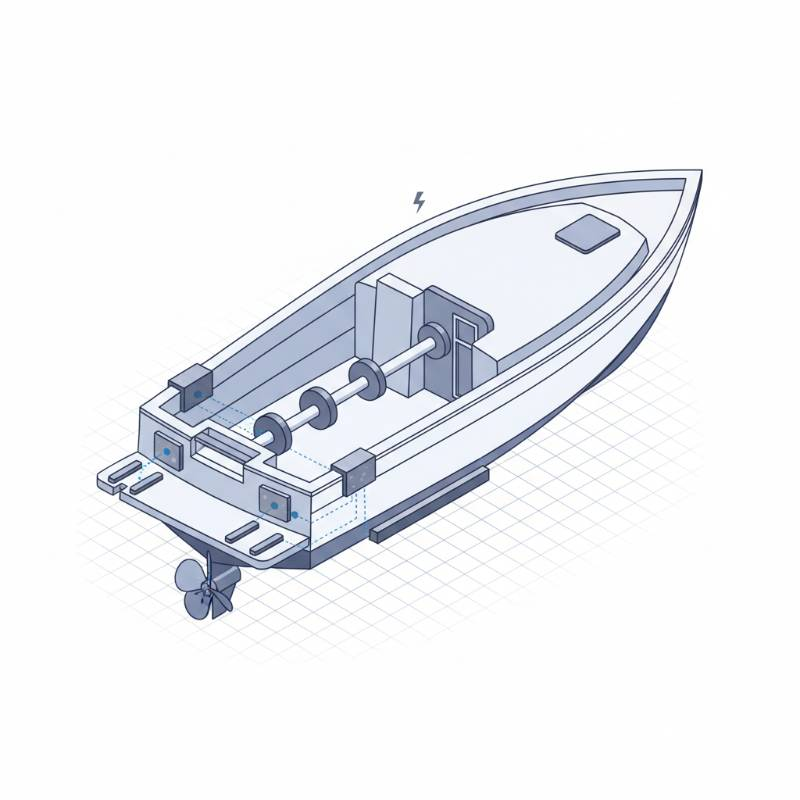
Placement is everything. If the anode isn't "visible" to the metal it's protecting via a clear electrical path, it’s just a paperweight. On a 30-foot boat, you need a multi-point defense system.
Propeller Shafts: Usually two "donut" anodes per shaft.
Rudders: One disc anode on each side of the rudder blade.
Trim Tabs: Large flat anodes on the top surface of each tab.
Transom: A large "plate" anode connected to the boat’s internal bonding system.
Engine: Pencil anodes inside the raw water cooling loop.
Maintenance and Replacement: When to Swap Your Sacrificial Metals
The biggest mistake boaters make? Waiting until the anode is gone. If the anode is gone, your propeller is next. We follow the 50% Rule: replace your anodes the moment they have lost half their original mass. For a 30-foot boat in high-activity marinas, this usually happens every 6 to 12 months.
Ensure a "metal-to-metal" connection. Clean the mounting surface with a wire brush before installing new zinc anodes. Any paint, grease, or marine growth between the anode and the boat will break the circuit, rendering the protection useless.
The Economics of Corrosion: Long-Term Cost Analysis
Let's talk numbers. A full set of aluminum anodes for a 30-foot cruiser might cost $150. A pair of new Nibral propellers for that same boat? $4,000+. The ROI on cathodic protection is astronomical. Over a five-year period, switching to high-performance aluminum from China Titanium Factory can save an owner roughly 30% in material costs while providing superior protection in varying water conditions.

Frequently Asked Questions About 30-Foot Boat Anodes
How many anodes does a 30-foot boat typically require?
Most 30-foot vessels require between 5 and 9 anodes. This typically includes 2 shaft anodes, 2 rudder anodes, 2 trim tab anodes, 1 large transom plate, and 1-2 internal engine pencil anodes.
Can I mix zinc and aluminum anodes?
No. Mixing metals can cause the more active anode (aluminum) to spend itself protecting the other anode (zinc) rather than your boat. Stick to one material for all underwater hardware.
Why are my anodes wearing out so fast?
Rapid depletion usually indicates "stray current" in your marina or a problem with your boat's bonding system. Check with BoatUS resources for troubleshooting electrolysis issues.
Stop the Rot Today
Don't let electrolysis eat your equity. Whether you need standard sizes or magnesium anodes for freshwater hulls, we provide the industrial-grade protection your 30-foot boat deserves.
Browse Our Marine Catalog