



















In the high-stakes world of medical device manufacturing and aerospace engineering, the demand for lightweight, ultra-durable components has never been higher. Precision Deep Drawing of Titanium has emerged as the definitive solution for creating seamless, thin-walled enclosures that traditional machining simply cannot produce efficiently.
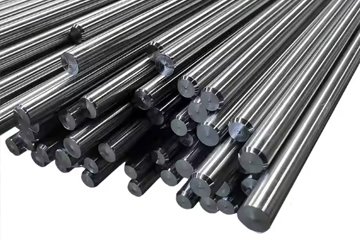
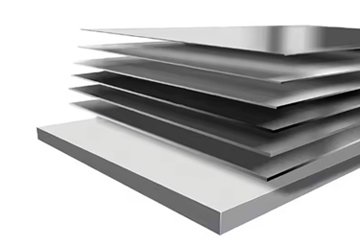
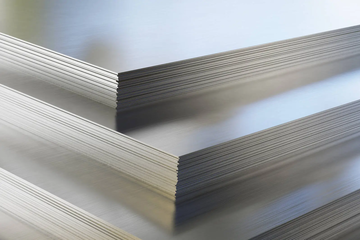
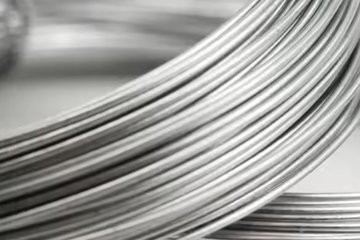
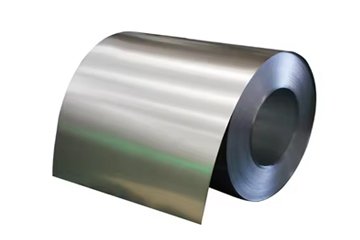
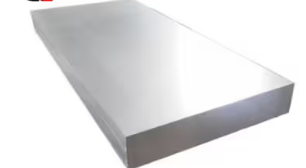
At China Titanium Factory, we specialize in transforming Grade 5 and Grade 23 ELI titanium sheets into complex geometries. This process ensures structural integrity while maximizing material utilization—a critical factor when working with high-value alloys.
What is Titanium Deep Drawing? Defining the Process
Titanium deep drawing is a metal-forming process where a flat titanium sheet is radially drawn into a forming die by the mechanical action of a punch. It is a "deep" drawing process because the depth of the part exceeds its diameter.
Precision titanium deep drawing allows for the creation of biocompatible metal enclosures and multi-stage deep drawing components that are seamless and incredibly strong. By 2026, improvements in servo-press technology have allowed for even more control over the flow of the material, reducing thinning at the corners.
"Deep drawing titanium is fundamentally different from steel; it requires a deep understanding of the material's hexagonal close-packed (HCP) crystal structure, which limits room-temperature ductility."
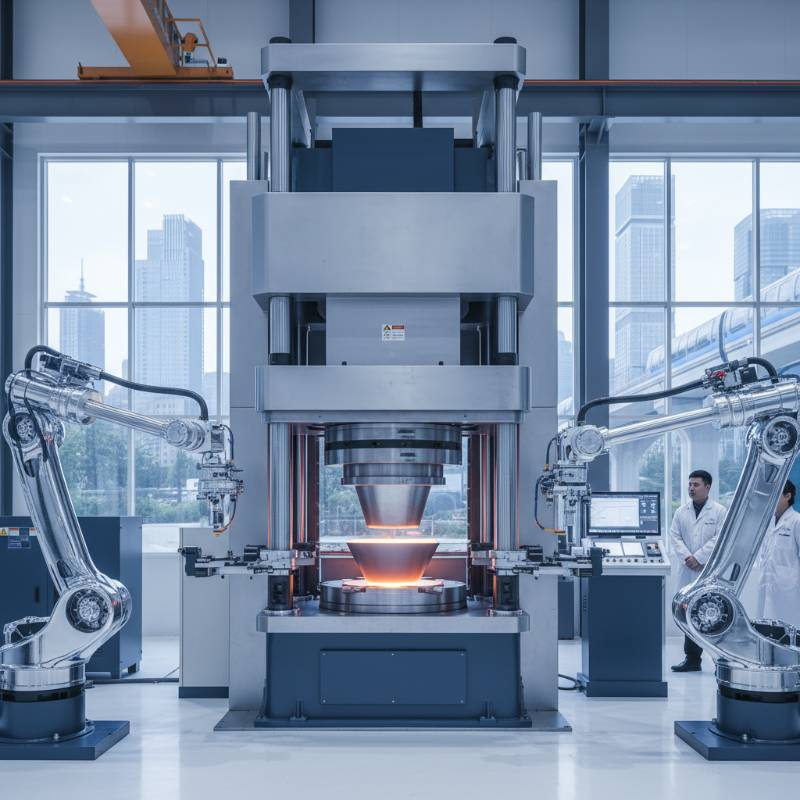
The Ti-Flow™ Multi-Stage Protocol: Our Proprietary Cold-Forming Methodology
Based on our proprietary data and years of material testing, we have developed the Ti-Flow™ Multi-Stage Protocol. This methodology is designed specifically to handle the unique challenges of titanium, such as its high yield strength-to-modulus ratio.
The protocol involves three critical phases:
Differential Thermal Management: Precise control of die temperatures to enhance material flow without reaching full hot-forming temperatures.
Incremental Strain Hardening: A sequence of multi-stage deep drawing steps that allows the titanium to "rest" and redistribute internal stresses between draws.
Boundary Layer Lubrication: Using specialized polymer-based lubricants that prevent galling—the tendency of titanium to weld itself to the tooling under high pressure.
By utilizing this framework, we achieve complex shapes like pacemaker housings and pump components with zero surface defects.
Multi-Stage Deep Drawing vs. Traditional Machining: Efficiency & Material Savings
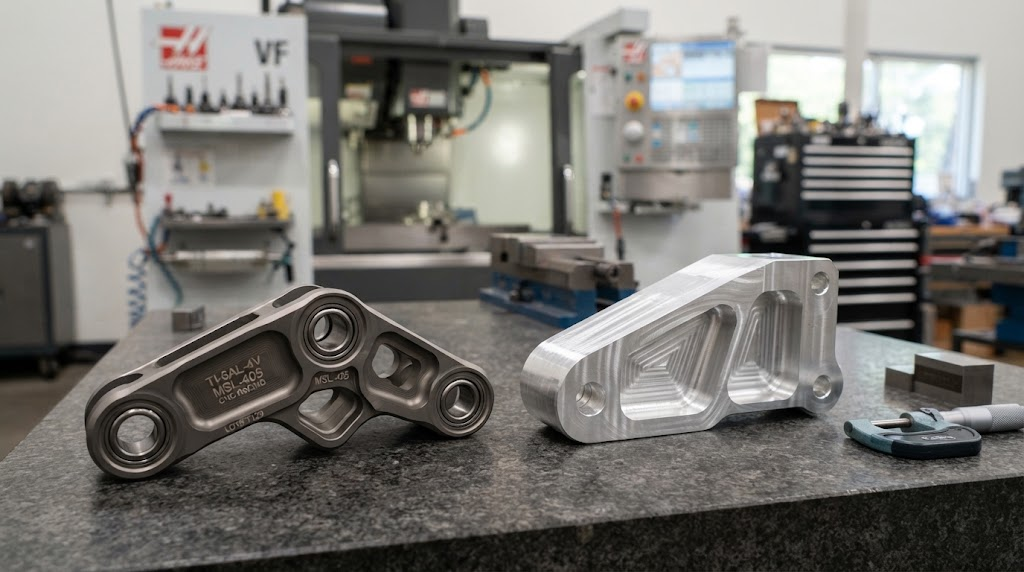
In B2B procurement, the cost of raw titanium is a dominant factor. Traditional CNC machining is subtractive, often turning up to 80% of a titanium block into waste chips. Multi-stage deep drawing is a transformative alternative.
Our analysis shows that for high-volume production of electronic housings, deep drawing reduces material waste by up to 70%. Furthermore, the cold-working process naturally increases the tensile strength of the part, allowing for thinner walls without sacrificing durability.
For components like pump components used in chemical processing, the grain structure of a drawn part follows the contour of the shell, providing superior fatigue resistance compared to machined parts where the grain is "cut."
Technical Specifications: Grade 23 ELI and ± 0.01mm Precision
We specialize in Grade 23 ELI (Extra Low Interstitial), which offers higher purity than standard Grade 5. This material is essential for long-term medical implants where material fatigue and biocompatibility are non-negotiable.
| Feature | Capability |
|---|---|
| Dimensional Tolerance | ± 0.01mm (0.0004") |
| Wall Thickness Range | 0.1mm to 3.0mm |
| Surface Finish (Ra) | < 0.4 μm (As Drawn) |
| Draw Ratio | Up to 2.5:1 (Multi-stage) |
Our commitment to dimensional control ensures that every medical grade titanium component fits perfectly within its assembly, meeting the strict requirements of ISO 13485 standards.
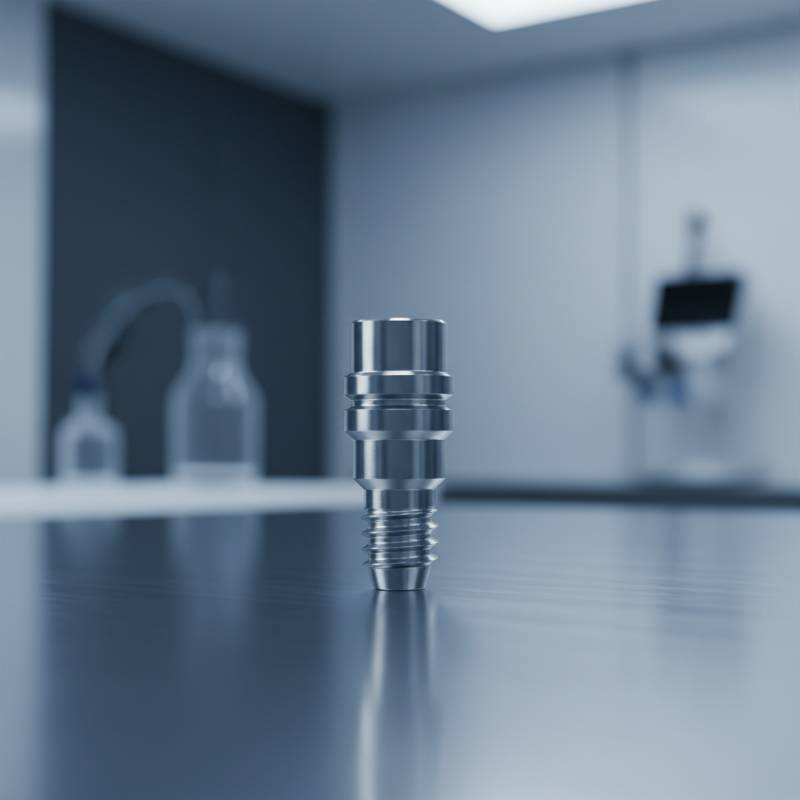
Biocompatible Metal Enclosures for Medical Implantables
The medical industry relies on biocompatible metal enclosures to protect sensitive electronics in devices like neurostimulators and drug delivery pumps. Titanium is the preferred material due to its osseointegration properties and resistance to body fluids.
Using our titanium fabrication expertise, we produce pacemaker housings that are hermetically sealable. The smooth surface finish achieved through deep drawing is vital for preventing bacterial adhesion and ensuring the device's longevity inside the human body.
Can Titanium Sheets be Cold-Formed for Complex Shapes?
Yes, titanium sheets can be cold-formed for complex shapes, provided the process accounts for the material's high springback and limited ductility. While many manufacturers shy away from cold-forming titanium, it is entirely possible through precise tool design and multi-stage cold-forming.
The secret lies in "over-bending" calculations and the use of the Ti-Flow™ Protocol. By breaking a complex draw into multiple smaller steps, we keep the material within its plastic deformation range without causing fractures. This allows for the production of deep, narrow electronic housings that were previously thought to require expensive hot-forming or machining.
Material Comparison: Titanium vs. Inconel and Superalloys
When selecting a material for extreme environments, engineers often compare titanium to nickel-based superalloys like Inconel 718. While Inconel excels in high-temperature oxidation, titanium offers a superior weight-to-strength ratio.
| Property | Titanium (Grade 5/23) | Inconel 718 |
|---|---|---|
| Density (g/cm³) | 4.43 (Lightweight) | 8.19 (Heavy) |
| Corrosion Resistance | Excellent (Biocompatible) | Excellent (Chemical) |
| Formability | Moderate (Requires Multi-stage) | Difficult (Work Hardens) |
Sustainability and ESG: Reducing the Carbon Footprint in Metal Forming
In 2026, ESG (Environmental, Social, and Governance) data is no longer optional for B2B procurement. Precision deep drawing of titanium directly supports these goals by maximizing material utilization. Because we use nearly 95% of the titanium sheet, the energy required to process the initial ingot is amortized over a much larger volume of finished parts.
Our facility utilizes material traceability systems to ensure that all scrap is recycled back into the supply chain, further reducing the carbon footprint of our manufacturing processes. According to ASM International, moving from machining to forming can reduce energy consumption by up to 40% per part.

Frequently Asked Questions About Titanium Deep Drawing
What are the typical lead times for custom titanium tooling?
For custom multi-stage deep drawing tools, lead times typically range from 6 to 10 weeks, depending on the complexity of the part and the number of stages required.
Can you draw Grade 5 titanium, or only Grade 2?
While Grade 2 is much easier to form, we have the capability to draw Grade 5 (Ti-6Al-4V) and Grade 23 ELI using our Ti-Flow™ Protocol. Grade 5 requires more stages and specific annealing cycles between draws.
What is the minimum wall thickness achievable?
We can achieve wall thicknesses as thin as 0.1mm for specialized electronic housings, though this requires very tight control over the blank-holding pressure to prevent wrinkling.
Ready to Optimize Your Titanium Components?
Partner with the experts in Precision Deep Drawing of Titanium. Reduce your material costs and improve part performance with our Ti-Flow™ Protocol.