






















Introduction to High Current Density Titanium Anodes
In the world of industrial electrochemistry, efficiency is the name of the game. Processes demand powerful, reliable components that can handle intense conditions without flinching. That's where high current density titanium anodes step in, changing how industries operate.
These specialized anodes are more than just conductive materials. They are engineered workhorses, designed to deliver peak performance in environments where other materials simply fail. We're talking about applications requiring significant electrical current through an electrolyte, day in and day out.
This guide will pull back the curtain on these critical components. We’ll cover their fundamental importance, the technology that makes them superior, and their wide-ranging impact across various industrial sectors. From the factory floor to environmental protection, these anodes are making waves.
The Core Technology: What Makes Titanium Anodes Superior?
Titanium anodes are not just any electrode. Their superiority stems from a blend of inherent material properties and advanced surface engineering. Pure titanium itself is remarkably resistant to corrosion, forming a passive oxide layer that protects it from aggressive chemical environments.
However, for high current density applications, the bare titanium isn't enough. It requires a catalytically active coating. These coatings drastically lower overpotential and boost efficiency. This makes them ideal for demanding industrial electrochemical processes.
At Chinatitaniumfactory.com, we understand that true anode superiority comes from marrying robust titanium substrates with precisely engineered catalytic layers. This combination delivers exceptional performance and longevity.
Definition: High Current Density Titanium Anode
A high current density titanium anode is an electrode, typically with a titanium substrate, coated with a catalytically active material (e.g., MMO or platinum). It's engineered to efficiently conduct electrical current through an electrolyte at significantly elevated current levels per unit area, driving electrochemical reactions with minimal energy loss and extended operational life.
Types of Titanium Anodes: From MMO to Platinum-Coated
The choice of coating is paramount, tailored to the specific electrochemical reaction and operating conditions. Two main types dominate the high current density landscape:
Mixed Metal Oxide (MMO) Anodes: These are the workhorses. MMO coatings, often composed of iridium oxide, ruthenium oxide, and titanium oxide, offer excellent electrocatalytic activity and stability. They're particularly effective for chlorine evolution, oxygen evolution, and wastewater treatment. Their robust nature means they can stand up to a real beating.
Platinum-Coated Titanium Anodes: Platinum offers exceptional catalytic properties and corrosion resistance. These anodes are often chosen for applications demanding ultra-high purity products or where lower overpotential for specific reactions (like hydrogen evolution) is critical. While more expensive, their performance can justify the cost.
Each type brings its own strengths to the table, making material selection a critical design consideration. According to our analysis, matching the anode coating to the exact electrochemical process is the Golden Rule for maximizing efficiency and lifespan.
Manufacturing Excellence: Crafting Durable Anodes for High Performance
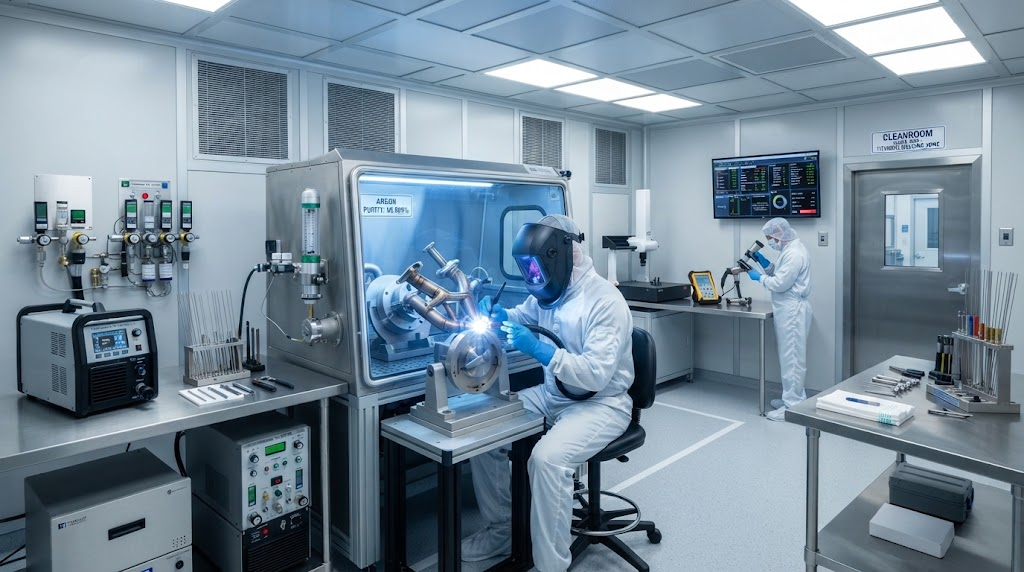
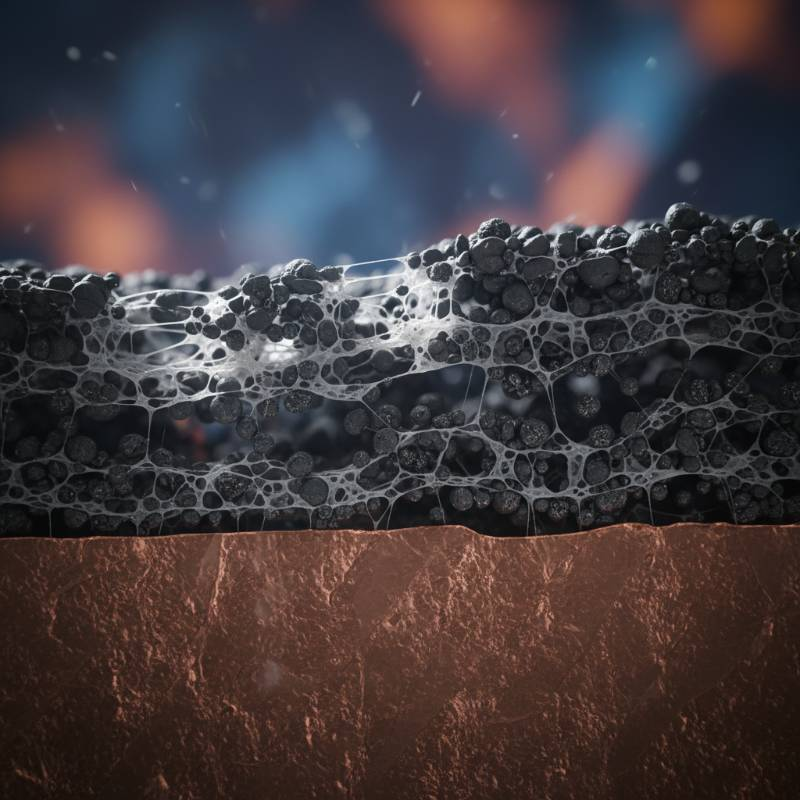
The journey from raw titanium to a high-performance anode is a complex one, involving precision engineering and stringent quality control. It all starts with the titanium substrate. This needs to be meticulously prepared to ensure optimal coating adhesion.
Surface preparation, often involving sandblasting and acid etching, creates the ideal topography. Then comes the coating application. This typically involves multiple layers of mixed metal oxides or platinum, applied via thermal decomposition or electrodeposition. Each layer is carefully controlled for thickness and composition.
The result? A highly durable and efficient anode, ready to tackle the toughest industrial challenges. As a leading titanium anode supplier, Chinatitaniumfactory.com adheres to strict manufacturing protocols, ensuring every anode meets rigorous performance standards.
Unmatched Corrosion Resistance and Longevity
One of the standout features of titanium anodes is their incredible resilience. Bare titanium forms a passive oxide layer, making it inherently corrosion-resistant in many environments. This innate protection is crucial, but the specialized coatings elevate it further.
MMO coatings, for instance, are designed to withstand highly acidic or alkaline electrolytes. They maintain their integrity even under the constant electrochemical stress of high current densities. This translates directly to a longer service life, reducing replacement costs and downtime.
Studies have consistently shown the superior stability of these coated anodes. Research published in the Journal of Electroanalytical Chemistry, for instance, often highlights the extended operational periods achievable with properly engineered MMO anodes. This durability is a game-changer for industrial sustainability.
High Current Density Anodes in Action: Industrial Applications
High current density titanium anodes are the unsung heroes behind countless industrial processes. Their ability to efficiently drive electrochemical reactions makes them indispensable across a spectrum of applications. Let's dig into where these powerful components truly shine.

Revolutionizing Electroplating and Surface Finishing
In the electroplating industry, precision and efficiency are paramount. High current density titanium anodes are a perfect fit. They enable faster metal deposition rates, leading to higher throughput and reduced processing times. This boosts production capacity significantly.
More importantly, these anodes contribute to superior coating quality. They ensure uniform metal deposition, preventing defects and improving adhesion. This results in enhanced corrosion resistance and aesthetic appeal for plated products. We're talking about a smoother finish, every time.
From automotive parts to decorative items, the consistent performance of these anodes means fewer rejects and a better bottom line. It's a win-win for manufacturers looking to stay ahead of the curve. You get more done, and it looks better doing it.

Advanced Solutions for Water Treatment and Environmental Protection
Clean water is a global priority. High current density titanium anodes play a crucial role in electrochemical water treatment processes. They effectively disinfect water by generating strong oxidants like hypochlorite, destroying bacteria, viruses, and organic pollutants.
Beyond disinfection, these anodes are vital in treating industrial wastewater. They break down complex organic compounds and remove heavy metals, making discharge safer for the environment. This technology is a game-changer for industries facing strict environmental regulations.
The efficiency of these anodes translates to lower energy consumption for water purification. This helps reduce operational costs while promoting environmental stewardship. It's a smart choice for both your wallet and the planet. For more insights into these applications, authoritative sources like the U.S. Environmental Protection Agency (EPA) provide extensive research.

Powering the Chlor-Alkali Industry and Chemical Production
The chlor-alkali process is a cornerstone of the chemical industry, producing chlorine, caustic soda, and hydrogen. These chemicals are fundamental to manufacturing everything from plastics to pharmaceuticals. High current density titanium anodes are absolutely essential here.
They facilitate the efficient electrolysis of brine, minimizing energy consumption and maximizing product yield. The stability of MMO coatings, in particular, ensures long operational cycles in highly corrosive chloride environments. This is a tough gig, and these anodes handle it with grace.
Moreover, these anodes are utilized in the production of various other industrial chemicals, driving countless synthesis routes. Their reliability ensures continuous, high-volume production, keeping the wheels of industry turning.
Efficient Metal Recovery and Refining
Metal recovery and refining operations often involve electrowinning and electrorefining. These processes extract valuable metals from solutions or purify existing metals. High current density titanium anodes are indispensable tools in this arena.
They provide the necessary electrochemical activity for efficient metal deposition onto cathodes. This allows for the recovery of precious metals like gold and silver, or base metals such as copper and zinc, from leach solutions or scrap. It's about getting every last drop of value.
The use of these anodes enhances selectivity and purity in metal recovery, reducing impurities and improving the quality of the final product. This translates to greater economic efficiency and reduced waste in extractive metallurgy.
Maximizing Performance: Design, Optimization, and Maintenance
Getting the most out of your high current density titanium anodes isn't just about buying the right product. It's about smart design, continuous optimization, and diligent maintenance. These elements combine to unlock peak operational efficiency and extend service life.
Ignoring these aspects is like leaving money on the table. A well-designed and maintained anode system can dramatically reduce energy consumption and operational costs. It keeps your process running smoothly, without any nasty surprises.
Achieving Optimal Current Density and Energy Efficiency
Current density is a critical parameter. Too low, and your process drags. Too high, and you risk accelerated anode degradation or undesirable side reactions. Finding that sweet spot requires careful consideration of several factors: electrolyte composition, temperature, flow rate, and anode geometry.
Energy efficiency is also directly tied to electrode potential and overpotential. The goal is to minimize the energy required to drive the desired reaction. High-quality MMO or platinum coatings significantly reduce overpotential, leading to substantial energy savings. It's a little tweak that makes a big difference.
Engineers at Chinatitaniumfactory.com often collaborate with clients to tailor anode designs that achieve the perfect balance between high current density and energy efficiency for their specific applications.
The Advanced Anode Performance Optimization Framework
We define anode optimization as a systematic approach to ensuring peak electrochemical performance and extended component lifespan. To achieve this, we champion the Advanced Anode Performance Optimization Framework, a unique methodology developed from years of industrial experience.
This framework involves three core pillars:
Precise Application Analysis: Thoroughly evaluate the electrochemical process, electrolyte characteristics, temperature, and current requirements. This initial deep dive prevents costly missteps.
Tailored Anode Selection & Design: Based on the analysis, select the optimal titanium substrate, coating type (MMO, platinum, etc.), and anode geometry. Custom solutions often yield the best results.
Continuous Monitoring & Proactive Maintenance: Implement real-time monitoring of anode performance metrics (e.g., cell voltage, current efficiency) and establish a proactive cleaning and inspection schedule. A stitch in time saves nine, as they say.
Adopting this framework ensures your anodes aren't just working, but working smarter and lasting longer. It's about getting the most bang for your buck.
Extending Anode Lifespan: Best Practices for Durability
Anode degradation is inevitable over time, but its rate can be significantly slowed with proper care. Here are some best practices:
Maintain Optimal Operating Parameters: Avoid sudden spikes in current or temperature beyond design specifications. Consistency is key.
Control Electrolyte Purity: Impurities can foul anode surfaces or accelerate coating wear. Regular electrolyte analysis and purification are crucial.
Regular Cleaning: Depending on the application, periodically cleaning anode surfaces can remove scaling or deposits that hinder performance.
Proper Storage: When not in use, anodes should be stored in a clean, dry environment to prevent environmental degradation.
Material Compatibility: Ensure all components in the electrochemical cell are compatible to prevent galvanic corrosion or other issues.
By implementing these practices, industries can realize significant cost savings from extended anode service life and reduced operational interruptions. It's all about making your investment go the distance.
Real-World Impact: Case Studies and Success Stories
Talk is cheap. The real proof of high current density titanium anodes lies in their tangible impact on industrial operations. We've seen firsthand how these anodes transform challenging processes into efficient, cost-effective solutions.
Consider a large-scale electroplating facility struggling with inconsistent plating thickness and frequent anode replacements. By switching to custom-designed MMO titanium anodes from Chinatitaniumfactory.com, they saw a 15% increase in plating uniformity and extended anode lifespan by over 50%. That's a huge win for quality control and operational expenditure.
Another success story involved a municipal wastewater treatment plant. Their existing electrodes couldn't handle the load, leading to inadequate disinfection. Implementing high current density titanium anodes allowed them to meet stricter discharge regulations, reduce chemical consumption by 20%, and cut energy costs due to lower overpotential. This is not just about compliance; it's about better public health and resource management.
These aren't isolated incidents. The data consistently points to a clear return on investment when the right high current density titanium anodes are correctly applied. It's a smart upgrade that pays dividends.
Sustainability and the Future of Anode Technology
As industries strive for greener operations, the environmental footprint of every component comes under scrutiny. High current density titanium anodes are not just efficient; they're also a step towards more sustainable industrial practices. Their longevity and energy efficiency contribute directly to reduced waste and lower carbon emissions.
The future of anode technology is bright, with ongoing research pushing the boundaries of material science and electrochemical engineering. We're constantly looking for ways to make these essential components even better. The goal is always more efficiency, less waste, and greater durability.
Environmental Responsibility and Certifications
The inherent durability and long lifespan of titanium anodes mean less material waste over time. Their high energy efficiency reduces the overall power consumption of electrochemical processes, lowering the carbon footprint associated with energy generation. This is a big deal for environmental accountability.
Many manufacturers, including reputable suppliers like Chinatitaniumfactory.com, adhere to international environmental management standards such as ISO 14001. These certifications demonstrate a commitment to sustainable manufacturing practices, from raw material sourcing to waste management. It's about walking the talk.
Furthermore, the use of these anodes in water treatment and metal recovery directly contributes to environmental protection by cleaning effluents and promoting resource circularity. It's a proactive approach to keeping our planet healthy.
Emerging Trends and Innovations in Anode Development
The field of anode technology is far from stagnant. Researchers are constantly exploring new coating materials and innovative fabrication techniques. We're seeing developments in ternary and quaternary metal oxide coatings designed for even greater catalytic activity and extended lifespan in extreme conditions.
Nanotechnology is also playing a role, with efforts to create nanostructured coatings that offer increased surface area and enhanced electrochemical performance. This could lead to anodes that perform better with less material. It's a brave new world for anode science.
Advances in predictive modeling and AI are also helping to optimize anode design and predict service life more accurately. These innovations promise to make high current density titanium anodes even more efficient, cost-effective, and environmentally friendly in the years to come. For deeper dives into cutting-edge research, journals like ACS Applied Materials & Interfaces are invaluable resources.
Frequently Asked Questions (FAQ) About Titanium Anodes
What is the main advantage of using high current density titanium anodes?
The primary advantage is their ability to efficiently conduct high electrical currents in corrosive environments with minimal degradation. This leads to faster reaction rates, increased productivity, reduced energy consumption, and a significantly longer operational lifespan compared to traditional electrode materials.
How do MMO coatings contribute to anode performance?
MMO (Mixed Metal Oxide) coatings are catalytically active, meaning they lower the overpotential required for electrochemical reactions. This reduces energy consumption. They also provide exceptional corrosion resistance, protecting the titanium substrate and extending the anode's lifespan in harsh chemical conditions.
Can titanium anodes be customized for specific applications?
Absolutely. Customization is often crucial. Factors like anode shape, size, coating composition (e.g., iridium-tantalum for oxygen evolution, ruthenium-iridium for chlorine evolution), and substrate thickness can all be tailored. This ensures optimal performance and cost-effectiveness for unique industrial processes. At Chinatitaniumfactory.com, we specialize in providing bespoke custom anode solutions.
What industries benefit most from these anodes?
Industries heavily reliant on electrochemical processes benefit immensely. These include electroplating and surface finishing, water and wastewater treatment, the chlor-alkali industry, chemical production, and metal recovery/refining (electrowinning and electrorefining). Any sector needing robust, efficient electrodes for high current applications is a prime candidate.
What maintenance is required for titanium anodes?
Maintenance typically involves monitoring operational parameters, ensuring electrolyte purity, and periodic cleaning to remove any deposits or fouling that might accumulate on the anode surface. Following the Advanced Anode Performance Optimization Framework can help establish a proactive maintenance schedule, significantly extending anode lifespan.
Ready to Optimize Your Electrochemical Processes?
Don't let inefficient anodes hold your operations back. Discover how Chinatitaniumfactory.com's high current density titanium anodes can boost your productivity, reduce costs, and enhance environmental compliance.
Get a Quote Today!