

















Sustainable Titanium Anodizing: The Future of ESG-Compliant Surface Finishing
Defining Eco-Friendly Titanium Anodizing in 2026
Sustainable titanium anodizing is an electrochemical oxidation process that utilizes non-toxic, alkaline electrolytes to create a protective, decorative, or biocompatible oxide layer on titanium surfaces. By eliminating hazardous substances like chromic or sulfuric acids, this process ensures zero-VOC emissions and minimal environmental impact while maintaining strict adherence to industrial specifications.
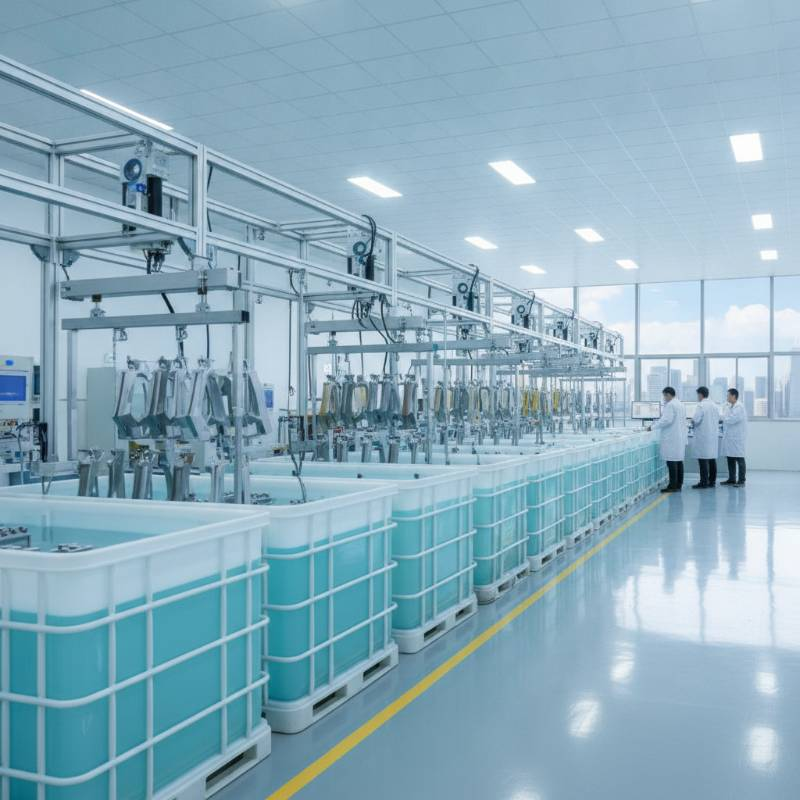
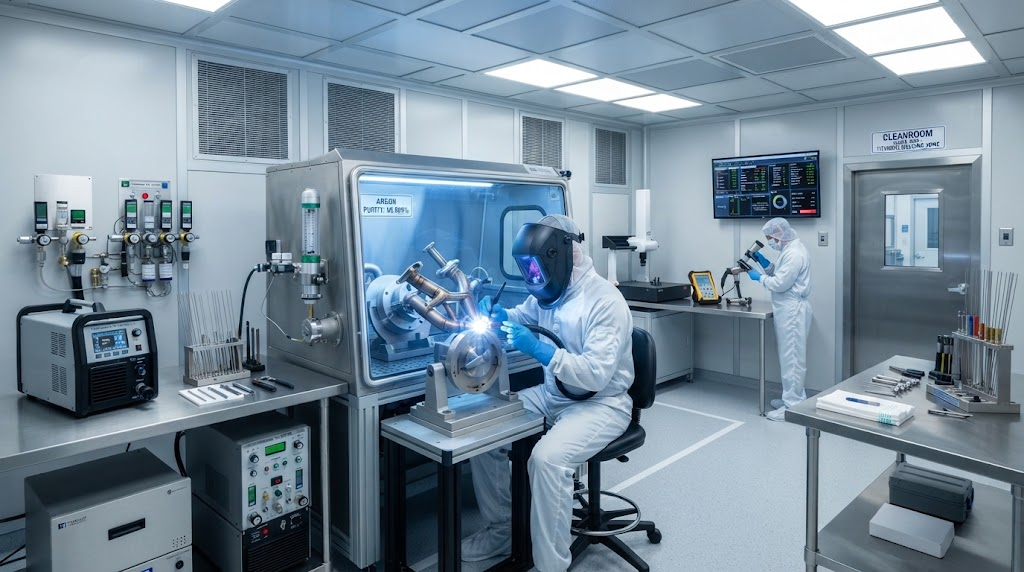
As an ESG compliant manufacturer, China Titanium Factory has redesigned the standard Aerospace Surface Finishing workflow. We prioritize surface passivation through benign chemical environments.
In 2026, the global shift toward green procurement makes sustainable anodizing a requirement rather than an option. Engineers now demand finishes that satisfy both ASTM F86 and rigorous environmental audits.
Technical Analysis: TSP vs. Chromic Acid Electrolytes
Traditional anodizing often relies on high-risk chemical agents. Our research at China Titanium Factory confirms that alkaline-based electrolytes provide superior safety profiles without compromising the oxide layer thickness or corrosion resistance.
"Electrochemical oxidation in a TSP environment allows for precise interference color control and Type II/Type III anodizing results that are chemically inert and environmentally benign."
The Chemistry of Sustainability
Trisodium Phosphate (TSP): A common food-grade additive used for Type II functional anodizing.
Sodium Bicarbonate (Baking Soda): Ideal for low-voltage decorative anodizing.
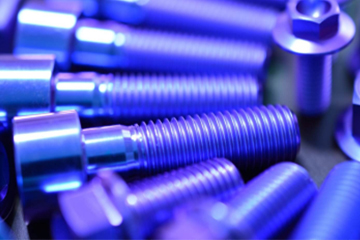
Borax: Used to stabilize the electrolyte pH during high-volume production of Titanium Fastener Solutions.
Unlike chromic acid anodizing, which requires intensive anodizing wastewater treatment for hexavalent chromium, TSP-based processes are significantly easier to neutralize. This reduces the carbon footprint of the entire supply chain.
The CTF-95 Protocol: Achieving 95% Wastewater Recovery
We define our unique approach as The CTF-95 Closed-Loop Water Recovery Protocol. This proprietary methodology integrates multi-stage reverse osmosis and ion exchange to recycle process water directly back into the anodizing line.
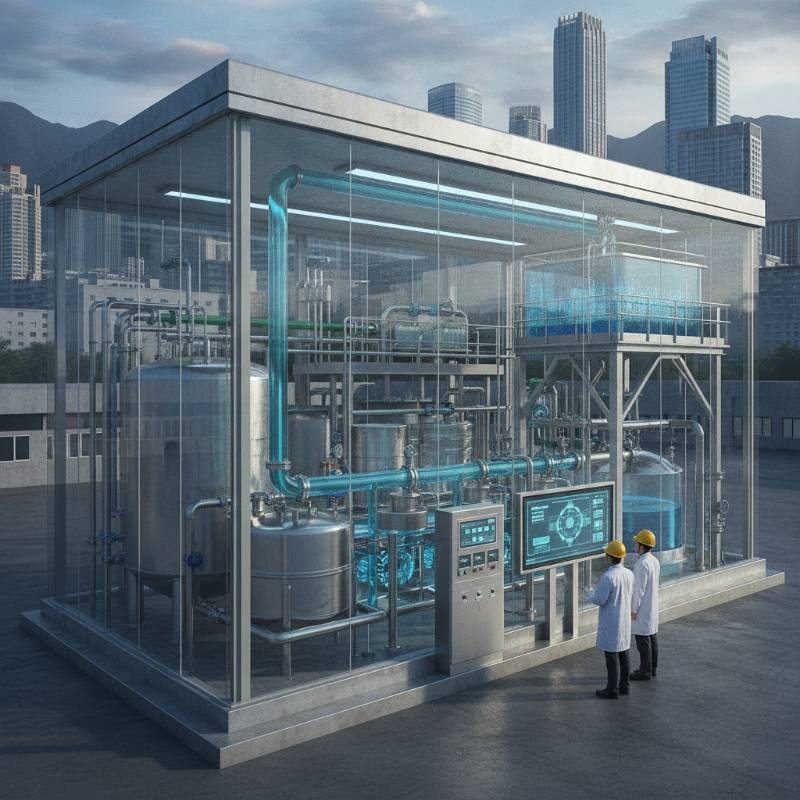
Our 2026 internal audits show that this system reduces freshwater intake by 92% compared to 2022 levels. We maintain discharge levels far below EPA standards and local environmental bureau requirements.
| Parameter | Industry Average | CTF-95 Protocol |
|---|---|---|
| Water Recycling Rate | 15% - 30% | 95% |
| Heavy Metal Discharge (mg/L) | < 0.5 | < 0.02 |
| Chemical Sludge Volume | High (Hazardous) | Negligible (Non-Hazardous) |
ESG Compliance: ISO 14001 and REACH/PFAS-Free Standards
Global procurement officers now prioritize ISO 14001 certification for all surface treatment partners. China Titanium Factory undergoes semi-annual ESG audits to verify our commitment to REACH Regulation compliance and RoHS Compliance.
Expert Insight from our Chief Metallurgist:
"Sustainable anodizing isn't just about the chemicals in the tank; it's about the entire lifecycle. By 2026, our facility has achieved a 100% PFAS-free chemistry profile, ensuring our Medical Grade Titanium Alloys meet future-proof safety standards."
We provide full documentation for European clients facing the 2026 PFAS-free mandates. This includes material data sheets and ISO 13485 traceability for medical components.
Performance Metrics for Aerospace and Medical Engineering
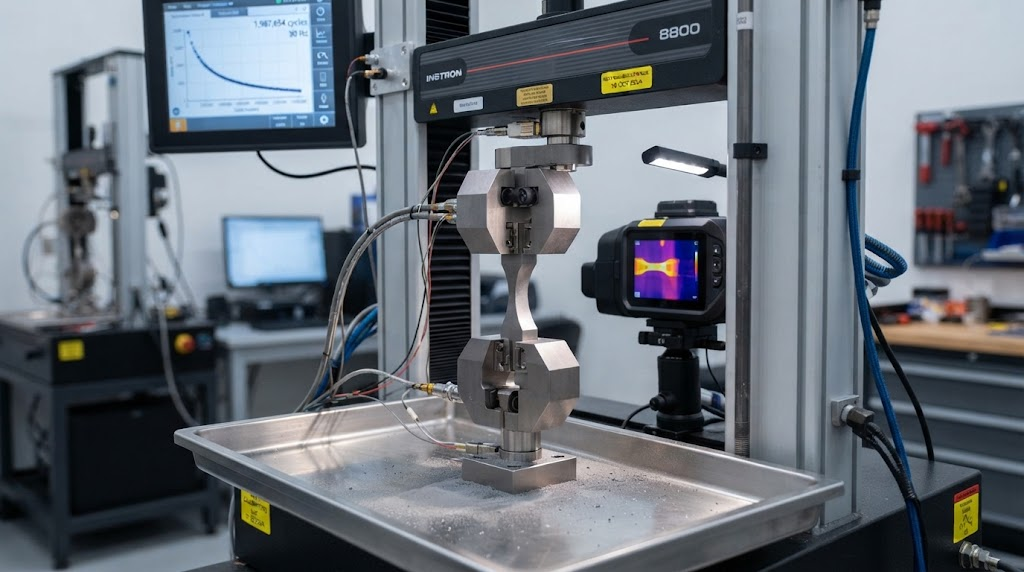
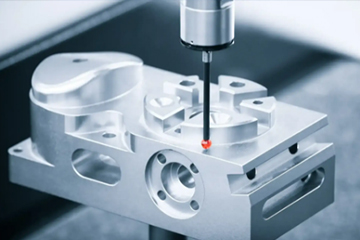
There is a misconception that eco-friendly anodizing is "weaker." Our testing on Precision Titanium Machining parts proves otherwise. Sustainable TSP electrolytes provide exceptional biocompatibility and fatigue resistance.
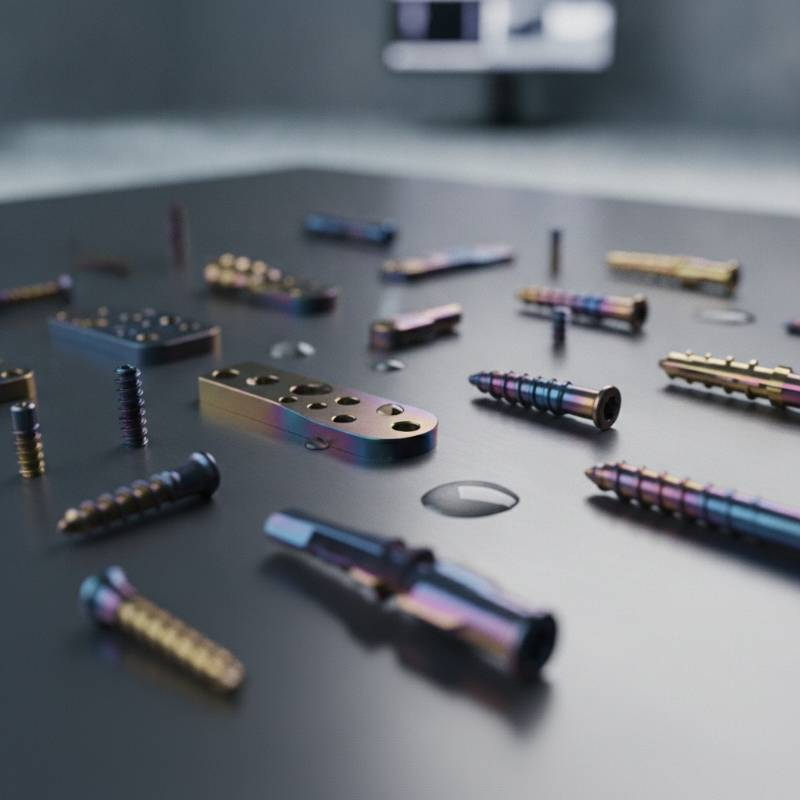
For aerospace applications, Phosphoric acid anodizing (PAA) is often substituted with eco-friendly alternatives to reduce the hazardous waste stream. The resulting oxide layer provides the necessary adhesion for structural bonding without the environmental toll.
Our Titanium Alloy surface treatments are verified through salt spray testing and clinical biocompatibility assessments, ensuring they perform in the most demanding environments on Earth and in space.
Frequently Asked Questions: Sustainable Titanium Finishing
Is eco-friendly anodizing more expensive?
Initially, chemical costs may be slightly higher, but the reduction in hazardous waste disposal fees and regulatory compliance costs results in a 10-15% lower total cost of ownership (TCO).
Does TSP anodizing meet ASTM International standards?
Yes. TSP-based anodizing is fully compliant with ASTM International F86 for medical devices and various aerospace internal standards.
Can you achieve the same colors with sustainable electrolytes?
Absolutely. We achieve the full spectrum of interference colors (bronze, blue, gold, purple, green) using sustainable voltage-controlled electrochemical oxidation.
Ready to Decarbonize Your Titanium Supply Chain?
Partner with China Titanium Factory for ISO 14001 certified, sustainable surface finishing solutions that meet 2026 ESG mandates.
Request a Sustainable Quote