




















The Critical Role of Titanium Anodes in Modern Desalination
Desalination plants face immense pressure. They must deliver fresh water reliably, efficiently, and at scale. The operational environment is brutal: corrosive saltwater, high currents, and relentless demand. Equipment failure isn't an option; it jeopardizes public health and economic stability.
At the heart of many advanced desalination processes, particularly electrochlorination for pretreatment and various electrochemical water treatment methods, lies a seemingly simple component: the anode. Yet, its performance dictates system efficiency, longevity, and ultimately, your plant’s profitability. Outdated or inferior anode materials lead to frequent replacements, costly downtime, and suboptimal water quality.
This is where titanium anodes step in. Specifically engineered for extreme conditions, they offer a robust, long-term solution to these pervasive challenges. We're talking about a fundamental shift in reliability. According to our analysis at China Titanium Factory, selecting the right titanium anode isn't just a procurement decision; it's a strategic investment in the future resilience of your desalination operations.
We define a high-performance titanium anode as a core component ensuring consistent, efficient electrochemical reactions with minimal degradation, even in highly saline environments. This article dives deep into why these advanced electrodes are non-negotiable for modern water treatment technology and how they safeguard your investment.
Why Titanium Anodes Are the Superior Choice for Desalination
When it comes to the harsh, unforgiving environment of a desalination plant, traditional electrode materials simply don't cut it. They corrode fast. They lose efficiency. They become a drain on resources. Titanium anodes, however, are a different breed entirely.
The Golden Rule of Desalination Anode Procurement: Prioritize long-term performance and material integrity over initial cost. Over the operational lifespan of a plant, the savings from reduced maintenance and higher efficiency with titanium far outweigh any upfront expenditure.
Unparalleled Corrosion Resistance
Titanium naturally forms a tenacious, passive oxide layer. This layer makes it incredibly resistant to corrosion, even in concentrated brines and highly acidic or alkaline conditions often found in desalination pretreatment or post-treatment processes. Other metals would quickly degrade, leading to system contamination and premature failure. Titanium just shrugs it off.
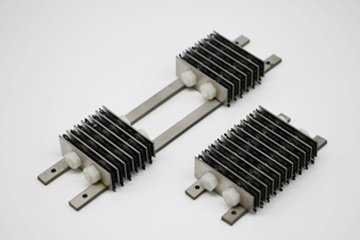
Titanium Anode: An electrode composed of a titanium substrate, typically coated with a noble metal oxide (like Mixed Metal Oxide - MMO) or platinum, designed to facilitate specific electrochemical reactions with exceptional corrosion resistance and catalytic activity in aggressive environments.
Extended Operational Lifespan
Because of their inherent corrosion resistance and robust coatings, titanium anodes boast an impressive operational lifespan. We're talking years, often a decade or more, depending on the specific application and operating parameters. This longevity translates directly into reduced replacement cycles, minimized labor costs, and significantly less downtime for your desalination plant. It's a workhorse, plain and simple.
Superior Electrochemical Efficiency
Our MMO titanium anodes are engineered for optimal catalytic activity. This means they facilitate desired electrochemical reactions—like chlorine generation for disinfection—with lower energy consumption. Less energy means lower operational costs, a major win for any desalination facility facing tight budgets and energy demands. It's about getting more bang for your buck.
Robustness and Reliability
Titanium isn't just corrosion-resistant; it's strong. It maintains its structural integrity under stress, vibration, and temperature fluctuations. This physical durability, coupled with consistent electrochemical performance, ensures the reliability critical for continuous operation of desalination infrastructure. You can set it and largely forget it.
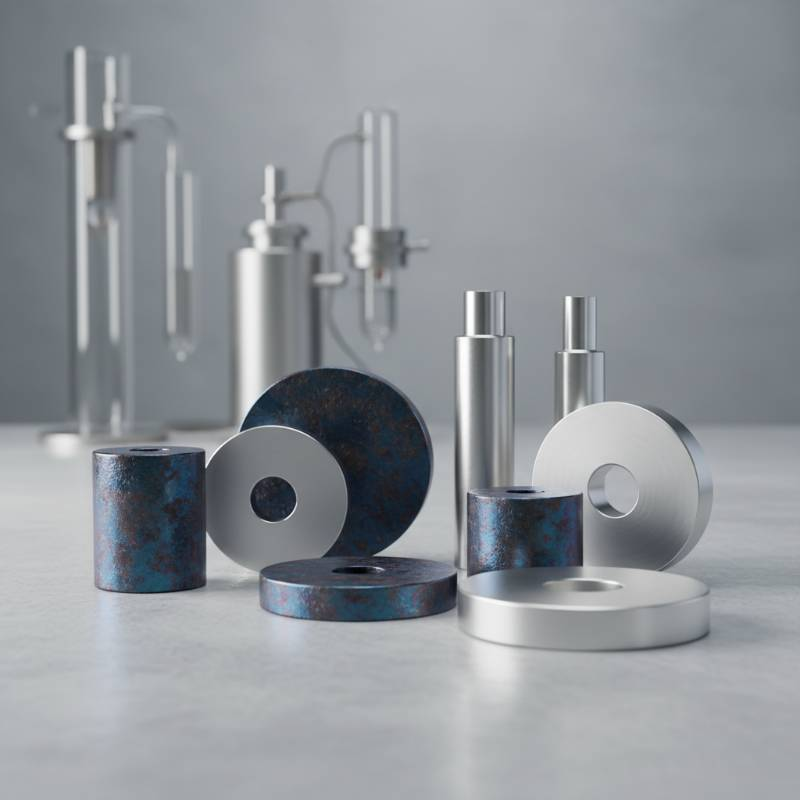
Exploring Types and Applications of Titanium Anodes in Desalination
Desalination isn't a one-size-fits-all process. Neither are titanium anodes. Different plant designs and treatment stages demand specific electrode characteristics. Understanding these distinctions is key to optimizing your system.
Mixed Metal Oxide (MMO) Titanium Anodes
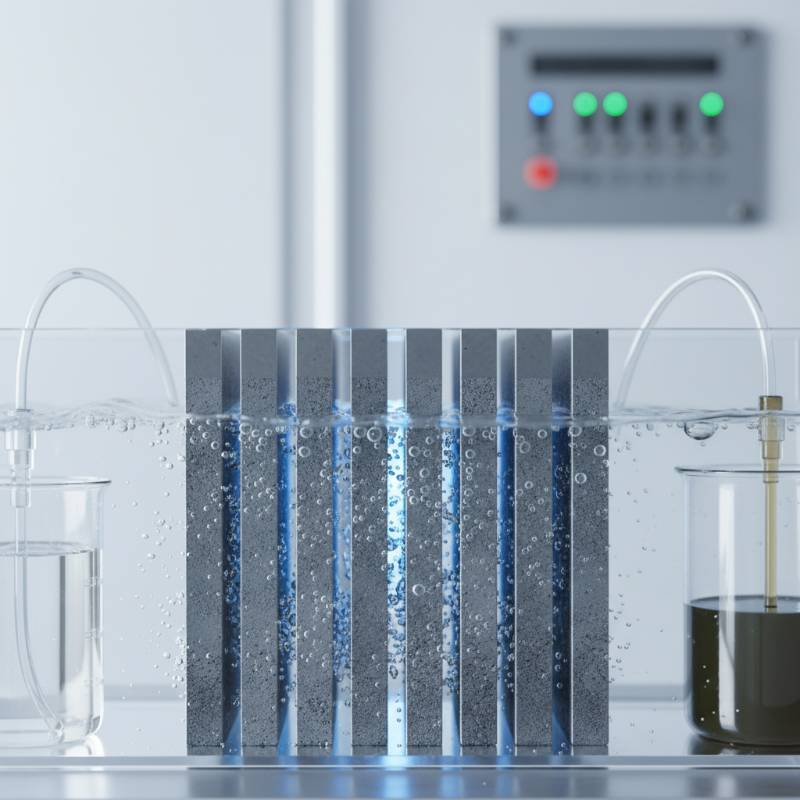
MMO anodes are the workhorses of many electrochemical applications, and desalination is no exception. These anodes feature a titanium substrate coated with a mixture of noble metal oxides, often iridium dioxide and ruthenium dioxide. This combination creates a highly active and stable catalytic surface.
Primary Applications in Desalination:
Electrochlorination: Essential for producing hypochlorite onsite for disinfection and biofouling control, preventing membrane fouling in SWRO systems. MMO anodes excel here due to their high chlorine evolution efficiency and minimal oxygen evolution.
Electrochemical Advanced Oxidation Processes (EAOPs): Used for removing recalcitrant organic contaminants and emerging pollutants in challenging feedwater or brine treatment.
Electrodialysis (ED/EDR): While less common for bulk desalination, MMO anodes can be employed in specialized ED systems for brackish water or selective ion removal.
Platinized Titanium Anodes
Platinized titanium anodes involve a thin, electrodeposited layer of platinum on a titanium substrate. Platinum offers exceptional conductivity and catalytic properties, along with excellent corrosion resistance.
Primary Applications in Desalination:
Specialized Electrochemical Treatment: Often used in applications requiring very high purity or specific electrochemical reactions, sometimes as an alternative to MMO in less aggressive chlorine generation scenarios or where hydrogen evolution needs careful management.
Cathodic Protection Systems: While not directly for water treatment, platinized titanium can be used as impressed current anodes for cathodic protection of plant infrastructure, pipelines, and storage tanks, preventing structural corrosion.
Choosing between MMO and platinized titanium, or even other specialized coatings, hinges on specific voltage requirements, current density, electrolyte composition, and desired product formation. At China Titanium Factory, our engineers guide clients through this critical selection process to ensure optimal performance.
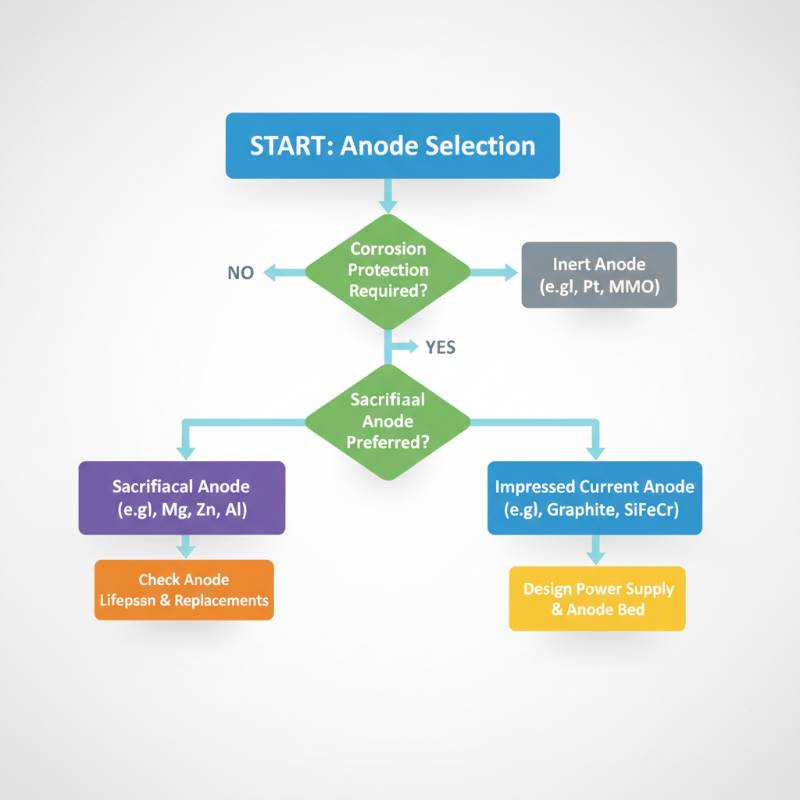
The AquaShield Anode Selection Protocol: Ensuring Optimal Performance
Don't just pick an anode; engineer your solution. Selecting the right titanium anode for your desalination plant is a nuanced process. It demands a systematic approach to avoid costly missteps and ensure peak operational efficiency. This is precisely why we developed the AquaShield Anode Selection Protocol.
This proprietary framework, refined over years of global project experience, provides a clear, step-by-step methodology. It’s designed to guide engineers and procurement managers through the complexities, ensuring the ideal anode solution for specific desalination plant requirements. We don't just sell anodes; we provide tailored expertise.
Step 1: System and Process Assessment
We begin by thoroughly understanding your application. What type of desalination process? What are the specific electrochemical reactions required? This involves analyzing:
Feedwater Characteristics: Salinity, pH, temperature, presence of specific ions or organic matter.
Electrochemical Parameters: Target current density, voltage, electrolyte flow rates.
System Design: Reactor geometry, electrode spacing, cell configuration.
Desired Output: Hypochlorite concentration, contaminant removal efficiency.
Step 2: Material and Coating Optimization
Based on the assessment, we then move to specifying the optimal anode materials. This means:
Substrate Choice: Typically Grade 1 or Grade 2 titanium for its strength and corrosion resistance.
Coating Formulation: Deciding between various MMO compositions (e.g., Ru-Ir, Ir-Ta) or platinized options, tailored for specific catalytic activity and longevity in your unique electrolyte.
Coating Thickness: Calibrated for anticipated current density and desired operational lifespan.
Step 3: Design and Fabrication for Integration
The final step ensures the anode perfectly integrates into your existing or planned system. This covers:
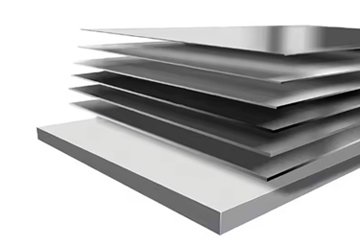
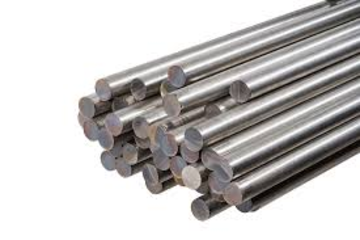
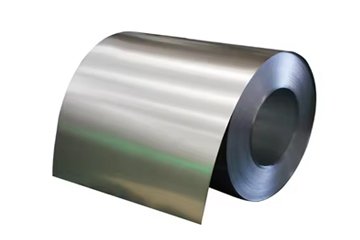
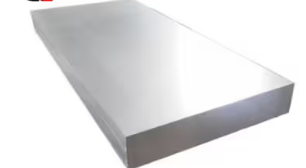
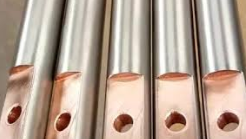
Physical Dimensions: Rods, plates, meshes, tubes—customized to fit your reactor.
Connection Points: Ensuring robust, low-resistance electrical connections.
Mechanical Stability: Designing for structural integrity under operational loads and flow dynamics.
Adhering to the AquaShield Protocol ensures you get an anode that's not just functional, but truly optimized for performance and cost-effectiveness over its entire lifecycle. It's our commitment to engineering excellence.
Technical Specifications and Customization for Your Project
Desalination projects are rarely identical. Off-the-shelf solutions often mean compromised performance. That's why custom manufacturing is a cornerstone of our offering at China Titanium Factory. We delve into the granular details to ensure perfect fit and function.
Key Technical Parameters
When requesting a quote or discussing your needs, consider these critical specifications:
Substrate Material: Typically ASTM B265 Grade 1 or Grade 2 titanium. Purity and mechanical properties are paramount.
Coating Composition: Specify the type of Mixed Metal Oxide (e.g., RuO2-IrO2-TiO2) or platinum loading. This directly impacts catalytic activity and selectivity.
Coating Thickness: Measured in microns or grams per square meter (g/m²). This correlates with anode lifespan and current density capacity.
Anode Geometry: Plate, mesh, rod, tube, or custom shapes. Dimensions must match your cell design precisely.
Current Density: The expected operational current per unit area (A/m²). This guides coating and substrate selection.
Electrolyte Composition: Detailed analysis of the solution, including pH, temperature, chloride concentration, and presence of other ions.
Connection Points: Type and location of terminals for electrical connection.
Our Customization Capabilities
We pride ourselves on our ability to translate complex engineering requirements into tangible, high-performance anodes. Our capabilities include:
Design Consultation: Collaborating with your team to optimize anode design for specific electrochemical processes.
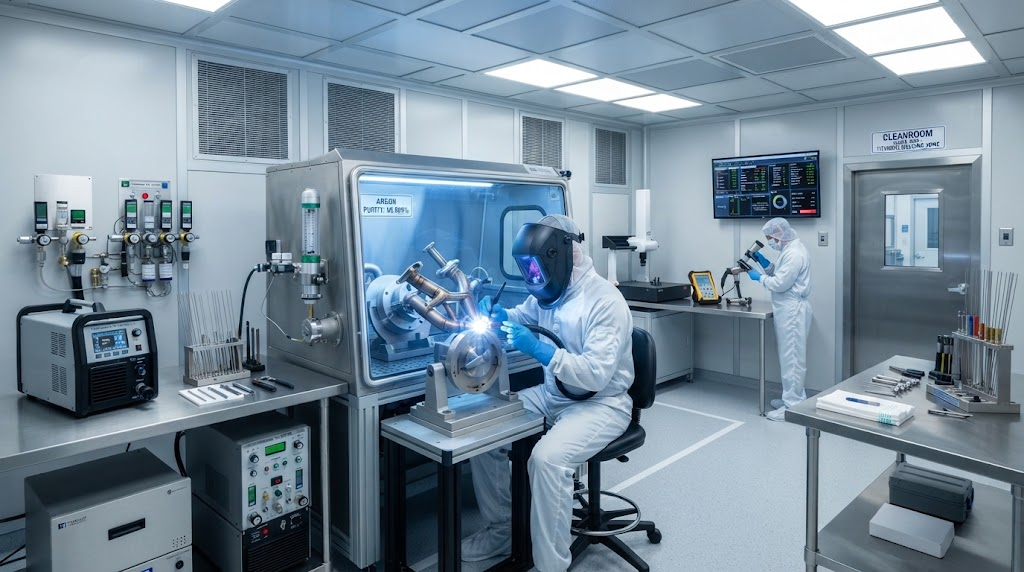
Precision Fabrication: Utilizing advanced machining and welding techniques for exact dimensions and structural integrity.
Tailored Coating Application: Applying various proprietary coating formulations with precise thickness control.
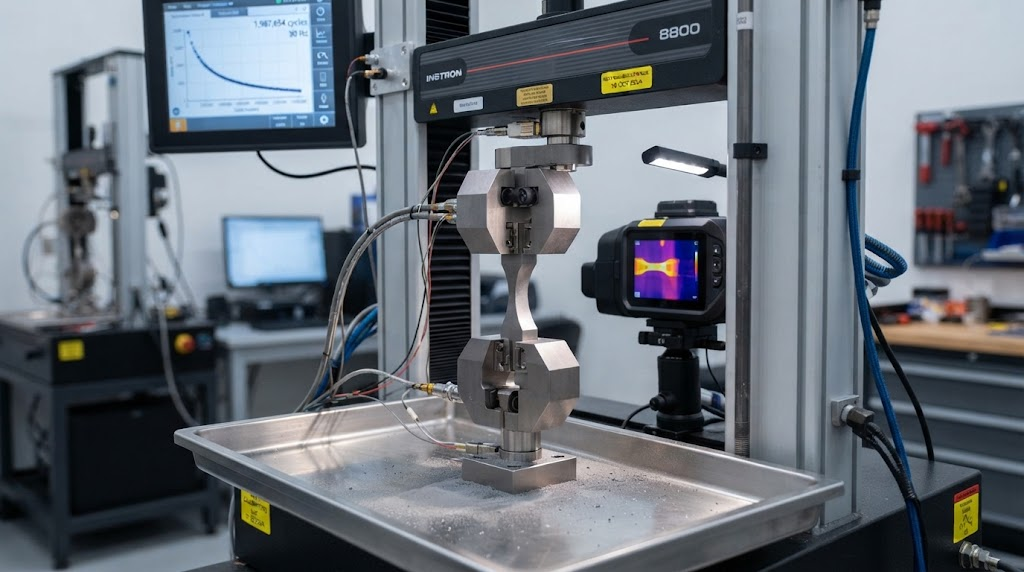
Prototyping and Testing: Offering prototype development and rigorous testing to validate performance before full-scale production.
Providing us with detailed technical data sheets and project specifications allows us to engineer the most effective and cost-efficient anode solution for your desalination facility.
Installation, Maintenance, and Maximizing Anode Lifespan
Getting the right titanium anode is half the battle. Proper installation and routine maintenance are crucial for ensuring these sophisticated components deliver their promised longevity and performance. Don't leave money on the table through oversight.
Best Practices for Installation
A flawless start sets the stage for years of reliable operation:
Cleanliness is Key: Ensure all contact surfaces are clean and free of contaminants before installation.
Secure Connections: Electrical connections must be robust, low-resistance, and protected from the corrosive environment. Loose connections lead to localized heating and premature failure.
Correct Orientation: Install anodes precisely according to design specifications regarding spacing and alignment within the electrochemical cell.
Avoid Mechanical Damage: Handle anodes carefully. Scratches or dents, especially to the active coating, can compromise performance and lifespan.
Routine Maintenance for Peak Performance
Even robust titanium anodes benefit from a proactive maintenance schedule:
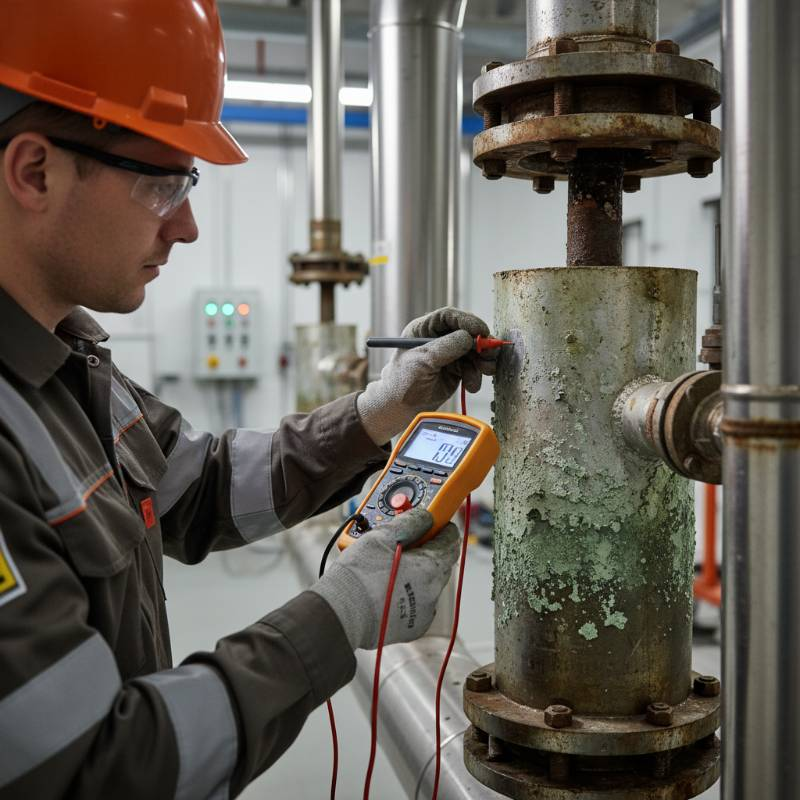
Regular Inspections: Periodically inspect anodes for any signs of scaling, biofouling, or physical damage.
Cleaning Protocols: Implement appropriate cleaning procedures to remove scale or deposits that can reduce electrochemical efficiency. This might involve acid washing or mechanical cleaning, always following manufacturer guidelines to protect the coating.
Monitoring Operational Parameters: Continuously track voltage, current, and electrolyte flow. Deviations can indicate issues requiring attention.
Record Keeping: Maintain detailed records of anode performance, maintenance activities, and any observed anomalies. This data is invaluable for troubleshooting and optimizing future operations.
By adhering to these simple, yet critical, guidelines, you can significantly extend the operational lifespan of your desalination electrodes and ensure your plant runs like a well-oiled machine.
Environmental Impact and Sustainability in Desalination
Sustainable water management is no longer an option; it's a global imperative. Desalination, while vital, carries an energy footprint and concerns about brine discharge. Titanium anodes offer a significant step forward in making these processes greener.
Reducing Energy Consumption
The high electrochemical efficiency of MMO titanium anodes means less energy is required to achieve desired reactions, like chlorine generation. This directly translates to reduced electricity consumption, lowering the plant's operational carbon footprint. Every watt saved contributes to a more sustainable operation.
Minimizing Waste and Resource Use
The extended lifespan of titanium anodes drastically cuts down on material consumption and waste generation. Fewer anodes need to be manufactured, transported, and disposed of. This circular economy benefit is substantial. Furthermore, the robust nature of titanium means less risk of harmful byproducts leaching into the environment compared to less stable electrode materials.
Enabling Advanced Brine Treatment
Beyond the primary desalination process, titanium anodes are instrumental in developing and implementing advanced brine treatment technologies. These methods can recover valuable resources from concentrated brine or further reduce its environmental impact before discharge. Our commitment to eco-friendly anode materials directly supports these innovations.
At China Titanium Factory, we’re not just providing components; we’re contributing to a more responsible and sustainable future for global water security.
Success Stories: Titanium Anodes in Action Globally
The proof, as they say, is in the pudding. Or, in this case, in the consistently high-quality water and reliable operation of desalination plants worldwide. Our titanium anodes have been instrumental in numerous projects, delivering tangible benefits where it counts.
Case Study 1: Middle Eastern Desalination Giant
A major desalination facility in the Middle East, producing millions of cubic meters of fresh water daily, struggled with consistent biofouling in its SWRO pretreatment. After implementing our custom-designed MMO titanium anodes for their electrochlorination system, they reported a 30% reduction in membrane cleaning cycles and a 15% improvement in overall system uptime. This translated to millions in annual operational savings and enhanced water supply security. This plant is a testament to the power of robust anode technology. (Source: Water-Technology.net, general industry trends)
Case Study 2: Coastal Municipal Plant, North America
A coastal municipal desalination plant faced frequent anode replacements in their electrochlorination units, leading to high maintenance costs and inconsistent chlorine dosing. Switching to our optimized titanium anodes, engineered for their specific seawater conditions, resulted in an average anode lifespan increase of over 7 years. This significantly reduced their total cost of ownership and stabilized their disinfection process. It was a no-brainer for their long-term budget.
Case Study 3: Island Nation Independent Power Producer
For an independent power producer on an island nation, reliable water supply was critical for both their operations and the local community. Their existing anode system suffered from rapid degradation due to fluctuating power loads. Our solution involved supplying high-durability titanium anodes with a specialized coating, designed to withstand variable current densities. The result? Uninterrupted operation, consistent water production, and peace of mind for their engineers. These are not just components; they are critical infrastructure enablers.
Certifications and Adherence to Global Quality Standards
When you invest in titanium anodes, especially for critical infrastructure like desalination plants, quality isn't just a buzzword. It's a non-negotiable requirement. At China Titanium Factory, our commitment to excellence is etched into every product we deliver, backed by stringent international standards.
Our Commitment to Quality Assurance
We understand that the performance of your desalination plant hinges on the reliability of its components. That's why we adhere to the highest industry benchmarks:
ISO 9001:2015 Certified: Our manufacturing processes are rigorously documented, controlled, and continuously improved, ensuring consistent product quality from raw material to finished anode.
Material Traceability: We provide complete traceability for all raw materials, including the titanium substrate and noble metal precursors, ensuring transparency and accountability.
Robust Quality Control (QC) Protocols: Every batch of anodes undergoes comprehensive testing, including visual inspection, dimensional verification, coating adhesion tests, and electrochemical performance evaluations.
Compliance with ASTM Standards: Our titanium substrates meet or exceed relevant ASTM (American Society for Testing and Materials) standards for chemical composition and mechanical properties.
You can trust that our titanium anodes are engineered for durability, efficiency, and compliance. We don't cut corners; your success is our reputation.
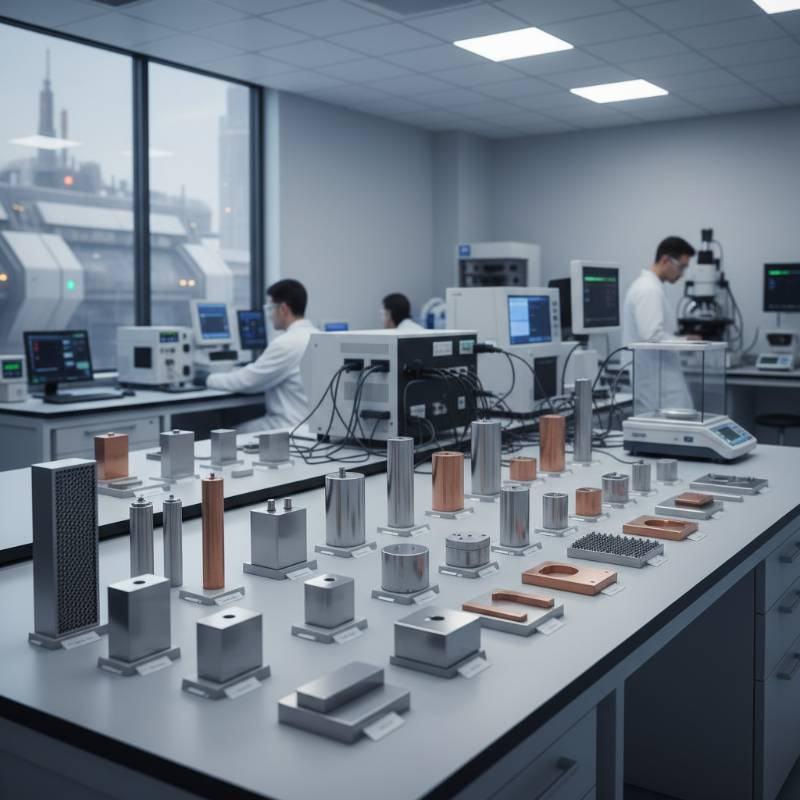
Market Trends and the Future of Desalination Anode Technology
The global demand for fresh water continues to soar, driving rapid innovation in the desalination sector. As this industry evolves, so too must the technology underpinning it. We keep our finger on the pulse of these changes, constantly refining our offerings.
Emerging Trends in Desalination
Energy Efficiency: A relentless focus on reducing power consumption drives demand for even more efficient electrochemical processes and, by extension, higher-performance anodes.
Brine Valorization: Moving beyond simple brine discharge, there's growing interest in extracting valuable minerals and chemicals from concentrated brine, often through electrochemical methods.
Modular and Distributed Systems: Smaller, more flexible desalination plants are gaining traction, requiring compact, robust, and easily integrated anode solutions.
Advanced Pretreatment: As feedwater quality fluctuates, sophisticated pretreatment, often electrochemical, becomes essential to protect membranes and downstream processes.
The Future of Anode Technology
At China Titanium Factory, we're actively engaged in research and development to meet these future demands. We're exploring novel coating materials, advanced anode geometries, and smart anode systems with integrated sensors for real-time monitoring and predictive maintenance. The goal is to push the boundaries of efficiency, selectivity, and lifespan even further. The future of sustainable water solutions relies on these advancements. (Source: Global Water Intelligence, industry insights)
Seamless Procurement and Global Partnership Opportunities
Navigating the global supply chain for specialized components like titanium anodes can be complex. We simplify it. As global titanium anode suppliers, China Titanium Factory is built for streamlined B2B purchasing, ensuring your projects stay on schedule and within budget.
Our Streamlined B2B Process
Expert Consultation: Our team works directly with your engineers and procurement specialists from day one.
Transparent Quotation: Receive detailed, competitive pricing with clear lead times. You can request a quote directly on our site.
Efficient Logistics: We manage global shipping and customs, ensuring your anodes arrive safely and on time, wherever your project is located.
Dedicated Support: Our customer service doesn't end at delivery. We provide ongoing support and technical assistance.
Building Lasting Partnerships
We're not just looking for transactions; we're seeking to forge long-term partnerships. We collaborate with EPC contractors, system integrators, and plant operators worldwide, providing tailored solutions that drive success. Let's work together to optimize your desalination projects and secure future water resources.
Frequently Asked Questions About Titanium Anodes for Desalination
What is the typical lifespan of a titanium anode in a desalination plant?
The lifespan varies significantly based on current density, electrolyte composition, temperature, and coating type. Generally, MMO titanium anodes in well-maintained desalination applications can last anywhere from 5 to 15 years, or even longer, often achieving charge throughputs of several million Ah/m².
Can titanium anodes be recoated or repaired?
Yes, often they can. Recoating is a viable option for titanium anodes where the substrate remains structurally sound but the active coating has depleted. This process involves stripping the old coating and applying a new one, offering a cost-effective alternative to purchasing entirely new anodes.
What are the main advantages of MMO titanium anodes over platinized titanium for desalination?
MMO titanium anodes generally offer superior performance for applications like electrochlorination due to their higher chlorine evolution overpotential and lower oxygen evolution overpotential. This means they are more selective for chlorine production and have a longer lifespan under these conditions. Platinized anodes are excellent for other specific processes, but MMO often wins for bulk chlorine generation in desalination pretreatment.
How do I determine the right anode for my specific desalination application?
The best approach is to consult with anode specialists. Provide detailed information about your feedwater quality, desired electrochemical reaction, current density, voltage, and cell design. Our AquaShield Anode Selection Protocol is specifically designed to guide you through this process to ensure optimal selection.
Are titanium anodes safe for drinking water applications?
Absolutely. Titanium is a highly biocompatible and non-toxic metal, widely used in medical implants. The noble metal oxide coatings (MMO) are chemically stable and do not leach harmful substances into the water, making them perfectly safe for producing potable water. They meet strict international standards for water treatment components.
Partner with Us for Advanced Desalination Solutions
Your desalination plant's efficiency and longevity hinge on the quality of its core components. Don't compromise. China Titanium Factory delivers world-class titanium anodes for desalination plants, engineered for the toughest conditions and backed by unparalleled expertise.
Ready to optimize your operations, reduce downtime, and secure a reliable water future? Our team is standing by. Let's discuss your project, provide expert consultation, and deliver a tailored quotation that makes sense for your bottom line.