















The Role of Titanium in Small Modular Reactor (SMR) Innovation
The global shift toward decentralized, carbon-free energy has propelled Small Modular Reactors (SMR) to the forefront of nuclear engineering. Unlike traditional large-scale reactors, SMRs require materials that can withstand intense neutron flux and corrosive cooling environments within a compact footprint.
As a leading manufacturer, we have seen SMR technology evolve to demand nuclear reactor materials that prioritize long-term structural integrity. Titanium alloys in nuclear power are no longer optional; they are a fundamental requirement for Gen IV reactor designs.
China Titanium Factory specializes in the production of high-grade Small Modular Reactors components, ensuring that every forged ring and CNC-machined valve meets the rigorous safety standards of the 2026 nuclear landscape.
Technical Advantages: Why Titanium Outperforms Traditional Alloys
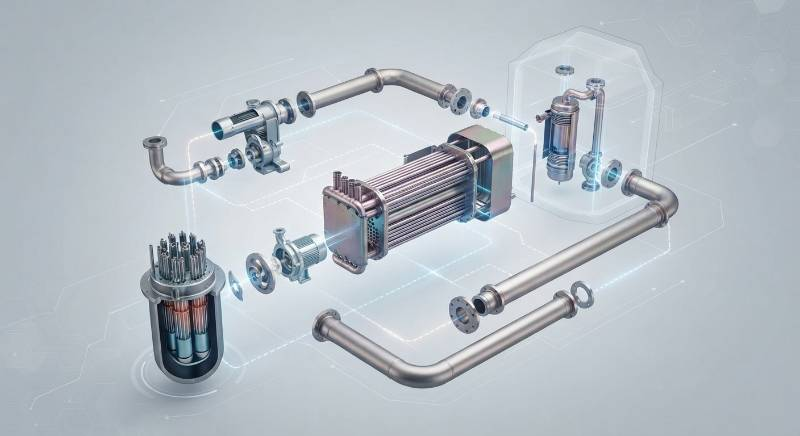
Titanium components for Small Modular Reactors (SMR) provide critical resistance to radiation embrittlement and boric acid corrosion while maintaining a low neutron absorption cross-section. These properties enable thinner-walled heat exchangers and more efficient cooling loops, directly extending the 60-year operational lifespan of Gen IV nuclear facilities.
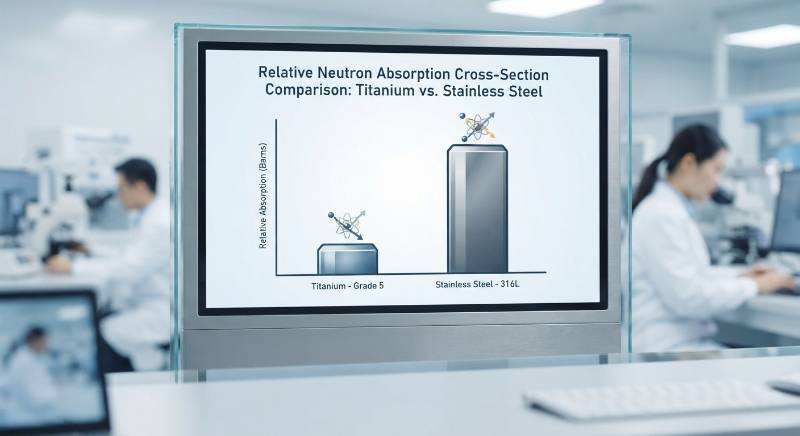
One of the most significant metrics in nuclear metallurgy is the neutron absorption cross-section. Titanium’s low cross-section (approximately 6.1 barns) compared to stainless steel ensures that reactor efficiency is maximized while minimizing parasitic neutron loss.
Furthermore, radiation resistance is paramount. In our manufacturing experience, titanium alloys exhibit significantly lower rates of radiation embrittlement resistance than traditional ferritic steels, making them ideal for reactor internals that face constant bombardment.
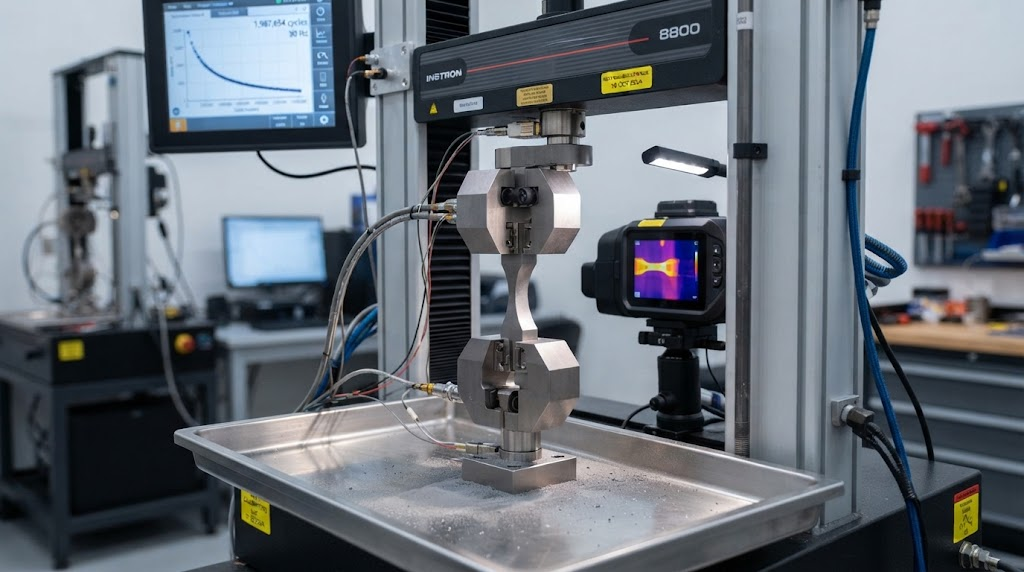
Engineering Insight: "In nuclear design, material fatigue is the enemy of safety. Titanium's fatigue limit in pressurized water environments is roughly 30% higher than nickel-based alloys." — Senior Nuclear Metallurgist, China Titanium Factory.
The thermal conductivity of Titanium Grade 5 Properties allows for rapid heat dissipation in emergency shutdown scenarios, a critical feature for the passive safety systems inherent in SMR designs.
The China Titanium Quality Protocol (CTQP) for Nuclear Safety
To meet the zero-tolerance requirements of the nuclear industry, we developed The China Titanium Quality Protocol (CTQP). This is a three-stage manufacturing framework designed for nuclear-grade titanium manufacturing.
Stage 1: Ultra-Sonic Mapping: Every ingot undergoes 100% volumetric ultrasonic testing (UT) to detect sub-surface inclusions that could lead to crack propagation.
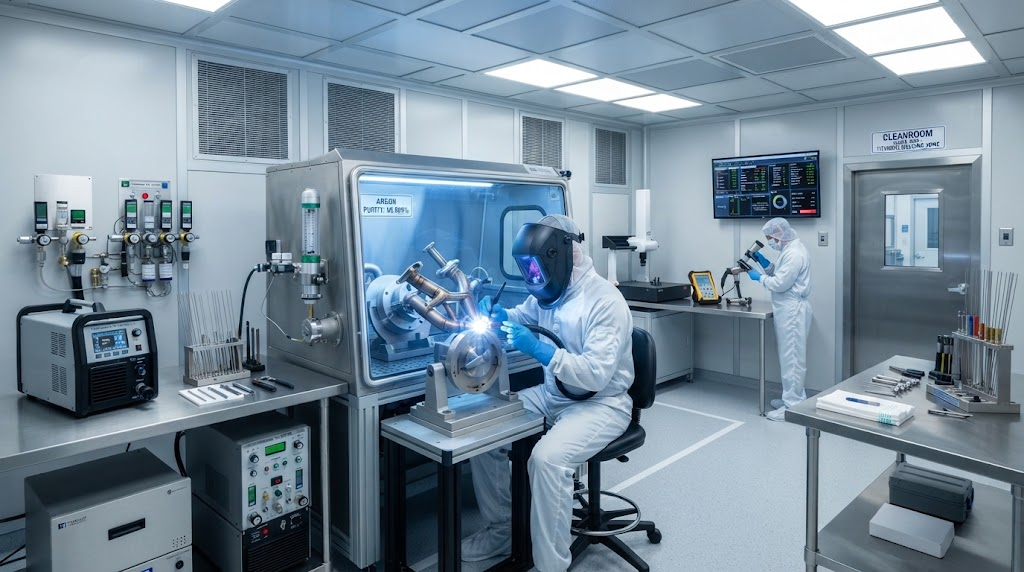
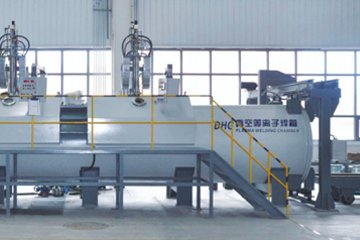
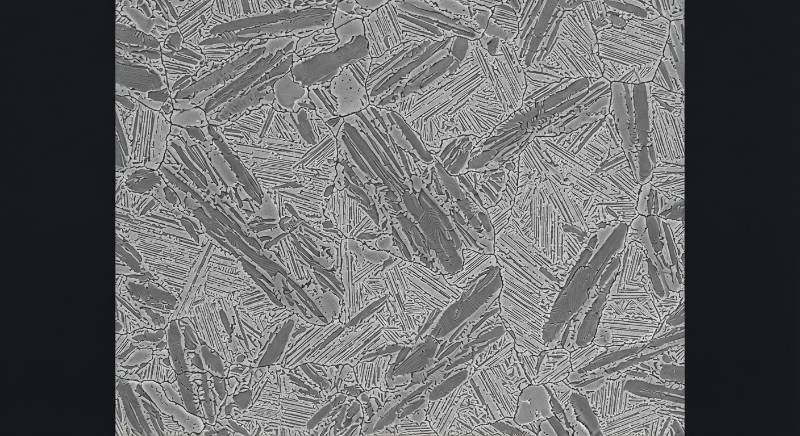
Stage 2: Micro-Grain Refinement: Using specialized vacuum arc remelting (VAR) techniques, we control the alpha-beta phase distribution to maximize stress corrosion cracking resistance.
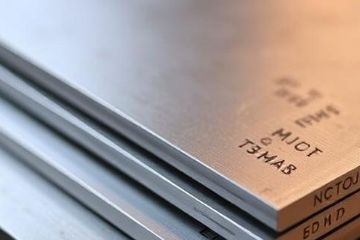
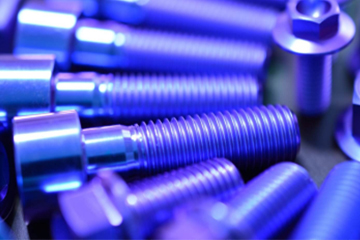
Stage 3: Zero-Defect Traceability: Every component, from a M12 bolt to a 2-meter forged ring, is laser-etched with a unique ID linked to its ASTM & AMS Material Certification Data.
We verify all nuclear-grade titanium alloys through Third-Party NDT Testing Verification, ensuring compliance with ASME BPVC Section III standards. This protocol guarantees that our traceability in titanium supply chains is unmatched in the global market.
Critical Titanium Components for SMR Applications
China Titanium Factory supplies a wide array of precision-engineered parts for the nuclear primary and secondary loops. Our production capacity allows us to manufacture components that meet the exact tolerances required for SMR modularity.
Titanium Steam Generator Tubes
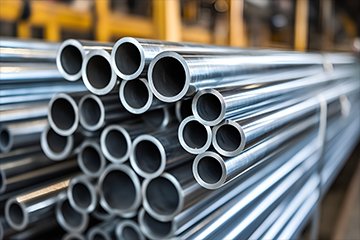
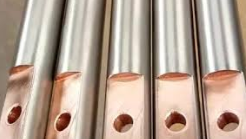
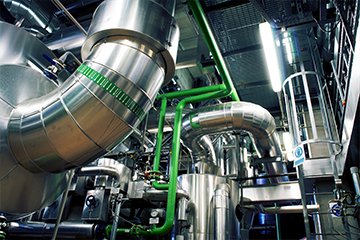
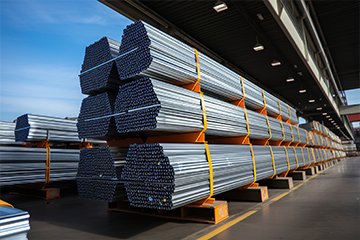
Our Titanium Heat Exchanger Tubes are specifically designed for boric acid resistance. In pressurized water reactors (PWR), titanium’s immunity to pitting in high-concentration boric acid solutions prevents the "denting" phenomenon common in alloy 600 tubes.
Reactor Pressure Vessel Internals
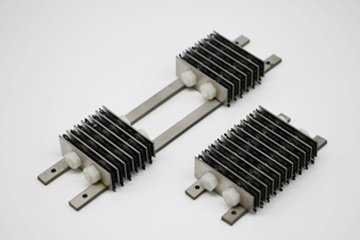
We provide Industrial Titanium Forgings for core support structures. These reactor internals must maintain dimensional stability under high thermal expansion coefficient fluctuations.
Precision CNC Control Rod Components
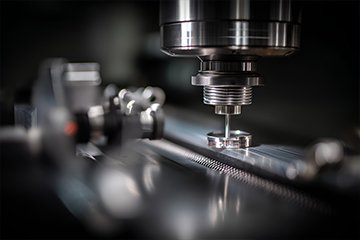
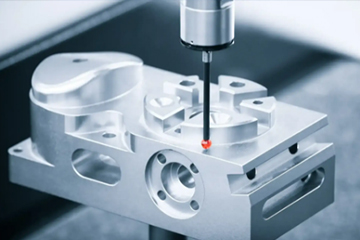
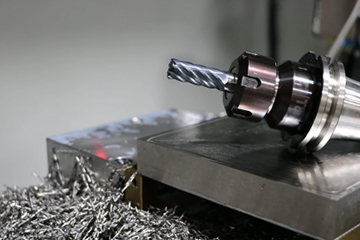
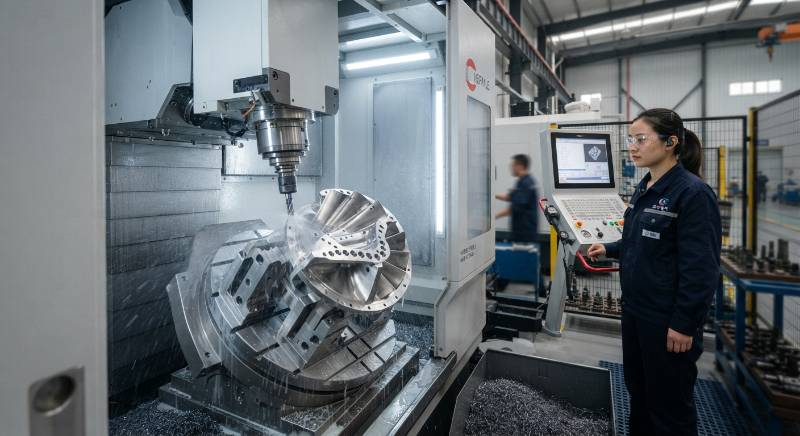
Our Precision CNC Machining Services produce control rod drive mechanisms (CRDM) with tolerances as tight as ±0.005mm. These CNC machined titanium parts are vital for the reactive control of the SMR core.
Overcoming Challenges: Radiation Embrittlement and Thermal Stress
The primary technical hurdle in SMR engineering is managing radiation embrittlement solutions over a 60-year lifespan. Standard titanium can sometimes accumulate interstitial impurities that lead to brittle failure.
To solve this, we utilize Grade 23 titanium ELI (Extra Low Interstitials). By reducing oxygen, nitrogen, and iron content, we significantly enhance the fracture toughness of the material. This is crucial for thermal stress management in the thin-walled containment structures of SMRs.
Our engineering team also implements specialized vacuum annealing cycles that stabilize the microstructure, ensuring the material remains ductile even after decades of International Atomic Energy Agency (IAEA) regulated exposure levels.
Case Study: Titanium Cooling Systems in Next-Gen SMRs
In early 2025, China Titanium Factory partnered with a leading Gen IV reactor developer to supply the primary cooling loop for a 300MWe SMR. The project required ASME Section III project compliance and 100% ultrasonic verification.
| Component | Material Grade | Testing Standard |
|---|---|---|
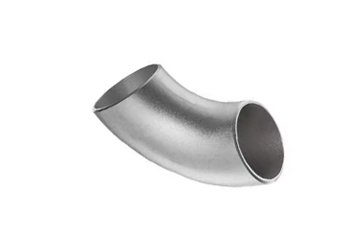
| Primary Piping | ASTM B338 Grade 2 | Hydrostatic & Eddy Current |
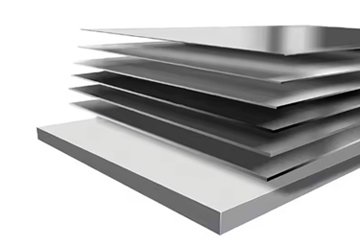
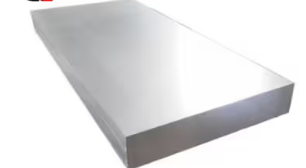
| Heat Exchanger Plates | ASTM B265 Grade 1 | Liquid Penetrant (LPT) |
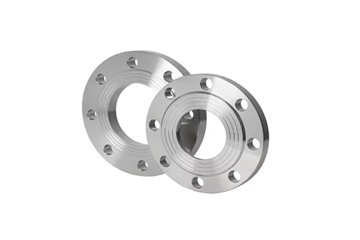
| Reactor Flanges | ASTM B381 Grade 5 | Ultrasonic (UT) Level IV |
The result was a 25% reduction in total cooling system weight and a projected 15% increase in heat transfer efficiency due to the ability to use thinner pipe walls without compromising safety margins.
Market Outlook: The Future of Titanium in Global Nuclear Energy
By 2026, the SMR market trends indicate a massive surge in demand for lightweight, corrosion-resistant materials. As countries aim for net-zero, the future of nuclear energy relies on the rapid deployment of modular units.
The titanium demand in the energy sector is expected to grow by 12% annually through 2030. We are expanding our production lines to accommodate the specialized needs of sustainable nuclear power, focusing on Gen IV Reactors that operate at higher temperatures where titanium's creep resistance is a decisive advantage.
Frequently Asked Questions About Nuclear-Grade Titanium
What certifications are required for SMR titanium components?
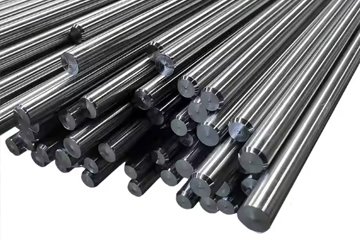
Components must comply with ASME Section III for nuclear pressure vessels and ASTM B348 for bar stock. China Titanium Factory provides full titanium nuclear certification including MTRs (Material Test Reports).
Why is Grade 2 often preferred over Grade 5 for piping?
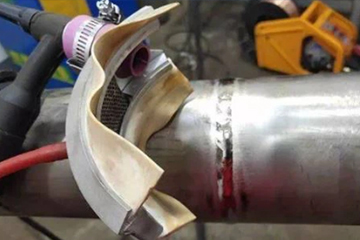
While Grade 5 is stronger, Grade 2 offers superior weldability and ductility, which is critical for the complex piping geometries found in nuclear cooling loops.
What are the typical titanium lead times for nuclear projects?
Due to our integrated supply chain, we offer titanium lead times of 6-10 weeks for standard forgings, significantly faster than the industry average of 20+ weeks.
Ready to Engineer the Future of Nuclear Safety?
Partner with China Titanium Factory for ASME-certified, nuclear-grade titanium components tailored to your SMR specifications.