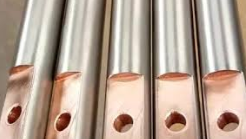
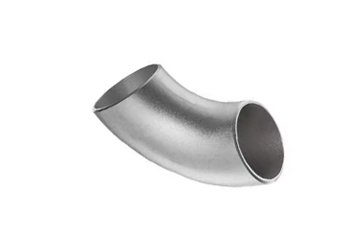
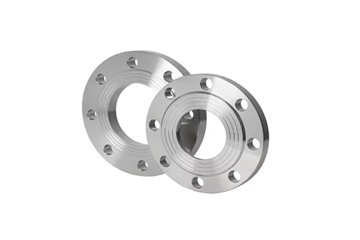
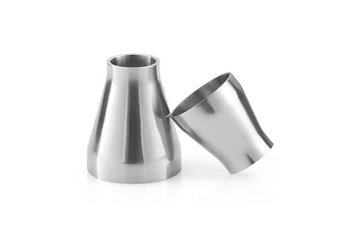
Selecting the correct titanium grade for marine and saltwater operations requires evaluating the interplay of operating temperature, mechanical load, hydrodynamic shear, and tight gasket geometry. In ambient and elevated-temperature seawater, titanium alloys rely on the instantaneous, spontaneous formation of a self-healing titanium dioxide (TiO2) passive oxide film that guarantees zero uniform corrosion, pit-free service, and complete immunity to microbiologically influenced corrosion (MIC).
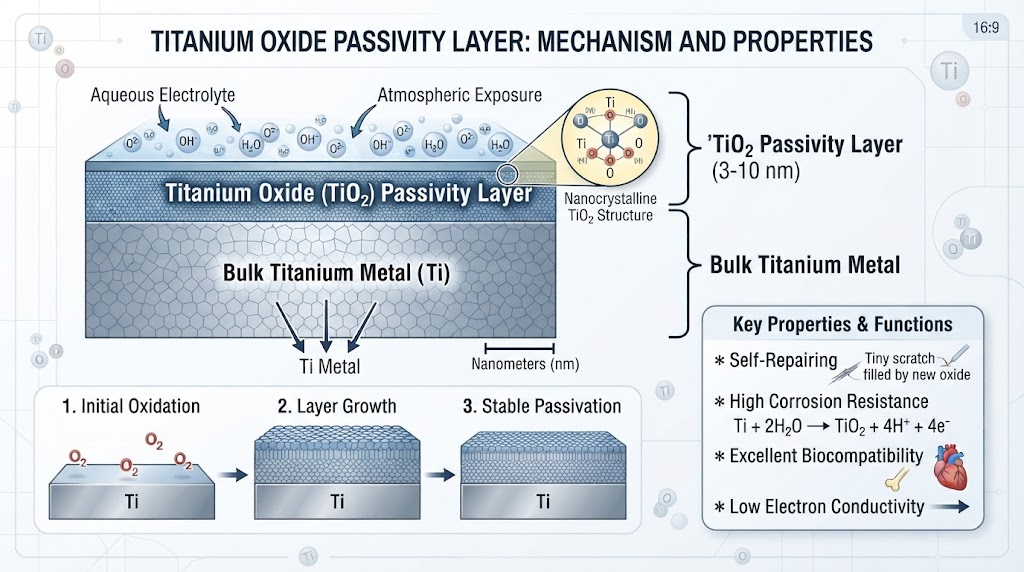
The protective passive film consists primarily of amorphous and crystalline TiO2 (rutile and anatase forms) measuring 2 to 10 nm in thickness. Unlike copper-nickel or standard austenitic stainless steels, this passive layer repassivates in aerated seawater in less than 10 milliseconds when mechanically damaged. This mechanism eliminates pitting corrosion resistance concerns across typical oceanic salinity profiles (32,000 to 45,000 ppm TDS chlorides).
Corrosion Rate Metric: According to empirical marine test data conforming to ASTM B265, titanium exhibits a general corrosion rate in continuous, aerated seawater of less than 0.0001 mm/year (0.004 mils/year), retaining an effectively infinite service life across deepwater, splash zone, and intertidal exposures.
Microbiologically influenced corrosion (MIC) causes catastrophic failures in marine piping made from 316L, 904L, and 90/10 copper-nickel. Sulfate-reducing bacteria (SRB) and iron-oxidizing bacteria thrive under sessile marine biofilms, creating localized anaerobic microenvironments. Titanium is chemically inert to bacterially generated hydrogen sulfide (H2S), ammonia, and organic acids, preventing MIC-induced sub-deposit pitting entirely.
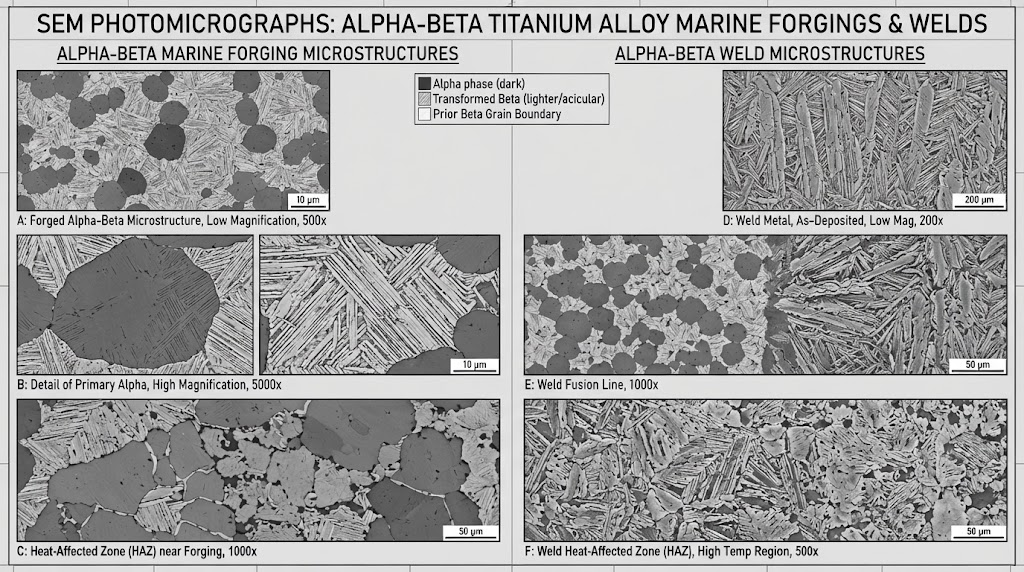
Hydrodynamically, titanium alloys resist severe impingement, cavitation, and erosion-corrosion. In turbulent, sand-laden seawater containing suspended solids up to 30,000 mg/L, titanium retains structural integrity at continuous velocities exceeding 36 m/s (120 ft/s). By comparison, Cu-Ni 90/10 alloys degrade rapidly above 1.5–2.0 m/s due to shear stripping of their fragile cuprous oxide film.
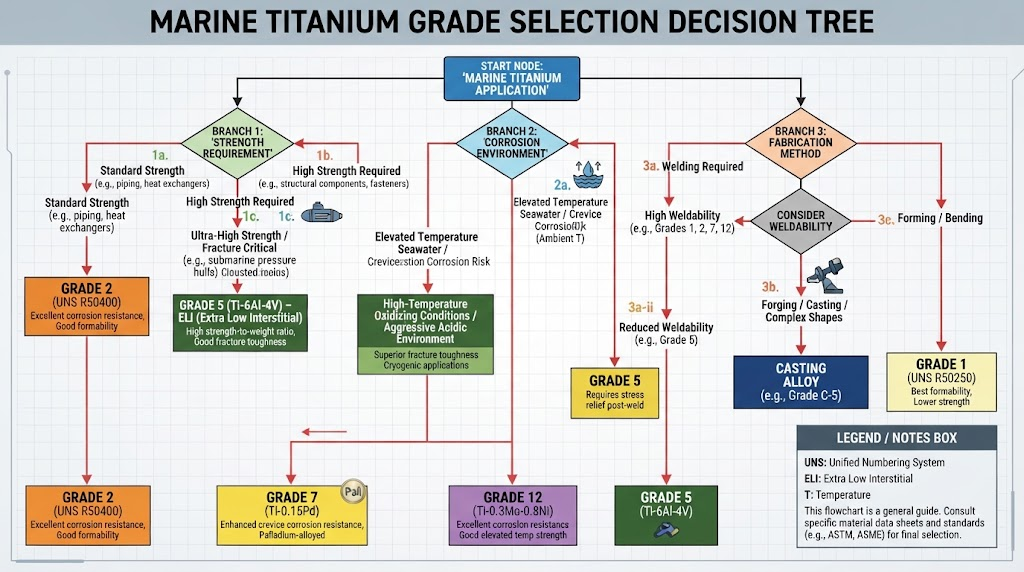
Engineers evaluate Commercially Pure (CP) grades (Grade 1, 2) alongside Alpha-Beta alloys (Grade 5, 9, 23) and Platinum-Group-Metal (PGM) enhanced grades (Grade 7, 12). Each grade delivers distinct yields of mechanical load resistance, thermal crevice limits, and cold formability.
| ASTM Grade | Nominal Composition | Yield Strength (min, MPa) | Tensile Strength (min, MPa) | Critical Crevice Temp in Seawater | Primary Marine Applications |
|---|---|---|---|---|---|
| Grade 1 (UNS R50250) | CP Ti (Low O2) | 170 | 240 | 75°C (167°F) | Plate heat exchanger deep-draw plates, explosive cladding |
| Grade 2 (UNS R50400) | CP Ti (Standard O2) | 275 | 345 | 75°C–80°C | Seawater piping, ballast intake lines, shell-and-tube condensers |
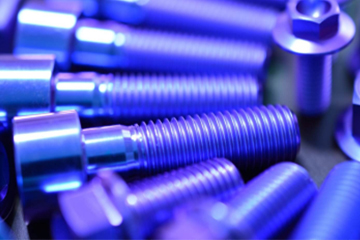
| Grade 5 (UNS R56400) | Ti-6Al-4V | 828 | 895 | 75°C (167°F) | Subsea housings, marine fasteners, ROV pressure vessels |
| Grade 7 (UNS R52400) | Ti-0.15Pd | 275 | 345 | > 250°C (> 482°F) | Thermal desalination brine heaters, low-pH chlorination scrubbers |
| Grade 9 (UNS R56320) | Ti-3Al-2.5V | 483 | 620 | 75°C (167°F) | Hydraulic subsea lines, offshore coiled tubing, high-pressure lines |
| Grade 12 (UNS R53400) | Ti-0.3Mo-0.8Ni | 345 | 483 | > 175°C (347°F) | Cost-effective elevated-temperature marine heat exchangers, PHEs |
| Grade 23 (UNS R56407) | Ti-6Al-4V ELI | 790 | 860 | 75°C (167°F) | Deep-ocean submersibles, drilling risers, dynamic offshore umbilicals |
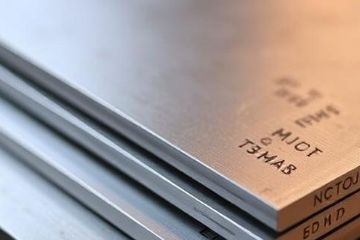
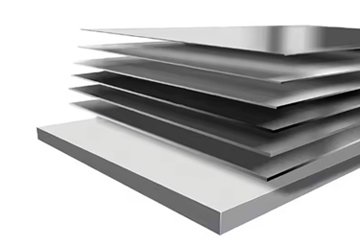
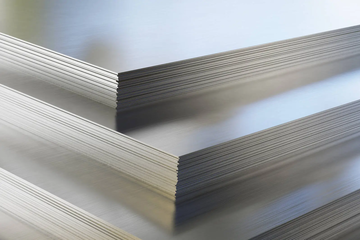
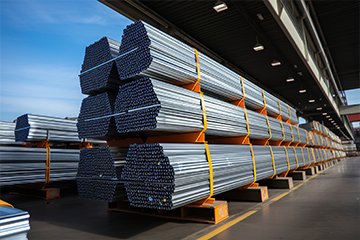
For low-stress containment and high-volume fluid circuits, procurement teams specify Titanium Grade 2 Plate and Sheet to balance weldability, cost, and corrosion resistance.
To eliminate material misallocation in offshore systems, engineering teams apply a systematic qualification process: the Marine Enviro-Mechanical Selection (MEMS) Protocol. This four-stage engineering sequence identifies the correct alloy based on real-world oceanographic conditions.
Thermal and pH Boundary Profiling: Determine maximum continuous fluid temperature and bulk chloride concentration. If operating temperatures exceed 75°C (167°F) with tight mechanical crevices (flange faces, tube-to-tubesheet joints), eliminate unalloyed CP grades to prevent localized crevice attack.
Mechanical Stress & Hydrostatic Pressure Calculation: Evaluate mechanical load paths. For internal pressure containment or deep-sea external hydrostatic pressures exceeding 15 MPa (150 bar), select alpha-beta alloys (Grade 5, 23) or near-alpha alloys (Grade 9) to reduce vessel wall thickness.
Fracture Toughness & Hydrogen Embrittlement Assessment: For subsea components exposed to cathodic over-protection (potentials more negative than -900 mV vs. Ag/AgCl), specify Extra Low Interstitial (Grade 23 ELI) material to prevent environmental cracking.
Fabricability and Cost Optimization: Where cold-forming, expansion rolling, or complex welding is required, prioritize Grade 2 or Grade 12 before moving to palladium-bearing alloys (Grade 7).
While unalloyed titanium is immune to pitting in boiling seawater, Commercially Pure Grade 2 titanium becomes susceptible to crevice corrosion under tight physical clearances (flanged joints, elastomeric gaskets, sediment deposits) when temperatures exceed 75°C to 80°C in high-salinity brines.
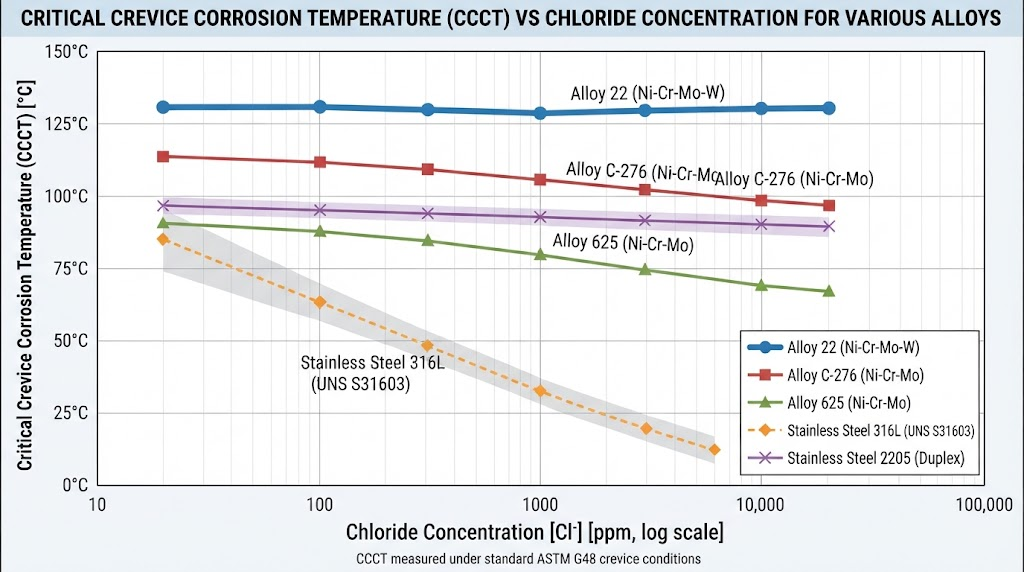
Within a microscopic crevice, dissolved oxygen depletes faster than it can diffuse inward from the bulk seawater. The local solution shifts acidic (pH dropping below 1.5) due to the hydrolysis of titanium chloride ions:
Ti4+ + 4H2O → Ti(OH)4 + 4H+
To address this limitation, metallurgists utilize PGM alloying. Grade 7 incorporates 0.12%–0.25% palladium. The palladium particles act as micro-cathodes on the metal matrix, driving the local electrochemical corrosion potential into the noble passivity zone where TiO2 repairs instantly, even in deoxygenated, pH 1.0 acid-chloride solutions up to 250°C.
Grade 12 (0.3% Mo, 0.8% Ni) provides an economical alternative. Nickel and molybdenum intermetallic precipitates (Ti2Ni) suppress anodic dissolution and expand crevice corrosion immunity up to 175°C in neutral to moderately acidic marine brines.
Subsea oil and gas extraction requires materials that withstand extreme tensile stresses alongside corrosive seawater. Deepwater equipment, Autonomous Underwater Vehicles (AUVs), and Remotely Operated Vehicles (ROVs) rely on high-strength alpha-beta titanium alloys.
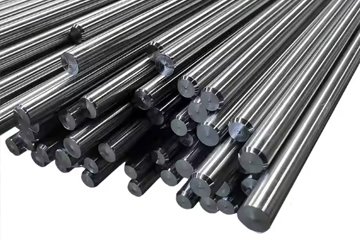
For large forged housings, structural manifolds, and dynamic subsea valve components, Titanium Grade 5 Subsea Forgings achieve yield strengths above 828 MPa, delivering double the specific strength of 25Cr Super Duplex stainless steel.
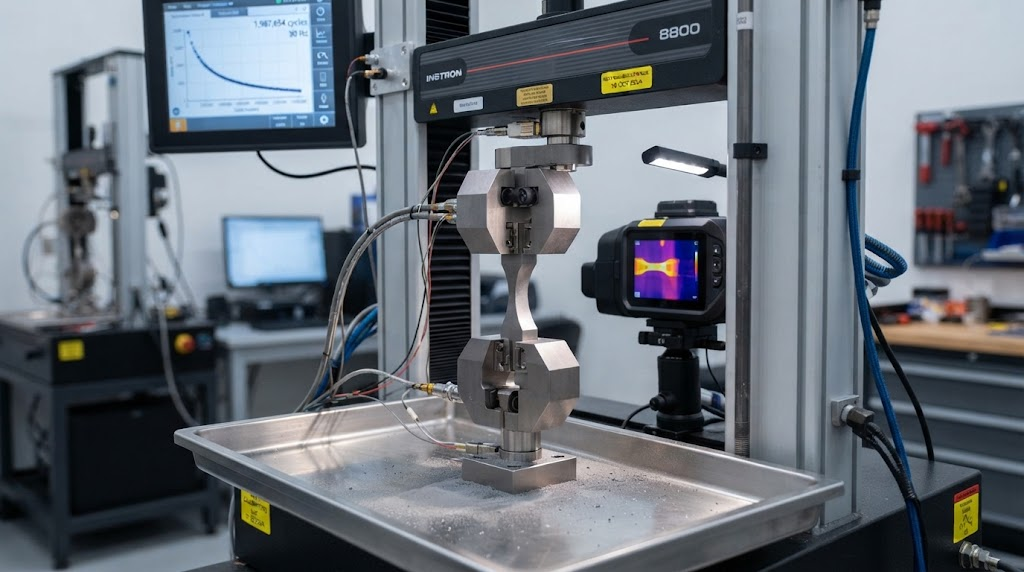
In critical offshore structural applications involving cyclic wave fatigue, low-temperature deepwater environments, or sour subsea reservoir fluids (H2S/CO2), Grade 23 (Ti-6Al-4V ELI) is the designated standard per NACE MR0175 / ISO 15156. By strictly limiting interstitial elements (O2 ≤ 0.13%, Fe ≤ 0.25%), Grade 23 raises fracture toughness (KIC ≥ 75 MPa√m) and eliminates stress corrosion cracking (SCC) vulnerabilities.
Different industrial sectors select titanium grades based on unique fluid, mechanical, and thermal constraints:
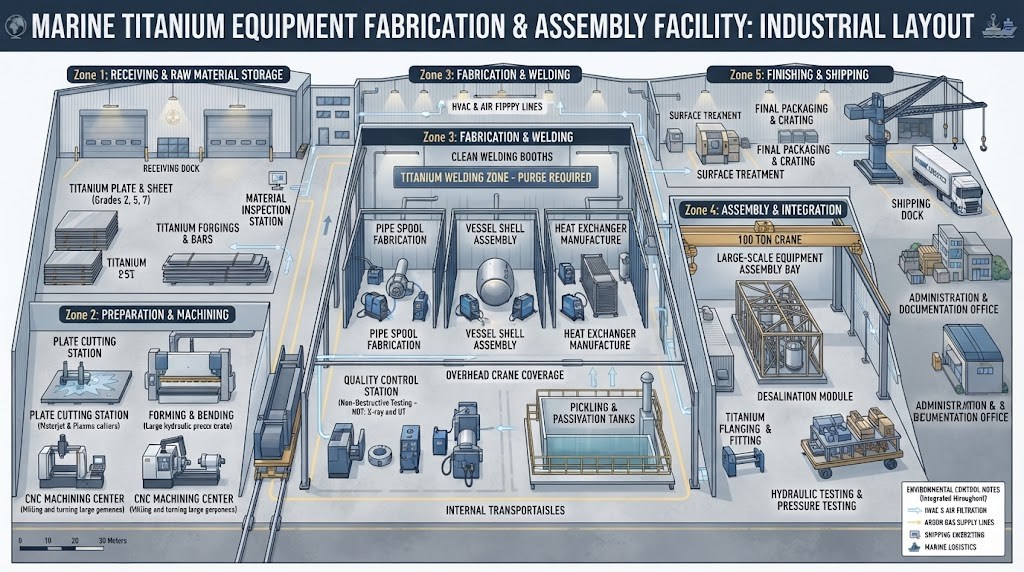
Thermal Desalination (MED/MSF) and SWRO: Multi-Effect Distillation (MED) systems utilize thin-walled welded tubes per ASTM B338. Condenser sections running below 70°C utilize Grade 2, while top brine heaters use Grade 7 or Grade 12 to withstand hot, scale-forming brine.
Plate Heat Exchangers (PHE): Cold-formed PHE plates require high ductility and precise stamping profiles, typically utilizing 0.5 mm or 0.6 mm Grade 1 sheet.
Offshore Production & Risers: Titanium stress joints and drilling risers use Grade 23 ELI and Grade 29 (ruthenium-modified) for flexible subsea catenary connections subject to millions of cyclic wave motions.
Naval Exhaust Scrubbers: Marine sulfur scrubbers encounter hot, acidic condensation (sulfuric acid mixtures) combined with high-velocity raw seawater spray. Grade 2 and Grade 12 withstand these acid-chloride environments where 316L and 254SMO fail rapidly.
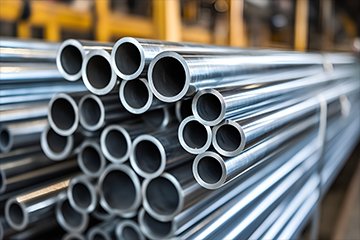
For shell-and-tube desalination, power plant condensers, and offshore cooler packages, selecting qualified Titanium Heat Exchanger Tubes compliant with ASTM B338 ensures zero chloride pitting and leak-free thermal efficiency.
On the galvanic scale in flowing seawater, titanium occupies an exceptionally noble position (+0.05 to +0.20 V vs. Saturated Calomel Electrode), close to platinum and noble graphite. When directly joined to active base metals, titanium acts as an efficient cathode, accelerating the galvanic attack of the coupled component.
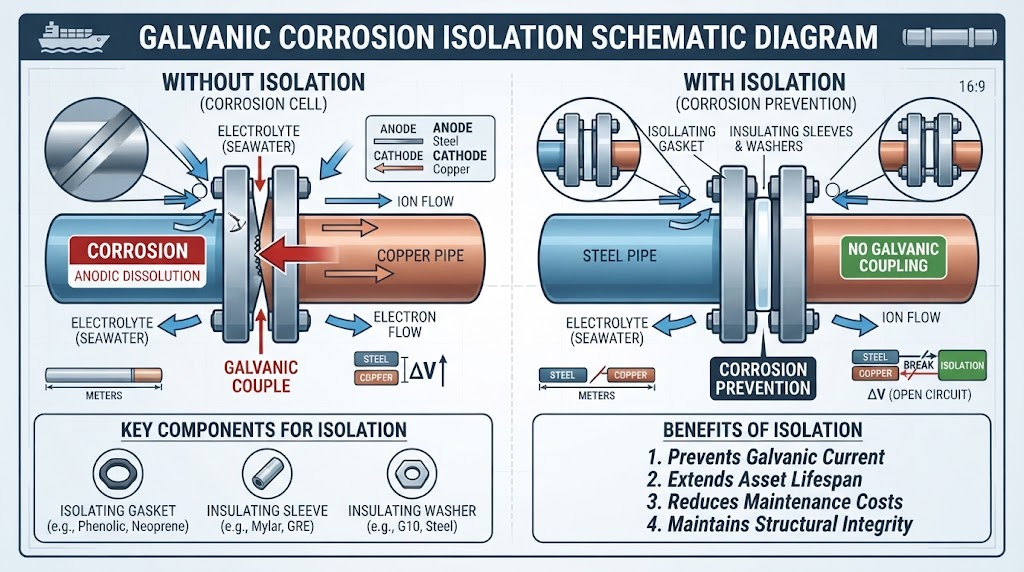
Engineers prevent galvanic acceleration on non-titanium components through standard mitigation methods:
Dielectric Isolation: Install high-integrity insulating flange kits (GRE G10/G11 sleeves and washers) combined with PTFE/EPDM seals to isolate titanium piping from carbon steel or bronze valves.
Surface Area Ratios: Never pair small active metal parts (carbon steel or 316 fasteners) with large titanium cathode surfaces. If dissimilar assemblies are unavoidable, coat the noble titanium surface to reduce cathode area.
Cathodic Protection Limits: When titanium assemblies are protected with aluminum, zinc, or impressed current cathodic protection (ICCP), keep electrical potentials positive relative to -850 mV (vs. SCE). Potentials more negative than -900 mV risk generating atomic hydrogen, causing sub-surface titanium hydride formation and structural embrittlement.
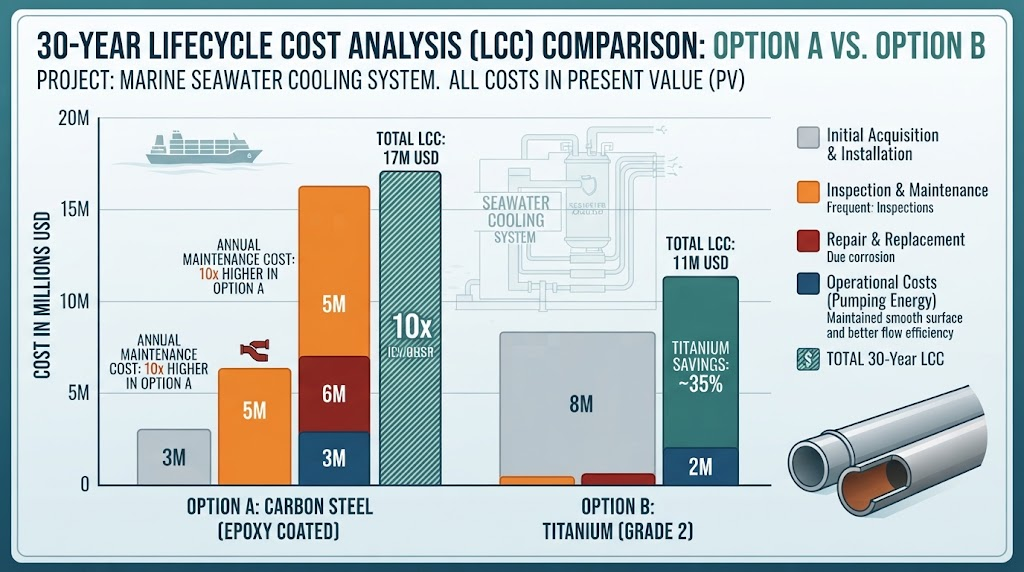
Although titanium carries a higher raw material purchase cost than 90/10 copper-nickel or Super Duplex (UNS S32750), a complete 30-year lifecycle cost analysis demonstrates a lower Total Cost of Ownership (TCO).
| Cost Factor | Carbon Steel (Lined) | Copper-Nickel (90/10) | Super Duplex 2507 | Titanium Grade 2 |
|---|---|---|---|---|
| Relative Initial CAPEX | 1.0x (Baseline) | 1.8x | 2.3x | 2.7x |
| Corrosion Allowance Required | 3.0 mm – 6.0 mm | 1.0 mm – 1.5 mm | 0.0 mm | 0.0 mm |
| Expected Replacement Interval | 5 – 7 Years | 10 – 12 Years | 15 – 20 Years | 30+ Years (Zero) |
| Biocide / Dosing Dependency | High (Scale/Rust) | Moderate | High (Chlorination) | Low / None Required |
| 30-Year Cumulative TCO | 4.8x Baseline | 3.1x Baseline | 2.6x Baseline | 1.8x Baseline |
Because titanium requires zero corrosion allowance, engineers can specify thinner tube walls (0.5 mm vs. 1.2 mm in Cu-Ni), significantly reducing total equipment weight on offshore floating platforms while lowering lifetime maintenance expenses.
Titanium marine fabrications require strict metallurgical quality controls to prevent micro-contamination during manufacturing. China Titanium Factory implements end-to-end verification standards across all production stages:
International Standard Compliance: Full compliance with ASTM B265 (plate/sheet), ASTM B338 (tubing), ASTM B348 (bar), and ASTM B381 (forgings).
100% Non-Destructive Testing: Ultrasonic inspection per AMS 2631 / ASTM E213 and full-length hydrostatic and eddy-current testing for heat exchanger tubing.
Chemical and Mechanical Traceability: Mill test certificates supplied to EN 10204 Type 3.1 as standard, with Type 3.2 third-party inspection (SGS, TÜV Rheinland, DNV) verified per project specifications.
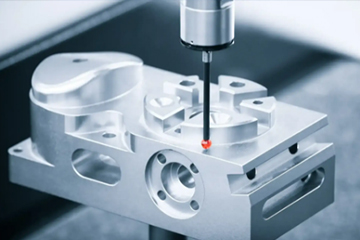
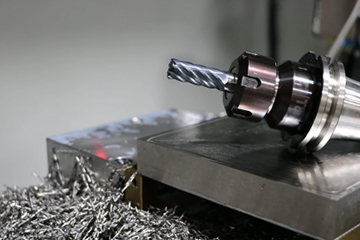
Low-Iron CNC Machining Environments: Specialized tooling prevents iron embedment during turning and milling, protecting the TiO2 passive layer from localized galvanic pitting.
For custom marine hardware, flanges, and complex valve assemblies, explore our turnkey Precision Marine CNC Machining Services.
Field installations validate titanium's theoretical corrosion performance in demanding offshore and coastal applications:
Case Study 1: Persian Gulf Desalination Overhaul (SWRO Intake System)
A 120,000 m3/day seawater reverse osmosis facility in the Persian Gulf faced pitting failures on 316L intake manifold lines every 14 months due to ambient seawater temperatures reaching 38°C and chlorination shocks. China Titanium Factory supplied 48 metric tons of seamless Grade 2 titanium piping (ASTM B861) and fabricated spool assemblies. After eight years of continuous operation, acoustic wall thickness measurements confirmed zero measurable metal loss (0.000 mm/year) across all sections.
Case Study 2: North Sea Subsea Manifold Retrofit
An offshore operator replaced Super Duplex 2507 hydraulic fluid distribution modules due to stress corrosion cracking in high-temperature subsea wellhead lines. China Titanium Factory manufactured custom Grade 5 (Ti-6Al-4V) forged manifold blocks tested per AMS 4928. The titanium retrofit reduced top-side weight by 42% while providing complete immunity to external marine crevice corrosion and internal aggressive chemical attack.
No. Titanium cannot rust because it contains no iron. In saltwater, it spontaneously builds an inert titanium dioxide (TiO2) passive layer that resists pitting, crevice, and uniform corrosion across natural marine environments.
Titanium pipe systems safely operate at seawater velocities exceeding 36 m/s (120 ft/s), even when carrying suspended silt and sand particles. This enables smaller pipe diameters compared to copper-nickel systems, which are restricted to 1.5–2.0 m/s.
Because titanium is non-toxic, barnacles, mussels, and algae can attach to static surfaces. However, marine biofouling causes zero under-deposit corrosion or pitting on titanium. Attached growth can be removed via water-jetting or continuous chlorination without damaging the base metal.
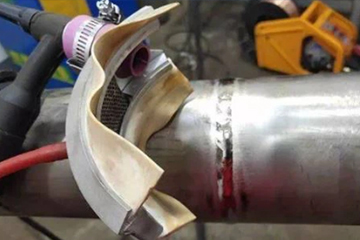
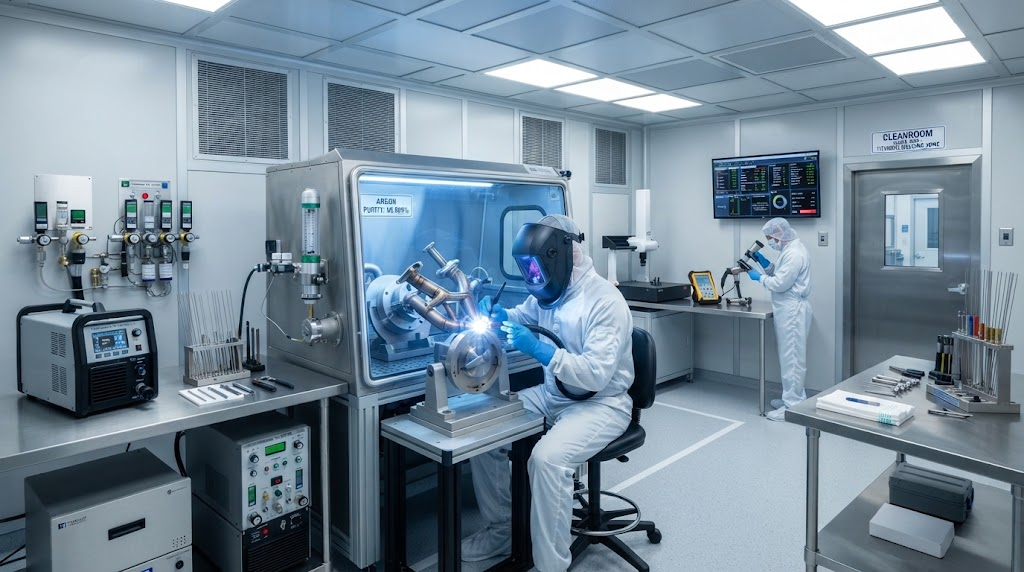
Welding titanium requires inert gas shielding (99.999% pure argon) across the weld pool, trailing shield, and root back-purge to prevent atmospheric contamination by oxygen and nitrogen at temperatures above 425°C (800°F).
China Titanium Factory supplies ASTM/ASME certified titanium plates, seamless tubes, forged housings, and CNC components for global offshore, desalination, and marine defense operations.
Request a Technical Quote


Contact Us
Room 21003, 10th Floor, Unit 2, Building 1, Xianning International Plaza, No.29 Xianning West Road, Beilin District, Xi'an City
Copyright © Xi'an Shiguang Jingyan Technology Co., Ltd. All Rights Reserved.