

















High-Performance Titanium Heat Exchangers for MSF Desalination
In the demanding landscape of global water security, Multi-Stage Flash (MSF) desalination remains a cornerstone for large-scale potable water production. As of 2026, the industry has decisively moved away from traditional copper-nickel (Cu-Ni) alloys toward titanium-based thermal systems.
Titanium heat exchangers offer an unparalleled solution to the aggressive corrosion environment inherent in high-temperature seawater processing. At China Titanium Factory, we engineer thermal components that withstand the extreme salinity and thermal stresses of modern MSF plants.
Working Principles: Titanium in the MSF Brine Cycle
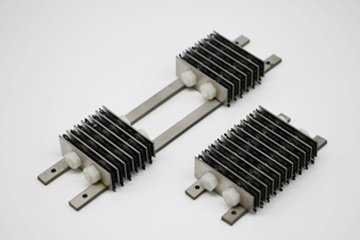
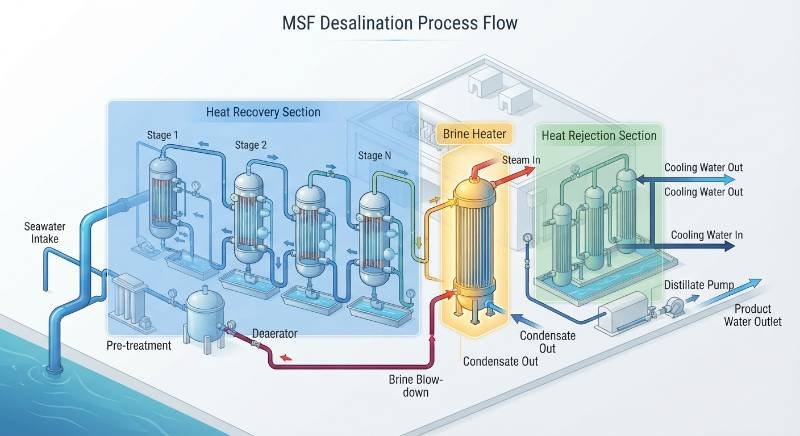
Titanium heat exchangers in MSF plants utilize the metal’s high thermal conductivity and immunity to chloride-induced stress corrosion cracking to facilitate heat transfer in the brine heater and recovery stages. These systems operate by passing heating steam through the shell side while seawater flows through titanium tubes, ensuring maximum heat recovery without the risk of wall thinning or pitting.
The core efficiency of an MSF plant relies on the brine heater and the heat recovery section. Titanium's high heat transfer coefficient allows for thinner tube walls compared to Cu-Ni, enhancing thermal efficiency while maintaining structural integrity under high-velocity flow.
Our manufacturing data indicates that titanium's resistance to erosion-corrosion allows for design velocities exceeding 3.0 m/s. This significantly reduces the fouling factor, as higher velocities naturally inhibit the deposition of marine organisms and scale.
Technical Specifications: ASTM B338 Grade 2 Standards
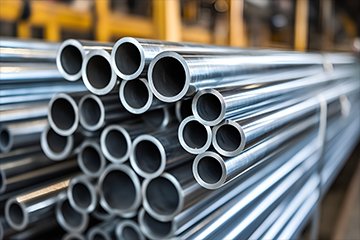
For MSF applications, ASTM B338 Titanium Tubes in Grade 2 are the industry standard. This commercially pure grade provides the optimal balance of ductility and strength required for complex tube-and-shell design.
"The metallurgical stability of Grade 2 titanium at temperatures up to 250°C makes it the only viable choice for MSF brine heaters where traditional materials suffer from denickelification." — Senior Metallurgist, China Titanium Factory
| Property/Element | Specification (Min/Max) |
|---|---|
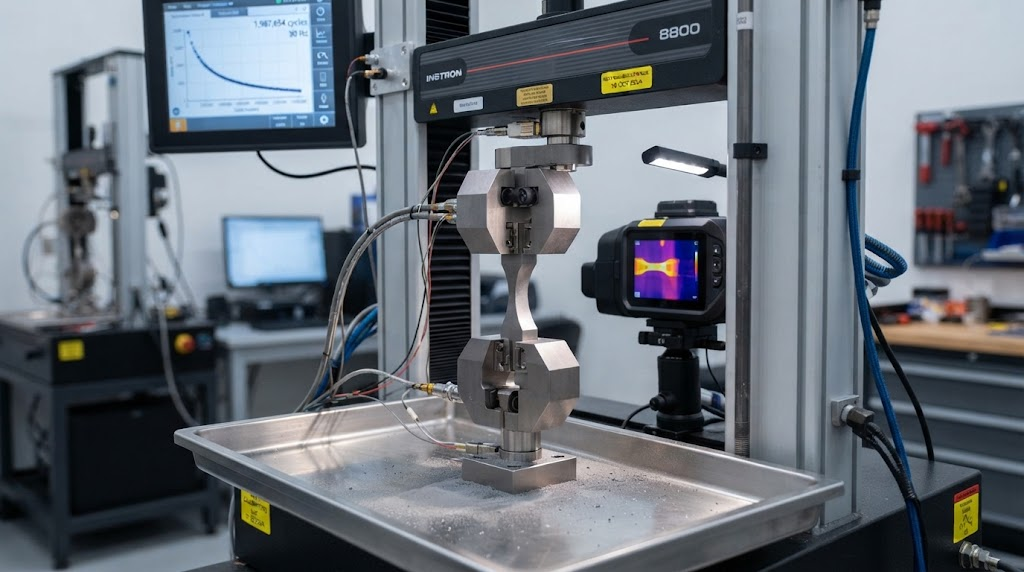
| Tensile Strength | 345 MPa (Min) |
| Yield Strength (0.2% offset) | 275–450 MPa |
| Iron (Fe) Content | 0.30% (Max) |
| Oxygen (O) Content | 0.25% (Max) |
We strictly adhere to Titanium Grade 2 Specifications, ensuring every batch meets ASME Section VIII pressure vessel requirements.
The China Titanium Quality Protocol: Our 10-Point Audit
To ensure zero-defect delivery for global EPC contractors, we employ "The China Titanium Quality Protocol." This proprietary methodology guarantees that every tube and forging exceeds international standards.
Raw Material Traceability: Every ingot is tracked via blockchain for chemical purity.
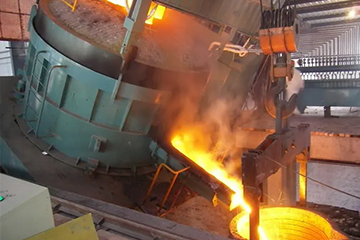
Vacuum Melting: Double or triple VAR melting to eliminate inclusions.
Precision Extrusion: Controlled wall thickness within +/- 0.05mm.
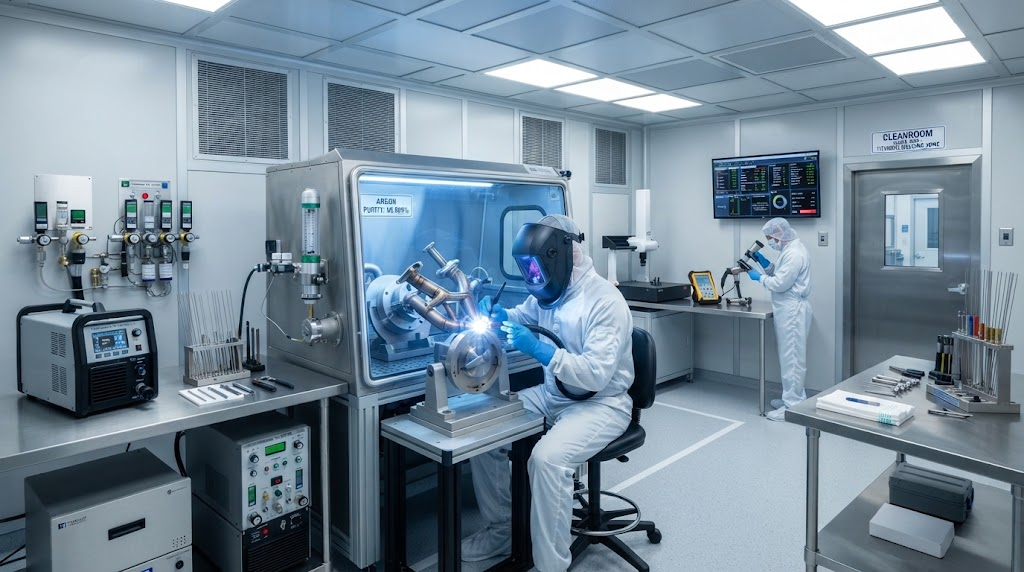
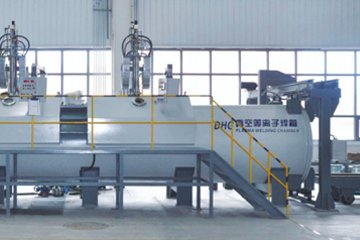
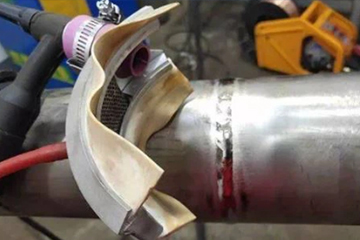
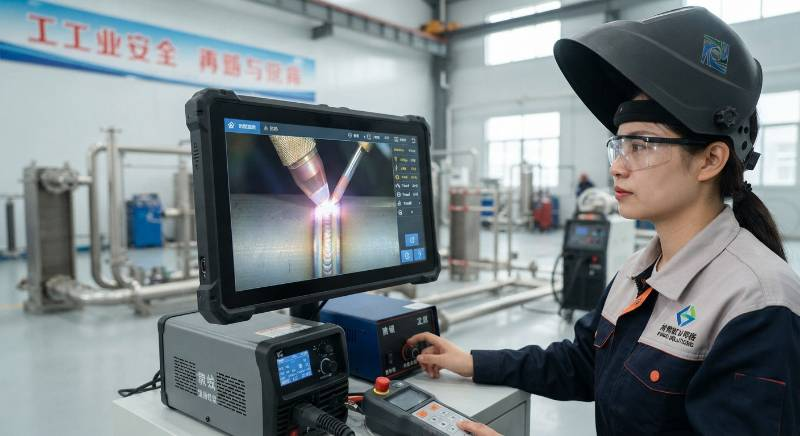
Argon-Shielded Welding: Automated orbital welding for all tube-to-tubesheet joints.
Eddy Current Testing (ET): 100% surface defect detection.
Ultrasonic Testing (UT): Sub-surface integrity verification.
Hydrostatic Pressure Testing: Tested at 1.5x design pressure.
Pneumatic Testing: Helium leak detection for mission-critical stages.
Surface Passivation: Enhanced oxide layer formation.
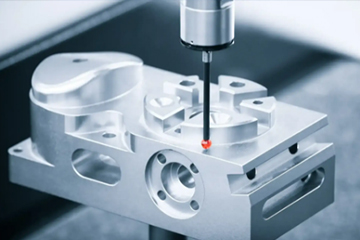
Final Dimensional Audit: Using CMM for titanium CNC machined parts.
Economic Impact: 25-Year TCO and ROI Comparison
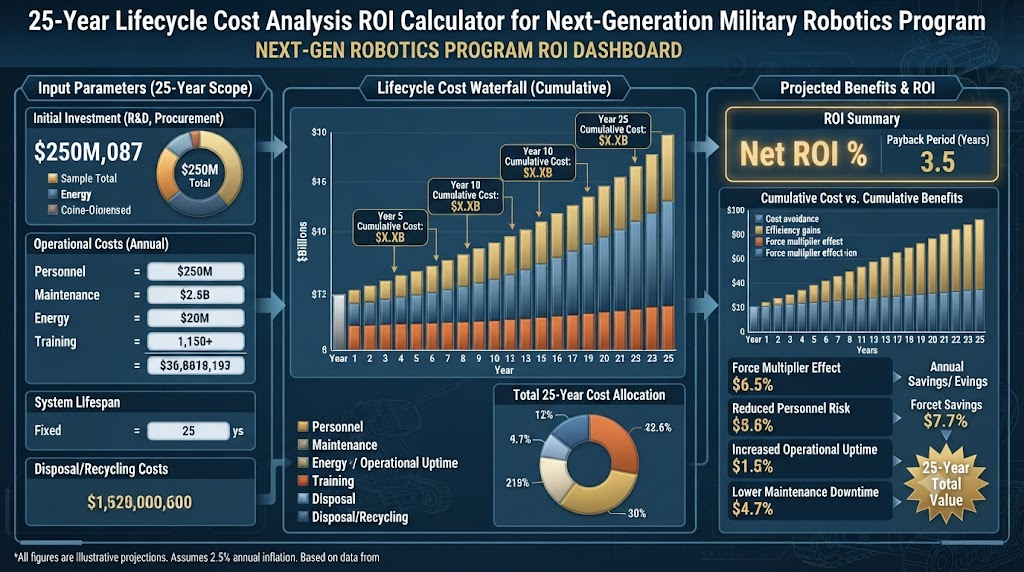
While the initial CAPEX for titanium may be 15-20% higher than copper-nickel alloys, the Total Cost of Ownership (TCO) analysis reveals titanium as the superior economic choice. In 2026, market data shows that Cu-Ni tubes require replacement every 7-10 years in MSF plants.
Titanium heat exchangers are designed for a 25-year service life with zero retubing requirements. This maintenance interval extension eliminates millions of dollars in lost production and labor costs. According to ASME engineering guidelines, titanium's negligible corrosion rate (less than 0.001 mm/year) makes it the most cost-effective lifecycle material for thermal desalination technology.
Overcoming Challenges in MSF Environments
Despite its superiority, titanium requires specific engineering considerations. We address these through advanced manufacturing and design:
Hydrogen Embrittlement: We utilize Grade 12 or Grade 7 alloys for specific high-risk zones where cathodic protection might lead to hydrogen absorption.
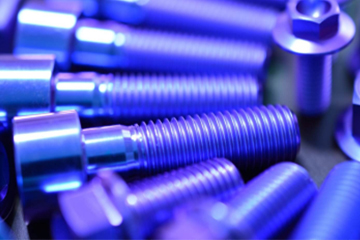
Vibration Fatigue: Using our Titanium CNC Machined Parts, we create precision baffle plates that minimize tube vibration.
Biofouling: We recommend high-velocity flow regimes and specialized macro-fouling filtration systems.
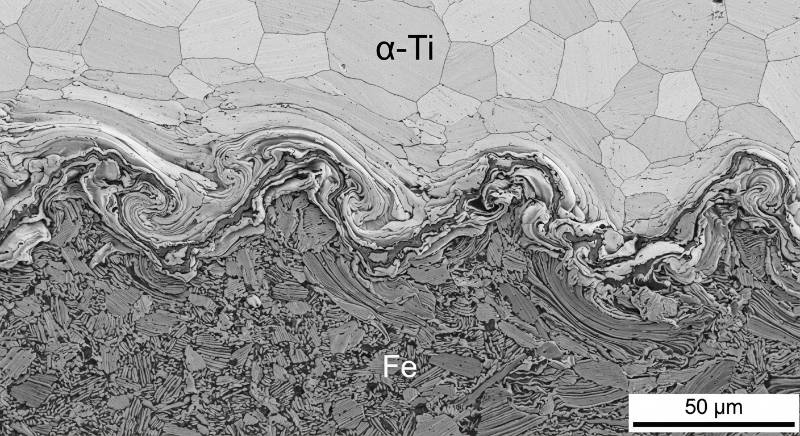
For large-scale units, we provide Custom Titanium Forgings for tube sheets, often utilizing explosion-clad titanium-on-steel to balance cost and performance.
Case Study: 500,000 m³/day Desalination Plant Success
In 2025, China Titanium Factory completed a massive supply contract for a leading Middle Eastern water treatment EPC. The project required 220 tons of seamless Grade 2 titanium tubing for a multi-stage flash plant producing 500,000 cubic meters of fresh water per day.
The Challenge: The raw seawater intake had high silt content and fluctuating temperatures, leading to rapid erosion in previous Cu-Ni installations.
The Solution: We supplied titanium tubes with a specialized smooth-bore finish to reduce fouling factors. Our 10-point quality audit ensured that all 45,000 tubes arrived with zero surface imperfections.
The Result: Post-commissioning data in 2026 shows a 12% increase in thermal efficiency and a complete elimination of unplanned corrosion-related shutdowns.
2026 Market Trends: The Future of MSF Technology
The 2026 market is seeing a surge in hybrid desalination systems, where MSF is paired with Reverse Osmosis (RO) to optimize energy consumption. In these configurations, titanium heat exchangers serve as critical components in the pre-heating stages to improve RO membrane flux.
Additionally, the use of explosion cladding for tube sheets has become the default for plants exceeding 100,000 m³/day capacity. This allows for the structural strength of carbon steel with the absolute corrosion protection of a titanium Grade 1 face.
Factory-Direct Procurement for Global EPC Contractors
Sourcing directly from China Titanium Factory eliminates the markup of middle-market distributors and ensures direct technical communication between your engineers and our metallurgists. We maintain ISO 9001:2015 certification and comply with all ASTM B338 and ISO standards.
Our global supply chain logistics allow for DDP (Delivered Duty Paid) shipping to major desalination hubs in the GCC, North Africa, and Southeast Asia. Current 2026 lead times for custom heat exchanger tube bundles are approximately 8-12 weeks, depending on volume.
Frequently Asked Questions (FAQ)
Why is Titanium Grade 2 preferred over Grade 5 for MSF?
Grade 2 is commercially pure titanium and offers superior corrosion resistance in seawater and better ductility for tube expanding and welding compared to the Ti-6Al-4V (Grade 5) alloy, which is primarily used for structural aerospace applications.
How does titanium handle biofouling compared to copper alloys?
While copper alloys have natural biocidal properties, they are prone to erosion. Titanium relies on high-velocity flow (over 2.5 m/s) to prevent biofouling. When managed correctly, titanium maintains a cleaner surface over time due to its extreme smoothness.
Can titanium tubes be used to retube existing Cu-Ni heat exchangers?
Yes, but careful consideration must be given to the tube sheets. If the existing tube sheets are bronze or Cu-Ni, galvanic corrosion may occur. We recommend using titanium-clad tube sheets or specialized coatings to isolate the materials.
Optimize Your Desalination Infrastructure
Partner with China Titanium Factory for high-integrity MSF heat exchanger solutions. Our engineering team is ready to provide custom quotes and technical data sheets for your next project.
Request a Custom Quote Today