








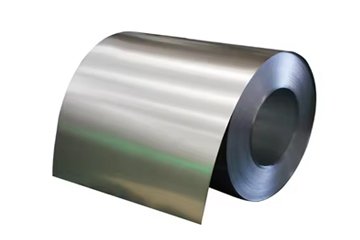
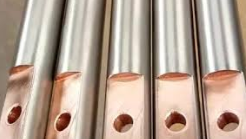

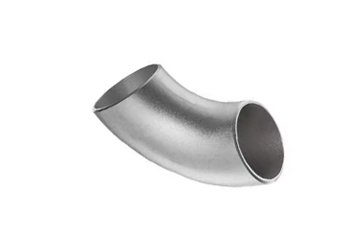











The Evolution of Naval Intake Systems: Titanium Sea Chests
Naval architecture in 2026 demands materials that transcend the limitations of legacy alloys. Traditional copper-nickel (CuNi) and nickel-aluminum bronze (NAB) fittings suffer from erosion-corrosion at high intake velocities, leading to frequent dry-docking and catastrophic system failures. Titanium sea chests and hull fittings represent the pinnacle of marine engineering, providing a maintenance-free solution for critical seawater intake systems.
Technical Advantages: Grade 2 vs. Grade 5 Titanium in Marine Environments
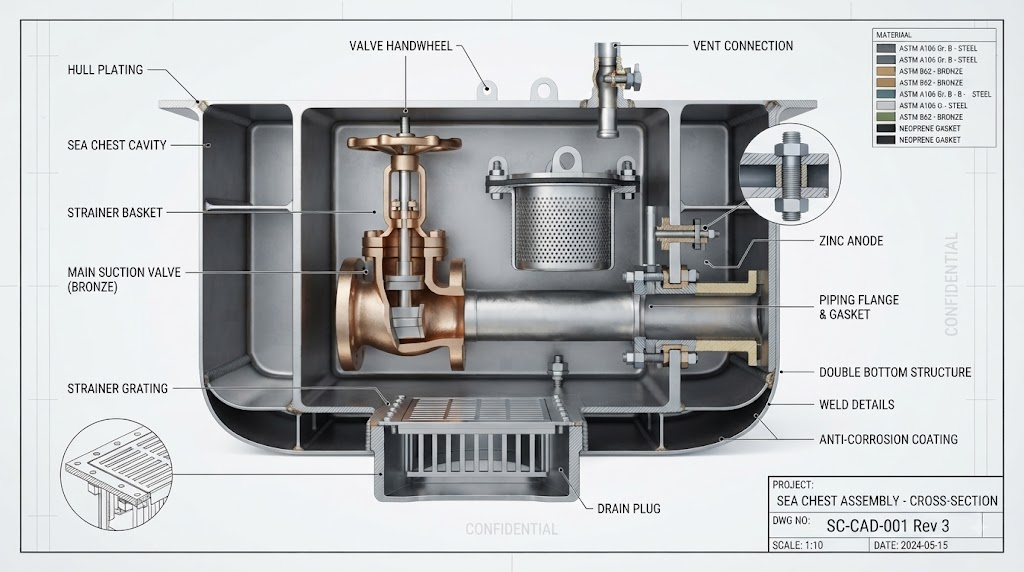
Titanium sea chests and hull fittings provide immune-level corrosion resistance in seawater and significantly reduce hull weight compared to copper-based alloys. By utilizing Grade 2 for formability and Grade 5 for high-stress components, naval vessels eliminate the risk of erosion-corrosion and biofouling-induced failures.
In our manufacturing experience, Grade 2 titanium is the preferred choice for sea chest housings due to its excellent weldability and ductility. For high-pressure hull penetrations and structural fasteners, we utilize Ti-6Al-4V Grade 5, which offers a yield strength exceeding 880 MPa.
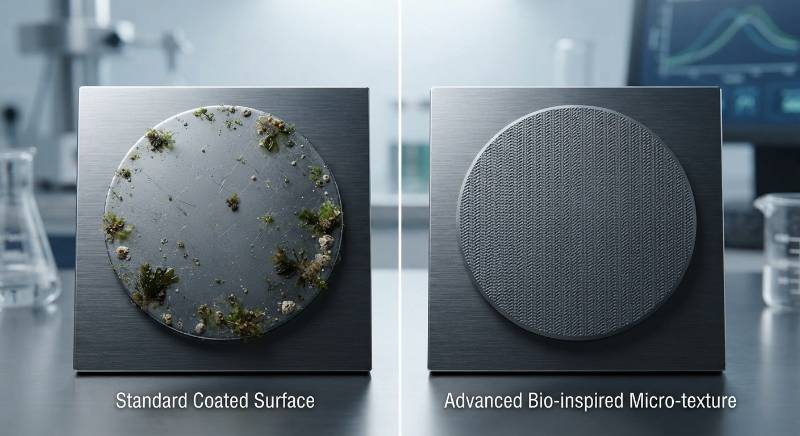
Titanium naturally forms a tenacious, self-healing oxide layer. This layer prevents biofouling organisms from establishing a permanent bond, maintaining optimal flow rates in marine piping systems without the need for toxic anti-fouling coatings.
The China Titanium Quality Protocol (CTQP) for Naval Defense
We verify every hull fitting through the China Titanium Quality Protocol (CTQP). This proprietary framework ensures that components intended for naval defense exceed the rigorous requirements of ASTM International B367 and B348 standards.
Our CTQP methodology involves three critical phases:
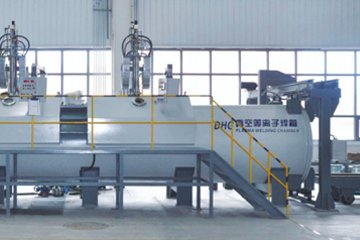
Vacuum Casting Integrity: Utilizing ASTM B367 standards to eliminate porosity in complex sea chest geometries.
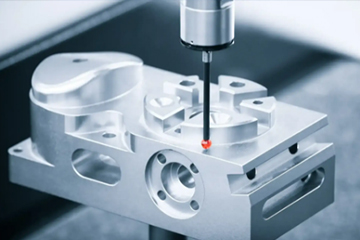
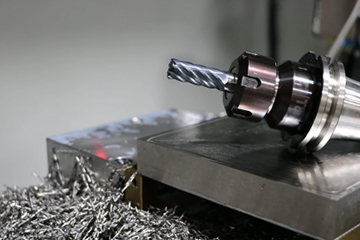
Sub-Micron Machining: Producing Precision CNC Machined Parts with tolerances as tight as ±0.005mm for perfect hull integration.
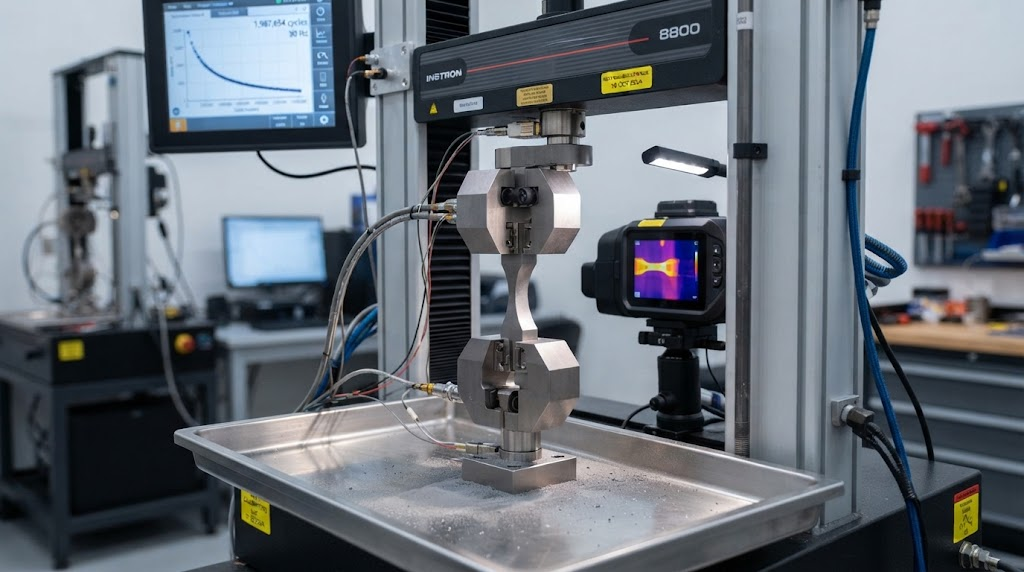
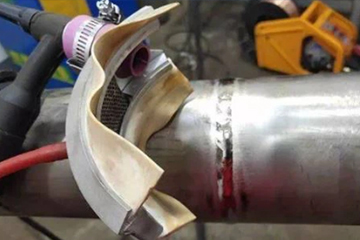
Non-Destructive Testing (NDT): 100% X-ray and ultrasonic inspection of all weldments and forged sections.
"The shift toward titanium in naval intake systems isn't just about weight; it's about fleet readiness. A titanium sea chest installed today will outlast the hull itself." — Senior Marine Metallurgist, China Titanium Factory
Life Cycle Cost Analysis: Titanium vs. Traditional Alloys
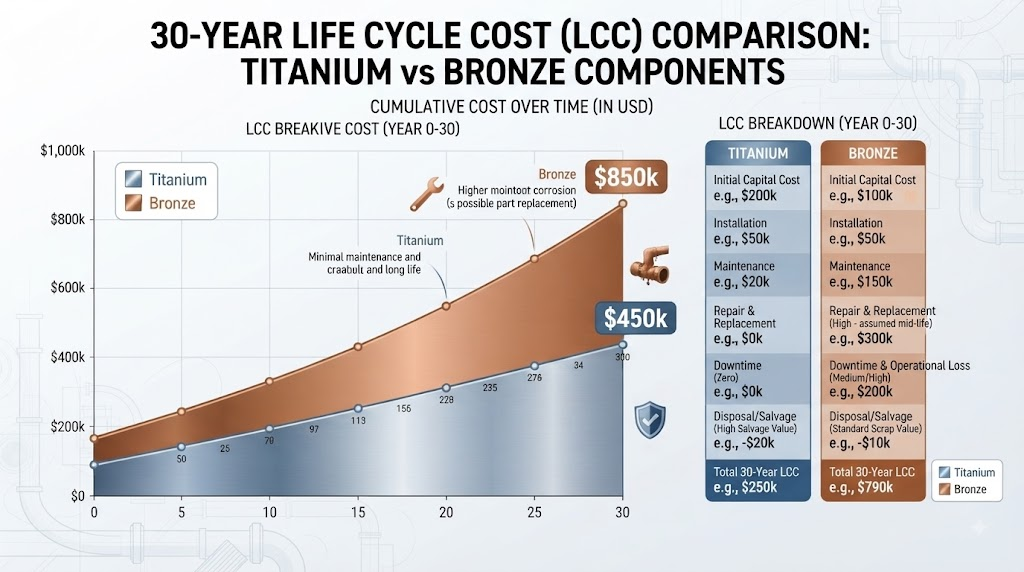
While the initial capital expenditure (CAPEX) for titanium is higher than bronze, the 30-year Life Cycle Cost (LCC) reveals a different story. Based on our 2026 naval procurement data, titanium fittings eliminate the need for mid-life replacements and bi-annual cleaning cycles.
| Element | Grade 2 (UNS R50400) | Grade 5 (UNS R56400) |
|---|---|---|
| Iron (Fe) | 0.30% max | 0.40% max |
| Oxygen (O) | 0.25% max | 0.20% max |
| Aluminum (Al) | - | 5.5 - 6.75% |
| Vanadium (V) | - | 3.5 - 4.5% |
Weight reduction in naval vessels directly translates to increased fuel efficiency and higher top speeds. Replacing a full set of NAB sea chests with titanium can reduce topside weight by several tons, improving the vessel's metacentric height and stability.
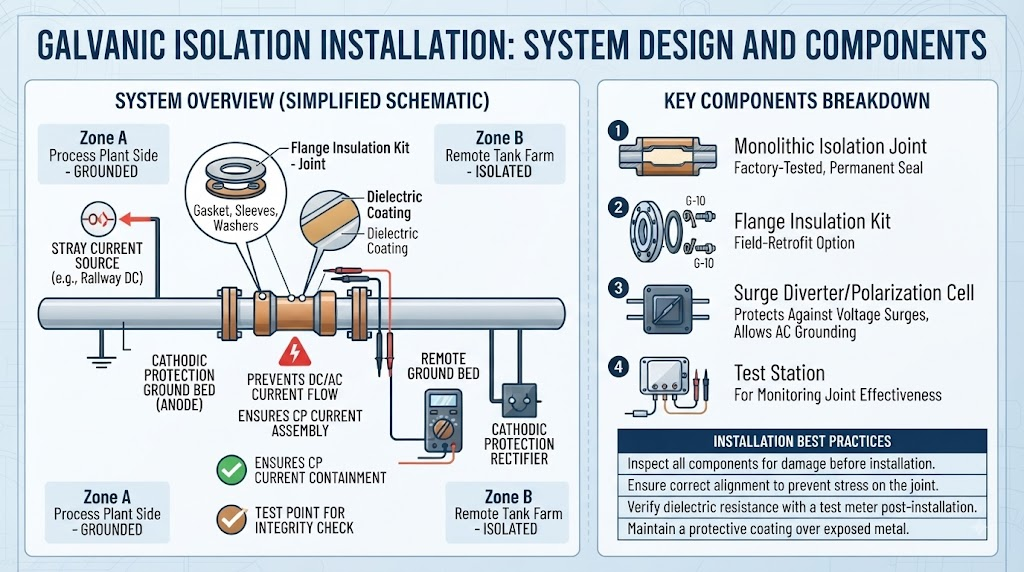
Solving the Galvanic Isolation Challenge in Mixed-Metal Hulls
A common concern in naval architecture is galvanic corrosion when titanium (a noble metal) is paired with steel or aluminum hulls. At China Titanium Factory, we employ the Domain 3-Step Velocity Framework for secure installation.
This framework includes:
Dielectric Barrier Integration: Using high-density polyethylene (HDPE) or reinforced epoxy sleeves to prevent metal-to-metal contact.
Sacrificial Anode Placement: Strategic positioning of zinc or aluminum anodes to protect the less noble hull material.
Advanced Sealants: Utilizing MIL-SPEC polysulfide sealants to ensure a watertight, electrically isolated interface.
Strategic Applications: Submarines and Fast Patrol Boats
For deep-submergence vehicles, we manufacture heavy-wall Titanium Forged Rings that serve as the primary structural interface for sea chests. These components must withstand extreme hydrostatic pressures while remaining completely non-magnetic to support stealth technology.
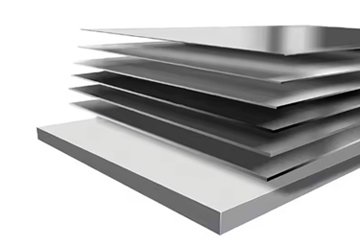
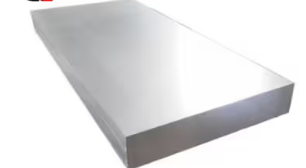
In fast patrol boats, the use of Titanium Grade 2 Plates for internal baffling within the sea chest reduces turbulence. This ensures a steady flow of cooling water to the engines even during high-speed maneuvers and tight turns.
2026 Market Trends and Sustainability in Marine Manufacturing
The marine industry is pivoting toward 100% recyclable materials. Titanium's longevity makes it the ultimate sustainable choice for the blue economy. Unlike copper alloys that leach heavy metals into the ecosystem, titanium is biocompatible and inert.
Current 2026 trends show an increased demand for DNV and Lloyd's Register certified components. Our facility is fully equipped to provide the necessary traceability and certification for global naval defense contractors, ensuring every hull fitting meets international safety standards.
Frequently Asked Questions about Titanium Hull Fittings
Can titanium sea chests be welded directly to a steel hull?
No. Titanium cannot be directly fusion-welded to steel. It must be installed using a bolted flange arrangement with proper galvanic isolation or via specialized explosion-bonded transition joints.
What are the typical lead times for custom naval fittings in 2026?
Standard custom fittings typically require 8-12 weeks for production, including CTQP testing and certification. Rapid prototyping options are available for urgent repair and maintenance (MRO) requirements.
Are your components certified for submarine use?
Yes. We manufacture according to NAVSEA and MIL-SPEC requirements, providing full material traceability and pressure testing reports for deep-sea applications.
Ready to Upgrade Your Fleet with Titanium?
Consult with our Senior Marine Metallurgists to optimize your vessel's sea chest design and reduce long-term maintenance costs.