










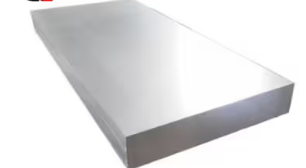
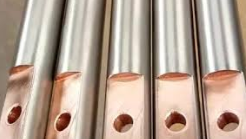

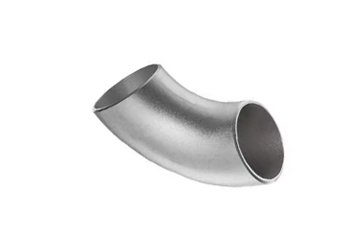
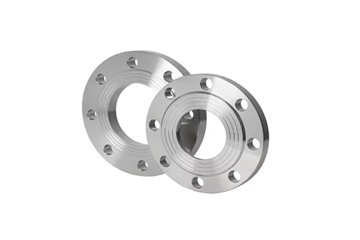










Introduction to UNS R56400 (Ti-6Al-4V)
UNS R56400, universally recognized as Ti-6Al-4V or Grade 5 titanium, represents the absolute "workhorse" of the titanium industry. This alpha-beta alloy accounts for more than 50% of total titanium usage worldwide due to its remarkable versatility.
UNS R56400 (Ti-6Al-4V) is an alpha-beta titanium alloy characterized by high specific strength, excellent corrosion resistance, and a density of approximately 4.43 g/cm³. Its mechanical properties typically include a minimum tensile strength of 895 MPa (130 ksi) and a yield strength of 828 MPa (120 ksi) in the annealed condition.
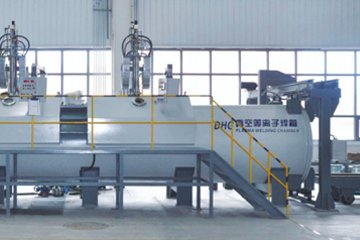
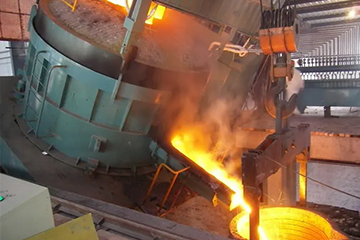
At China Titanium Factory, we utilize advanced vacuum arc remelting (VAR) processes to ensure material homogeneity. In our 2026 production cycle, we have refined our melt chemistry to optimize the balance between weight reduction and structural integrity for next-generation aerospace frames.
Chemical Composition and Interstitial Limits
The performance of UNS R56400 is dictated by its precise alloying elements. Aluminum acts as an alpha stabilizer, increasing strength and reducing density, while Vanadium stabilizes the beta phase to improve workability and heat-treat response.
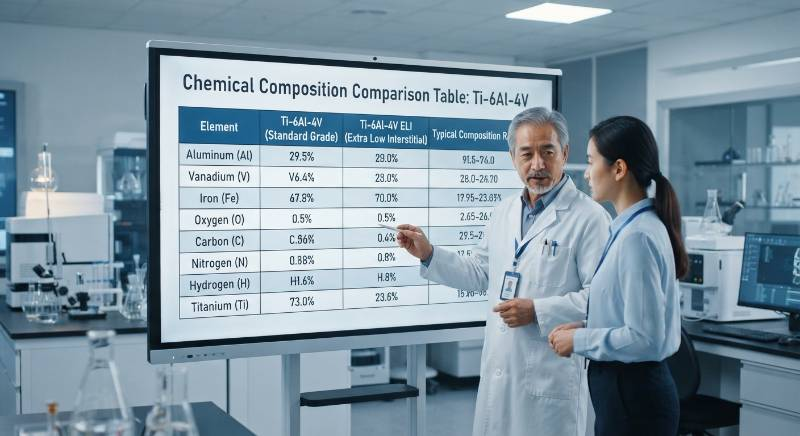
| Element | Weight % (Min) | Weight % (Max) |
|---|---|---|
| Aluminum (Al) | 5.50 | 6.75 |
| Vanadium (V) | 3.50 | 4.50 |
| Iron (Fe) | - | 0.40 |
| Oxygen (O) | - | 0.20 |
| Titanium (Ti) | Balance | |
We maintain strict control over interstitial elements like Oxygen and Nitrogen. Excessive Oxygen levels can lead to embrittlement, particularly in high-stress Titanium Grade 5 Products used in cryogenic environments.
Mechanical Properties: Strength, Ductility, and Hardness
UNS R56400 is renowned for its strength-to-weight ratio, which is significantly higher than that of 6061-T6 aluminum or 316 stainless steel. Its mechanical profile is highly tailorable through heat treatment.
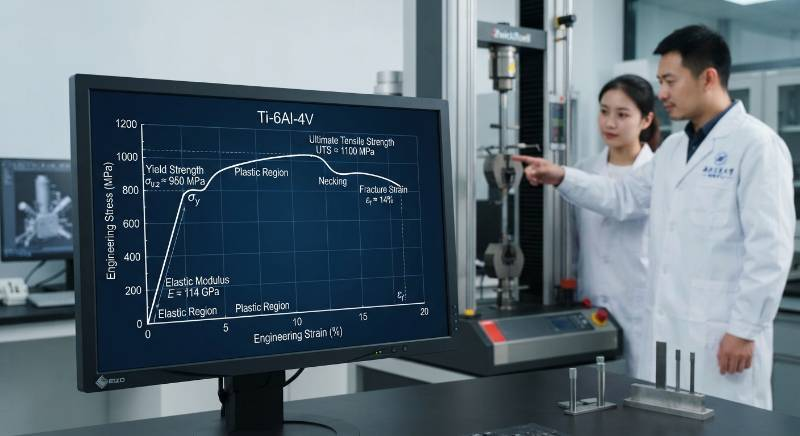
"Engineering Insight: In our CNC production data, we consistently achieve tensile strengths exceeding 950 MPa when utilizing Solution Treated and Aged (STA) protocols, making it ideal for turbine blade applications."
| Property | Metric Value | Imperial Value |
|---|---|---|
| Ultimate Tensile Strength | 895 MPa (min) | 130 ksi (min) |
| 0.2% Yield Strength | 828 MPa (min) | 120 ksi (min) |
| Elongation in 2" | 10% (min) | 10% (min) |
| Hardness (Rockwell C) | 30-36 HRC | 30-36 HRC |
Physical and Thermal Characteristics
The physical properties of UNS R56400 make it indispensable for thermal management and weight-sensitive designs. Its low coefficient of thermal expansion (CTE) ensures dimensional stability across wide temperature ranges.
Density: 4.43 g/cm³ (0.160 lb/in³)
Melting Range: 1604°C - 1660°C (2920°F - 3020°F)
Modulus of Elasticity: 113.8 GPa (16.5 x 10⁶ psi)
Thermal Conductivity: 6.7 W/m·K (46.5 BTU·in/ft²·h·°F)

The China Titanium Quality Protocol (CTQP)
To guarantee that every batch of UNS R56400 meets the stringent demands of global aerospace and medical sectors, we employ The CTQP 5-Step Velocity Framework. This proprietary methodology ensures material reliability from melt to shipment.
Raw Material Fingerprinting: We verify the sponge titanium and master alloys through spectral analysis before charging the furnace.
Triple VAR Melting: Ensuring zero-defect microstructure through multiple vacuum arc remelting cycles.
Ultrasonic Volumetric Testing: Detecting internal discontinuities per AMS 2631 Class AA standards.
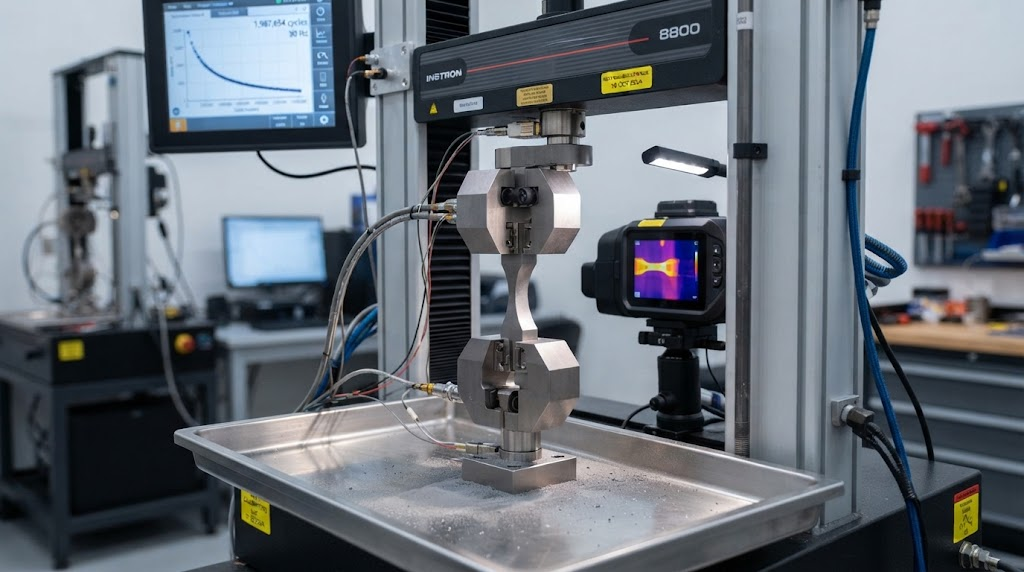
Mechanical Stress-Testing: Validating tensile, fatigue, and hardness properties in our ISO-certified lab.
Precision Traceability: Every shipment includes a full 3.1 EN 10204 certification linked to the heat number.
Global Industry Standards and Compliance
Procurement managers must ensure that the UNS R56400 they source complies with specific application standards. We manufacture to all major international specifications, including ASTM and ISO requirements.
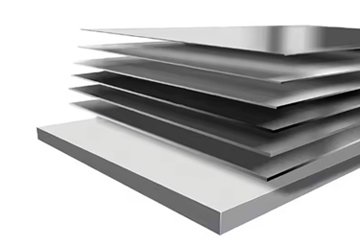
ASTM B265: Standard Specification for Titanium and Titanium Alloy Strip, Sheet, and Plate.
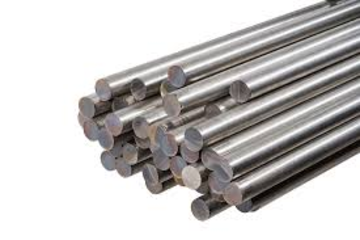
ASTM B348: Standard Specification for Titanium and Titanium Alloy Bars and Billets.
AMS 4911: Aerospace Material Specification for Ti-6Al-4V Annealed Sheet, Strip, and Plate.
ISO 5832-3: Implants for surgery — Metallic materials — Wrought titanium 6-aluminum 4-vanadium alloy.
ASME SB-265: Boiler and Pressure Vessel Code requirements.
Our facility is ISO 9001:2015 and AS9100D certified, ensuring the highest Quality Control Standards for every order.
Machining and Processing Guidelines for Ti-6Al-4V
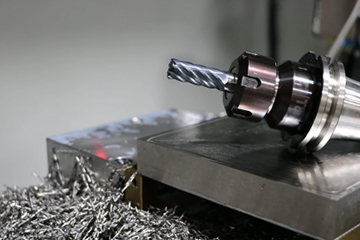
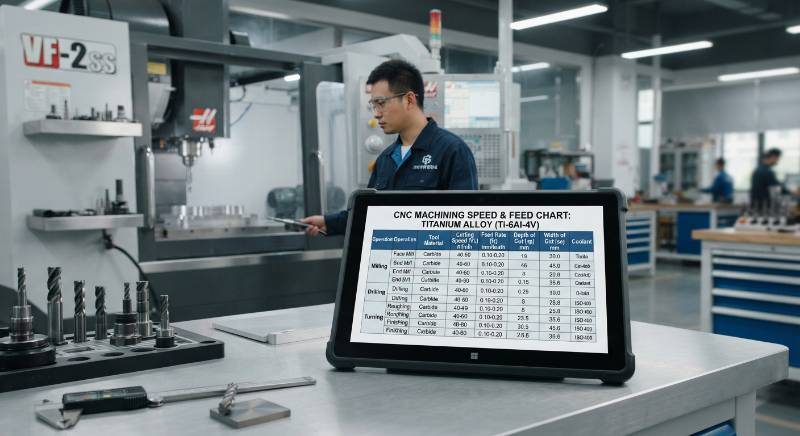
Ti-6Al-4V is notoriously difficult to machine due to its low thermal conductivity and high chemical reactivity at cutting temperatures. However, with the right approach, high-precision results are achievable.
Expert Machining Recommendations
In our Titanium Machining Services department, we recommend the following for UNS R56400:
Low Cutting Speeds: Maintain surface speeds between 30-60 m/min (100-200 SFM) to prevent tool overheating.
High Feed Rates: Continuous movement prevents work hardening of the surface.
Flooded Coolant: Use high-pressure, chlorinated-free synthetic coolants to evacuate heat.
Sharp Tooling: Replace carbide inserts regularly to avoid galling and smearing.
Industrial Applications: Where UNS R56400 Excels
The unique properties of UNS R56400 allow it to perform where other metals fail. Its biocompatibility and resistance to marine environments make it a top choice for diverse sectors.
Aerospace and Marine Engineering
Used extensively for airframe structures, landing gear, and engine components. In marine environments, its immunity to salt-water corrosion makes it ideal for underwater sensors and submersibles.
Medical Orthopedic Implants
Ti-6Al-4V is the standard for hip and knee replacements, dental implants, and spinal fixation devices due to its excellent osseointegration properties.
Comparison: UNS R56400 vs. UNS R56401 (Grade 23 ELI)
Many engineers face the choice between Grade 5 and Grade 23 (ELI). The primary difference lies in the "Extra Low Interstitial" elements. UNS R56401 (Grade 23) has stricter limits on Oxygen (0.13% max) and Iron (0.25% max).
This reduction in interstitials results in increased fracture toughness and ductility, though at the cost of slightly lower absolute tensile strength. Grade 23 is mandated for critical medical implants and cryogenic pressure vessels where crack propagation resistance is paramount.
Frequently Asked Questions about UNS R56400
Is UNS R56400 the same as Titanium Grade 5?
Yes, UNS R56400 is the Unified Numbering System designation for Grade 5 titanium, also known as Ti-6Al-4V. It is the most common alpha-beta alloy.
Can UNS R56400 be welded?
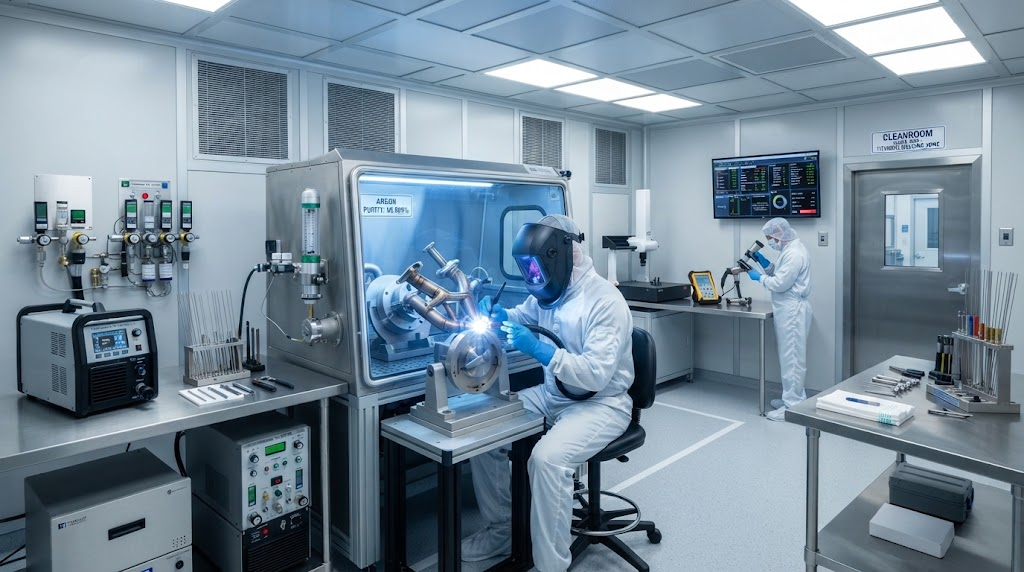
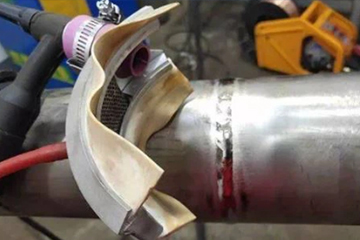
Yes, it has excellent weldability using TIG (GTAW) or Plasma (PAW) welding. However, strict argon shielding is required to prevent atmospheric contamination (oxygen/nitrogen pickup) which causes brittle welds.
What is the typical lead time for Ti-6Al-4V forgings in 2026?
As of 2026, standard lead times for custom forgings range from 4 to 8 weeks, depending on the complexity and volume. We maintain a large inventory of stock billets to expedite urgent projects.
Ready to Source High-Performance UNS R56400?
Get certified Ti-6Al-4V material from China's leading titanium factory. Whether you need custom CNC machined parts or large-scale plate orders, our metallurgical experts are here to help.
Request a Custom Quote Today