


















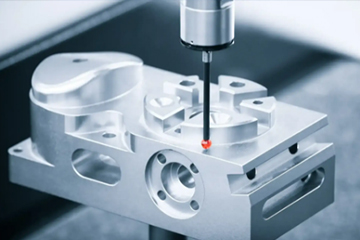
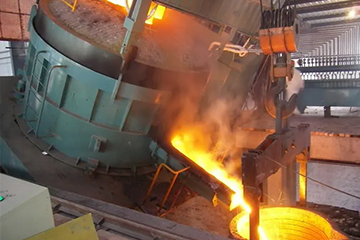
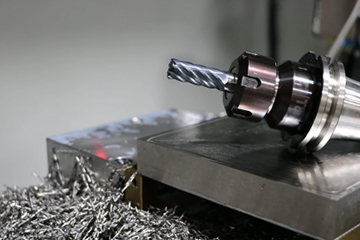


What are MMO Coated Titanium Anodes?
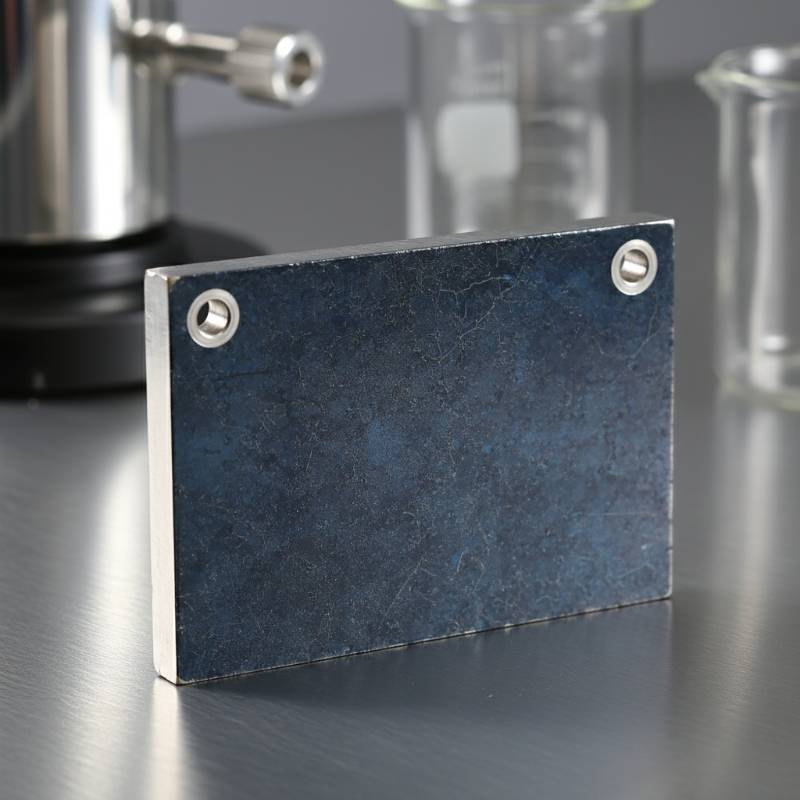
Standard anodes often crumble under high-current density or corrosive electrolytes. MMO Coated Titanium Anodes solve this by combining the mechanical strength of titanium with the electrochemical prowess of precious metal oxides. These are frequently categorized as Dimensionally Stable Anodes (DSA).
"MMO Anodes are defined as electrochemical components featuring a Grade 1 or 2 titanium substrate thermally coated with a conductive, electrocatalytic layer of mixed metal oxides (typically Ruthenium, Iridium, or Tantalum)."
At China Titanium Factory, we view the substrate as the skeleton and the coating as the muscle. The titanium provides the structure and corrosion resistance. The coating facilitates the electron transfer. Unlike graphite, which erodes, or lead alloys, which contaminate the electrolyte, MMO anodes remain dimensionally stable. They don't change shape during their service life.
The Chemistry of Performance: Ru-Ir vs. Ir-Ta Coatings
Choosing the wrong coating is a costly mistake. Most industrial processes fall into two categories: chlorine evolution or oxygen evolution. According to our analysis, matching the coating to the specific gas evolution is the single most important factor in anode longevity.
Ruthenium-Iridium (Ru-Ir) Anodes
Ru-Ir coatings are the gold standard for brine electrolysis and seawater chlorination. They offer exceptionally low overpotential for chlorine gas. Use these when your electrolyte contains high concentrations of chloride ions. They are efficient but sensitive to high-acid environments where oxygen might evolve as a side reaction.
Iridium-Tantalum (Ir-Ta) Anodes
Ir-Ta coatings are built for the "tough" jobs. They excel in oxygen evolution environments, such as copper foil production, electroplating, and acidic water treatment. Tantalum acts as a stabilizing agent. It prevents the titanium substrate from passivating in highly acidic media. If your process generates oxygen at the anode, Ir-Ta is your primary choice.
| Feature | Ru-Ir Coating | Ir-Ta Coating |
|---|---|---|
| Primary Reaction | Chlorine Evolution (Cl2) | Oxygen Evolution (O2) |
| Ideal Environment | Brine, Seawater, Chlor-alkali | Sulfuric acid, Electrowinning |
| Durability | High in chlorides | Superior in acidic/low pH |
The Triple-A Selection Protocol
We developed The Triple-A Selection Protocol to move beyond guesswork in material procurement. This framework ensures that the titanium anodes you buy actually survive their intended environment.
Application: Are we chlorinating water or recovering metal? The chemical target dictates the oxide ratio.
Amperage: What is the current density? Higher current requires thicker coating layers to prevent premature "wear-out."
Atmosphere: What are the impurities? Presence of fluorides or organics can destroy a standard coating in weeks.
Our Golden Rule for engineers: Substrate integrity is non-negotiable; coating chemistry is the differentiator. Never compromise on the titanium grade to save pennies; you'll pay for it in system downtime.
Industrial Applications: From Water Treatment to Cathodic Protection
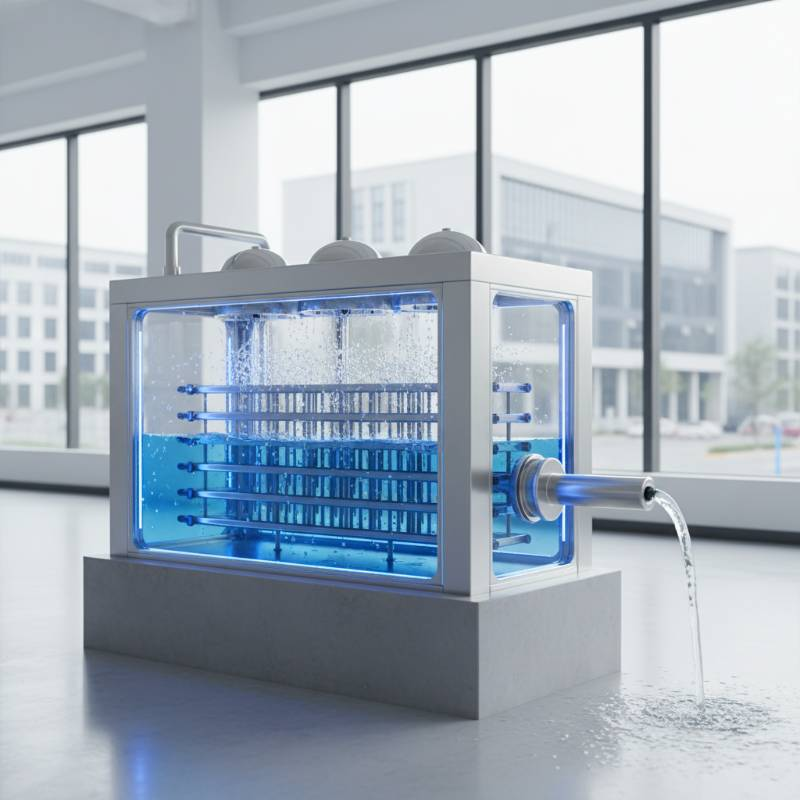
The versatility of MMO anodes is unmatched. In Seawater Electro-chlorination, these anodes produce sodium hypochlorite on-site, eliminating the need for hazardous chlorine gas storage. For Advanced Oxidation Processes (AOP), we engineer coatings that generate hydroxyl radicals to break down complex organic pollutants.
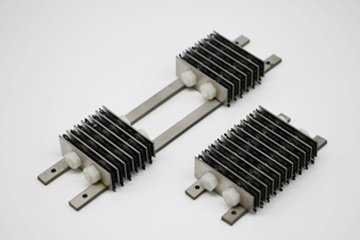
In Impressed Current Cathodic Protection (ICCP), our MMO ribbon anodes protect pipelines and offshore structures from corrosion. These systems rely on the stability of the MMO coating to provide consistent current for decades. Research published via ScienceDirect confirms that MMO coatings significantly outperform traditional materials in soil and concrete environments.
Maximizing ROI: Total Cost of Ownership (TCO) Analysis
Stop looking at the unit price. A cheap anode with a thin coating will fail 12 months early, costing you thousands in labor and lost production. When calculating TCO, consider the consumption rate. A high-quality Ru-Ir coating might lose only milligrams per ampere-year.
Energy efficiency is another hidden factor. Because MMO anodes have a lower overpotential, they require less voltage to drive the same current. Over a 5-year lifespan, the electricity savings often exceed the entire cost of the anodes. We recommend ensuring all products meet NACE/AMPP standards for electrochemical performance.
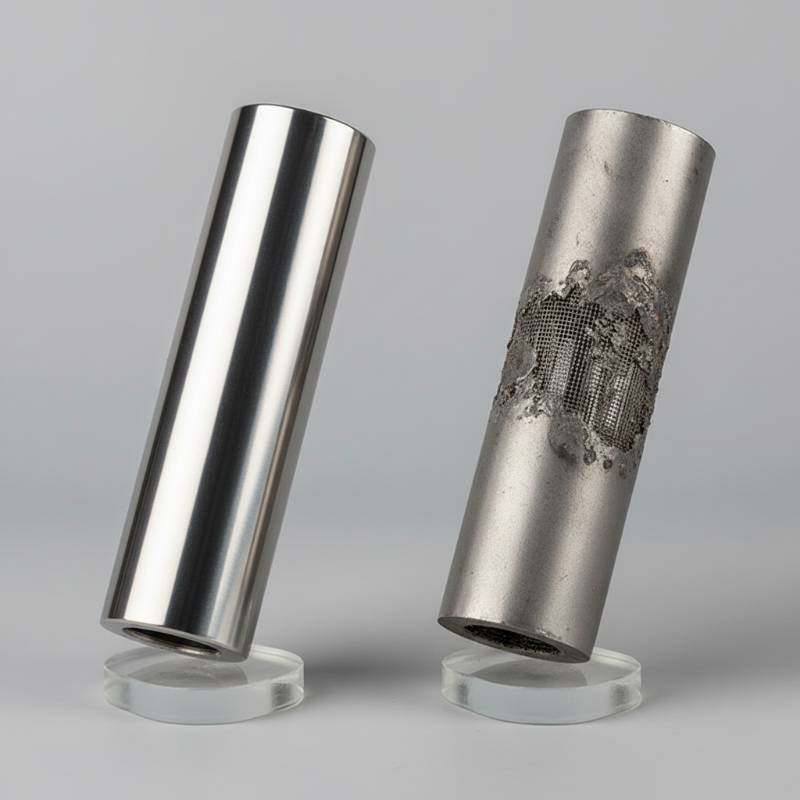
Visual Troubleshooting: Common Anode Failure Modes
Even the best anodes can fail if mistreated. Here is how to spot issues:
Coating Delamination: Usually caused by reverse current or physical abrasion. The coating flakes off like old paint.
Passivation: If the coating is too thin or the current too high, an insulating TiO2 layer forms between the substrate and coating. The voltage will spike suddenly.
Chemical Attack: Fluoride ions are "titanium killers." They eat the substrate from under the coating.
Sustainability and the Circular Economy
Titanium is expensive. Don't throw it away. Our sustainability initiative focuses on Anode Recoating. If the titanium substrate is intact, we can strip the exhausted oxide layer and apply a fresh coating. This practice supports a circular economy and significantly reduces the carbon footprint of your electrochemical plant.
Frequently Asked Questions About MMO Anodes
What is the typical lifespan of an MMO Coated Titanium Anode?
Depending on the application and current density, lifespan ranges from 3 to 20 years. In seawater chlorination, 5-8 years is standard, while in ICCP, 20+ years is common.
How do you clean titanium anodes?
Never use abrasives. A weak citric acid or 5% hydrochloric acid wash is usually sufficient to remove scale without damaging the precious metal oxide layer.
Can I get custom shapes for my reactor?
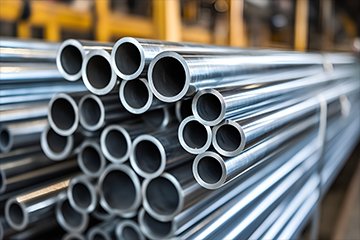
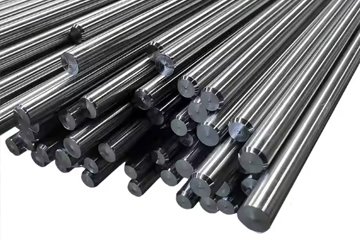
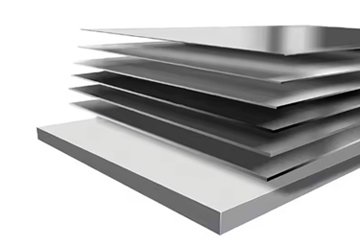
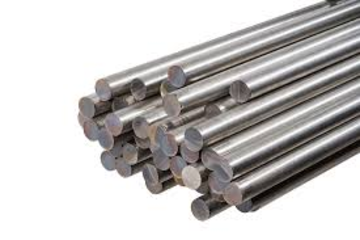
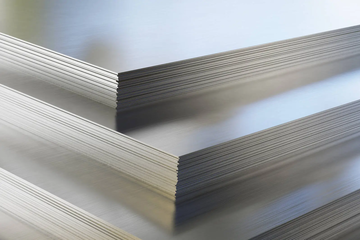
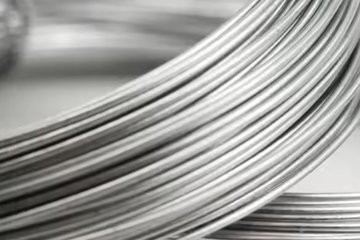
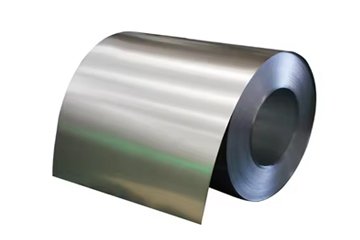
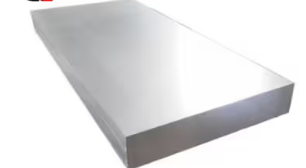
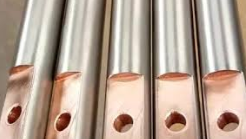
Yes. Titanium is highly fabricable. We provide custom anode solutions in mesh, plate, rod, and tubular configurations to fit any reactor design.
Ready to Optimize Your Electrochemical Process?
Don't leave your production to chance. Use our Triple-A Selection Protocol to find the perfect coating for your specific needs.
Request a Technical Consultation