When selecting materials for extreme environments, the thermal transition zone between 400°C and 600°C represents a fundamental metallurgical divide. Titanium alloys deliver structural efficiency up to 550°C (1022°F), whereas nickel-based superalloys maintain mechanical integrity across severe thermal regimes from 600°C up to 1100°C (2012°F).
The primary constraint governing titanium alloys (such as alpha-beta Ti-6Al-4V Grade 5 and near-alpha Ti-6242) is interstitial oxygen diffusion and accelerated creep deformation above 500°C. Conversely, nickel superalloys like Inconel 718, Inconel 625, and Hastelloy X utilize face-centered cubic (FCC) austenitic matrices hardened by gamma prime (γ') and gamma double-prime (γ'') precipitates, maintaining strength near their melting ranges.
Operating Temperature Limit Definition: The maximum continuous temperature at which a metallic alloy sustains required tensile, fatigue, and creep rupture strength without experiencing catastrophic microstructural phase instability or severe surface oxidation kinetics exceeding 0.05 mm/year.
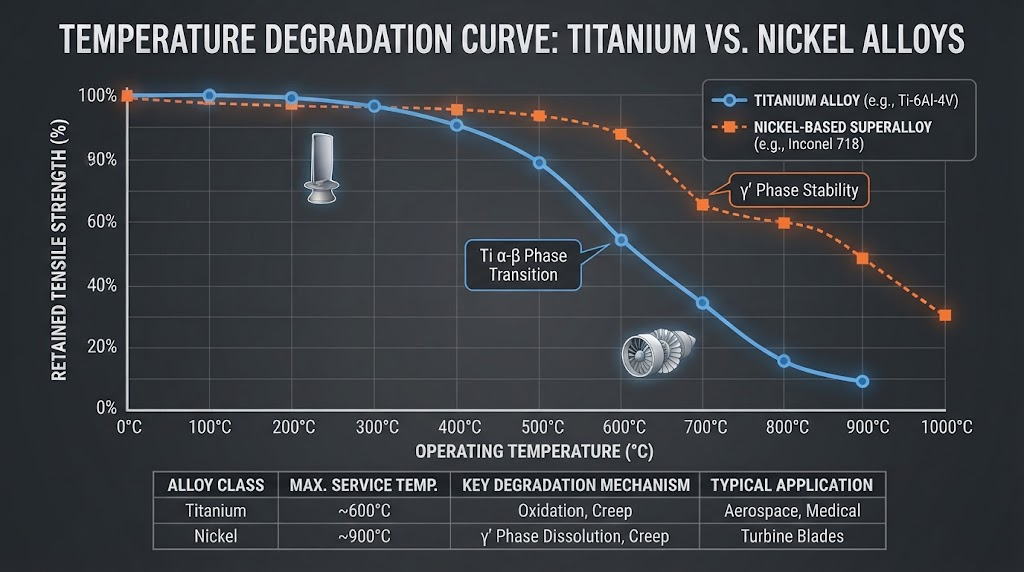
Our production testing at China Titanium Factory shows that standard alpha-beta titanium alloys undergo rapid tensile strength degradation beyond 450°C. For applications demanding lower structural mass within the 400°C to 550°C envelope, specialized near-alpha alloys like Ti-6242 (Ti-6Al-2Sn-4Zr-2Mo-0.1Si) provide an optimal balance of creep resistance and structural density.
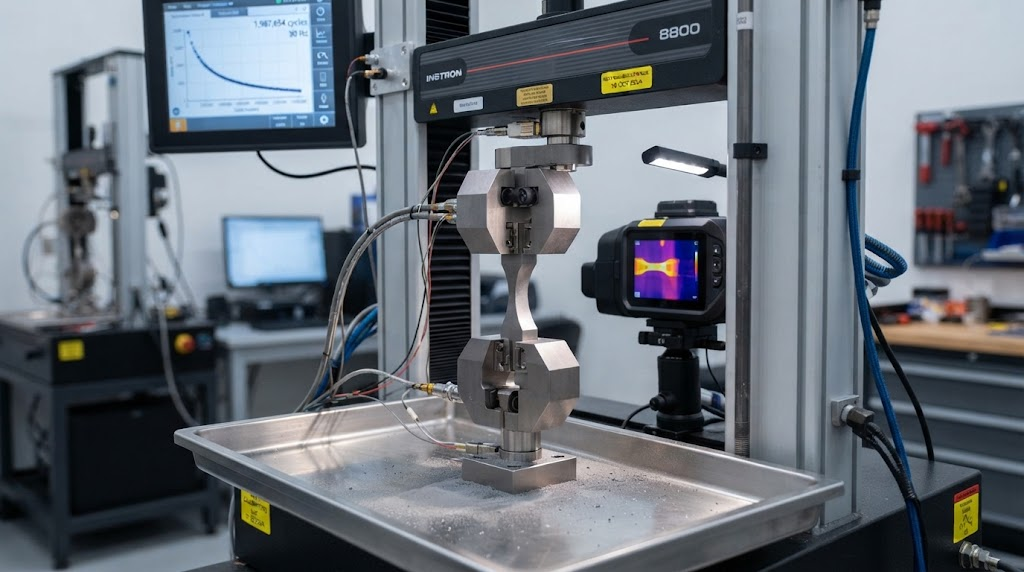
Evaluating high-temperature mechanical performance requires analyzing yield strength retention, creep rupture thresholds, and modulus degradation across continuous operating ranges.
| Alloy Grade | Density (g/cm³) | Yield Strength @ 20°C (MPa) | Yield Strength @ 500°C (MPa) | Yield Strength @ 700°C (MPa) | 100-Hour Creep Rupture @ 500°C (MPa) |
|---|---|---|---|---|---|
| Ti-6Al-4V (Grade 5) | 4.43 | 880 | 410 | < 110 | 380 |
| Ti-6242 (Near-Alpha) | 4.54 | 930 | 590 | 190 | 520 |
| Inconel 718 | 8.19 | 1100 | 980 | 720 | 860 |
| Inconel 625 | 8.44 | 517 | 420 | 360 | 410 |
When evaluated strictly by absolute yield strength, Inconel 718 outperforms titanium above 500°C. However, when normalized by material density to calculate specific yield strength (σ/ρ), Ti-6242 exhibits a superior specific strength metric (130 kN·m/kg) compared to Inconel 718 (119 kN·m/kg) at 500°C.
For rotating turbine hardware and structural airframe members, using Aerospace Grade Titanium Forgings substantially lowers centrifugal and inertial stresses up to 540°C.
The operational ceiling for titanium alloys is governed not only by mechanical strength reduction, but by chemical surface degradation. When exposed to air above 500°C, oxygen rapidly diffuses into the titanium crystal lattice.
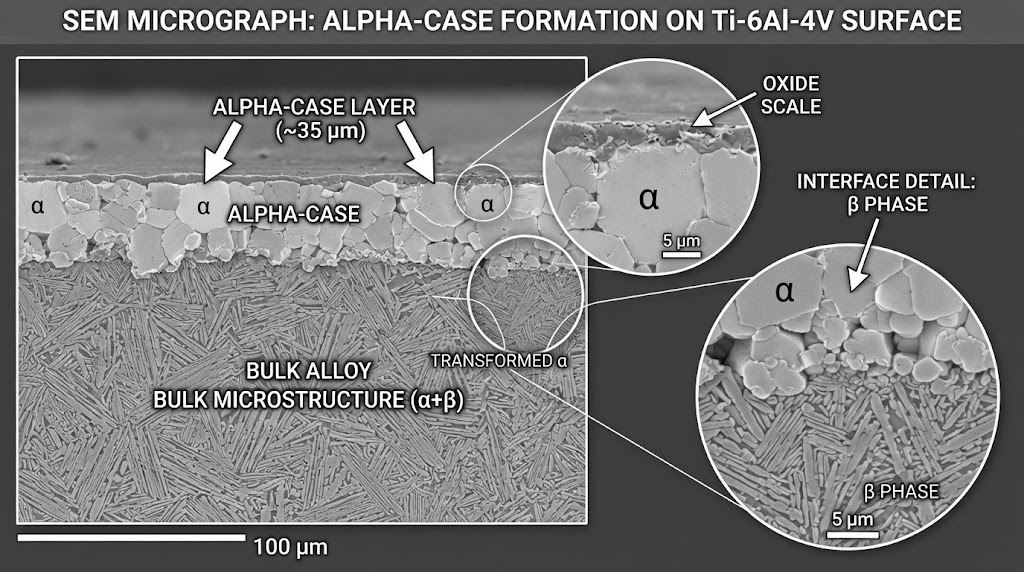
This interstitial absorption stabilizes the alpha phase on the component surface, creating a brittle, oxygen-enriched zone known as alpha-case. This microstructural layer exhibits high hardness and low fracture toughness, initiating microcracks under cyclic fatigue loads.
Titanium Alpha-Case Depth: Accumulates at roughly 0.02 to 0.05 mm per 100 hours at 550°C in standard atmospheric conditions.
Nickel Superalloy Passivation: Generates self-healing chromia (Cr&sub2;O&sub3;) and alumina (Al&sub2;O&sub3;) scales, offering continuous environmental resistance past 1000°C without core embrittlement.
Remediation Protocols: For titanium operating at high thermal margins, post-heat-treatment chemical milling or vacuum heat treatments per AMS 4928 standards are essential to strip oxidized surface boundaries.
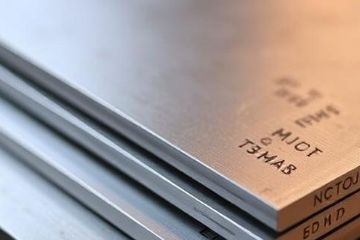
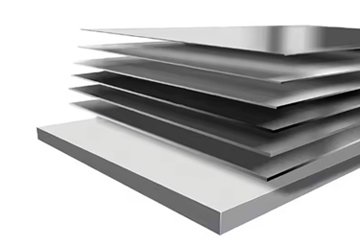
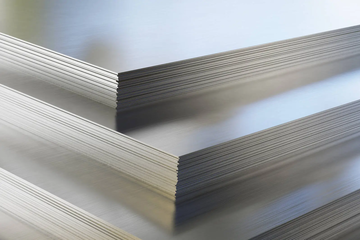
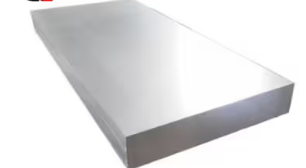
We supply precision High-Temperature Titanium Plates (ASTM B265 / AMS 4928) with mill-certified surface purity, processed under high-vacuum annealing conditions to prevent oxygen diffusion layers.
The physical density difference between titanium (~4.5 g/cm³) and nickel superalloys (~8.2 to 8.9 g/cm³) defines component selection throughout aerospace gas turbines and industrial energy systems.
In the fan and compressor sections of modern high-bypass turbofans, temperatures rise progressively from ambient up to 600°C. Specifying titanium across low- and intermediate-pressure compressor stages cuts rotating disc mass by roughly 45% compared to nickel-based alternatives.
This structural mass reduction yields compound benefits, allowing for lighter containment casings, trimmer bearings, and reduced fuel burn over operational lifecycles.
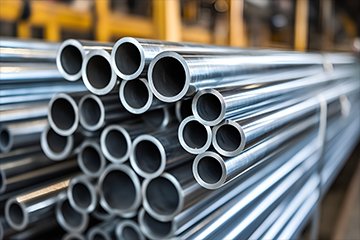
When continuous temperatures surpass 600°C into the combustor and high-pressure turbine sections, nickel superalloys (such as Inconel 718 and Waspaloy) remain technically mandatory. In power generation heat exchangers handling corrosive media below 400°C, Seamless Titanium Tubing & Pipes eliminate chloride-induced pitting while lowering overall installation weights.
A comprehensive economic analysis must weigh raw material procurement against CNC machining productivity, tool life, and operational efficiency.
| Evaluation Parameter | Titanium Alloys (Ti-6Al-4V / Ti-6242) | Nickel Superalloys (Inconel 718 / 625) |
|---|---|---|
| Raw Material Cost Index | Baseline (1.0x) | 1.4x – 1.9x (fluctuates with Ni/Co spot markets) |
| Machinability Rating (AISI B1112 = 100%) | 22% – 28% (low thermal conductivity) | 12% – 16% (severe work hardening) |
| Cutting Tool Wear Rate | Moderate; high chemical reactivity with carbide | High; abrasive carbide precipitates induce notch wear |
| Lifecycle Energy & Fuel ROI | Highest in dynamic & mobile aerospace assemblies | Optimized for static, long-duration furnace components |
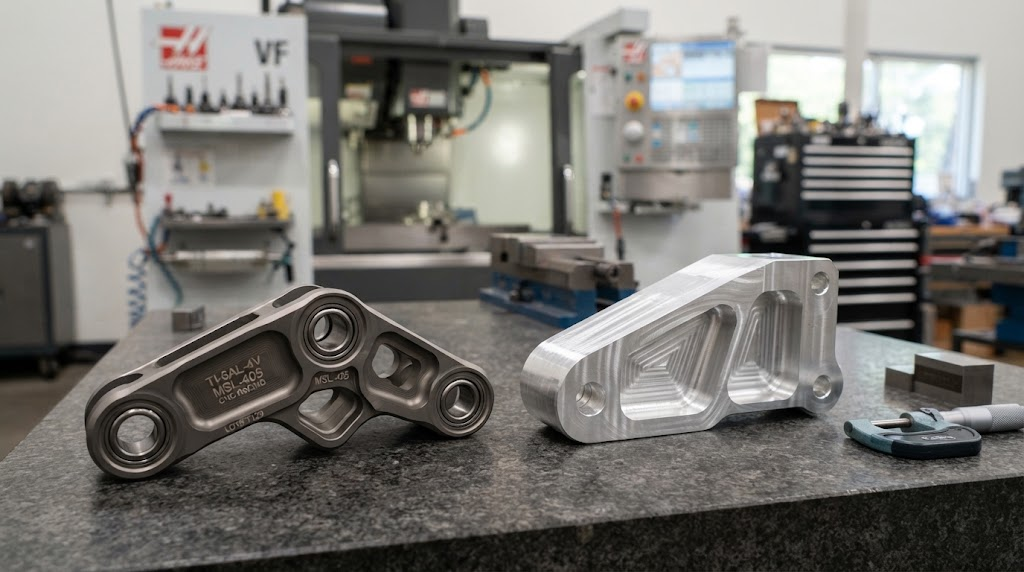
Fabricating complex thermal profiles demands dedicated manufacturing expertise. Our facilities provide Precision CNC Machined Titanium Components utilizing optimized high-pressure coolant tooling paths that lower milling cycle times and manage overall part costs.
To eliminate high-temperature failure risks in service, China Titanium Factory manufactures structural parts under our standardized China Titanium High-Temp Thermal Integrity Protocol (CT-HTIP). This quality assurance framework covers five production controls:
Double/Triple Vacuum Arc Remelting (VAR): Guarantees interstitial chemical purity, holding oxygen content below 0.15% and hydrogen below 0.0125% per ASTM B348 specifications.
Thermomechanical Forging Reduction Control: Mandates minimum upset forging ratios of 3:1 to break coarse as-cast beta structures into fine, equiaxed or duplex alpha-beta microstructures.
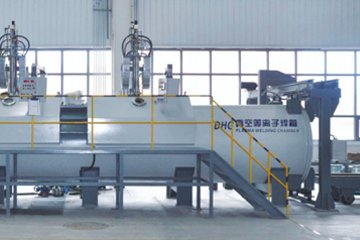
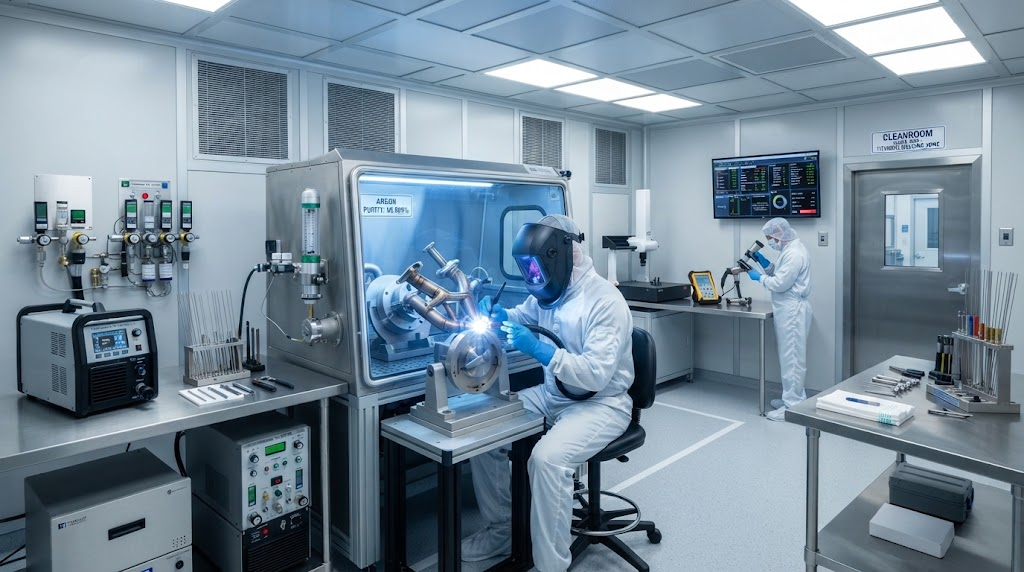
Vacuum Inert Atmosphere Annealing: High-temperature stress relief is performed in vacuum furnaces below 10-4 mbar, preventing superficial alpha-case formation.
100% Surface Chemical De-Oxidation: Chemical milling and pickling lines remove any residual micro-oxidized layers on raw forgings and rolled stock.
Non-Destructive Defect Verification: Complete immersion ultrasonic testing (UT per AMS 2631 Class AA) and liquid penetrant inspection (PT per ASTM E1417) verify structural integrity before shipping.
Use the engineering decision logic below to identify the appropriate alloy system for your operating requirements:
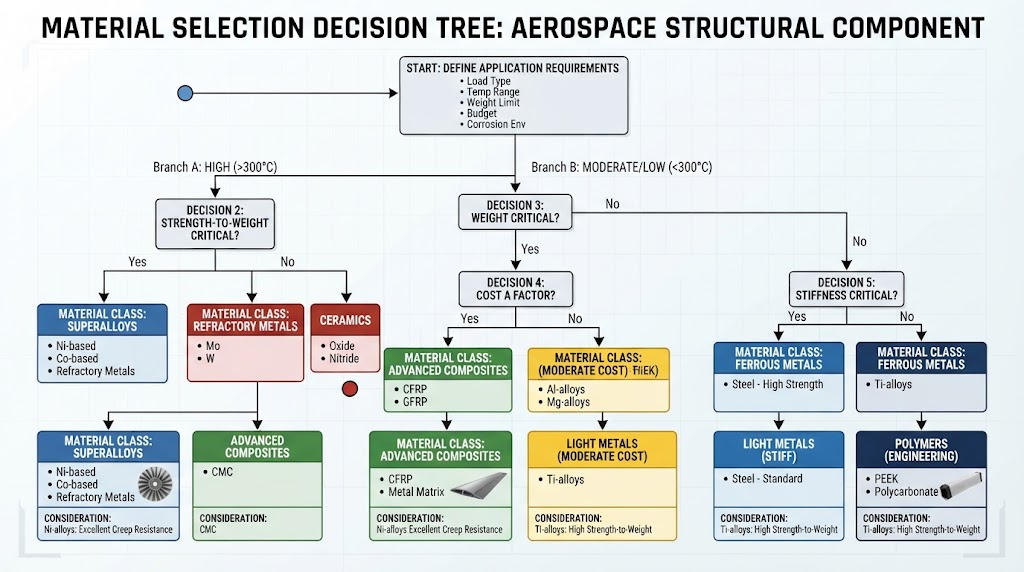
Scenario A: Continuous Operating Temperature ≤ 450°C + Weight-Sensitive
→ Select: Ti-6Al-4V (Grade 5 / AMS 4928). Delivers maximum strength-to-weight ratio and cost efficiency.
Scenario B: Continuous Operating Temperature 450°C to 550°C + Creep Resistance Required
→ Select: Ti-6242 (Ti-6Al-2Sn-4Zr-2Mo-0.1Si). Superior creep resistance and microstructural stability over standard alpha-beta titanium.
Scenario C: Continuous Operating Temperature 550°C to 750°C + High Dynamic Stresses
→ Select: Inconel 718 (AMS 5662). Precipitation-hardened nickel superalloy resisting stress relaxation and thermal degradation.
Scenario D: Operating Temperature 750°C to 1100°C + Severe Oxidizing or Sulfidizing Environment
→ Select: Inconel 625 / Hastelloy X. Solid-solution strengthened superalloys offering stable chromia/alumina protective surface films.
China Titanium Factory manufactures and stocks certified titanium and specialty alloys conforming to rigorous global aerospace and industrial standards:
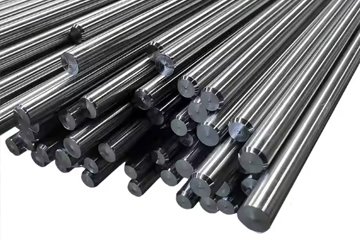
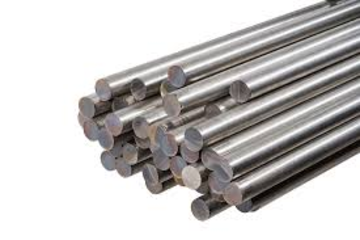
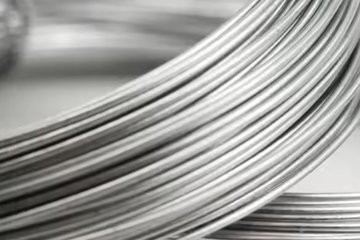
Bar and Billet Stock: ASTM B348, AMS 4928, AMS 4967, DIN EN 3.7164
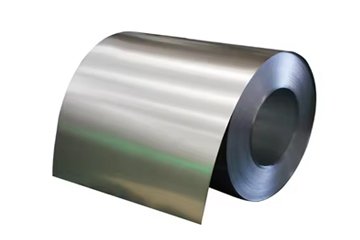
Plates, Sheets, and Strips: ASTM B265, ASME SB-265, AMS 4911
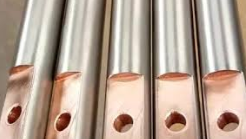
Seamless Tubing and Welded Pipe: ASTM B338, ASTM B861, ASME SB-338
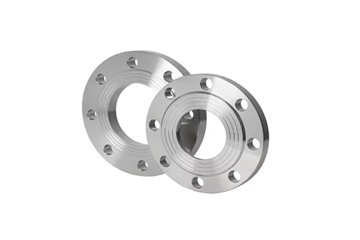
Forged Discs, Flanges, and Custom Rings: ASTM B381, AMS 4928, ISO 9001 / AS9100 Certified
Every shipment includes comprehensive Mill Test Reports (MTR) detailing complete melt chemistries, elevated-temperature tensile curves, macro/micrographs, and ultrasonic testing documentation.
An aviation turbine engineering group redesigned their intermediate compressor rotor stages, operating at 480°C, switching from Inconel 718 to our forged Ti-6242 discs. This alloy transition yielded a 42% reduction in stage rotor mass, reducing bearing loads and lowering overall engine fuel consumption by 1.8% over standard flight cycles.
A petrochemical processing plant experienced severe chloride-induced stress corrosion cracking (SCC) on their Inconel 625 heat exchanger tubes handling organic acid vapors at 320°C. We manufactured replacement seamless Grade 12 (Ti-0.3Mo-0.8Ni) titanium tube bundles. The titanium installation has maintained continuous uptime for over 6 years with zero corrosion-induced tube wall thinning.
Standard Ti-6Al-4V exhibits noticeable strength reduction above 400°C. By 500°C, its yield strength drops by more than 50% compared to ambient values, accompanied by rapid creep deformation and superficial oxidation above 550°C.
Direct fusion welding of titanium to nickel-based alloys is metallurgically incompatible due to the formation of brittle intermetallic compounds (such as TiNi and Ti&sub2;Ni), which fracture during cooling. Joining these materials requires specialized solid-state friction welding, explosion cladding, or vacuum brazing with compatible interlayer barriers.
Titanium alloys have a lower coefficient of thermal expansion (CTE of ~8.6 × 10⁻⁶/K for Ti-6Al-4V) compared to nickel-based superalloys (CTE of ~13.0 × 10⁻⁶/K for Inconel 718). When designing hybrid assemblies, this thermal expansion mismatch must be accounted for to prevent thermal fatigue cracking.
China Titanium Factory maintains an inventory of vacuum-melted raw billet and plate stock. Standard alloy forms ship within 1 to 2 weeks, while custom open-die and closed-die forged profiles typically require 4 to 6 weeks, including heat treatment, chemical de-oxidation, ultrasonic inspection, and full MTR documentation.
Whether you are designing aerospace turbine components, subsea chemical systems, or industrial heat exchangers, our engineering specialists can assist with alloy grade selection, thermal modeling, and direct mill supply.
Request a Custom Quote


Contact Us
Room 21003, 10th Floor, Unit 2, Building 1, Xianning International Plaza, No.29 Xianning West Road, Beilin District, Xi'an City
Copyright © Xi'an Shiguang Jingyan Technology Co., Ltd. All Rights Reserved.