During commercial electrolysis, current transitions from the solid titanium base through the conductive oxide matrix to evolve chlorine (Cl2) or oxygen (O2). As the electrocatalyst wears down, the overpotential required to sustain the reaction rises sharply.
When the localized overpotential surpasses the critical breakdown threshold, electrolyte ions penetrate the micropores of the coating. This directly oxidizes the underlying titanium metal, forming non-conductive rutile or anatase TiO2.
Electrochemical Passivation: The formation of a high-resistance, dielectric titanium dioxide (TiO2) boundary film at the substrate-coating interface, resulting in a sudden, catastrophic rise in cell voltage (>10 V) at constant current density.
Once this insulating film develops, electrical resistance escalates exponentially. The process generates localized Joule heating, accelerates coating spallation, and terminates operational life.
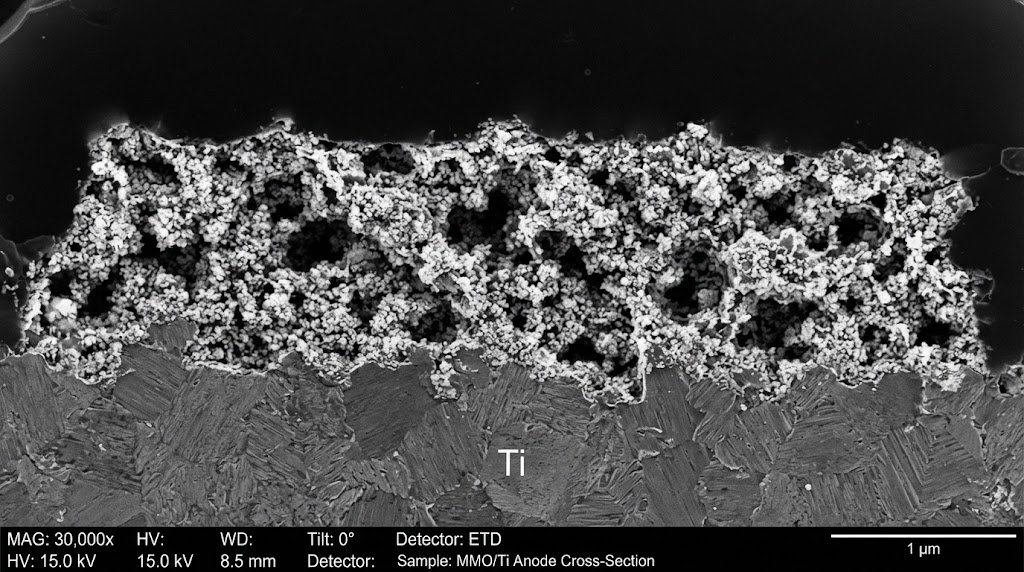
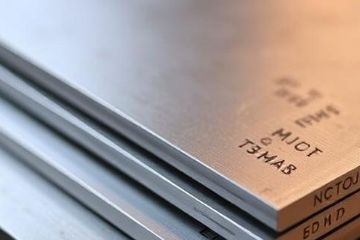
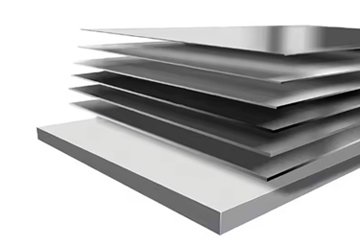
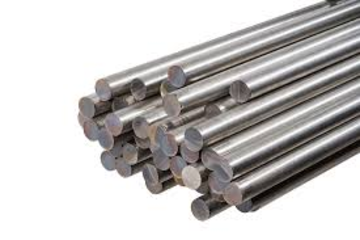
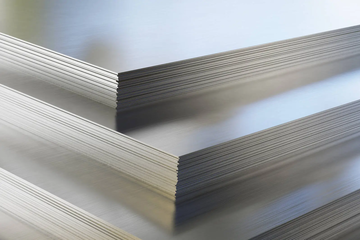
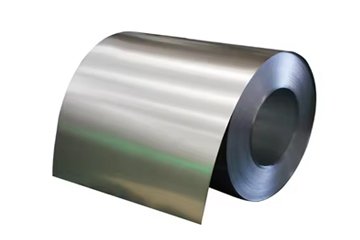
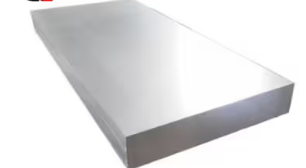
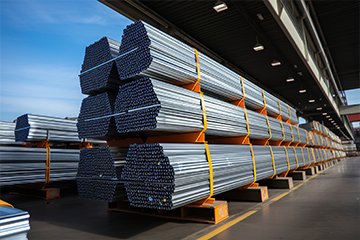
We source certified ASTM B265 Titanium Sheet and Plate Substrates to maintain interstitial elements (iron, carbon, nitrogen, and oxygen) within rigid specifications. Trace iron content exceeding 0.08 wt% causes discrete micro-galvanic cells within the substrate matrix, inducing premature interfacial delamination.
| Element / Property | ASTM B265 Gr 1 Limit | CTF Manufacturing Standard | Lifespan Degradation Mechanism |
|---|---|---|---|
| Iron (Fe) | ≤ 0.20 wt% | ≤ 0.05 wt% | Micro-galvanic pitting beneath the oxide lattice. |
| Oxygen (O) | ≤ 0.18 wt% | ≤ 0.10 wt% | Reduces ductility; leads to thermal spallation during sintering. |
| Hydrogen (H) | ≤ 0.015 wt% | ≤ 0.005 wt% | Hydride embrittlement and substrate micro-cracking. |
The substrate must undergo automated alumina grit blasting to achieve an anchor profile between Ra 3.5 µm and 5.0 µm. This is followed by chemical etching in a boiling 10-20% oxalic acid or hydrochloric acid solution at 95°C.
This aggressive chemical treatment selectively dissolves titanium grain boundaries. The reaction forms an active gray titanium hydride (TiHx) surface layer, creating a crystalline keying matrix that increases actual surface area by 300% to 500%.
Chlorine evolution (e.g., chlor-alkali production, sodium hypochlorite generation, seawater electrolysis) demands Ruthenium-Iridium Oxide (RuO2-IrO2) solid solutions. RuO2 provides low chlorine overpotential (20-40 mV at 2,000 A/m2), while IrO2 stabilizes the rutile crystalline lattice against dissolution.
Oxygen evolution (e.g., copper foil manufacturing, electro-galvanizing, wastewater treatment, electrowinning) generates aggressive hydroxyl radicals and atomic oxygen. This requires Iridium-Tantalum Oxide (IrO2-Ta2O5) formulations. Ta2O5 acts as a chemically inert valve metal oxide, sealing the titanium substrate from nascent oxygen attack.
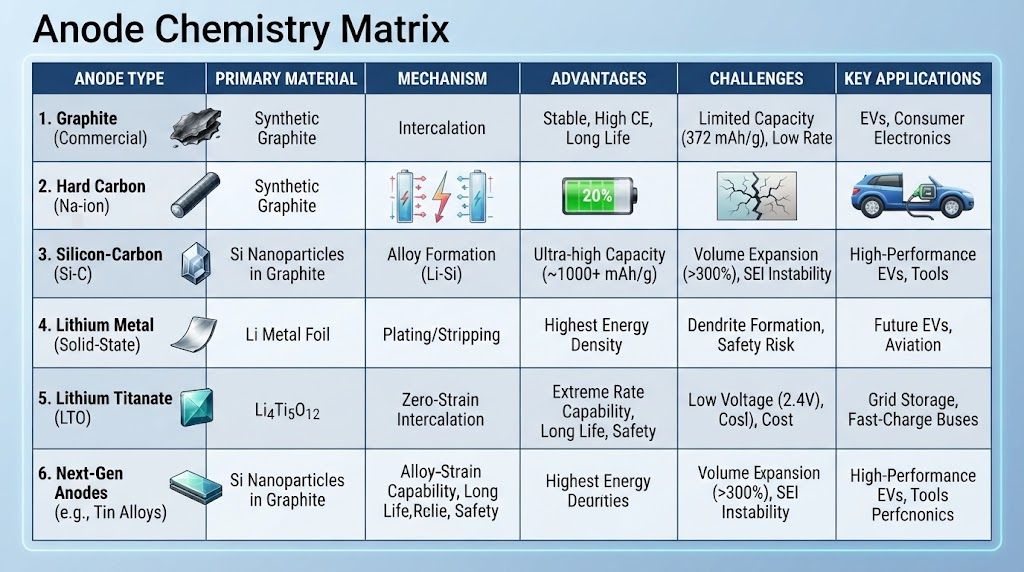
To prevent this, advanced manufacturing applies an intermediate barrier sub-layer. Applying a 0.5 to 1.5 µm dense Ta2O5-TiO2 or conductive sub-stoichiometric titanium oxide (Ti4O7, Magnéli phase) layer acts as a mechanical barrier against ionic oxygen transport.
This barrier preserves interface conductivity and doubles operational lifespan under high-acid, high-current conditions. It ensures the catalyst can reach 90% depletion before passivation occurs.
In oxygen evolution regimes, the mathematical relationship between operating current density and accelerated test lifespan is governed by an empirical power-law equation:
Where tservice is predicted operational lifetime (hours), tALT is time-to-failure in accelerated testing (hours), jALT is accelerated current density (typically 10,000 to 20,000 A/m2), jservice is field current density, and n is the empirical acceleration exponent (typically 1.4 to 1.8 for IrO2-Ta2O5 systems in 1.0 M H2SO4 at 40°C).
Catalyst consumption rate (Wcat) is calculated using Faraday's laws of electrolysis combined with precious metal loading verification:
Typical wear rates for optimized IrO2 coatings range from 0.5 to 2.0 mg/kA·h in sulfuric acid media. Chlor-alkali RuO2 systems operate with wear rates under 0.1 mg/kA·h in high-purity saturated brine.
Current density directly controls degradation velocity. Operating an anode designed for 1,500 A/m2 at 4,500 A/m2 accelerates precious metal dissolution rates by a factor of 4.5. It also increases internal thermal stresses at the coating interface.
Electrolyte temperature changes reaction kinetics. Higher temperatures lower overpotentials but accelerate chemical dissolution of RuO2 in acidic media. For temperatures above 65°C, high-stability IrO2-Ta2O5 formulas are mandatory.
High electrolyte acidity (pH < 1.0) paired with elevated dissolved oxygen accelerates catalytic oxide dissolution. Conversely, alkaline conditions (pH > 12) make mixed ruthenium coatings susceptible to soluble perruthenate ([RuO4]2-) complex formation, causing rapid catalyst stripping.
Fluoride Ions (F-): Fluoride concentrations exceeding 5 mg/L (ppm) rapidly dissolve the passive titanium substrate beneath the coating by forming soluble [TiF6]2- complexes. This causes rapid, catastrophic flaking of the intact oxide layer.
Lead (Pb2+) and Manganese (Mn2+): Dissolved lead or manganese oxidizes and precipitates onto the anode surface as insulating lead dioxide (PbO2) or manganese dioxide (MnO2) crusts. This blocks catalytic active sites and triggers high internal overpotentials.
Polarity Reversal: Using DSA electrodes as cathodes during polarity reversal cleanings reduces the active MMO coating. RuO2 and IrO2 are reduced to brittle metallic states (Ru0, Ir0), which dissolve and delaminate upon returning to anodic duty.
Rectifier AC Ripple: Unfiltered AC ripple current (>5% at high frequencies) creates intermittent cathodic polarization states, accelerating catalytic degradation.
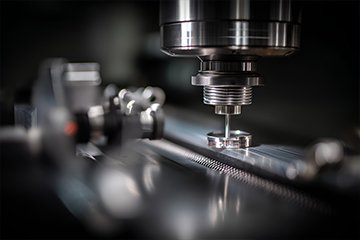
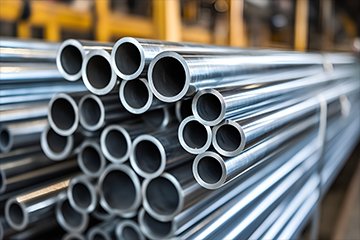
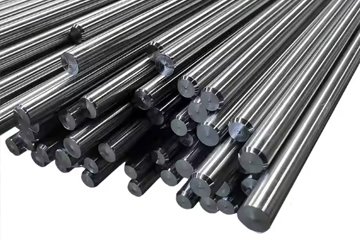
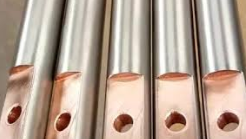
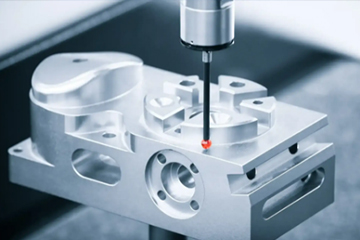
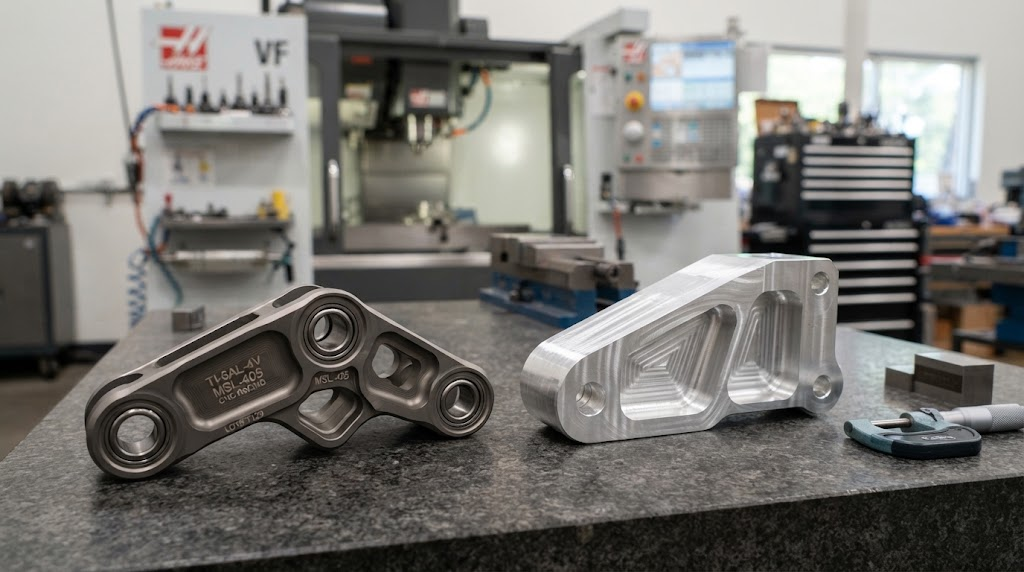
Substrate Verification: Metallurgical spectrometry, non-destructive ultrasonic testing, and precision manufacturing of Custom CNC Machined Titanium Components to ASTM B265 Grade 1 standards.
Micro-Anchor Etching: High-precision thermal chemical etching generating a uniform surface roughness of Ra 4.0 ± 0.5 µm with 100% titanium hydride boundary development.
Multi-Layer Gradient Application: Application of 18 to 26 individual micro-coats using automated robotic systems. Formulations feature a high-tantalum intermediate barrier transitioning to a high-iridium catalytic surface.
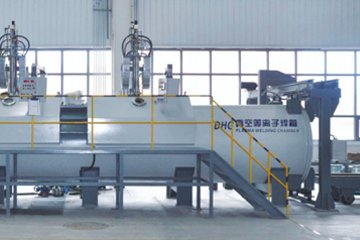
Step-Cured Thermal Sintering: Controlled thermal decomposition in computer-regulated ovens (450°C to 520°C) with real-time oxygen partial pressure monitoring. This ensures optimal isomorphic rutile crystal solid-solution formation.
Quality Validation: 100% coating verification via Energy-Dispersive X-Ray Fluorescence (XRF) spectrometry and full batch validation using Galvanostatic Accelerated Life Testing (ALT).
This protocol produces titanium anodes with uniform, crack-free surface morphologies. It significantly reduces dielectric TiO2 passivation rates in aggressive industrial chemical environments.
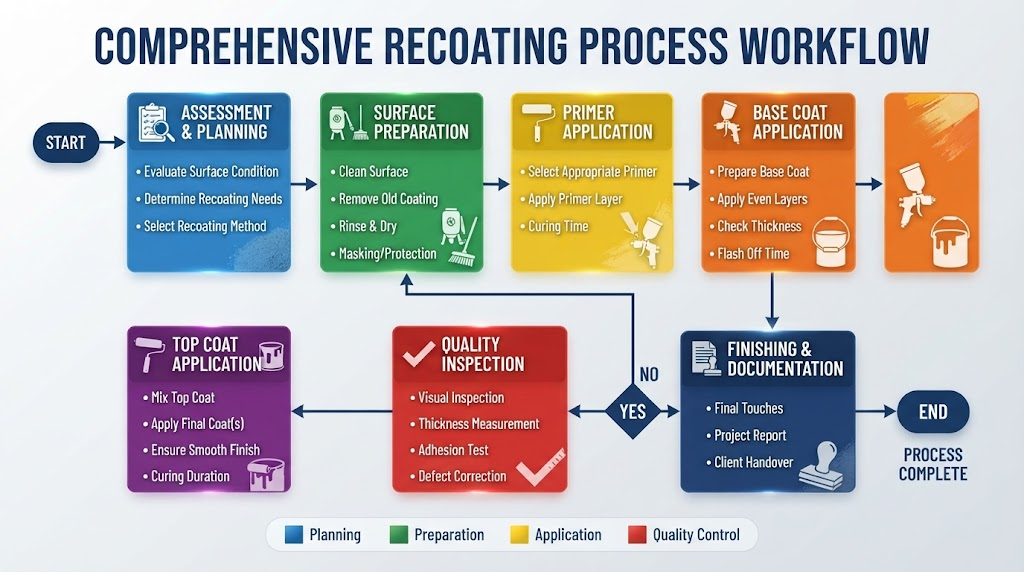
Chemical stripping removes residual oxides in molten salts or specialized non-oxidizing acid solutions without thinning the titanium base. After surface recoating, the refurbished anode matches the electrochemical performance of a new assembly.
| Lifecycle Phase | Complete New Fabrication | Refurbishment & Recoating | Industrial Plant Advantage |
|---|---|---|---|
| Raw Material Cost | 100% (Substrate + Coating) | 35% - 45% (Coating Only) | Saves up to 60% on raw material capital expenditure. |
| CNC Machining & Welding | Full structural fabrication | Zero machining required | Eliminates dimensional fitment risks. |
| Substrate Lifecycle | Initial purchase cycle | 3 to 5 Recoating cycles | Maximizes asset ROI over 15+ operational years. |
For high-capacity industrial plants operating Chlor-Alkali Anode Assemblies, regular recoating cycles deliver major reductions in operational expenditure (OPEX) while maintaining high current efficiencies.
The primary indicator is a gradual rise in cell voltage (500 mV to 2 V above baseline) at constant current density, indicating active catalyst depletion. Secondary signs include localized increases in electrolyte temperature from resistance heating, lower coulombic efficiency, and visible surface discoloration under inspection.
Precious metal loading (expressed in g/m2 of metallic Ir or Ru) establishes the theoretical wear reserve of the anode. While lifespan increases with higher catalyst loading, the relationship is non-linear; loadings above 40 g/m2 can develop internal tensile micro-fractures during sintering, leading to premature flaking.
Standard DSA anodes should not be exposed to free fluoride ions exceeding 5 ppm. If trace fluorides are unavoidable, the electrolyte must be complexed using aluminum sulfate (Al2(SO4)3) to bind free fluoride into inert [AlF6]3- complexes, preventing substrate attack.
A mechanically intact Grade 1 titanium structure can typically be stripped and recoated 3 to 5 times. Recoating viability depends on maintaining substrate thickness, weld integrity, and the absence of pitting corrosion from chemical attacks.
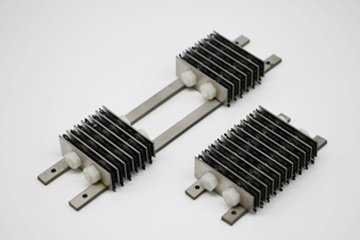
China Titanium Factory engineers custom Mixed Metal Oxide (MMO) titanium anodes, bespoke assemblies, and recoating programs designed to maximize service life in challenging electrochemical environments.
Request Engineering Consultation


Contact Us
Room 21003, 10th Floor, Unit 2, Building 1, Xianning International Plaza, No.29 Xianning West Road, Beilin District, Xi'an City
Copyright © Xi'an Shiguang Jingyan Technology Co., Ltd. All Rights Reserved.