


















The Engineering Standard: Grade 9 Titanium (Ti-3Al-2.5V) Hydraulic Tubing
In the high-stakes world of aerospace engineering, weight is the enemy. Every gram saved translates directly into fuel efficiency and payload capacity. Grade 9 Titanium Tubing, also known as Ti-3Al-2.5V, has emerged as the definitive choice for modern hydraulic systems. It isn't just a material; it is a structural solution for fluid transport in extreme environments.
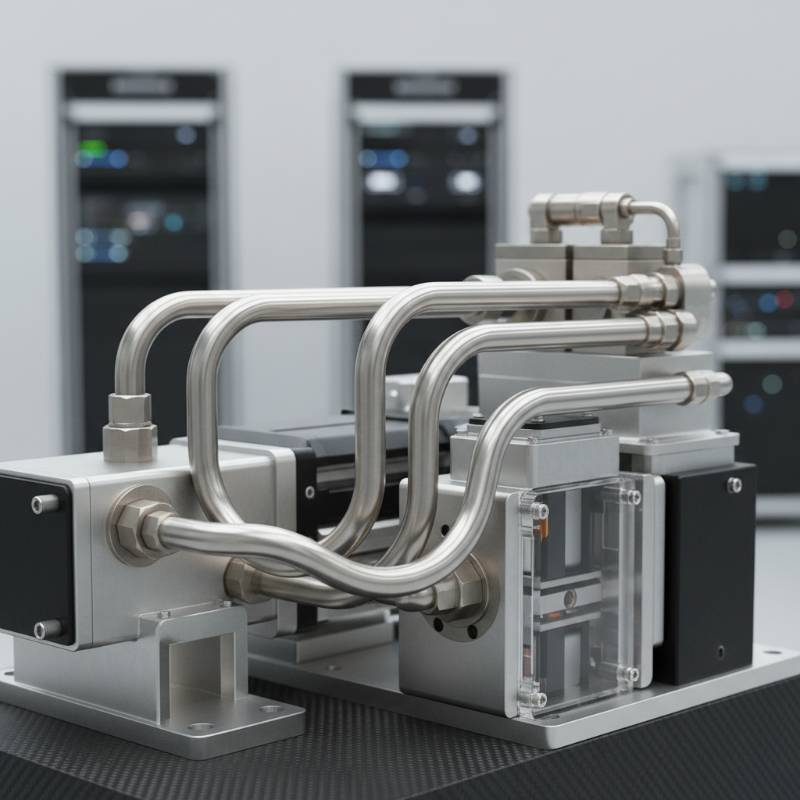
This alpha-beta alloy bridges the gap between commercially pure titanium and high-strength alloys like Grade 5. While Grade 5 is often too brittle for complex bending, Grade 9 offers the ductility needed for intricate aerospace titanium alloy seamless pipe configurations. As we look at 2026 trends, the demand for this specific alloy is surging in both commercial aviation and defense sectors.
The Engineering "Sweet Spot": Comparing Grade 9 vs. Grade 2 and Grade 5
Why choose Grade 9? The answer lies in its mechanical balance. In its annealed state, Grade 9 titanium provides approximately 50% higher tensile strength than standard Grade 2. This allows engineers to specify thinner wall thicknesses without sacrificing pressure ratings.
"The Golden Rule of Fluid Systems: Strength is useless if the material cannot be formed to the airframe's geometry. Grade 9 provides the highest strength-to-formability ratio of any titanium alloy."
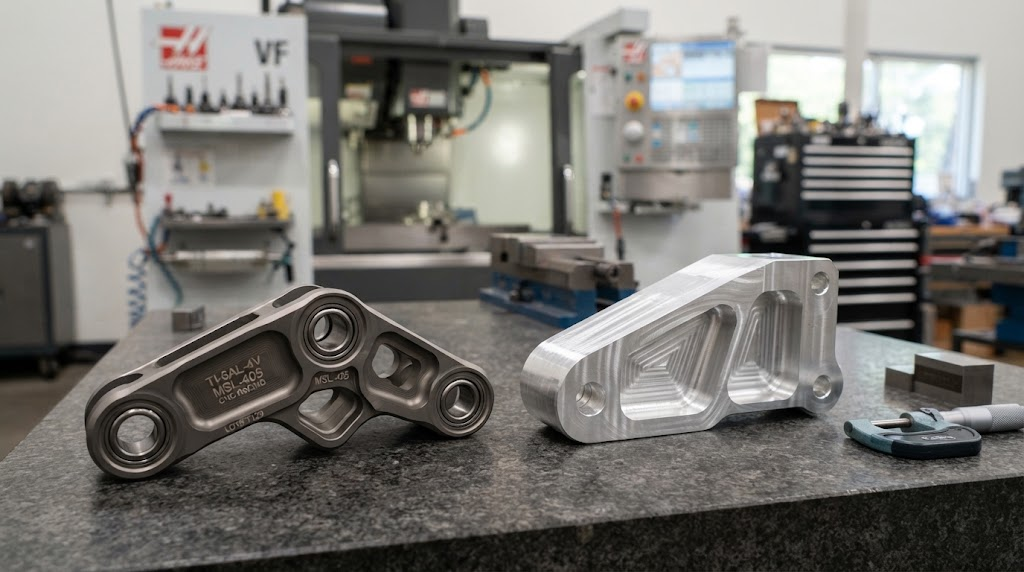
Unlike Grade 5 (Ti-6Al-4V), which is notoriously difficult to cold-work, Grade 9 exhibits superior cold-workability. This makes it the premier choice for manufacturing complex wing hydraulic lines. You can flare, bend, and swage Grade 9 tubing with precision, a task that often leads to cracking in harder alloys. At China Titanium Factory, we've observed that this balance significantly reduces assembly scrap rates in Tier 1 aerospace manufacturing.
Physical Properties and Thermal Performance
The physics of Grade 9 are impressive. With a density of 4.48 g/cm³, it is nearly half the weight of steel. However, weight is only part of the story. Hydraulic systems in modern jets operate under intense thermal stress.
Grade 9 maintains exceptional creep resistance at temperatures reaching 315°C (600°F). This thermal stability ensures that hydraulic lines do not deform or lose integrity during prolonged high-altitude flights or high-pressure maneuvers. According to data from the ASM International materials database, Ti-3Al-2.5V retains its fatigue life far better than aluminum alloys when exposed to these cyclic thermal loads.
Aerospace Standards: Navigating AMS 4943 and AMS 4944 Compliance
Procurement isn't just about the alloy; it's about the certification. In the aerospace world, two specifications dominate the conversation for AMS 4943 hydraulic tube:
AMS 4943: Covers tubing in the annealed condition. It offers maximum ductility for severe forming operations.
AMS 4944: Refers to tubing that has been cold-worked and stress-relieved. This provides higher strength for high-pressure applications where minimal bending is required.
Most aerospace projects also require compliance with ASTM B338 for heat exchanger and condenser tubes, but for hydraulic systems, the AMS standards are the gold standard. Ensuring your supplier provides full traceability is non-negotiable in 2026.
The Ti-Flow™ 4-Point Hydraulic Integrity Protocol
At China Titanium Factory, we utilize a proprietary methodology to ensure zero-defect delivery. We call this The Ti-Flow™ 4-Point Protocol. This framework is designed to exceed standard defense aviation requirements.
Ultrasonic Flaw Detection: Every millimeter of the seamless pipe is scanned for internal voids or inclusions.
Precision Flaring Analysis: Samples from every batch undergo a 37-degree flare test to ensure zero cracking at the joints.
Burst Pressure Verification: We calculate and test the theoretical vs. actual burst pressure to provide a safety factor of at least 4:1.
Chemical Composition Validation: Spectrographic analysis confirms the precise 3% Aluminum and 2.5% Vanadium balance.
Performance Comparison: Grade 9 Titanium vs. Stainless Steel Tubing
Historically, stainless steel (like 21-6-9 or 304L) was the default for high-pressure lines. Today, the shift is undeniable. Titanium wins on the strength-to-weight battlefield.
| Property | Grade 9 Titanium | Stainless Steel 21-6-9 |
|---|---|---|
| Density (g/cm³) | 4.48 | 7.83 |
| Tensile Strength (MPa) | 620+ | 690+ |
| Corrosion Resistance | Excellent (Immune to Chlorides) | Good (Susceptible to Pitting) |
| Weight Savings | Baseline | +42% Heavier |
Dimensional Specifications and Product Variants
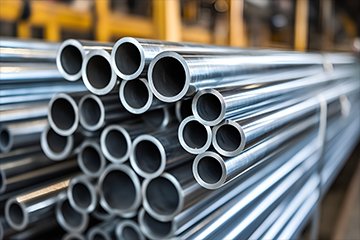
We supply a wide array of dimensions to meet diverse engineering needs. Our seamless titanium pipe is available in various wall thicknesses to accommodate different pressure ratings.
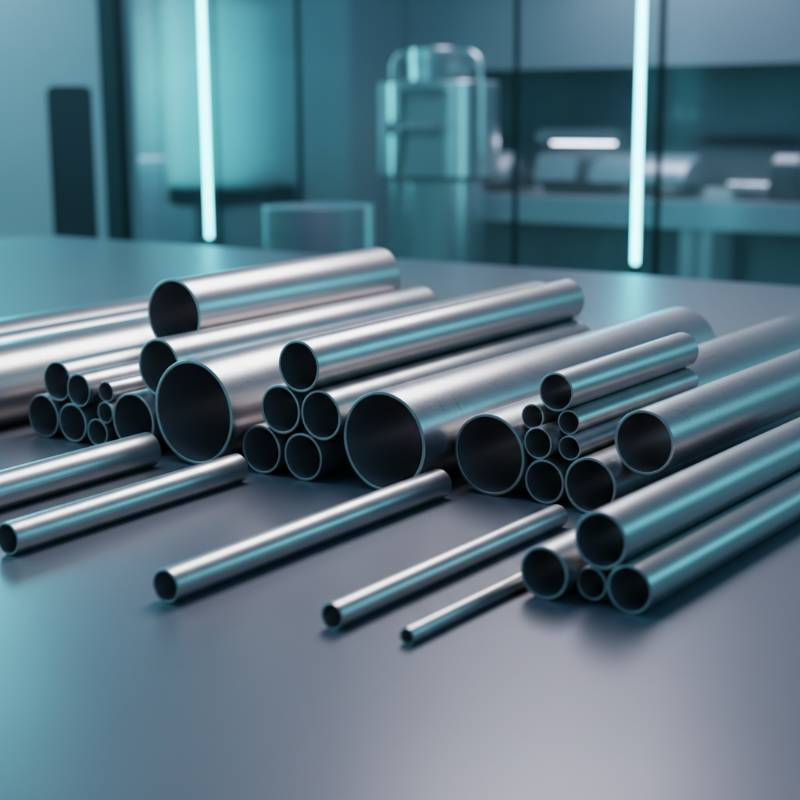
Current production capabilities include:
Outer Diameter (OD): 6.0mm to 114.3mm
Wall Thickness: 0.5mm to 10.0mm
Lengths: Up to 12 meters (Custom lengths available)
Sustainability: The Lifecycle of "Green Titanium"
In 2026, material selection is no longer just about performance; it's about the lifecycle. Titanium is 100% recyclable. Because Grade 9 titanium is virtually immune to corrosion in aerospace environments, these components often outlast the airframes themselves. This longevity reduces the "total cost of ownership" and minimizes the environmental footprint of maintenance cycles.
Procurement Guide: Sourcing Aerospace Grade Seamless Pipe
Sourcing titanium requires diligence. For procurement managers, we recommend the following checklist:
Verify the MTR: Ensure the Mill Test Report explicitly states compliance with AMS 4943 or 4944.
Check Lead Times: Global demand for Grade 9 is high. Secure your titanium supply chain early.
Value-Added Services: Inquire about precision cutting services and custom bending to reduce your internal processing time.
Frequently Asked Questions
Can Grade 9 titanium be welded?
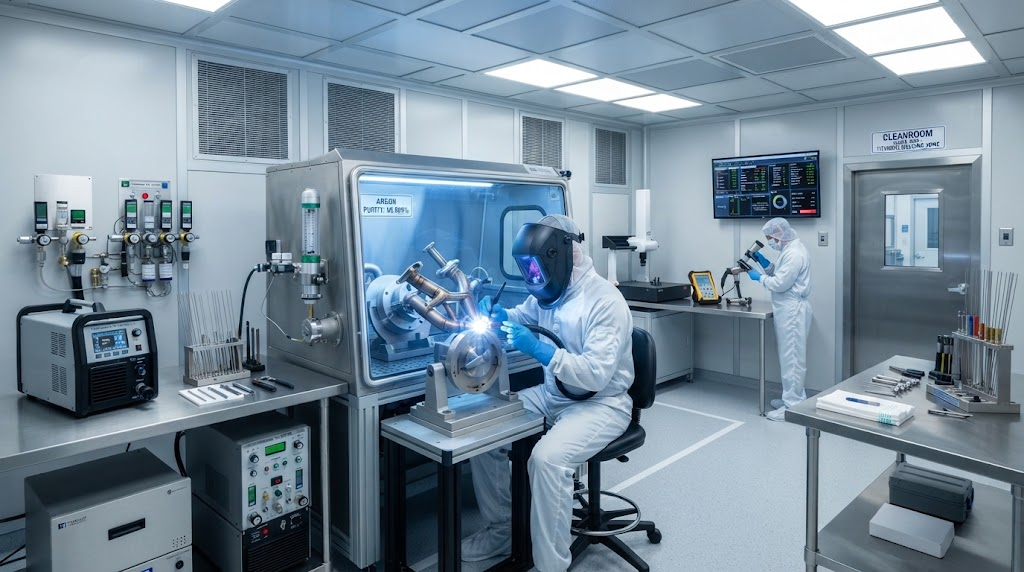
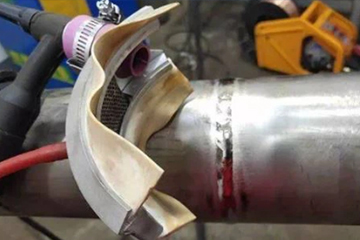
Yes. Grade 9 has excellent weldability using TIG (Tungsten Inert Gas) or laser welding. However, strict shielding gas protocols are required to prevent oxygen embrittlement.
What is the maximum operating pressure for AMS 4943 tubing?
Operating pressure depends on the wall thickness and diameter. Generally, Grade 9 is used in 3,000 psi to 5,000 psi aerospace hydraulic systems.
How does Ti-3Al-2.5V handle vibration fatigue?
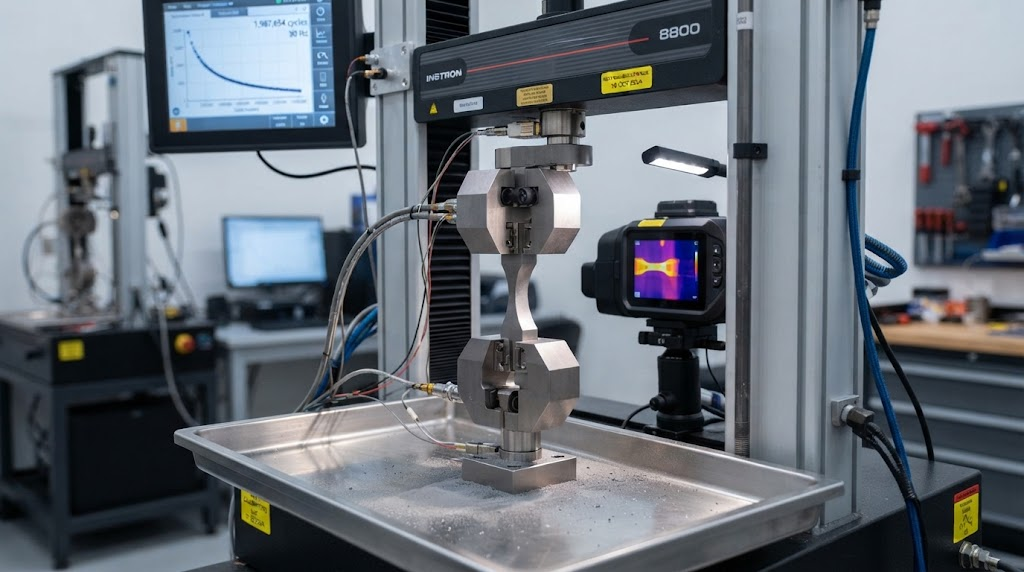
It performs significantly better than Grade 5 in vibration-heavy environments. Its slightly lower modulus of elasticity allows it to absorb "flex" without developing micro-cracks.
Ready to Optimize Your Fluid Systems?
Partner with an industry leader in high-performance titanium. Get a technical consultation and quote for your Grade 9 requirements today.
Contact Our Engineers