




















Defining Precision Titanium Capillary Tubes for High-Tech Manufacturing
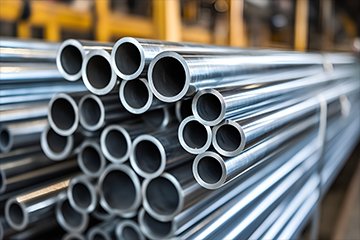
Micro-diameter tubing is the unsung hero of modern analytical chemistry and minimally invasive surgery. When we talk about a Titanium Capillary Tube, we aren't just discussing a small pipe. We are looking at a high-performance conduit where the margin for error is non-existent. In 2026, the demand for smaller, lighter, and more durable components has pushed titanium to the forefront of micro-tubing technology.
At China Titanium Factory, we view these tubes as precision instruments. They offer a superior strength-to-weight ratio compared to stainless steel while remaining chemically inert. This makes them indispensable for environments where fluid purity and structural reliability are the top priorities.
Technical Specifications: Micron-Level Tolerances and Surface Integrity
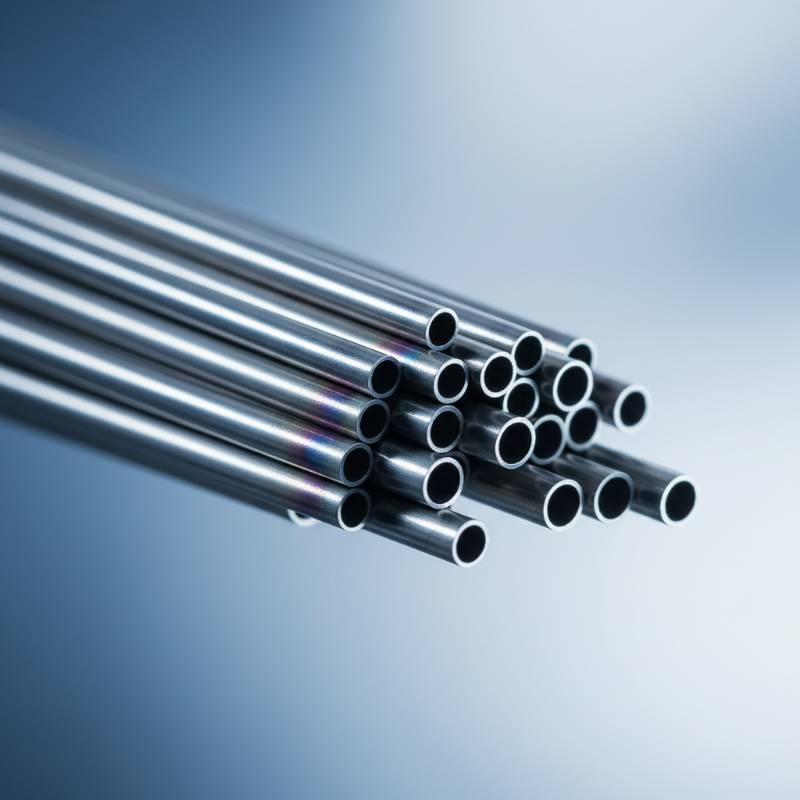
Standard manufacturing won't cut it here. High-end applications require ±0.01mm tolerance on both outer diameter (OD) and wall thickness. Why? Because in microfluidics, even a 5-micron deviation can cause catastrophic pressure drops or flow rate inconsistencies. Concentricity is the name of the game. If the wall thickness isn't uniform, the tube will fail under high-pressure pulses common in HPLC systems.
We define the "Surface-Integrity Principle" as our North Star: A tube is only as functional as its smoothest internal micron. Achieving this requires rigorous cold-drawing processes followed by proprietary polishing stages. Our custom titanium tube dimensions are engineered to meet the exact mechanical requirements of aerospace and diagnostic hardware.
The Ra < 0.4 Advantage: Optimizing ID Surface Roughness
Internal Diameter (ID) surface roughness is often overlooked by generalist suppliers. It shouldn't be. For HPLC chromatography columns, an ID roughness of Ra < 0.4 is the gold standard. A rough internal surface creates "dead zones" where molecules get trapped. This leads to sample carryover and blurred data peaks. It's a nightmare for lab technicians.
"Surface roughness (Ra) measures the average peaks and valleys on a material's surface. In capillary tubes, lower Ra values directly correlate to reduced fluid resistance and enhanced contamination prevention."
Smooth surfaces aren't just about flow; they are about hygiene. In medical implants, a rough surface is a breeding ground for biofilm. By maintaining ultra-smooth ID surfaces, we ensure that fluid moves with zero turbulence, maintaining the integrity of sensitive biological or chemical samples.

Medical Grade Excellence: ISO 13485 and ASTM F136 Compliance
When lives are on the line, compliance isn't optional. Grade 23 ELI micro-tubing (Extra Low Interstitial) is the premier choice for titanium tubing for medical device components. This alloy offers higher ductility and fracture toughness than standard Grade 5. It is the backbone of surgical staplers, biopsy needles, and implanted stents.
Our manufacturing facility strictly adheres to ISO 13485 quality management systems. Furthermore, every batch of our medical-grade tubing meets ASTM F136 specifications. This ensures the material is biocompatible and won't trigger an immune response when placed inside the human body. Reliability is built into the grain structure of the metal itself.
The 'V-Anneal' Ductility Protocol: Our Proprietary Manufacturing Method
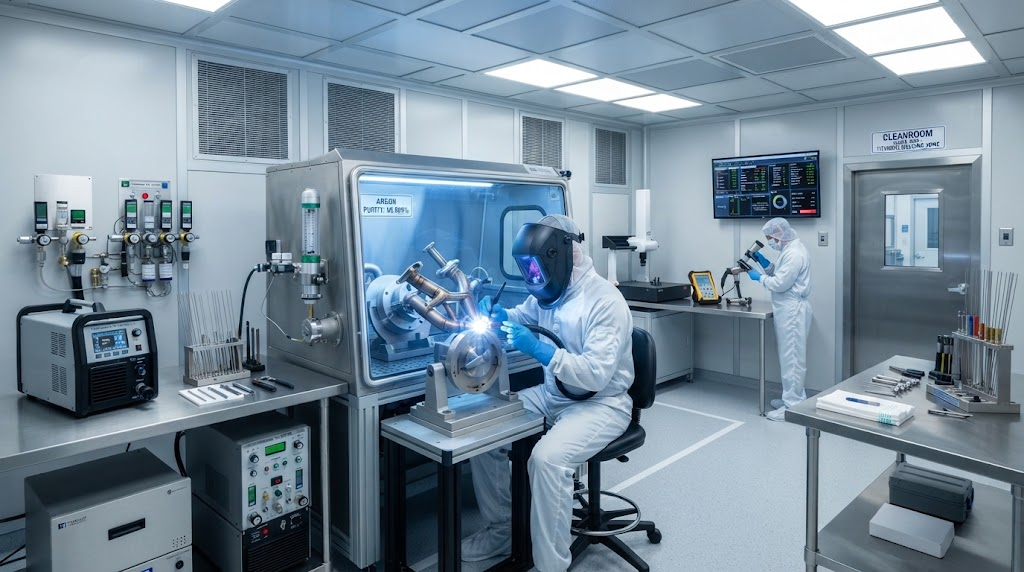
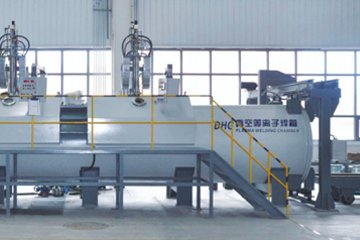
According to our analysis of field failures in micro-tubing, most issues arise during the bending phase. Standard titanium can be brittle. To solve this, we developed The V-Anneal Protocol. This is a specialized vacuum annealing process that precisely controls the heating and cooling cycles in an oxygen-free environment.
This protocol optimizes the alpha-beta phase distribution of the alloy. The result? Enhanced elongation properties that allow for complex geometries. It’s not just "heat treating"—it’s molecular-level conditioning. This proprietary methodology ensures that the tube remains structurally sound even when pushed to its physical limits during assembly.
Material Comparison: Titanium Grade 2 vs. Grade 5 vs. Grade 23 ELI
Choosing the right alloy is a balance of cost, strength, and corrosion resistance. Below is a breakdown for procurement officers and engineers.
| Feature | Grade 2 (CP) | Grade 5 (Ti-6Al-4V) | Grade 23 ELI |
|---|---|---|---|
| Common Use | General Industrial | Aerospace | Medical Implants |
| Strength | Moderate | High | Superior |
| Biocompatibility | High | Moderate | Excellent |
| Ductility | Highest | Lower | Optimized |
For high-cycle surgical tools, Grade 23 ELI is the non-negotiable choice. For simple fluid transfer in corrosive environments, Grade 2 may suffice. You can find more details on alloy properties via ASTM International standards.
Critical Applications: From HPLC Systems to Aerospace Fuel Lines
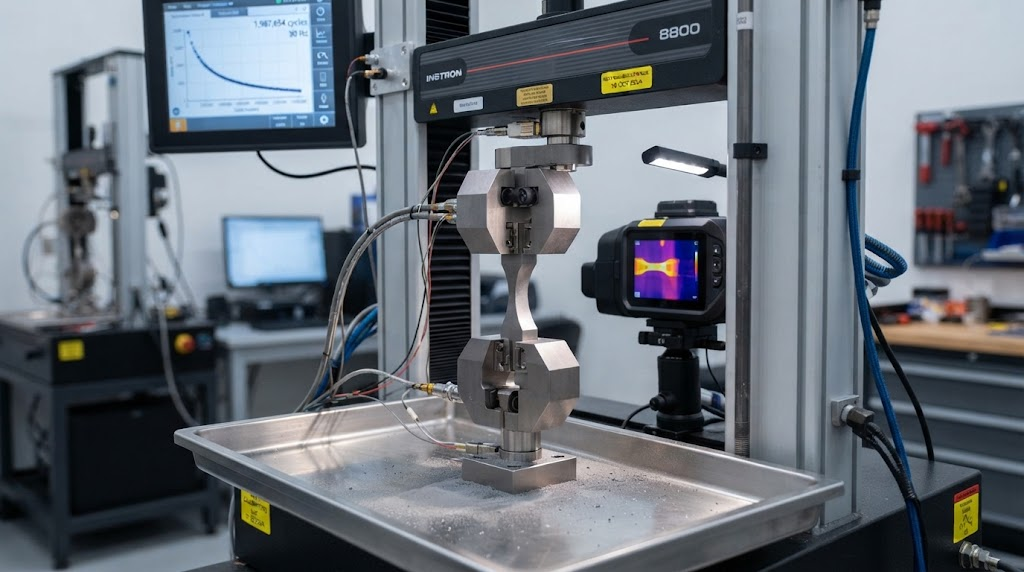
Where does this precision matter most? In minimally invasive surgical tools, the capillary tube acts as the housing for laser fibers or fluid delivery. A kink or a rough ID could ruin a procedure. In aerospace fuel lines, the extreme vibration and temperature fluctuations require the fatigue resistance that only high-quality titanium provides.
Microfluidic systems in 2026 are increasingly complex. These systems rely on our tubes for their ability to handle aggressive chemicals without leaching ions into the stream. Whether it's analytical chemistry or high-altitude sensors, the material must be flawless. For technical guidance on integration, consult the International Organization for Standardization regarding fluid power systems.

Frequently Asked Questions About Titanium Micro-Tubing
Can titanium capillary tubes be bent without kinking?
Yes. While titanium is known for its spring-back and potential brittleness, it can be bent smoothly. Through our proprietary V-Anneal vacuum annealing treatment, we enhance the material's elongation properties. This ensures that the tubes can achieve a very small bend radius without kinking, surface creasing, or internal diameter collapse.
What are the standard cleaning protocols for these tubes?
We use a multi-stage ultrasonic cleaning process involving deionized water and specialized solvents. This removes all drawing lubricants and metallic dust. For medical applications, we provide "cleanroom-ready" tubing that meets stringent particulate count requirements.
What are the typical lead times for custom micro-tubing?
Standard sizes are often in stock. Custom runs involving specific tolerances or the V-Anneal Protocol typically range from 4 to 8 weeks, depending on the complexity of the secondary processing like electrochemical polishing or laser cutting.
Ready for Micron-Level Perfection?
Don't let poor tolerances or rough surfaces compromise your engineering project. Get the precision your application deserves.
Request a Technical Quote Today