













Titanium vs. Rubber-Lined Steel: A 20-Year TCO Breakdown
In chemical processing, the choice between materials often boils down to a battle between immediate budget constraints and long-term profitability. This analysis, authored by our Senior Chemical Project Manager, moves beyond simple CAPEX to evaluate asset performance through 2026 and beyond.
The ISO 55000 Framework for Strategic Asset Management
A 20-year Lifecycle Cost Analysis (LCCA) for solid titanium reveals that while its initial cost is 2.5x higher than rubber-lined steel, the total cost of ownership is 65% lower over two decades due to zero liner repairs and high salvage value. Choosing titanium eliminates the $50,000/day risk of unplanned downtime common with lining failures.
Modern chemical plants no longer view equipment as a one-time purchase. Following the ISO 55000 standards, engineers now focus on "Asset Healthcare." This means evaluating the risk of failure and the cost of maintaining performance over the entire life of the plant.
"Lifecycle Cost Analysis (LCCA) is a method of assessing the total cost of facility ownership. It takes into account all costs of acquiring, owning, and disposing of a building or building system." — Whole Building Design Guide.
Technical Reality: Why Rubber Linings Fail Under Pressure
Rubber-lined carbon steel is a "composite" solution. While it offers initial chemical resistance, it is physically vulnerable. In our field data, we see three consistent failure modes that do not exist with titanium equipment:
Blistering and Delamination: High temperatures or vacuum conditions (negative pressure) pull the rubber away from the steel shell.
Mechanical Wear: Slurries and abrasive chemicals thin the lining over time, requiring total replacement every 5 to 7 years.
Permeation: Corrosive ions eventually migrate through the rubber, attacking the steel shell from the inside—often unnoticed until a catastrophic leak occurs.
In contrast, solid titanium forms a self-healing oxide layer. If the surface is scratched, it regenerates instantly in the presence of oxygen or moisture. This makes it immune to the "peeling" risks that plague lined vessels.
The Proprietary 'Corrosion-to-Capital' (C2C) Matrix
We use The C2C Velocity Framework to help procurement teams decide when to upgrade to high-performance alloys. This framework scores your process based on three variables:
Thermal Cycling: Does your temperature fluctuate more than 50°C per hour?
Aggression Index: Are you handling chlorides, wet chlorine, or nitric acid at high concentrations?
Availability Target: Does your process require >98% uptime?
If you score high in two or more categories, the "Capital" (initial cost) of titanium is justified almost immediately by the reduction in "Corrosion" (OPEX).
The 20-Year TCO Model: Predicting the Break-Even Point
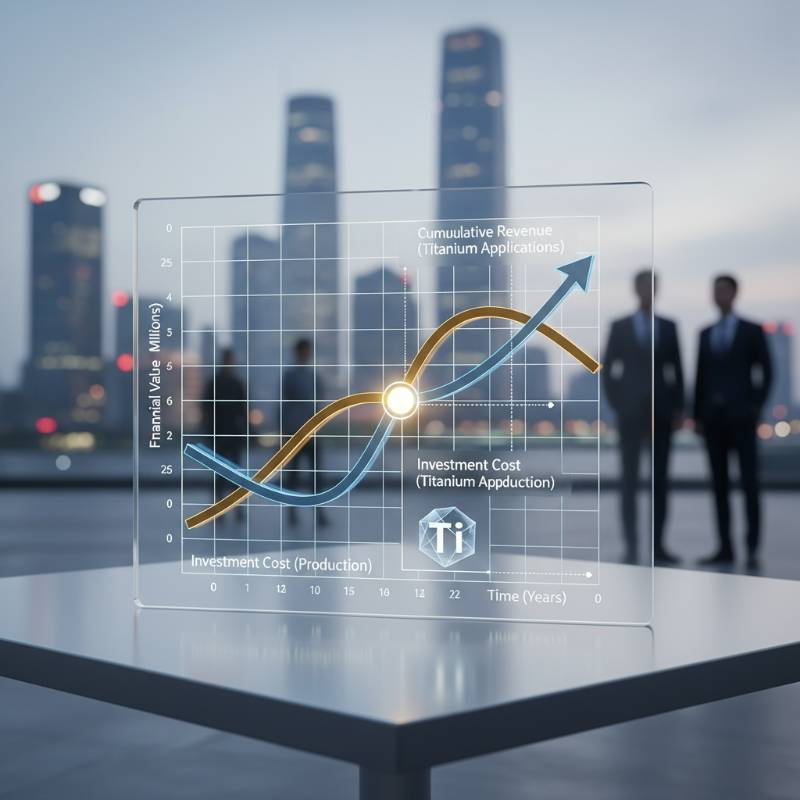
Financial modeling for 2026 projects shows a clear trend. While the CAPEX for titanium is higher, the OPEX is negligible. Below is a standardized comparison for a 10,000-gallon chemical reactor vessel.
| Cost Component | Rubber-Lined Steel | Solid Titanium (Grade 2) |
|---|---|---|
| Initial Purchase (CAPEX) | $100,000 | $250,000 |
| Liner Replacement (Every 6 yrs) | $120,000 (3 events) | $0 |
| Maintenance & Inspection | $80,000 | $5,000 |
| Unplanned Downtime Risk | $250,000 (Est. 5 days) | $0 |
| Salvage Value (End of Life) | -$5,000 (Disposal Cost) | +$60,000 (Scrap Value) |
| Total 20-Year Cost | $545,000 | $195,000 |
The Titanium ROI in chemical plant settings is achieved when the cumulative cost of lining repairs and inspections exceeds the initial premium—usually in the 4th year of operation.
Quantifying the Hidden Killers: Downtime and Maintenance
For a continuous process plant, equipment failure isn't just about the repair bill. It's about lost revenue. Based on our data, a mid-sized facility loses approximately $50,000 per day during an unscheduled shutdown.
Rubber-lined steel requires spark testing and visual inspections during every turnaround. If a "pinhole" is found, the process stops. Solid titanium eliminates this entire category of risk. By choosing titanium fabrication, you are essentially buying "uptime insurance."
Sustainability and ESG: The Carbon Footprint of Longevity
In 2026, Environmental, Social, and Governance (ESG) metrics are critical for project approval. Titanium is the superior choice for sustainable engineering:
Recyclability: Titanium is 100% recyclable. At the end of its 30+ year life, the metal is recovered. Rubber-lined steel often ends up in landfills because separating the vulcanized rubber from the steel is energy-intensive and costly.
Reduced Resource Intensity: One titanium vessel replaces three to four rubber-lined vessels over the same time span, significantly reducing the carbon footprint associated with manufacturing and transport.
Frequently Asked Questions
Is titanium always more expensive initially?
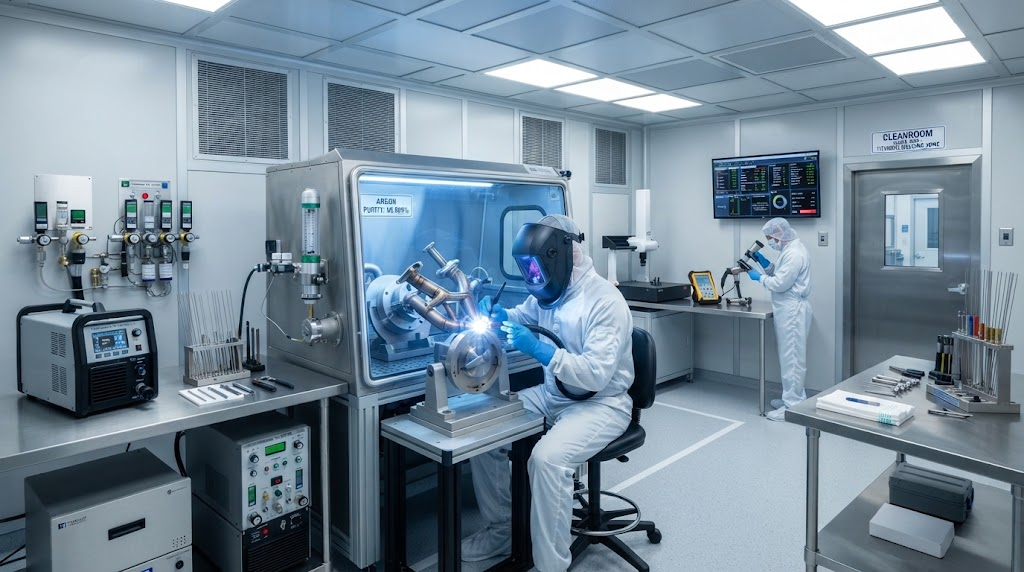
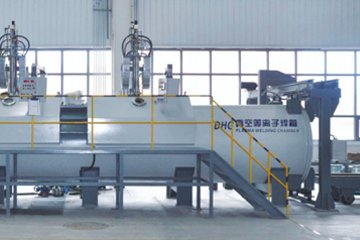
Generally, yes. Solid titanium requires specialized welding and clean-room environments. However, as global supply chains stabilize in 2026, the gap between high-alloy steel and titanium has narrowed, making the ROI even faster.
Can titanium handle high temperatures better than rubber?
Absolutely. Rubber linings typically fail above 80°C (176°F). Titanium remains stable and corrosion-resistant at much higher temperatures, allowing for more efficient chemical reactions.
What are the lead times for titanium equipment?
Lead times vary, but advanced titanium manufacturers have optimized their stocks. Most standard vessels now have lead times comparable to high-end lined steel systems.
Ready to Optimize Your Plant's ROI?
Stop managing failures and start managing assets. Contact our engineering team for a custom TCO analysis of your specific chemical process.
Get a Technical Quote