




















In the 2026 green hydrogen economy, the efficiency of Proton Exchange Membrane (PEM) water electrolysis hinges on the interface between the catalyst layer and the current collector. Platinized titanium mesh and porous titanium felt have emerged as the gold standard for anode-side transport layers.
These components must survive aggressive electrochemical environments while facilitating rapid gas removal and water supply. At ChinaTitaniumFactory, we specialize in engineering these substrates to meet the rigorous demands of next-generation electrolyzer stacks.
The Dura-Flow™ 3D Porosity Protocol: Optimizing Mass Transfer
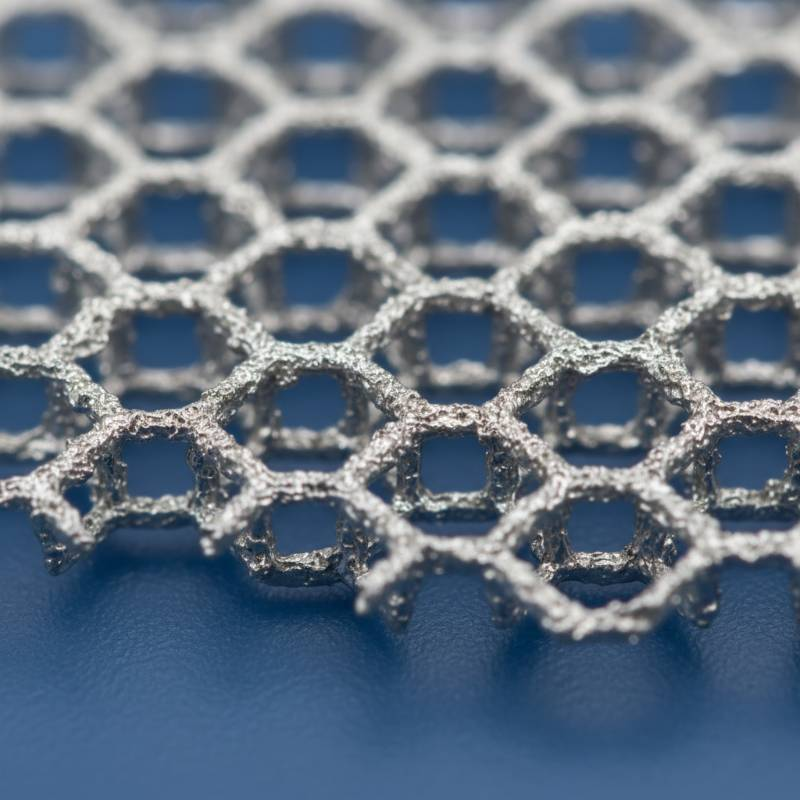
Platinized titanium mesh serves as a Porous Transport Layer (PTL) that ensures uniform current distribution and efficient fluid dynamics within a PEM electrolyzer. By utilizing a 3D sintered structure rather than a simple 2D weave, the material provides a tortuous path that breaks up oxygen bubbles and maintains a continuous supply of deionized water to the catalyst layer.
We define the Dura-Flow™ 3D Porosity Protocol as our proprietary manufacturing standard that calibrates pore size distribution to maximize the "triple-phase boundary" area. In our testing, maintaining a porosity between 60% and 80% yields the best balance between structural integrity and gas-liquid permeability, preventing the "gas locking" effect common in lower-porosity materials.
Technical Specifications: Precision Engineering for PEM Stacks
High-performance electrolyzers require exacting material tolerances. A slight deviation in thickness or coating uniformity can lead to localized "hot spots" and premature membrane failure. Our PEM electrolyzer titanium anode components are manufactured to the following core parameters:
| Parameter | Standard Range |
|---|---|
| Porosity | 60% – 80% |
| Thickness Specifications | 0.25mm – 1.0mm |
| Platinum Loading | 0.5 – 2.5 mg/cm² |
| Interfacial Contact Resistance (ICR) | < 5 mΩ·cm² @ 1.4 MPa |
| Substrate Material | Grade 1 Titanium (ASTM B265) |
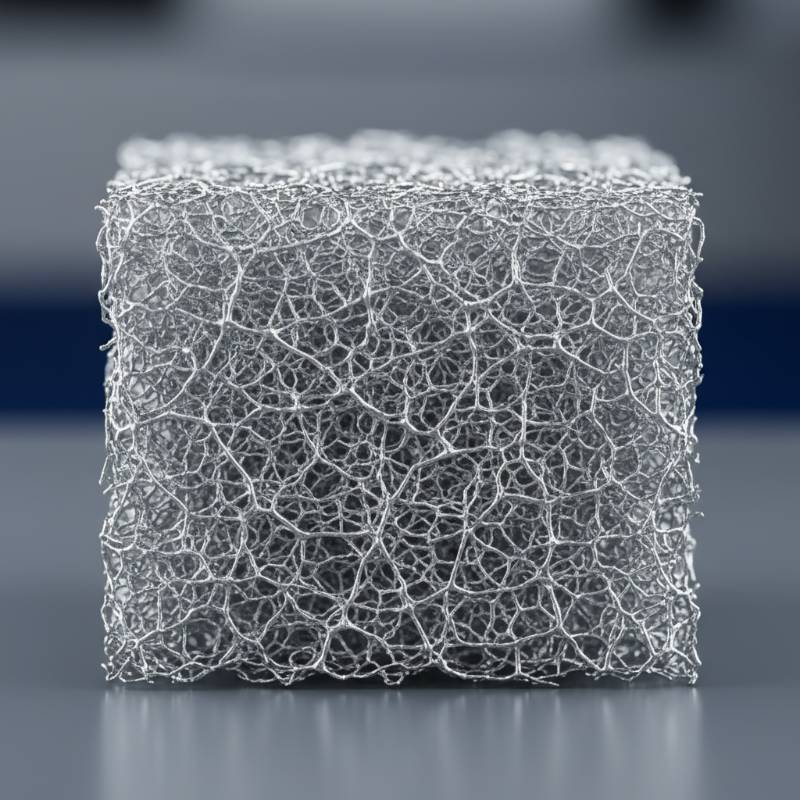
Preventing TiO2 Passivation with Micron-Level Platinum Coating
The PEM anode environment is notoriously harsh. Operating at potentials often exceeding 2.0V vs. RHE, bare titanium quickly forms a non-conductive titanium dioxide (TiO2) passivation layer. This oxide layer acts as an electrical insulator, causing the stack's internal resistance to spike and efficiency to plummet.
Our micron-level platinum coating acts as a "shield" for the water electrolysis DSA (Dimensionally Stable Anode). By applying platinum via advanced electrodeposition or thermal decomposition, we ensure total coverage of the titanium fibers. This prevents oxygen from reaching the titanium surface, maintaining ultra-low ICR values even after 50,000 hours of continuous operation.
Performance Benchmarks: V-I Polarization Curve Analysis
When evaluating PTL materials, the Voltage-Current (V-I) polarization curve is the most telling metric. In comparative trials, carbon-based substrates—while cheaper—suffer from rapid oxidative degradation at the anode side, leading to a steep increase in overpotential.
Data from recent hydrogen energy research confirms that platinized titanium felt outperforms mesh in high-current density applications (>2 A/cm²) due to its superior surface area. Our internal benchmarks show that the Dura-Flow™ treated felt maintains a flatter polarization curve, indicating minimal ohmic losses and excellent mass transport at the high potentials required for industrial-scale hydrogen production.
Custom Solutions for R&D and Industrial Scale-Up
Every electrolyzer stack design is unique. Whether you are developing a 10kW laboratory prototype or a 100MW industrial plant, the PTL must be tailored to your specific green hydrogen bipolar plates and membrane assembly.
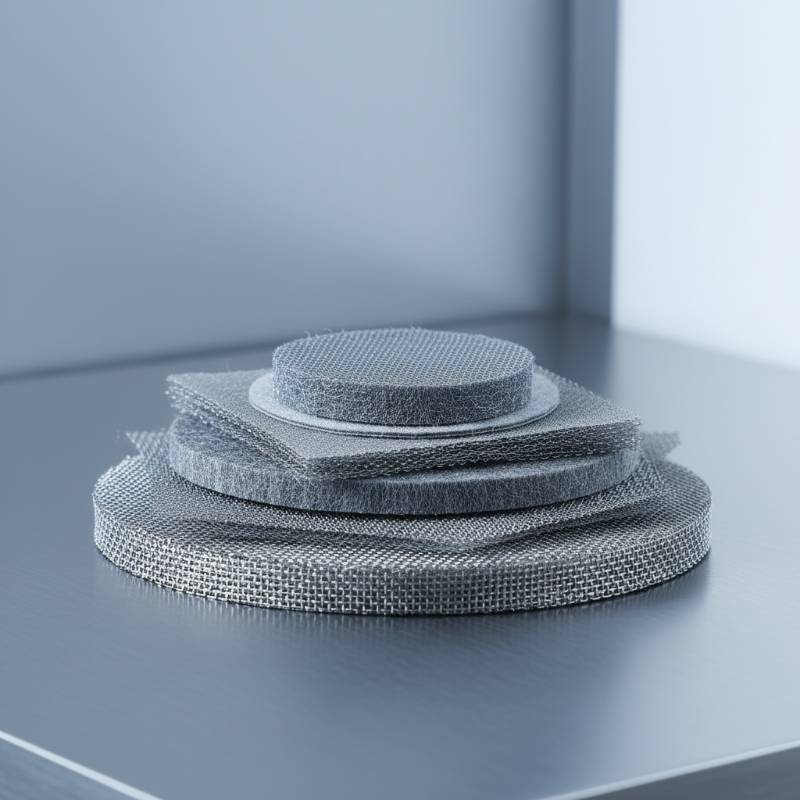
We provide bespoke platinized titanium mesh and porous titanium felt cut to precision shapes using CNC laser technology. For research centers, we offer a "PEM Sample Kit" which includes various thicknesses and platinum loading levels to help identify the optimal configuration for your specific catalyst chemistry.
Frequently Asked Questions
Why is platinum necessary on the titanium substrate?
Platinum provides high electrical conductivity and prevents the titanium substrate from oxidizing into a non-conductive TiO2 layer under high-voltage anode conditions. Without it, the electrolyzer efficiency would drop rapidly.
What is the difference between titanium mesh and sintered titanium felt?
Titanium mesh is a woven or expanded structure (2D), while sintered titanium felt is a non-woven 3D structure. Felt generally offers higher porosity and better gas-liquid transport, making it more efficient for high-current PEM applications.
What is the typical lifespan of a platinized titanium PTL?
In well-managed PEM stacks using deionized water, a high-quality platinized titanium PTL can last between 40,000 and 80,000 operating hours before significant performance decay is observed.