

















Defining the Standards: Functional vs. Color Anodizing
Type 2 titanium anodizing is a functional conversion coating designed to prevent galling and increase wear resistance, while Type 3 is a decorative process that creates a spectrum of colors through light interference. The primary difference lies in the application: Type 2 provides mechanical performance under stress, whereas Type 3 enables component identification and aesthetic appeal without significantly altering surface hardness.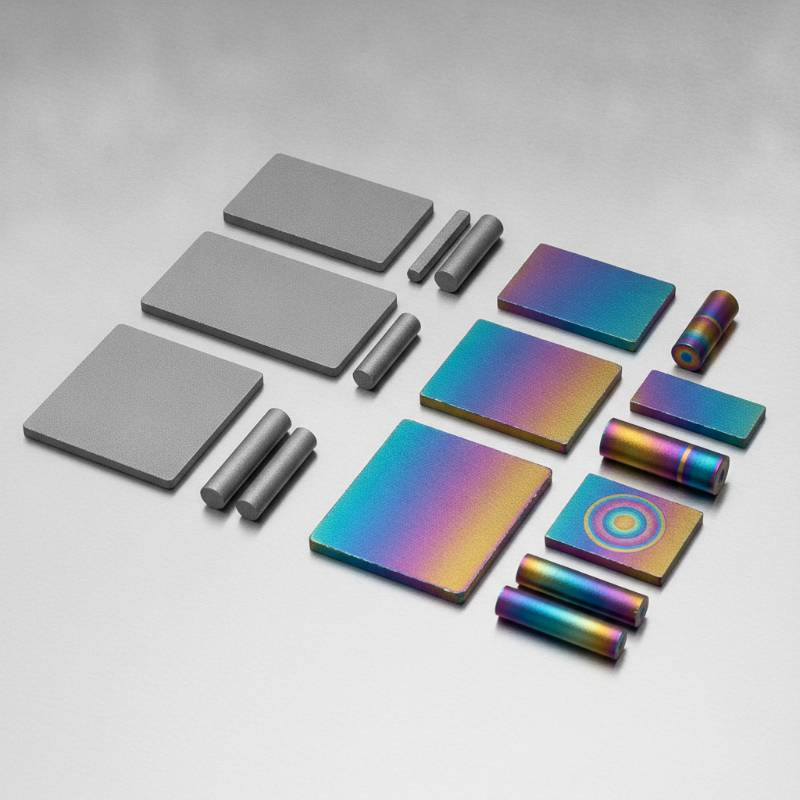
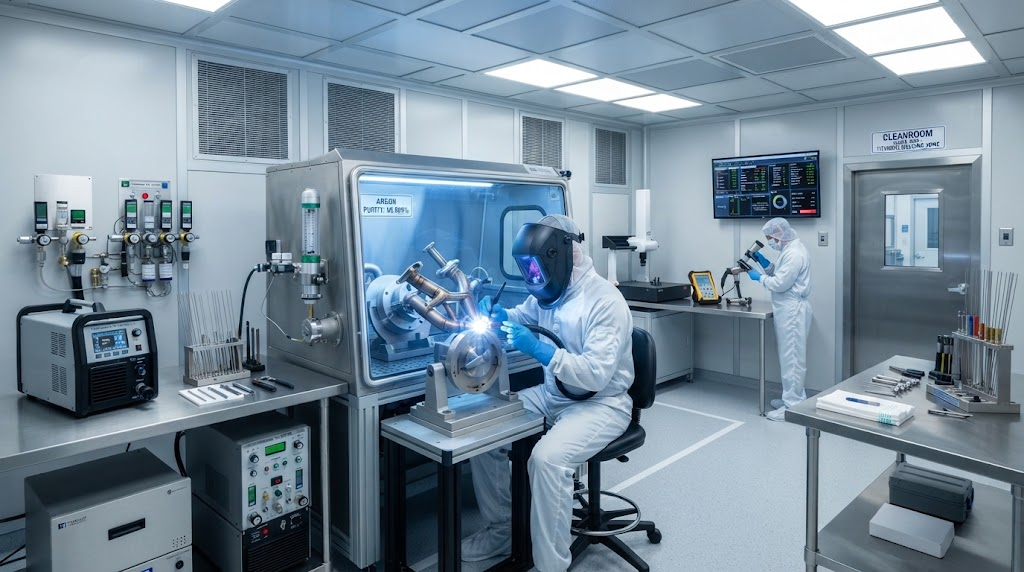
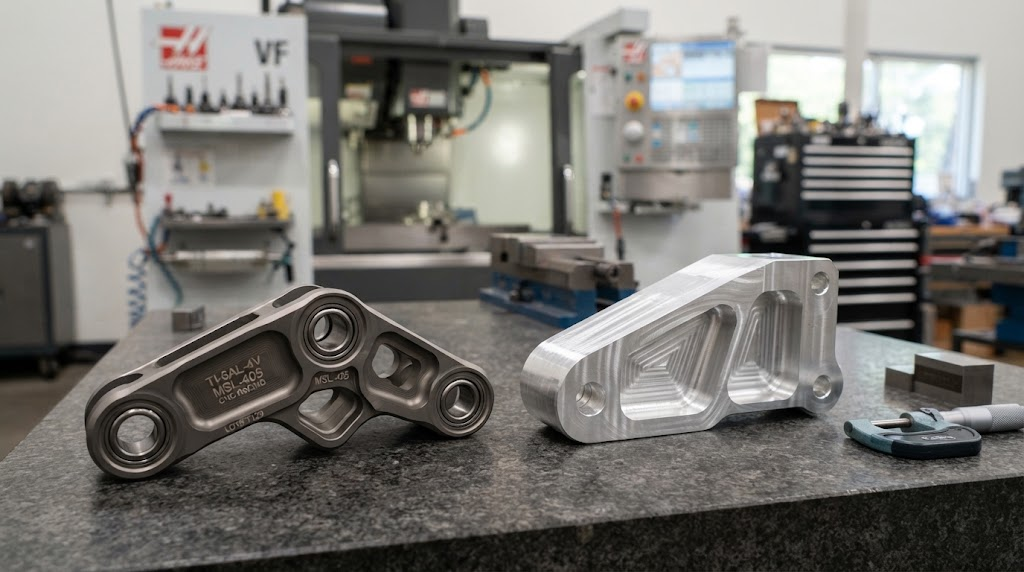
Type 2 Anodizing: An electrochemical process, often governed by AMS 2488, that produces a grey, lubricious oxide layer for anti-friction purposes.At China Titanium Factory, we utilize high-precision electrolytic baths to control the dielectric breakdown of the oxide layer. This ensures that even complex Titanium CNC Machining Services result in uniform surface finishes across every batch.
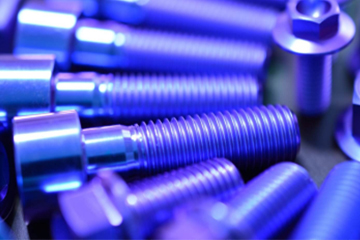
Type 3 Anodizing: An electrolytic process that creates a thin, transparent oxide film. The perceived color depends on the thickness of the film and how it reflects light.
Technical Comparison: Material Properties and Performance
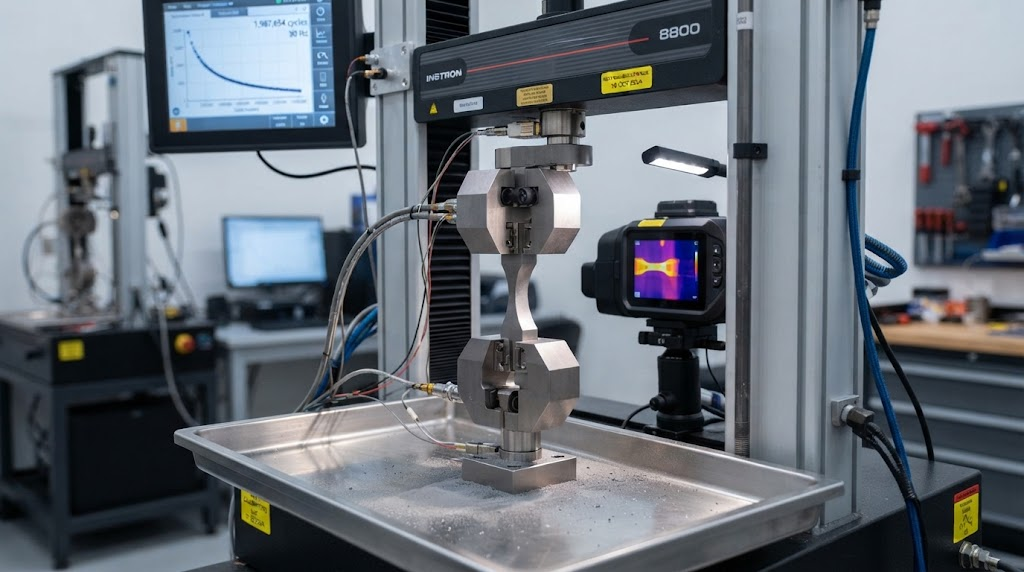
The choice between functional vs color anodizing depends on the coefficient of friction and the environment of the assembly. Type 2 anodizing uses lower voltages to create a thicker, more porous structure. This porosity is critical because it can hold dry-film lubricants, further enhancing its anti-galling properties.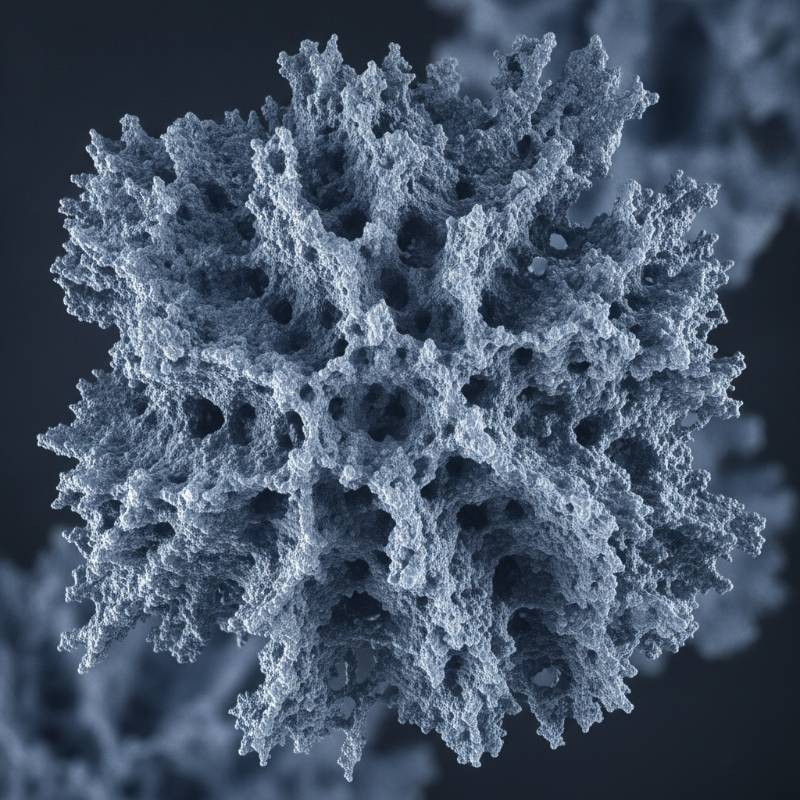
| Feature | Type 2 (Functional) | Type 3 (Color/Decorative) |
|---|---|---|
| Visual Finish | Matte Grey to Dark Grey | Full Spectrum (Blue, Gold, Purple, etc.) |
| Wear Resistance | High (Anti-galling) | Low |
| Voltage Level | Low to Moderate | High (up to 100V+) |
| Primary Purpose | Lubricity & Fatigue Strength | Identification & Aesthetics |
Data-Driven Metrics: Thickness, Hardness, and Tolerances
Precision in 2026 manufacturing requires granular data. For Type 2 anodizing, the oxide layer thickness typically reaches up to 200 nm. This thickness is sufficient to penetrate the substrate slightly, creating a conversion layer that does not significantly alter the external dimensional tolerance of the part. Type 3 anodizing is much thinner, generally staying within the 20-130 nm range. The color is determined by the specific nanometer thickness:Bronze: ~25 nm
Blue: ~60 nm
Gold: ~90 nm
Green: ~120 nm
The CTF-4 Precision Finishing Protocol
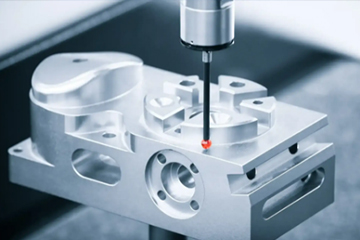
To maintain Swiss-grade precision, China Titanium Factory has pioneered the CTF-4 Precision Finishing Protocol. This four-stage methodology ensures that surface engineering meets the strictest OEM requirements: 1. Substrate Stabilization: Ultrasonic cleaning and chemical etching to remove the alpha-case layer. 2. Electrolytic Calibration: Real-time voltage monitoring to ensure oxide layer thickness remains within ±5 nm. 3. Dielectric Verification: Testing for dielectric breakdown to confirm the integrity of the insulation layer. 4. Tolerance Validation: Post-anodizing metrology using CMM to ensure final dimensions meet original blueprints. This proprietary framework is especially vital for Medical Grade Titanium Alloys where even a micron-level deviation can affect the fit of an implant or surgical tool.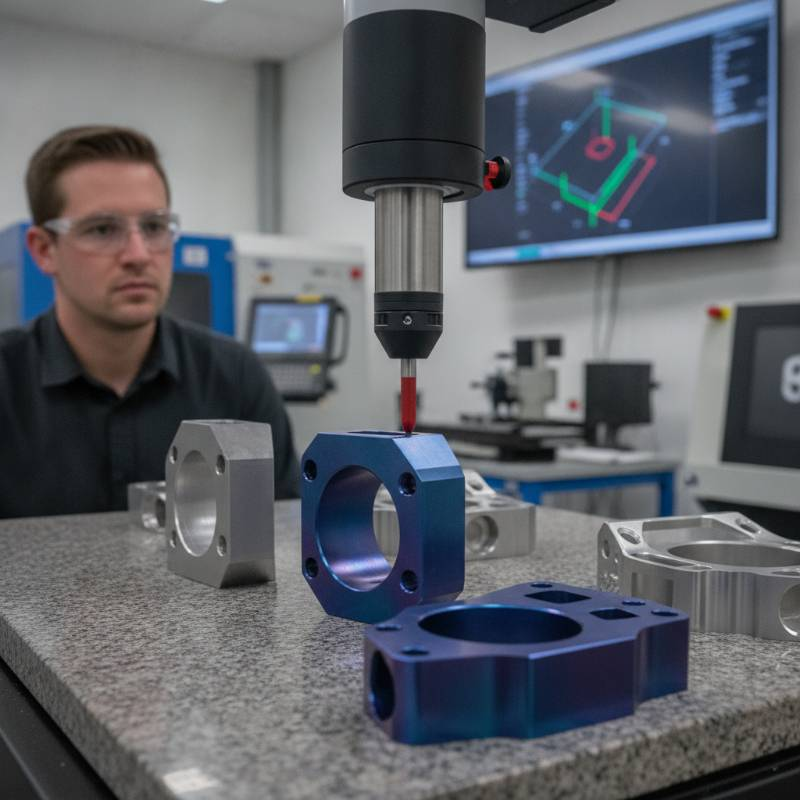
Industry Standards: Aerospace vs. Medical Titanium Coating
Compliance is non-negotiable. For aerospace projects, the AMS 2488 Specification is the gold standard for Type 2. It dictates the requirements for preventing titanium-on-titanium galling, which is a common failure mode in airframe assemblies. In the medical sector, ASTM F86 standards govern the surface preparation and marking of metallic surgical implants. While Type 3 is used for color-coding surgical kits (e.g., separating drill bits by size), the biocompatibility of the coating is paramount. Type 3 anodizing does not introduce dyes or pigments; the color is purely structural, ensuring it remains inert within the human body."Our recent data indicates that components treated with Type 2 anodizing exhibit a 30% reduction in the coefficient of friction compared to untreated Grade 5 titanium, significantly extending the service life of aerospace actuators."
— Senior Materials Engineer, China Titanium Factory
CTO’s Selection Advice: Choosing the Right Finish
Selecting between Type 2 vs Type 3 titanium anodizing requires evaluating the component's end-use environment. Based on our extensive manufacturing history, our CTO recommends the following:Choose Type 2 If:
Your part is a fastener, threaded component, or sliding assembly.
You need to prevent galling between titanium mating surfaces.
The component operates in high-vibration aerospace environments.
Choose Type 3 If:
You require color-coding for surgical instrument organization.
The part is a consumer product where aesthetics are a priority.
The application is static and does not involve high-friction contact.
Frequently Asked Questions about Titanium Anodizing
Is titanium anodizing REACH and RoHS compliant?
Yes. Unlike some aluminum anodizing processes that may use chromates, titanium anodizing is an electrolytic process that typically uses biocompatible electrolytes, making it fully compliant with REACH and RoHS regulations in 2026.Does Type 3 anodizing fade over time?
The color in Type 3 anodizing is structural (light interference), so it does not "fade" like a pigment. However, the layer is very thin (under 130 nm). If the surface is scratched or worn down, the color will disappear as the oxide layer is removed.What are the typical lead times for anodized titanium parts from China?
By integrating Titanium CNC Machining Services with in-house anodizing, China Titanium Factory reduces lead times to 2-3 weeks for most OEM projects, including shipping.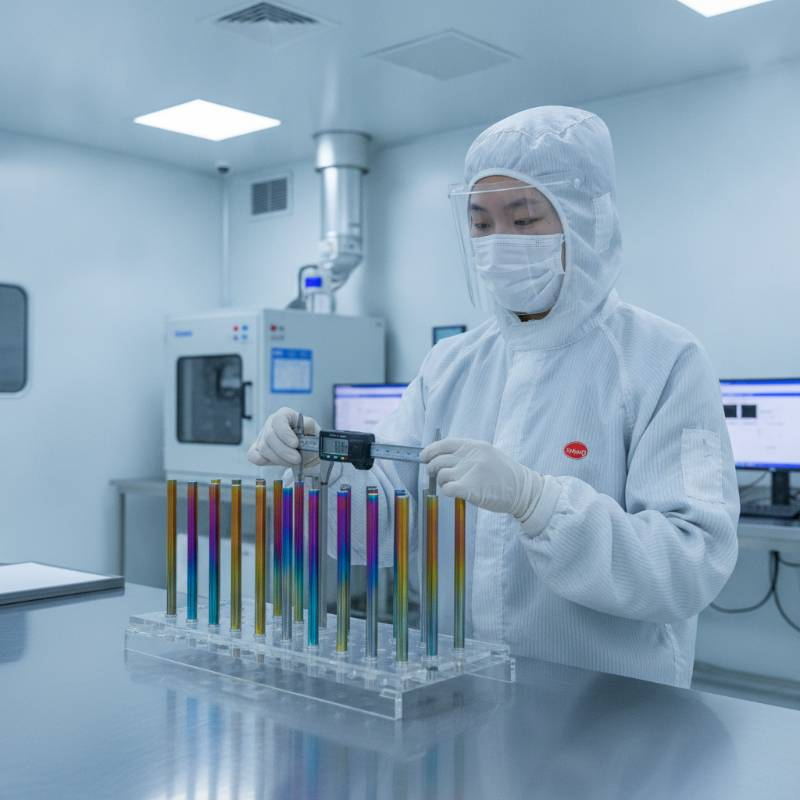
Ready to Optimize Your Titanium Components?
Whether you need AMS 2488 Type 2 wear resistance or vibrant Type 3 color-coding, China Titanium Factory delivers Swiss-grade precision with factory-direct efficiency.
Request a Technical Consultation Today