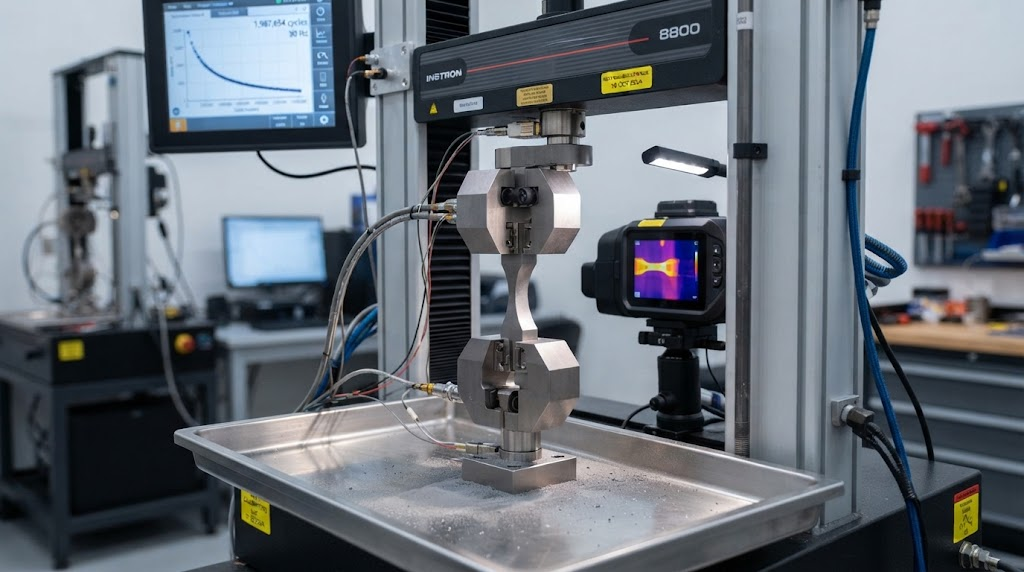
Titanium is a fascinating metal with unique properties. Known for its strength and light weight, it is widely used in various industries. But is titanium magnetic?
This question often arises among students, engineers, and material scientists. Understanding titanium's magnetic properties is crucial for its applications including many advanced fields.
Pure titanium is not magnetic. It is classified as a paramagnetic material. This means it is weakly attracted to magnetic fields.
However, pure titanium does not retain magnetic properties when the magnetic field is removed. This characteristic sets it apart from ferromagnetic materials.
Ferromagnetic materials can become permanently magnetized. Titanium does not exhibit this behavior. Its magnetic susceptibility is low, indicating a weak interaction with magnetic fields.
Titanium's non-magnetic nature is beneficial in many applications including medical devices and aerospace components where magnetic interference must be minimized.
The metal's corrosion resistance and non-magnetic properties make it ideal for sensitive equipment. For example, MRI machines benefit from titanium's unique characteristics.
Exploring titanium's magnetic properties provides insights into the behavior of other transition metals. This knowledge is vital for innovation and development in modern technology.
In this article, we will delve deeper into the magnetic properties of titanium. We will explore its applications including various industries and compare it with other metals.
Titanium is a transition metal with remarkable attributes. It is particularly known for its strength and low density. Its symbol is Ti, and it is the 22nd element on the periodic table.
This element exhibits a silvery-gray appearance. It was discovered in 1791 by William Gregor. Despite its abundance, it is complex to extract and refine, often requiring specialized chemical processing.
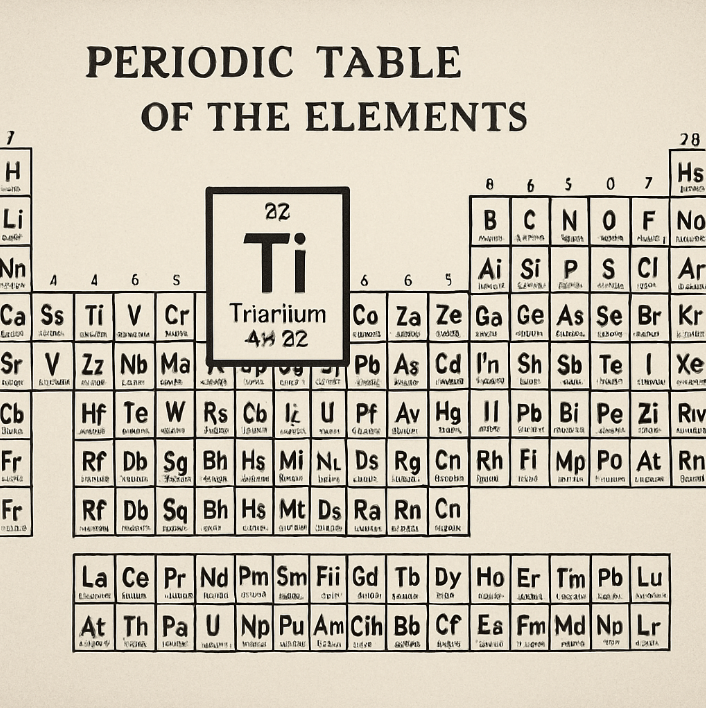
Titanium's properties make it highly valued across various fields. It is stronger than many materials, yet lighter than most metals. This balance makes it vital in modern engineering.
Here are some key traits of titanium:
Lightweight: Despite its strength, titanium is light.
Strong: It is as strong as many steels but much lighter.
Corrosion-resistant: Titanium resists corrosion from many agents, including seawater and chlorine.
Non-toxic: It is biocompatible and safe for medical use.
Additionally, its corrosion resistance enhances its usage in harsh environments. The aerospace, automotive, and medical industries frequently utilize titanium. Its non-magnetic nature adds to its versatility.
The crystalline structure of titanium plays a role in its behavior. It is hexagonal at room temperature, affecting its mechanical and thermal properties.
Understanding titanium's fundamentals can inspire innovation. The metal's diverse applications including many technological challenges show its potential as a solution.
As we explore deeper, we will uncover more about how titanium stands apart in terms of magnetism and materials science. With such unique features, titanium continues to shape modern technological advancements.
Magnetism is a physical phenomenon produced by the motion of electric charges. It results in attractive and repulsive forces between objects. Materials can have different types of magnetic interactions.

The concept of a magnetic field is central to understanding magnetism. It is an invisible force field around a magnet. The strength of this field dictates how materials react.
Various substances exhibit different magnetic properties. These are typically categorized into three primary types: ferromagnetic, paramagnetic, and diamagnetic.
Key Types of Magnetism:
Ferromagnetism: Materials like iron that can retain magnetization.
Paramagnetism: Materials slightly attracted by magnets, often requiring an external magnetic field.
Diamagnetism: Weak repulsion from magnetic fields, often in non-magnetic materials.
Ferromagnetic substances, such as iron, cobalt, and nickel, possess magnetic domains. These domains align in the presence of a magnetic field and retain their alignment.
Paramagnetic materials display a temporary attraction to magnetic fields. This attraction is weak and disappears once the magnetic field is removed.
Diamagnetic materials develop a magnetic moment opposite to an external magnetic field. However, their interaction with magnetic fields is generally very weak.
Each material's magnetic behavior is influenced by its atomic structure. Electron spin and orbital motion are critical to determining magnetic properties, especially the presence of unpaired electrons.
Understanding these fundamentals can clarify why certain materials, like titanium, behave the way they do when exposed to magnetic fields. These concepts are crucial in explaining technological applications including electronics to medical devices.
Grasping magnetism allows us to develop new materials and technologies. As we venture into further insights about titanium, these basic ideas will inform our exploration of this fascinating element's magnetic properties.
Titanium is widely recognized for its robust, lightweight properties, but is it magnetic? The quick response is no. Pure titanium is not magnetic.
Titanium is classified as a paramagnetic material. This means that it weakly interacts with magnetic fields. Unlike ferromagnetic materials, titanium does not retain magnetic properties once the magnetic field is removed.
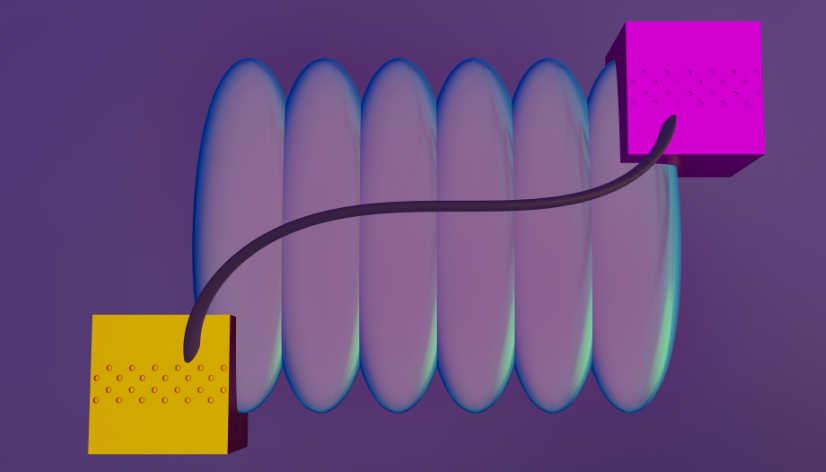
Key Characteristics of Pure Titanium:
Paramagnetic: Weak attraction to magnetic fields.
Non-Magnetic: Does not remain magnetized without an external field.
Low Magnetic Susceptibility: Little interaction with magnetic fields.
In comparison to metals like iron or nickel, titanium exhibits minimal magnetic behavior. Its atomic structure and electron configuration, particularly its unpaired electrons, result in weak magnetic interactions.
Paramagnetism indicates that although titanium responds to a magnetic field, it does not maintain that response. This trait makes titanium useful in specific applications including those requiring non-magnetic materials.
Importantly, titanium's magnetic properties can shift when alloyed with other elements. The introduction of additional metals might alter its magnetic nature, forming a titanium alloy.
Overall, while titanium may exhibit slight magnetic interactions, it is not a magnetic material in the same sense as ferromagnetic substances. This makes it valuable in environments where minimal magnetic disturbance is desired.
Titanium's magnetic properties are intriguing, particularly given its classification as a paramagnetic material. Paramagnetism is an important concept to grasp when exploring titanium’s behavior in magnetic fields. Unlike ferromagnetic materials that can be magnetized permanently, paramagnetic materials like titanium exhibit only temporary magnetization.
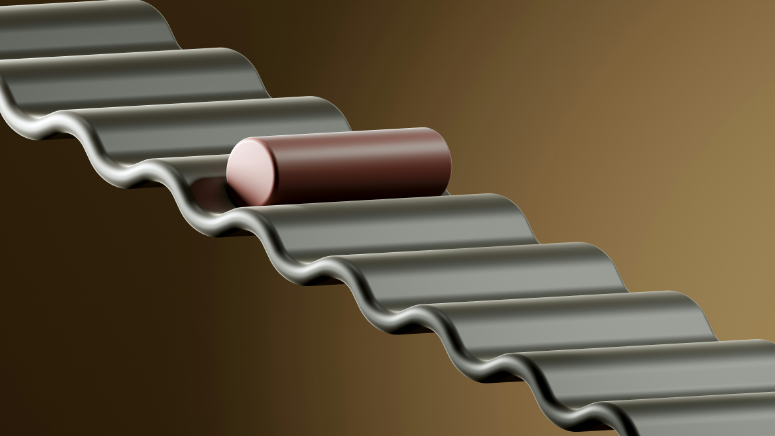
When a magnetic field is applied to titanium, its unpaired electrons align temporarily with the field. However, this alignment disappears once the field is removed. This fleeting response is what defines titanium’s paramagnetic nature.
Key Features of Paramagnetic Materials:
Weakly Attracted: Slight magnetic pull only when an external magnetic field is present.
Temporary Magnetization: Does not retain magnetism after the field is removed.
Low Magnetic Susceptibility: Limited interaction with magnetic fields.
Titanium's paramagnetic traits are largely due to its electronic structure. The unpaired electrons in titanium do not align robustly with a magnetic field, resulting in weak magnetic interactions.
The crystalline structure of titanium also plays a role. It contributes to how titanium reacts when exposed to external magnetic influences, highlighting the element's weak susceptibility.
Interestingly, variations in titanium’s composition can influence these magnetic properties. Alloying titanium with different metals can sometimes enhance or alter its magnetic behavior, creating a specific titanium alloy. This is crucial when engineering materials for specific applications including those where controlled magnetic properties are needed.
It’s also notable that titanium's paramagnetism is temperature-dependent. At higher temperatures, thermal agitation can overshadow any magnetic alignment, further reducing any magnetic response.
Overall, understanding titanium's paramagnetism provides insights into its potential uses. In industries where magnetic interference is a concern, titanium's weak interaction with magnetic fields is an asset. This makes it ideal for use in sensitive equipment, highlighting the practical implications of its magnetic properties.
Titanium alloy expands the range of titanium’s applications including by enhancing its properties, including its magnetic behavior. When titanium is combined with other elements, the resulting alloys can exhibit unique magnetic characteristics.
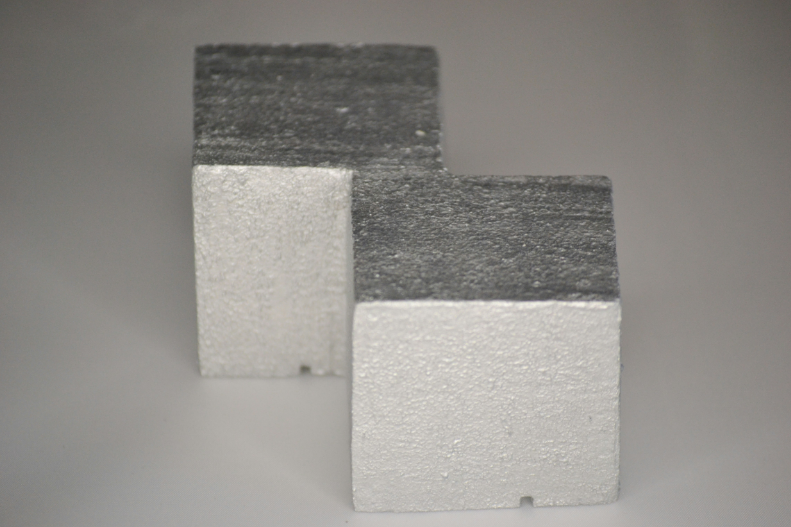
The choice of alloying element significantly influences the magnetic properties. For instance, titanium alloy mixed with ferromagnetic metals can display altered or enhanced magnetic responses.
Common Titanium Alloying Elements:
Aluminum: Often used for strength and weight reduction.
Vanadium: Improves flexibility and resistance to high temperatures.
Iron: Can impact magnetic properties, potentially enhancing magnetic attraction.
The composition and ratio of alloying elements determine the final properties of the titanium alloy. In some cases, adding certain metals can impart slight ferromagnetic characteristics, although pure titanium itself remains non-ferromagnetic.
Titanium alloy is known for its versatility in challenging environments. Their magnetic behavior is crucial for specific applications including aerospace and medical fields, where non-magnetic properties can be vital.
Some titanium alloy types are specifically engineered to be non-magnetic. These are used in medical devices that must avoid magnetic interference, such as in MRI machines. The ability to tailor magnetic properties ensures that titanium alloy meets exact industry requirements.
It is also important to consider how the structural arrangement in an alloy affects its magnetism. The way atoms are bonded and arranged, influencing the crystalline structure, can subtly impact how the alloy interacts with magnetic fields.
Ultimately, titanium's adaptability through alloying demonstrates its versatility and importance. Adjusting its magnetic response through careful selection of alloying elements underscores how titanium alloy can be tailored for various technological applications including where magnetic properties must be well-controlled.
Titanium's magnetic properties set it apart from many other metals. While it is paramagnetic, some metals are diamagnetic or ferromagnetic, each responding differently to magnetic fields.

Key Magnetic Categories:
Paramagnetic: Weakly attracted to magnetic fields; does not retain magnetism.
Diamagnetic: Weakly repelled by magnetic fields; no permanent magnetism.
Ferromagnetic: Strong attraction; can be permanently magnetized.
Pure titanium, a paramagnetic material, exhibits only a weak attraction to magnets. This contrasts with metals like iron, which are ferromagnetic and can become permanent magnets. In everyday terms, titanium won’t stick to magnets like iron will.
Copper, as an example of a diamagnetic material, is slightly repelled by a magnetic field. Unlike titanium, it neither attracts nor adheres to magnets. Such differences are essential when selecting materials for specific applications including electrical wiring.
Aluminum, much like titanium, is paramagnetic. However, it does conduct electricity efficiently, unlike titanium. Aluminum’s different electrical properties, combined with its magnetism, make it suitable for varied uses, distinct from titanium’s niche applications including.
In medical and aerospace fields, titanium’s non-magnetic and corrosion-resistant properties are highly valued. These applications including benefit from titanium's minimal interaction with magnetic fields, crucial in sensitive equipment and environments.
On the other hand, nickel and cobalt, being ferromagnetic, are used where strong magnetic retention is vital, such as in making permanent magnets. These metals exhibit a marked contrast with titanium's weak magnetic behavior.
Understanding these differences helps in material selection for industrial and technological purposes. The choice between titanium, iron, copper, and others hinges on their distinct magnetic and physical properties, playing a significant role in their diverse applications including various industries.
Titanium's non-magnetic properties make it invaluable in many industries. Its resistance to magnetic interference is a key benefit.
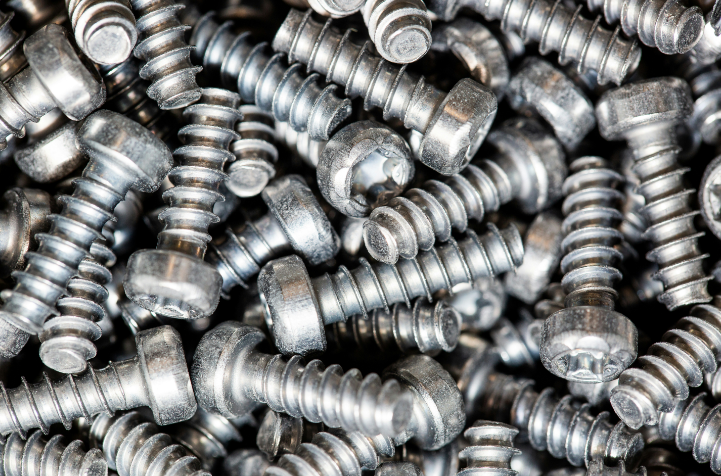
Critical in High-tech Applications Including:
In medical technology, titanium's non-magnetism ensures safety in MRI machines. Patients with titanium implants don't face dangerous interaction with magnetic fields during scans. This quality greatly enhances patient safety and comfort.
Aerospace also benefits from titanium's magnetism. Sensitive navigational instruments require materials that minimize magnetic interference, ensuring precision and safety during flight.
Benefits in Other Sectors
In electronics, using titanium helps reduce unwanted electromagnetic interference, which can affect device performance. Titanium components in devices ensure reliability in various conditions.
Comparing with Other Materials
Other metals might interfere with sensitive equipment due to their magnetic properties. Iron, for instance, is ferromagnetic and could disrupt magnetic fields around delicate instruments.
Medical: MRI safety for implants in medical devices
Aerospace: Minimal interference with instruments
Electronics: Reduced electromagnetic interference
Non-Magnetism and Corrosion Resistance
Titanium is not just non-magnetic; it also resists corrosion. This combination is rare and valuable for underwater and marine applications including, preventing equipment degradation and failure.
Structural Integrity Under Stress
When used in construction, titanium's stability is advantageous. Non-magnetic beams and supports avoid complications in buildings with magnetic-sensitive technology.
Enhancing Material Choices
Designing lightweight yet strong structures becomes easier with titanium. Its unique properties open up new possibilities for architects and engineers.
Titanium's non-magnetic nature is crucial across numerous industries. From ensuring MRI safety to advancing aerospace technology, titanium's role is irreplaceable. This makes titanium an exceptional choice for applications including where avoiding magnetic interference is vital, demonstrating its importance in modern technology and design.
Titanium is a game-changer in medical technology. Its non-magnetic and corrosion-resistant nature makes it ideal for medical devices and implants. Patients with implants need assurance of safety during MRI procedures.
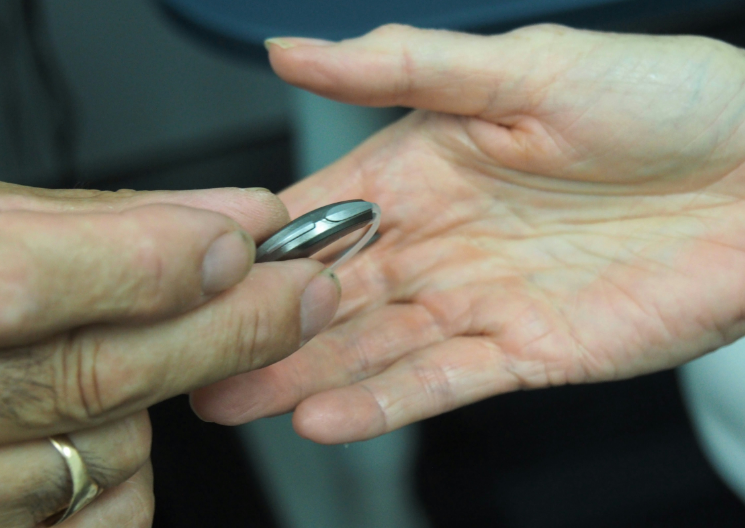
Key Advantages in MRI Procedures
MRIs use powerful magnets to create detailed body images. Metals that react with magnets can cause distortions, inaccuracies, or safety hazards. Titanium stands out, being non-reactive in strong magnetic fields. Hence, it doesn't interfere with imaging results, providing clear images for accurate diagnoses.
Enhanced Patient Comfort
Patients with titanium implants experience reduced risks during scans. The non-interaction with magnetic fields of titanium means no harmful movement or attraction. This ensures smoother procedures with fewer complications, significantly enhancing the patient experience.
Applications Including Implants
Titanium is preferred for surgical implants like joint replacements and dental implants. Its strength, combined with biocompatibility, ensures long-term success.
Joint Replacements: Long-lasting and durable
Dental Implants: Strong yet non-reactive
Spinal Fixations: Reliable support
Reasons for Popularity
Beyond MRI safety, titanium's biocompatibility reduces the likelihood of bodily rejection. It integrates well with human tissues, making it a prime material for medical devices.



Contact Us
Room 21003, 10th Floor, Unit 2, Building 1, Xianning International Plaza, No.29 Xianning West Road, Beilin District, Xi'an City
Copyright © Xi'an Shiguang Jingyan Technology Co., Ltd. All Rights Reserved.