



























Understanding the Science: What is a Marine Anode?
Saltwater is chemically aggressive. It acts as a highly conductive electrolyte that facilitates the flow of electrons between different metals on your boat. Without protection, your expensive propellers, shafts, and through-hull fittings will literally dissolve. This process is known as galvanic corrosion.
"A sacrificial anode is a highly active metal used to prevent a less active material surface from corroding. It is the 'sacrificial lamb' of your vessel, designed to be eaten away so your critical components stay intact."
At China Titanium Factory, we define the Golden Rule of Cathodic Protection: The anode must always have a more negative electrical potential than the metal it is protecting. In the Galvanic Series, metals like magnesium, aluminum, and zinc are at the "active" end, making them ideal candidates for this job.
Zinc vs. Aluminum: The Battle for Saltwater Supremacy
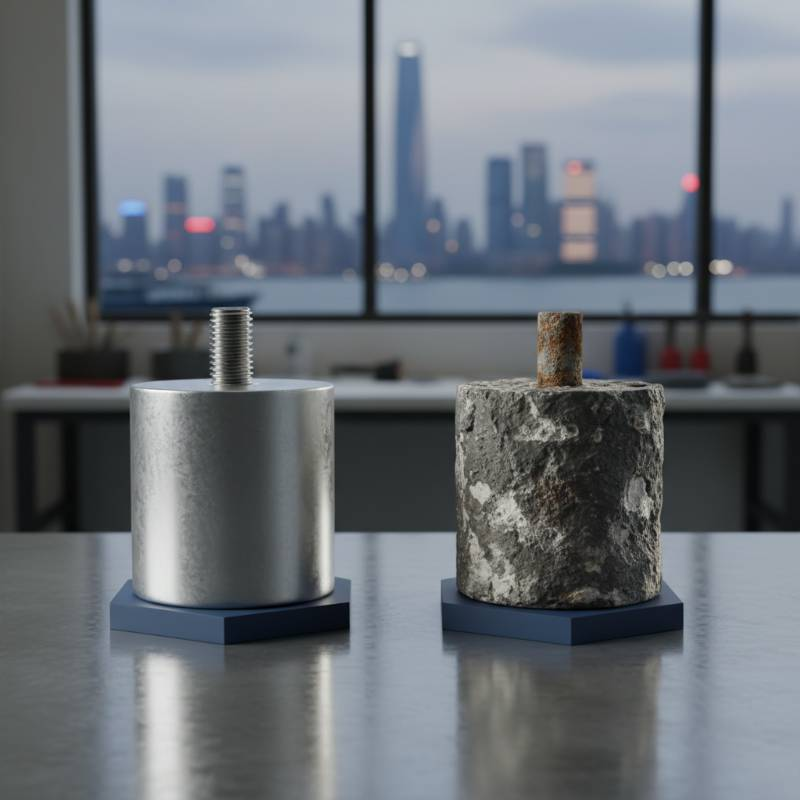
For decades, "zincs" was the catch-all term for anodes. Times have changed. While Zinc is effective, Aluminum alloys (specifically those containing Indium) have largely taken the crown as the best anode for saltwater. Aluminum provides a higher driving voltage, ensuring better protection in high-salinity environments.
| Feature | Zinc Anodes | Aluminum Anodes |
|---|---|---|
| Driving Voltage | Lower (-1.05V) | Higher (-1.10V) |
| Lifespan | Standard | Up to 50% longer |
| Weight | Heavy | Lightweight |
| Eco-Impact | Contains Cadmium | More Environmentally Friendly |
According to our analysis, Aluminum anodes are more versatile. If you move from saltwater to brackish water, Zinc can develop a "passivation" layer—a hard crust that stops it from working entirely. Aluminum does not suffer from this, making it the superior all-around choice. For industrial-scale protection, many engineers now specify MMO titanium anodes for impressed current systems, though sacrificial anodes remain the standard for recreational hulls.
The 'Vanguard 3-Stage Wear Protocol'
Don't guess when to change your protection. We utilize the Vanguard 3-Stage Wear Protocol to maximize safety and cost-efficiency. This framework helps boaters identify the exact moment of critical failure.
Stage 1: Nominal Wear (0-30%)
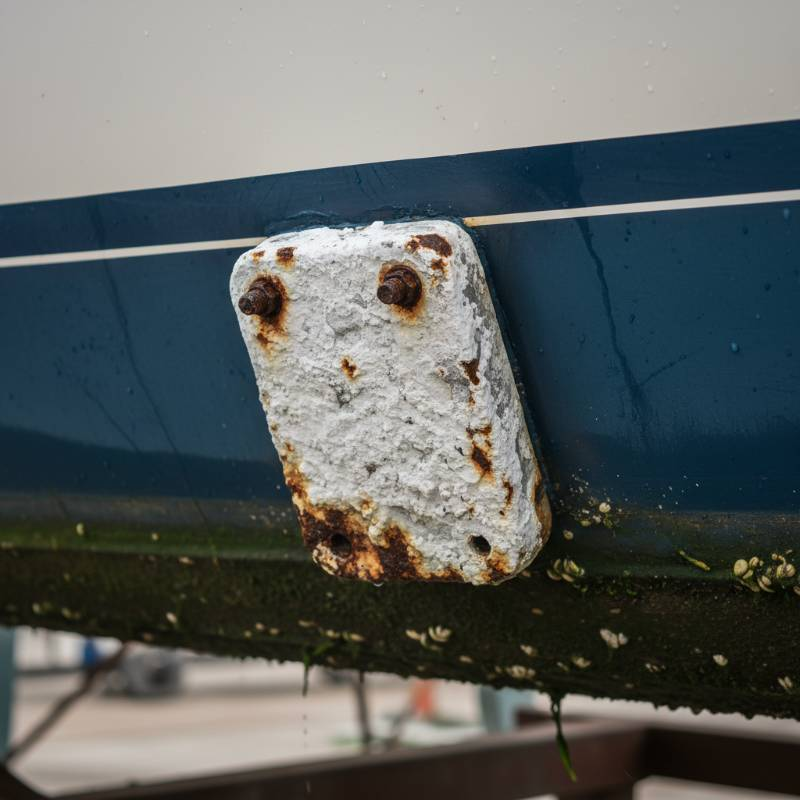
The surface appears pitted and "cauliflower-like." This is healthy. The anode is doing its job. No action is needed, but ensure the contact points remain tight.
Stage 2: Alert Status (30-50%)
The edges are rounded, and the overall mass is noticeably smaller. If you are starting a long-distance cruise or entering a high-stray-current marina, replace them now.
Stage 3: Critical Failure (50%+)
Once an anode loses half its mass, its ability to provide a consistent electrical path diminishes rapidly. The internal core may become exposed. Change immediately to avoid damage to your industrial titanium fittings or stainless steel shafts.
Global Salinity and Temperature: Tailoring Your Protection
The "best" anode depends on where you float. In the warm, high-salinity waters of the Caribbean, corrosion happens at a blistering pace. Conversely, in the colder waters of the Pacific Northwest, the process slows down.
High temperature increases the conductivity of the electrolyte. If you are moored in a tropical marina with many boats plugged into shore power, you are in a "hot" zone for electrolysis. In these conditions, ABYC standards suggest more frequent inspections. Saltwater density varies; the saltier the water, the more aggressive the "bite" on your metal components.
Installation Masterclass: Troubleshooting Common Mistakes
A $50 anode can't protect a $50,000 engine if it isn't installed correctly. The most common error? Painting over the anode. Anodes must have direct, uninhibited contact with the water to function.
Metal-to-Metal: Clean the mounting surface until it shines. Any paint, grease, or growth between the anode and the hull breaks the electrical circuit.
No Over-Tightening: While you want a firm connection, over-torquing can crack the brittle cast material of some zinc alloys.
Bonding Check: Use a multimeter to ensure there is continuity between the anode and the metal it's supposed to protect. A reading of less than 1 ohm is the goal.
Frequently Asked Questions about Saltwater Anodes
How often should I change my anodes in saltwater?
Standard practice is once per year or when they reach 50% wear. However, in "hot" marinas with electrical leakage, you might need to swap them every six months.
Can I use magnesium anodes in saltwater?
Absolutely not. Magnesium is too active for saltwater. It will disappear in days, often leaving your boat unprotected and potentially causing "over-protection" which can damage hull paint.
Is it okay to mix zinc and aluminum anodes?
No. If you mix them on the same bonding system, the aluminum will try to protect the zinc. This leads to uneven wear and compromised protection for your boat's actual hardware.
Ready to Armor Your Vessel?
Protect your investment with high-grade cathodic solutions. Whether you need standard sacrificial parts or custom industrial titanium components, our team is ready to assist.
Get a Custom Quote Today