





















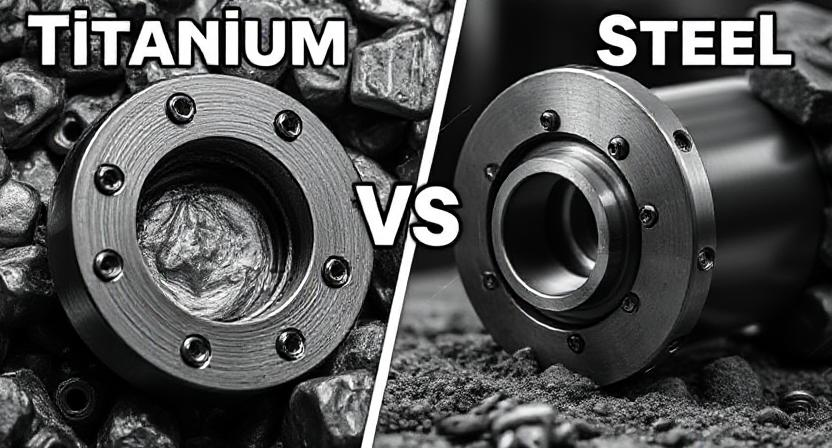
Titanium vs. Steel: Which One Wins in Strength?
Ever wondered if titanium is stronger than steel? It's a common question, and the answer isn't as simple as you might think! Both titanium and steel are super important metals used everywhere, from airplanes to everyday tools. Let's break down their differences in strength, durability, and other cool features to help you pick the right material for your needs.
Understanding Strength: More Than Just 'Strong'
When we talk about a metal's strength, we're looking at how much force it can handle before it bends or breaks. But there's more to it than just one number. Here are the main types of strength:
Tensile Strength: This is how much a material can resist being pulled apart. Think of a rope being stretched.
Compressive Strength: This measures how well a material can handle being squeezed or crushed.
Shear Strength: This is about how much force a material can resist when parts of it try to slide past each other.
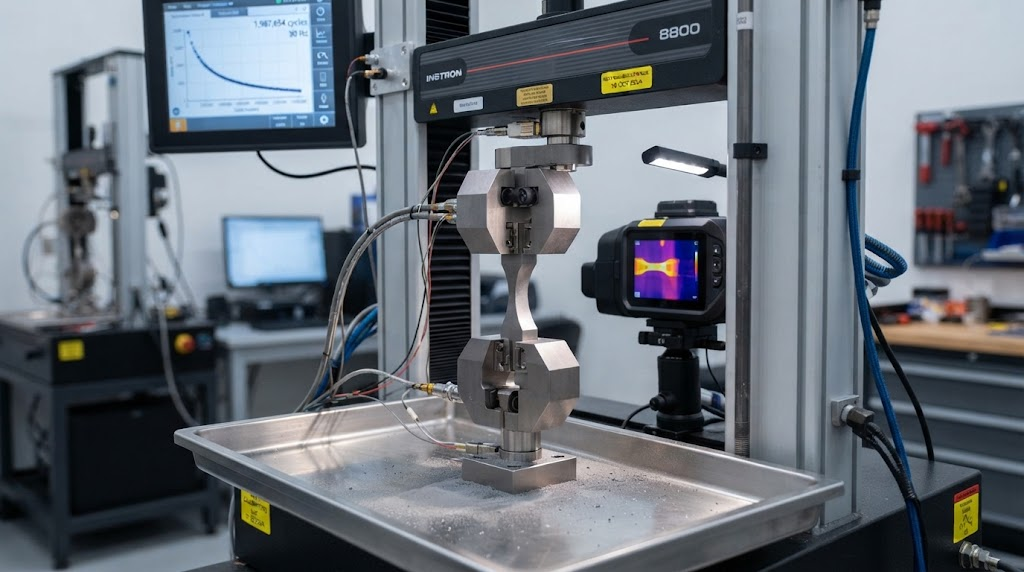
Tensile strength is often the most talked-about, and it's usually found by pulling a sample until it breaks. This helps engineers know if a material is good for things like cables or building beams.
Why Strength Matters in Design
Choosing the right material strength is crucial in engineering. Designers need to consider not just the maximum load a material can bear, but also how it reacts to different forces. This ensures that structures are safe, efficient, and last a long time, preventing costly and dangerous failures.
Toughness vs. Strength: Not the Same Thing!
It's easy to mix up toughness and strength, but they're different!
Strength is about resisting force.
Toughness is about absorbing energy and bending without breaking. A tough material can take a hit and deform instead of snapping.
Think of it this way: a super strong glass rod might break easily if you drop it (not tough), but a tough plastic bumper might dent but won't shatter. Many applications need a good balance of both. Engineers often use special alloys to get the best of both worlds. For example, in construction and aerospace, materials need to be both strong and tough to handle things like wind and vibrations.
Titanium: The Lightweight Champion
Titanium is a fantastic metal, famous for being light yet incredibly strong. It's often as strong as some steels but weighs much less. Plus, its natural ability to resist corrosion makes it super durable, especially in harsh environments.
Key Advantages of Titanium
Amazing Corrosion Resistance: Titanium naturally forms a protective layer when exposed to air. This layer is super thin but acts like a shield against rust and damage from things like seawater, chlorine, and chemicals. Even if it gets scratched, this layer can heal itself! This makes titanium perfect for marine uses or chemical industries where steel might struggle.
Biocompatibility: This is a fancy word meaning titanium is safe for living tissue. It's non-toxic and doesn't cause bad reactions, which is why it's the go-to material for medical implants like hip replacements, dental implants, and even pacemakers. Research is always ongoing to make it even better for integrating with the human body.
High Strength-to-Weight Ratio: This is where titanium really shines. It means you get a lot of strength without a lot of weight. This is a huge deal in industries like aerospace, where every gram counts for fuel efficiency and carrying capacity. It's also becoming more popular in automotive for lighter, more fuel-efficient cars, especially electric vehicles.
Steel: The Versatile Workhorse
Steel, an alloy of iron and carbon, is known for its high strength and toughness. There are many types of steel, and their properties can change a lot depending on what's mixed in and how it's made. Stainless steel, for example, has chromium added to fight off rust.
Key Advantages of Steel
Incredible Versatility: Steel is used in almost everything! From towering skyscrapers and bridges to tiny screws and massive industrial machines, its ability to be shaped and welded makes it a staple in construction and manufacturing. You can also customize steel by adding elements like nickel or chromium to get specific properties, like better corrosion resistance or heat tolerance.
High Tensile Strength: Steel can handle a lot of pulling force without deforming, making it perfect for supporting heavy loads in buildings, bridges, and other big projects. Its strength also helps it resist impacts from things like wind, earthquakes, or even blasts.
Cost-Effectiveness: Generally, steel is much cheaper than titanium. This makes it a popular choice for large projects where budget is a big concern. While titanium might be better in some high-performance situations, steel's affordability and wide range of uses make it a top choice for many industries.
Titanium vs. Steel: The Ultimate Showdown
So, is titanium stronger than steel? Let's get into the nitty-gritty.
Strength Comparison: It's Complicated!
When we compare titanium vs. steel strength, it's not a simple answer because there are so many types of steel. Some high-grade steels (like those used in aerospace) can actually be stronger than titanium in terms of pure tensile strength. However, when you look at strength-to-weight ratio, titanium often comes out on top. This means for the same weight, titanium gives you more strength.
| Feature | Titanium | Steel |
|---|---|---|
| Density | ~4.51 g/cm³ (lighter) | ~7.8–8 g/cm³ (heavier) |
| Tensile Strength | Good, but some high-grade steels are higher | Excellent, especially high-grade alloys |
| Strength-to-Weight Ratio | Excellent (often superior) | Good, but lower than titanium |
| Corrosion Resistance | Excellent (natural oxide layer) | Varies (stainless steel good, carbon steel susceptible to rust) |
| Biocompatibility | Excellent (non-toxic, used in medical implants) | Limited (less common for direct body contact) |
| Cost | High (20-40x more expensive than steel) | Low to moderate (cost-effective) |
| Hardness | Lower (around 70 Brinell) | Higher (around 121 Brinell, varies greatly by type) |
| Elasticity | Lower | Higher (easier to machine) |
| Applications | Aerospace, medical, marine, high-performance automotive | Construction, general manufacturing, tools, infrastructure, standard automotive |
Durability and Resistance
Titanium's corrosion resistance gives it a big advantage in places where steel would rust or degrade quickly. This makes it the better choice for things like marine equipment or medical devices that need to last a long time without much maintenance. Steel, especially carbon steel, needs protective coatings to prevent rust, which adds to its long-term cost and maintenance.
Weight Matters
For applications where weight is super important, like in aircraft or high-performance sports gear, titanium's lightweight nature makes it the clear winner. Reducing weight can lead to better fuel efficiency, faster speeds, and improved performance. While steel is strong, its weight can be a drawback in these dynamic situations.
How Many Times Stronger is Titanium Than Steel?
This question is tricky because, as we've seen, it depends on the specific type of steel. In terms of raw tensile strength, some specialized steels can indeed be stronger. However, if you're asking about strength per pound (or kilogram), titanium often has a much better strength-to-weight ratio than steel. This means you can achieve similar strength with less material weight when using titanium.
Engineers always consider the whole picture: how the material will be used, what environment it will be in, and the budget. Sometimes, steel is the perfect choice, and other times, titanium's unique properties make it indispensable.
Is Stainless Steel Stronger Than Titanium?
Stainless steel is generally stronger than commercially pure titanium in terms of tensile strength. However, titanium's superior corrosion resistance and lighter weight often make it more durable and suitable for specific harsh environments, even if its absolute strength is slightly lower than some stainless steels. For example, in saltwater or inside the human body, titanium's durability often outweighs stainless steel's raw strength advantage.
Making the Right Choice: Titanium or Steel?
Both titanium and steel are amazing materials, each with its own superpowers. When deciding which to use, think about these key factors:
Strength-to-Weight Ratio: If saving weight is critical (like in aerospace or racing cars), titanium is usually the better bet.
Corrosion Resistance: For harsh environments (saltwater, chemicals, medical implants), titanium's natural rust-proofing is hard to beat.
Cost: If budget is a major concern, steel is almost always the more economical choice.
Workability: Steel is generally easier to shape, cut, and weld, which can lower manufacturing costs.
Ultimately, the best material depends on your project's specific needs and what trade-offs you're willing to make. By understanding their unique properties, you can make an informed decision and pick the perfect metal for your application.