






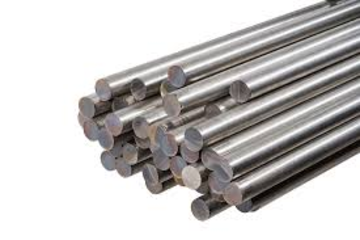

















Titanium is a metal renowned for its exceptional properties, often associated with high-performance applications like aerospace and medical implants. A common question that arises when discussing this remarkable material is: How heavy is titanium? While often perceived as a lightweight metal, understanding its exact density and how it compares to other common metals like steel and aluminum is crucial for appreciating its unique advantages and disadvantages.
Understanding Titanium's Density
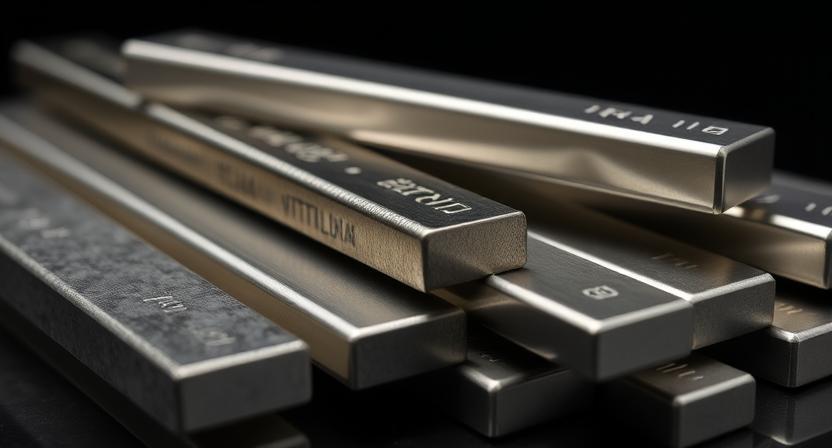
Titanium (Ti) is a chemical element with an atomic number of 22. Its relatively low density is one of its most defining characteristics. The density of pure titanium is approximately 4.5 grams per cubic centimeter (g/cm³) [1]. To put this into perspective, consider that water has a density of 1 g/cm³.
This inherent lightness, combined with its robust strength, is what gives titanium its celebrated high strength-to-weight ratio. This property makes it an ideal material for applications where minimizing weight without compromising structural integrity is paramount.
Titanium vs. Steel: A Weight Comparison
When comparing titanium to steel, the difference in weight becomes quite evident. Steel, which is an iron-carbon alloy, typically has a density ranging from 7.8 to 8 g/cm³ [2]. This means that titanium is roughly half as dense as steel. For the same volume, a piece of steel would weigh almost twice as much as a piece of titanium.
Despite steel generally having higher tensile yield strength in absolute terms, titanium's superior strength-to-weight ratio often makes it the preferred choice for specific applications. For instance, in aerospace engineering, where every gram counts, titanium's ability to provide significant strength at a much lower weight than steel is invaluable [3].
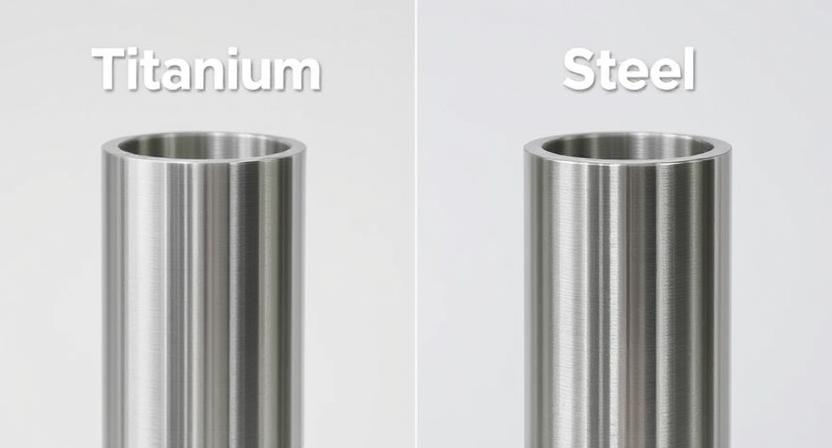
Key Differences in Weight and Properties: Titanium vs. Steel
| Property | Titanium | Steel (Typical) |
|---|---|---|
| Density | ~4.5 g/cm³ | ~7.8-8 g/cm³ |
| Strength-to-Weight Ratio | Very High | Moderate |
| Corrosion Resistance | Excellent | Varies (some prone to corrosion) |
| Cost | High (20-40x more than steel per unit weight) | Lower |
Titanium vs. Aluminum: A Closer Look at Lightness
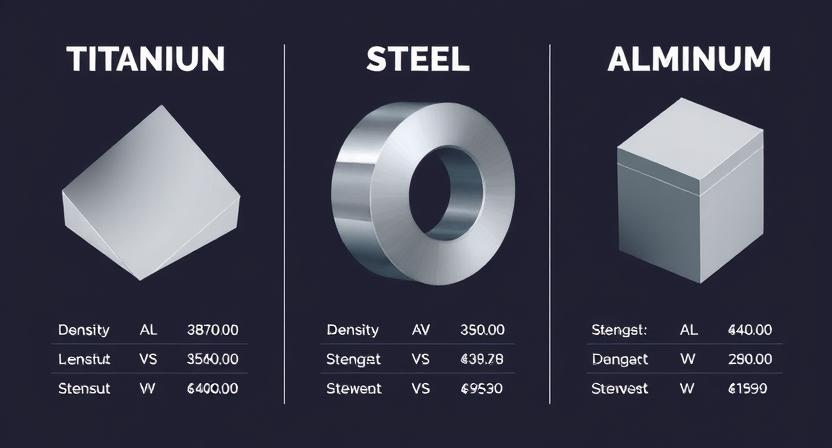
Aluminum is another widely used lightweight metal, with a density of approximately 2.7 g/cm³ [1]. This makes aluminum even lighter than titanium. Specifically, for the same volume, titanium is about 66% denser than aluminum. Conversely, an object made of aluminum would weigh approximately 30% less than an identical object made of titanium [1].
While aluminum offers greater lightness, titanium often surpasses it in terms of strength and high-temperature performance. The choice between titanium and aluminum depends heavily on the specific requirements of an application, balancing factors like ultimate strength, temperature resistance, and cost against weight savings.
Why Titanium's Weight Matters: Applications and Advantages
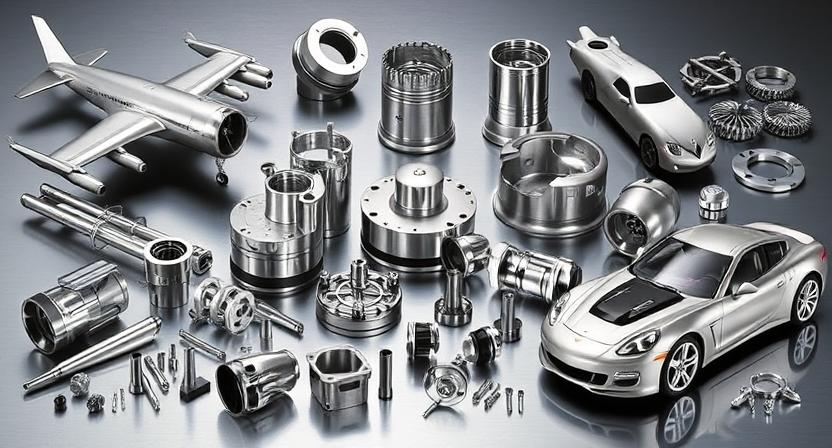
The unique weight and strength characteristics of titanium make it indispensable in various high-demand industries:
Aerospace: Its high strength-to-weight ratio is critical for aircraft components, reducing fuel consumption and increasing payload capacity [3].
Medical Implants: Titanium's biocompatibility, combined with its strength and relatively low density, makes it ideal for surgical tools, prosthetics, and dental implants [2].
Sports Equipment: From golf clubs to bicycle frames, titanium allows for the creation of lighter yet durable equipment, enhancing performance [2].
Automotive: Used in high-performance vehicles for components where weight reduction contributes to improved efficiency and speed [2].
Marine: Excellent corrosion resistance in saltwater environments makes it suitable for marine applications [2].
Conclusion: So, How Heavy Is Titanium?
In conclusion, while titanium is not the lightest metal available—aluminum holds that distinction—it is significantly lighter than steel. Its true value lies in its exceptional strength-to-weight ratio, which is among the highest of all metallic elements. This unique combination of properties makes it a premium material for applications where performance and durability are critical, and where weight savings can justify its higher cost.
So, the next time you wonder, "How heavy is titanium?" remember that its weight is best understood in the context of its incredible strength and versatility. It is a material that offers a remarkable balance of lightness and power, making it a cornerstone of modern engineering and innovation.