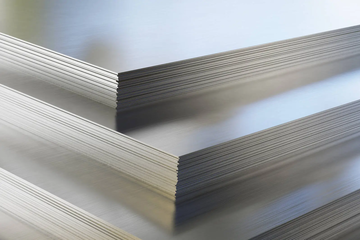
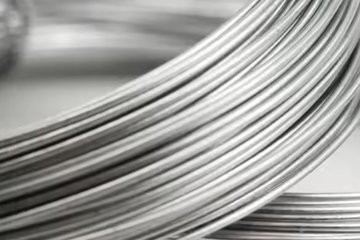
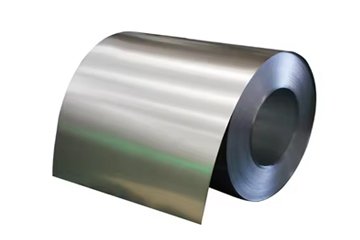
Grade 1 Titanium offers superior ductility and formability, making it ideal for applications requiring extensive cold forming and intricate designs.
Grade 2 Titanium is the most common CP grade, providing a robust balance of strength, moderate ductility, and excellent weldability for a wide range of industrial uses.
The primary distinction lies in their mechanical properties, with Grade 2 exhibiting higher tensile and yield strength than Grade 1.
Both grades share excellent corrosion resistance and biocompatibility, inherent to commercially pure titanium.
Material selection hinges on balancing application-specific demands, manufacturing processes, and cost considerations.
The selection of an appropriate material is a critical decision in engineering and product design, significantly impacting performance, durability, and cost-effectiveness. For applications demanding exceptional corrosion resistance, high strength-to-weight ratio, and biocompatibility, titanium substrates are frequently the material of choice.
Within the spectrum of commercially pure (CP) titanium, Grade 1 and Grade 2 stand out as foundational options. Distinguishing between these two grades is essential for engineers, material scientists, and product designers aiming to optimize their material selection.
This comprehensive guide provides a detailed comparison, properties, and application insights to assist in making the most informed decision for specific project requirements. Understanding the nuances between Grade 1 and Grade 2 titanium ensures optimal material choice.
Commercially pure (CP) titanium refers to unalloyed titanium, primarily distinguished by its oxygen and iron content. These interstitial elements significantly influence the material's mechanical properties.
CP titanium is classified into four grades: Grade 1, Grade 2, Grade 3, and Grade 4. Each grade possesses a unique balance of strength and ductility, making them suitable for diverse high-performance applications. This guide focuses on the two most commonly utilized grades for substrate applications.
The inherent advantages of CP titanium, such as its exceptional corrosion resistance, superior strength-to-weight ratio, and excellent biocompatibility, render it indispensable across various demanding industries. These properties contribute to its widespread adoption as a preferred substrate material.
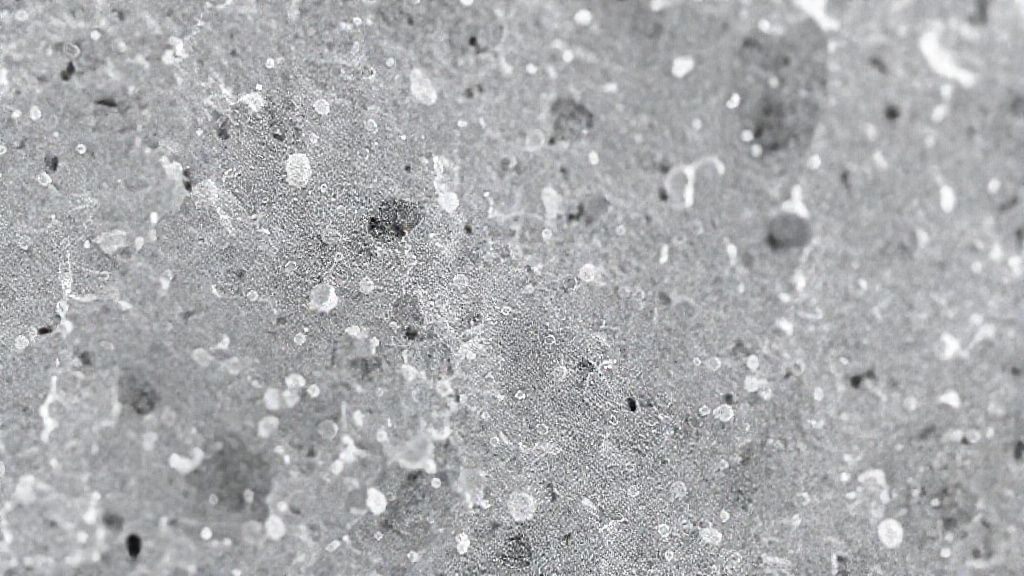
Titanium Grade 1 represents the softest and most ductile of the four commercially pure titanium grades. Its low oxygen and iron content contribute to its exceptional formability and malleability.
This grade is renowned for its superior resistance to corrosion in various environments, including oxidizing, neutral, and mildly reducing media. Its unique combination of properties makes it a preferred choice for specific, intricate applications.
Understanding the specific characteristics of Grade 1 is crucial for maximizing its potential in high-demand scenarios. Chinatitaniumfactory.com provides specialized services for processing this highly formable material.
Grade 1 titanium is characterized by its excellent cold formability, making it suitable for complex shapes and deep drawing operations. Its mechanical properties are the lowest among the CP grades but offer significant advantages in certain applications.
Tensile Strength: Typically ranges from 240-340 MPa (35-50 ksi).
Yield Strength: Approximately 170-240 MPa (25-35 ksi).
Elongation: High, often exceeding 30%, indicating its excellent ductility.
Density: Around 4.51 g/cm³, maintaining titanium's lightweight advantage.
Corrosion Resistance: Exceptional, particularly in highly aggressive media, and highly resistant to stress corrosion cracking.
"For applications where components must undergo extensive cold forming or require a high degree of flexibility without fracturing, Grade 1 titanium is unparalleled. Its superior ductility allows for the creation of intricate designs that would be challenging or impossible with higher-strength grades, proving critical in fields like medical device manufacturing."
The unique properties of Grade 1 titanium make it indispensable in sectors demanding extreme formability and excellent corrosion resistance. Its biocompatibility further expands its utility.
Medical Implants: Due to its high biocompatibility and ductility, it is used for surgical mesh, orthopedic implants, and dental instruments that require shaping.
Chemical Processing: Liners for chemical equipment, anodes, and cathodic protection systems benefit from its outstanding corrosion resistance.
Aerospace Components: Non-structural parts, such as ducting and thin-walled heat exchangers, where formability is paramount.
Marine Applications: Components exposed to saltwater, like flexible piping and specialized fittings, leverage its corrosion resistance.
Titanium Grade 2 is the most widely used commercially pure titanium grade, often referred to as the "workhorse" of CP titanium. It offers an excellent balance of strength, moderate ductility, and superior weldability.
Its slightly higher oxygen and iron content compared to Grade 1 contribute to its increased strength while retaining much of titanium's inherent corrosion resistance. This balance makes it highly versatile across numerous industrial applications.
For many engineers, Grade 2 represents a default choice when general-purpose titanium is required. Explore the Chinatitaniumfactory.com blog for more insights into titanium's industrial applications.
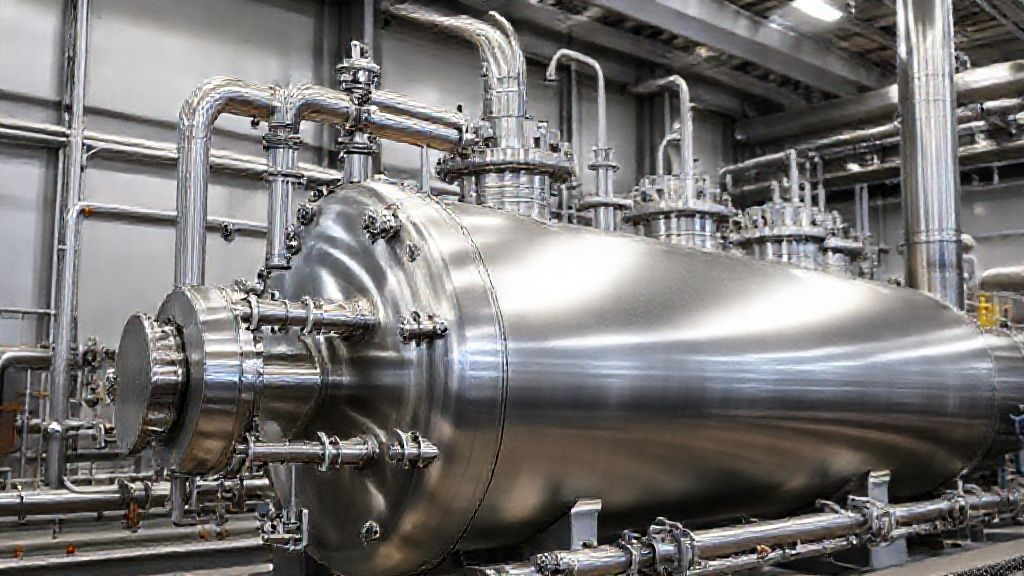
Grade 2 titanium exhibits mechanical properties that are a step above Grade 1, making it more robust for structural components while still being highly workable. It maintains excellent corrosion resistance across a broad range of media.
Tensile Strength: Ranges from 340-480 MPa (50-70 ksi), offering a good balance of strength.
Yield Strength: Approximately 275-380 MPa (40-55 ksi).
Elongation: Good, typically 20-25%, allowing for moderate forming operations.
Density: Also around 4.51 g/cm³, consistent with other CP grades.
Weldability: Considered excellent, allowing for reliable fabrication using standard welding techniques.
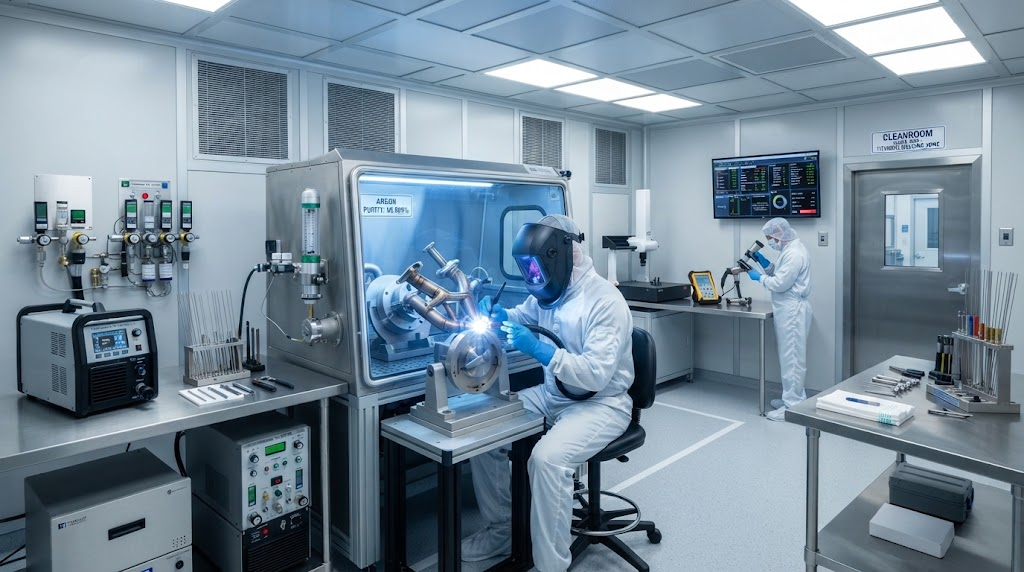
"When selecting titanium for welded structures, Grade 2 is often the preferred choice due to its excellent weldability. It generally produces strong, ductile welds without significant loss of mechanical properties. Proper shielding is always critical to prevent atmospheric contamination during welding."
Grade 2 titanium's versatility and balanced properties make it suitable for a broad array of demanding environments and structural components. Its reliability is valued across industries.
Chemical Processing: Heat exchangers, process vessels, piping, and anodes due to its robust corrosion resistance.
Power Generation: Condenser tubing, steam turbine blades, and heat exchanger components in power plants.
Marine Industry: Subsea equipment, exhaust systems, and general marine hardware requiring strength and corrosion resistance.
Aerospace: Airframe components, aircraft skin, and various non-engine parts where a good strength-to-weight ratio is crucial.
Medical Devices: Surgical instruments and components not requiring the extreme ductility of Grade 1.
A direct comparison highlights the subtle yet significant differences between Titanium Grade 1 and Grade 2. While both are commercially pure and share many advantages, their distinct mechanical properties guide their optimal application.
The choice between these two grades ultimately depends on the specific performance requirements of the end product. Engineers must weigh ductility against strength, considering the manufacturing processes involved.
The following sections provide a side-by-side analysis, including a detailed comparison table, to facilitate informed decision-making. Contact Chinatitaniumfactory.com for expert consultation on material selection.
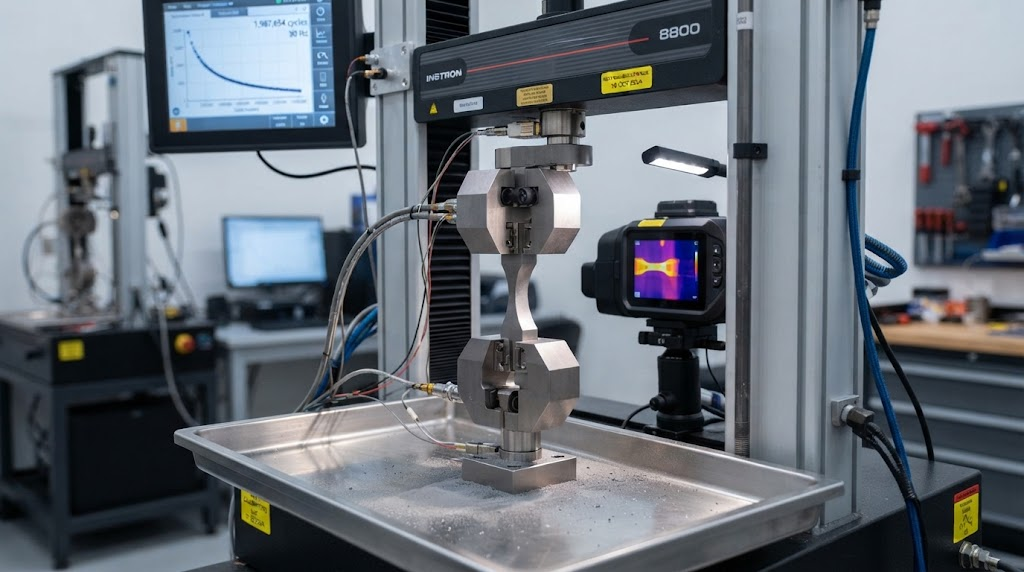
The primary differentiator between Grade 1 and Grade 2 titanium lies in their mechanical attributes. These properties are critical for predicting how a material will behave under stress and during fabrication.
Grade 2 offers higher tensile and yield strength, providing greater resistance to deformation. Conversely, Grade 1 boasts superior ductility, allowing for more extensive plastic deformation before fracture.
Hardness also varies, with Grade 2 being marginally harder due to its higher interstitial content. These differences directly impact the suitability of each grade for various applications.
| Property | Titanium Grade 1 | Titanium Grade 2 |
|---|---|---|
| Tensile Strength (min.) | 240 MPa (35 ksi) | 340 MPa (50 ksi) |
| Yield Strength (min.) | 170 MPa (25 ksi) | 275 MPa (40 ksi) |
| Elongation (min. in 50mm) | 30% | 20% |
| Hardness (Brinell) | ~120 HB | ~160 HB |
| Oxygen Content (max.) | 0.18% | 0.25% |
Both Grade 1 and Grade 2 titanium exhibit exceptional corrosion resistance, a defining characteristic of commercially pure titanium. This property is attributed to the spontaneous formation of a stable, passive oxide layer on the surface.
This oxide layer provides protection against a wide range of corrosive media, including chlorides, acids, and alkalis. While both grades are highly resistant, slight variations may occur depending on the specific environment and stress levels.
Furthermore, both grades are renowned for their excellent biocompatibility, making them safe for direct contact with human tissue. This is a crucial factor for medical and dental applications.
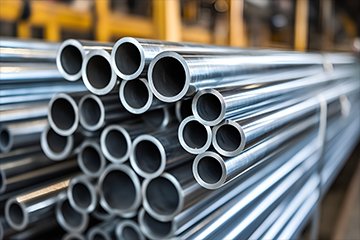
Processing characteristics are vital considerations for manufacturing. Grade 1 titanium's superior ductility makes it the easiest to form, ideal for deep drawing, bending, and other cold-forming operations.
Grade 2 offers good formability, though slightly less than Grade 1, and is generally considered to have excellent weldability. It can be readily welded using common techniques without significant issues.
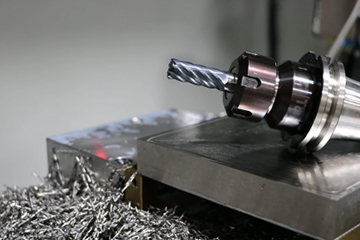
In terms of machinability, both grades are challenging but manageable. Grade 2, being slightly harder, may require more robust tooling and slower speeds compared to Grade 1, but both benefit from sharp tools and ample coolant.
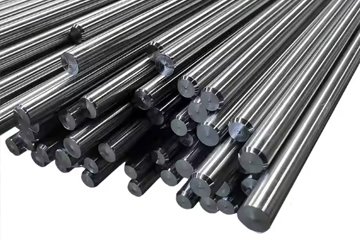
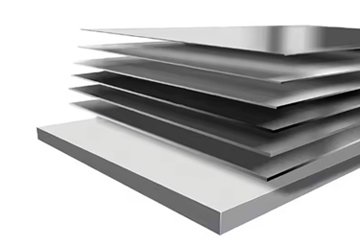
Generally, the cost difference between Grade 1 and Grade 2 titanium is not substantial, as both are commercially pure grades. Pricing is more often influenced by form (sheet, plate, bar, tube) and specific market demand.
Grade 2 titanium is more widely produced and readily available globally due to its broad industrial applicability. This can sometimes translate to slightly better pricing or lead times for standard forms.
Procurement specialists should consider the overall project cost, including fabrication and processing, rather than just raw material cost. The ease of forming Grade 1 or welding Grade 2 can lead to significant savings.
Selecting the optimal titanium grade requires a holistic assessment of various project parameters. A meticulous evaluation ensures that the chosen material aligns perfectly with performance expectations and manufacturing capabilities.
Engineers must consider not only the inherent material properties but also the operational environment, fabrication methods, and regulatory landscape. This multi-faceted approach prevents costly material mismatches.
The following factors provide a practical framework for making an informed decision between Grade 1 and Grade 2 titanium.
The intended application's demands are paramount. If the component requires extreme flexibility, deep drawing, or must conform to complex contours, Grade 1's ductility is a clear advantage.
For applications where moderate strength and robust structural integrity are more critical, Grade 2 is generally preferred. Both grades offer excellent corrosion resistance, but specific chemical exposures or high-temperature conditions might subtly favor one over the other.
Consideration of stress levels, potential for fatigue, and long-term durability in the operational environment is crucial. Marine, aerospace, and biomedical sectors often have highly specific environmental factors.
The manufacturing techniques planned for the component significantly influence material choice. If extensive cold working, intricate bending, or severe drawing operations are required, Grade 1 is typically easier to process.
For welded assemblies, Grade 2's superior weldability often makes it a more straightforward choice, reducing potential fabrication complexities and costs. Machinability is similar for both, but Grade 2's slightly higher hardness might necessitate adjustments in tooling and parameters.
Evaluating the capabilities of the fabrication facility and the complexity of the desired form will guide the selection. The ease of processing impacts both time and cost.
Many industries, particularly medical and aerospace, operate under stringent regulatory requirements and material specifications. Both Grade 1 and Grade 2 titanium conform to various international standards, such as ASTM B265, B338, B348, and ISO 5832-2.
Verification that the chosen grade meets all necessary certifications for the specific application is essential. For instance, medical implants often require materials to meet specific biocompatibility and mechanical property standards.
Always consult the relevant industry standards (e.g., ASTM F67 for unalloyed titanium for surgical implant applications) to ensure full compliance. This step is non-negotiable for critical applications.
The desired surface finish and any planned post-processing treatments can also influence material selection. Both Grade 1 and Grade 2 titanium can undergo various surface treatments, including anodizing, polishing, and coating.
These treatments can enhance properties such as wear resistance, aesthetics, or further improve biocompatibility. The inherent ductility of Grade 1 might allow for smoother finishes in some forming operations.
However, the stability and integrity of the passive oxide layer are robust for both, making them highly receptive to a range of surface modifications. Consider how these treatments interact with the base material's properties.
Examining practical applications provides invaluable insight into the distinct advantages of each titanium grade. These case studies illustrate how their unique properties translate into real-world performance.
Understanding where each grade excels helps solidify the decision-making process for future projects. The examples highlight the critical role of material science in engineering success.
From intricate medical devices to robust industrial infrastructure, titanium Grades 1 and 2 consistently demonstrate their value. Chinatitaniumfactory.com supplies various forms of titanium for these diverse applications.
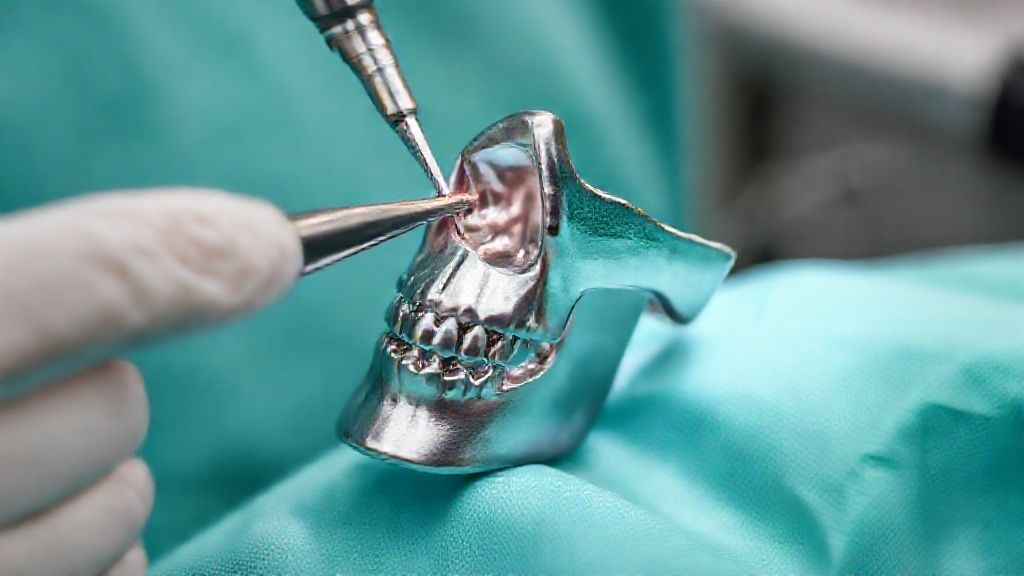
In certain medical implant scenarios, such as the fabrication of craniofacial reconstructive plates, Grade 1 titanium's extreme ductility is indispensable. These plates must be precisely contoured to match complex anatomical shapes, often requiring extensive cold forming.
Its exceptional formability allows surgeons or prosthetists to shape the material intraoperatively if necessary, ensuring a perfect fit. The high biocompatibility further reinforces its suitability for long-term implantation.
Similarly, for flexible bellows and expansion joints in highly corrosive chemical processing lines, Grade 1 is often selected. Its ability to undergo repeated flexing without fatigue, combined with its superior corrosion resistance, ensures reliability in demanding environments.
For large-scale heat exchangers in desalination plants, Grade 2 titanium is the material of choice. Its robust strength, excellent corrosion resistance to saltwater, and ease of weldability enable the construction of durable and efficient systems capable of handling high volumes and pressures.
The ability to weld complex piping networks reliably is a significant advantage in such critical infrastructure. Grade 2's balanced properties ensure long operational lifespans with minimal maintenance.
In aerospace airframe structures, Grade 2 is frequently used for components like skin panels and structural frames. It provides the necessary strength-to-weight ratio for flight, along with good fatigue resistance and the ability to be formed and welded into complex assemblies.
The landscape of materials science is continuously evolving, with ongoing research pushing the boundaries of titanium applications. Experts anticipate continued growth in specialized uses for both Grade 1 and Grade 2 titanium.
Innovations in additive manufacturing (3D printing) are opening new avenues for complex geometries, potentially leveraging the properties of both grades in novel ways. Surface engineering techniques are also becoming more sophisticated.
Sustainable manufacturing practices and circular economy principles are influencing material choices. Titanium's recyclability and durability align well with these future trends, ensuring its continued relevance.
The choice between Titanium Grade 1 and Grade 2 is a nuanced one, dictated by the specific demands of the application. Grade 1 excels where extreme ductility, formability, and biocompatibility are paramount, often for intricate or highly flexible components.
Grade 2, with its superior strength and excellent weldability, serves as a versatile workhorse for a broader range of industrial and structural applications. Both grades share the inherent advantages of commercially pure titanium, including exceptional corrosion resistance.
A thorough evaluation of mechanical properties, processing requirements, environmental factors, and regulatory standards is essential for making an informed decision. Partnering with experienced suppliers like Chinatitaniumfactory.com ensures access to high-quality materials and expert guidance for optimal material selection and project success.
Ensure your project benefits from the optimal titanium grade. Our specialists are ready to assist with material selection, custom fabrication, and supply of high-quality Grade 1 and Grade 2 titanium.
Contact Our Titanium Experts Today!The primary difference lies in their mechanical properties, specifically strength and ductility. Titanium Grade 1 is the softest and most ductile CP grade, offering superior formability. Titanium Grade 2 is stronger and less ductile than Grade 1, but still highly formable and possesses excellent weldability, making it a more versatile general-purpose grade.
Both Grade 1 and Grade 2 titanium are highly biocompatible and used in medical applications. Grade 1 is often preferred for implants requiring extreme formability, such as surgical mesh or custom-contoured plates. Grade 2 is also used for surgical instruments and some implants where higher strength is beneficial without compromising biocompatibility.
Both grades exhibit excellent corrosion resistance due to the stable passive oxide layer that forms on their surface. This makes them highly resistant to a wide range of corrosive media. While there are minor differences in their chemical composition (e.g., oxygen content), their corrosion resistance profiles are largely similar and exceptionally high for most practical applications.
Titanium Grade 2 is generally considered to have excellent weldability, making it a preferred choice for welded structures. Grade 1 is also weldable, but its lower strength might make it less suitable for applications where weld integrity under significant stress is critical. Proper welding procedures, including inert gas shielding, are essential for both grades to prevent contamination and maintain material properties.
Generally, the raw material cost difference between Grade 1 and Grade 2 titanium is not substantial. Pricing is more often influenced by factors such as the specific product form (e.g., sheet, plate, bar), quantity, and market demand. Grade 2 is more widely produced, which can sometimes lead to better availability and potentially slightly more competitive pricing for standard stock items.



Contact Us
Room 21003, 10th Floor, Unit 2, Building 1, Xianning International Plaza, No.29 Xianning West Road, Beilin District, Xi'an City
Copyright © Xi'an Shiguang Jingyan Technology Co., Ltd. All Rights Reserved.