

























Titanium vs. Stainless Steel vs. Aluminum: A Comprehensive Material Comparison
Engineers, designers, and manufacturers often face critical decisions when selecting materials. The choice of metal significantly impacts product performance, cost, and lifespan.
This guide provides an in-depth comparison of three essential engineering metals: titanium, stainless steel, and aluminum. It aims to help professionals make informed material selection decisions.
The resource focuses on technical accuracy and practical application. It covers properties, uses, economic factors, and environmental considerations.
Understanding the Fundamentals: What Are These Metals?
A foundational understanding of each material is crucial. This section outlines their basic composition and defining characteristics.
It provides context before diving into detailed comparisons. This approach ensures a clear grasp of each metal's unique identity.
What is Titanium?
Titanium (Ti) is a lustrous transition metal. It is well-known for its exceptional strength-to-weight ratio and outstanding corrosion resistance. It also exhibits remarkable biocompatibility. These properties make it invaluable in high-performance applications.
Discovered in 1791, titanium is the ninth most abundant element in the Earth's crust. It is extracted from minerals like rutile and ilmenite.
Its unique combination of properties makes it a premium material. It performs well in demanding environments. Chinatitaniumfactory.com offers a wide range of titanium products, showcasing its versatility.

What is Stainless Steel?
Stainless steel is an iron alloy. It contains a minimum of 10.5% chromium. This chromium content forms a passive layer on the surface. This layer provides its characteristic corrosion resistance.
Other alloying elements like nickel, molybdenum, and manganese enhance its properties. These additions improve ductility, strength, and further corrosion resistance.
It is widely used across many industries. Its durability and aesthetic appeal are highly valued. Stainless steel is a staple in modern engineering and design.
What is Aluminum?
Aluminum (Al) is a lightweight, silvery-white metal. It is known for its low density and excellent strength-to-weight ratio. It also possesses good thermal and electrical conductivity.
Aluminum is the most abundant metal in the Earth's crust. It is a highly versatile material. Its properties make it suitable for a vast array of applications.
It is easily formable and highly recyclable. This makes it a popular choice for sustainable design. Aluminum alloys further enhance its strength and other characteristics.
Head-to-Head: A Detailed Comparison of Key Properties
Selecting the correct material requires a thorough understanding of its properties. This section provides a direct, property-by-property comparison.
It highlights the strengths and weaknesses of titanium, stainless steel, and aluminum. The focus is on critical engineering metrics.
| Property | Titanium | Stainless Steel | Aluminum |
|---|---|---|---|
| Density (g/cm³) | ~4.5 | ~7.8-8.0 | ~2.7 |
| Strength-to-Weight Ratio | Excellent (Highest) | Good | Very Good |
| Corrosion Resistance | Outstanding (especially saltwater) | Very Good | Good (forms oxide layer) |
| Hardness | High | Good to High (varies by grade) | Moderate (can be hardened) |
| Thermal Conductivity | Low | Low | High |
| Electrical Conductivity | Moderate to Low | Low | Excellent |
| Biocompatibility | Excellent | Good (certain grades) | Poor |
| Cost (Relative) | Highest | Moderate | Lowest |
Strength-to-Weight Ratio
Titanium stands out in this category. It offers exceptional strength for its relatively low density. This makes it ideal for aerospace and high-performance automotive parts.
Aluminum also boasts a very good strength-to-weight ratio. It is significantly lighter than steel. Its strength can be further enhanced through alloying and heat treatment.
Stainless steel is denser than both titanium and aluminum. While strong, its specific strength (strength per unit density) is generally lower. This limits its use in applications where weight is critical.
Corrosion Resistance
Titanium exhibits outstanding corrosion resistance. It forms a stable, passive oxide layer when exposed to air. This layer protects it from most acids, chlorides, and saltwater environments.
Stainless steel also forms a passive chromium oxide layer. This layer provides excellent resistance to rust and staining. Higher chromium and molybdenum content improves resistance, especially in marine settings.
Aluminum forms a protective oxide layer naturally. This layer offers good corrosion resistance in many atmospheric conditions. However, it can be susceptible to galvanic corrosion when in contact with certain other metals.
Durability and Hardness
Titanium is highly durable. It resists fatigue and crack propagation well. Its hardness is comparable to many steels, providing good wear resistance.
Stainless steel offers excellent durability and wear resistance. Its hardness varies significantly by grade. Martensitic stainless steels are particularly hard and strong.
Aluminum is softer than both titanium and stainless steel in its pure form. However, alloying and heat treatments can significantly increase its hardness and durability. For instance, 7075 aluminum is known for its high strength.
Thermal and Electrical Conductivity
Aluminum excels in both thermal and electrical conductivity. It is an excellent conductor of heat and electricity. This makes it ideal for heat sinks and electrical wiring.
Titanium has relatively low thermal and electrical conductivity. This property can be advantageous for applications requiring thermal insulation. It is less suitable for electrical transmission.
Stainless steel also exhibits low thermal and electrical conductivity. This characteristic is useful in applications where heat transfer needs to be minimized, such as in insulated containers.
Malleability and Ductility
Aluminum is highly malleable and ductile. It is easily formed into various shapes, sheets, and wires. This ease of fabrication contributes to its widespread use.
Stainless steel offers good malleability and ductility, especially austenitic grades. It can be deep-drawn, bent, and welded. This makes it versatile for manufacturing complex parts.
Titanium is less malleable and ductile than aluminum or most stainless steels. It requires specialized techniques for forming and machining. However, its formability improves at elevated temperatures.
Biocompatibility
Titanium is renowned for its excellent biocompatibility. The human body tolerates it extremely well. This makes it the material of choice for medical implants and surgical instruments. A study by NCBI highlights titanium's role in biomedical applications.
Stainless steel, particularly certain grades like 316L, also exhibits good biocompatibility. It is used in some medical devices and surgical tools. However, it is not as universally accepted as titanium for long-term implants.
Aluminum generally shows poor biocompatibility. It is not suitable for direct contact with biological systems. Therefore, it is rarely used in medical implant applications.
Real-World Applications: Where Each Metal Shines
Each metal finds its optimal use in specific industries and products. Their unique advantages drive these applications.
This section explores practical scenarios. It demonstrates where titanium, stainless steel, and aluminum are predominantly utilized.
Titanium's Niche: Aerospace, Medical, and High-Performance
Aerospace is a primary consumer of titanium. Its high strength-to-weight ratio is crucial for aircraft components. These include airframes, engine parts, and landing gear. This reduces fuel consumption and increases payload capacity.
In the medical field, titanium's biocompatibility is paramount. It is used for joint replacements, dental implants, and surgical instruments. The human body readily accepts it, minimizing rejection risks.
Other high-performance applications include marine components, chemical processing equipment, and premium sports gear.
Stainless Steel's Versatility: Construction, Kitchenware, and Automotive
Construction widely uses stainless steel for architectural facades and structural elements. Its corrosion resistance ensures longevity and minimal maintenance. Bridges and modern buildings often feature stainless steel.
In kitchenware and food processing, its hygienic properties are key. It does not react with food and is easy to clean. Utensils, sinks, and industrial food equipment commonly use stainless steel.
The automotive industry uses it for exhaust systems, trim, and structural components. Its durability and resistance to rust are highly beneficial. This ensures vehicle longevity and aesthetic appeal.
Aluminum's Lightweight Advantage: Transport, Packaging, and Electronics
Transportation heavily relies on aluminum. It is used in aircraft fuselages, car bodies, and bicycle frames. Its light weight improves fuel efficiency and performance.
Packaging is another major application. Beverage cans, foil, and food containers benefit from aluminum's lightweight nature and barrier properties. It also offers excellent recyclability.
In electronics, aluminum serves as an ideal material for heat sinks and casings. Its high thermal conductivity dissipates heat effectively. This protects sensitive electronic components.
Beyond Properties: Cost, Fabrication, and Environmental Impact
Material selection extends beyond basic physical properties. Practical implications must also be considered.
This section examines economic factors, manufacturing processes, and ecological footprints. These elements are crucial for a comprehensive evaluation.
Cost Analysis: Initial Investment vs. Lifecycle Value
Titanium has the highest initial material cost. Its extraction and processing are energy-intensive. However, its exceptional lifespan and minimal maintenance can offer superior lifecycle value for critical applications.
Stainless steel represents a moderate cost option. Its raw material and fabrication costs are higher than aluminum but significantly less than titanium. Its durability contributes to good long-term value.
Aluminum is generally the most cost-effective of the three. It has lower raw material costs and is easier to fabricate. This makes it attractive for high-volume production and budget-conscious projects. A detailed market analysis from Statista shows the varying market values of these metals.
Machinability and Fabrication Challenges
Aluminum offers excellent machinability and formability. It is relatively easy to cut, weld, and shape. This reduces manufacturing time and costs.
Stainless steel has good machinability, though it can be tougher than aluminum. Certain grades are challenging to machine due to work hardening. Welding requires specific techniques to avoid distortion and carbide precipitation.
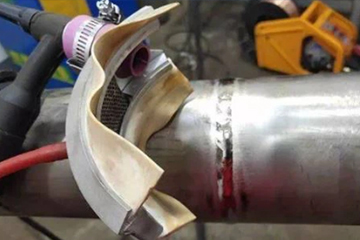
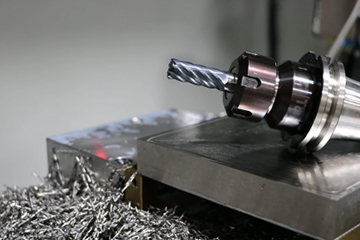
Titanium is notoriously difficult to machine. It requires slow speeds, high feed rates, and sharp tools. Its high reactivity also makes welding challenging. Specialized equipment and expertise are often necessary.
Environmental Footprint and Recyclability
Aluminum is highly recyclable. Recycling aluminum requires significantly less energy than primary production. This makes it a sustainable choice for many applications. Its high recyclability contributes to a circular economy.
Stainless steel is also 100% recyclable. It has a high scrap value. Its long lifespan further reduces its environmental impact. This makes it a responsible material choice.
Titanium production is energy-intensive. However, its extreme durability means products last longer. This reduces the need for frequent replacement. Recycling titanium is possible but complex. More information on metal sustainability can be found at World Steel Association.
Deep Dive into Alloys: When Specifics Matter
Each of these metals exists in various alloy forms. These specific compositions significantly alter their properties. They also influence their suitability for different applications.
Understanding common alloys helps refine material selection. It ensures optimal performance for specific project requirements.
Common Titanium Alloys (e.g., Ti-6Al-4V)
Ti-6Al-4V (Grade 5) is the most widely used titanium alloy. It contains 6% aluminum and 4% vanadium. This alloy offers an excellent balance of strength, ductility, and fracture toughness. It is vital in aerospace and medical implants.
Commercially Pure (CP) Titanium (Grades 1-4) offers increasing strength with decreasing ductility. Grade 2 is a common choice for chemical processing. Grade 1 is very ductile. Grade 4 is the strongest CP grade. Explore specific titanium alloy options at Chinatitaniumfactory.com/alloys.
Popular Stainless Steel Grades (e.g., 304, 316, 430)
304 Stainless Steel is the most common austenitic grade. It contains 18% chromium and 8% nickel. It offers good corrosion resistance and excellent formability. It is widely used in kitchenware and architectural trim.
316 Stainless Steel adds molybdenum to the 304 composition. This significantly enhances its corrosion resistance, especially against chlorides. It is preferred for marine applications and medical equipment.
430 Stainless Steel is a ferritic grade. It contains 17% chromium but no nickel. It is magnetic and offers good corrosion resistance in mild environments. It is often used in automotive trim and appliances.
Versatile Aluminum Alloys (e.g., 6061, 7075)
6061 Aluminum is a popular heat-treatable alloy. It contains magnesium and silicon. It offers good strength, weldability, and corrosion resistance. It is commonly used in structural components, bicycle frames, and fishing boats.
7075 Aluminum is a high-strength alloy containing zinc as the primary alloying element. It provides exceptional strength, comparable to many steels. This makes it ideal for aerospace applications and high-stress parts.
Other alloys, like 5052, offer excellent marine corrosion resistance. 3003 is known for its formability in packaging. Each alloy serves specific industrial needs.
Making the Right Choice: A Decision-Making Framework
Navigating material selection can be complex. A structured approach helps weigh various factors. This ensures the optimal metal for your specific project.
Consider all requirements from performance to budget and manufacturing capabilities. This holistic view leads to better outcomes.
Key Factors to Consider
Performance Requirements: Evaluate strength, stiffness, corrosion resistance, temperature limits, and fatigue life.
Weight Constraints: Determine if minimizing weight is critical for the application, such as in aerospace or portable devices.
Environmental Exposure: Assess the operating environment, including chemicals, moisture, temperature, and UV radiation.
Biocompatibility Needs: Consider if the material will interact with biological systems, as in medical implants.
Cost Implications: Balance initial material cost with fabrication expenses, maintenance, and expected lifespan.
Manufacturing Feasibility: Account for machinability, weldability, formability, and available production processes.
Aesthetics and Finish: Consider the desired appearance and surface finish for the final product.
Sustainability Goals: Evaluate recyclability and the overall environmental footprint of the material choice.
Interactive Comparison Tool (Concept)
An interactive tool could simplify material selection greatly. Users would input specific project parameters. These might include required strength, weight limits, and budget.
The tool would then provide tailored recommendations. It would highlight the most suitable metal or alloy. This would streamline the decision-making process for engineers and designers.
Conclusion: The Best Material Depends on Your NeedsThere is no single "best" material among titanium, stainless steel, and aluminum. The ideal choice is always context-dependent. Each metal offers a unique set of advantages and disadvantages.
Engineers must balance performance, cost, and environmental considerations. This ensures the optimal material for unique applications. Understanding these differences empowers better design and manufacturing decisions.
By carefully evaluating project requirements, professionals can harness the full potential of these critical engineering metals.
Frequently Asked Questions
Q: Which metal is strongest among titanium, stainless steel, and aluminum?
A: When considering ultimate tensile strength, certain grades of stainless steel can be very strong. However, for strength relative to weight (specific strength), titanium often outperforms both. High-strength aluminum alloys also offer impressive strength for their low density.
Q: Which metal is most corrosion-resistant for marine environments?
A: Titanium offers exceptional corrosion resistance in saltwater. It is superior to both stainless steel and aluminum in these harsh conditions. Specific grades of stainless steel, like 316L, also perform well but can be susceptible to pitting in highly corrosive marine settings.
Q: Is titanium always the best choice if budget is not an issue?
A: Not always. While titanium offers premium properties, its low thermal and electrical conductivity can be a disadvantage. For applications requiring excellent heat dissipation or electrical conduction, aluminum might be a better choice. The best material depends on a holistic view of all design requirements.
Q: How does recyclability compare between these three metals?
A: Aluminum and stainless steel are both highly recyclable. Recycling them significantly reduces energy consumption compared to primary production. Titanium is also recyclable, but the process is more complex and less common due to its high value and specialized applications.
Ready to Elevate Your Project with Premium Titanium?
Whether your application demands unmatched strength-to-weight, superior corrosion resistance, or critical biocompatibility, Chinatitaniumfactory.com provides high-quality titanium solutions tailored to your needs. Partner with experts to ensure the success and longevity of your designs.
Get a Titanium Quote Today