






















What Exactly Are Titanium Bars and Why Are They So Valued?
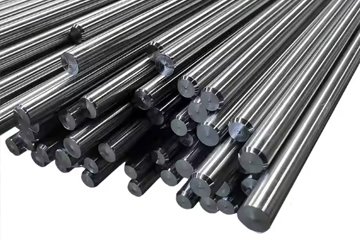
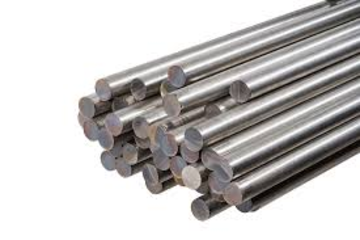
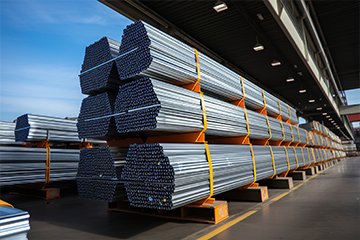
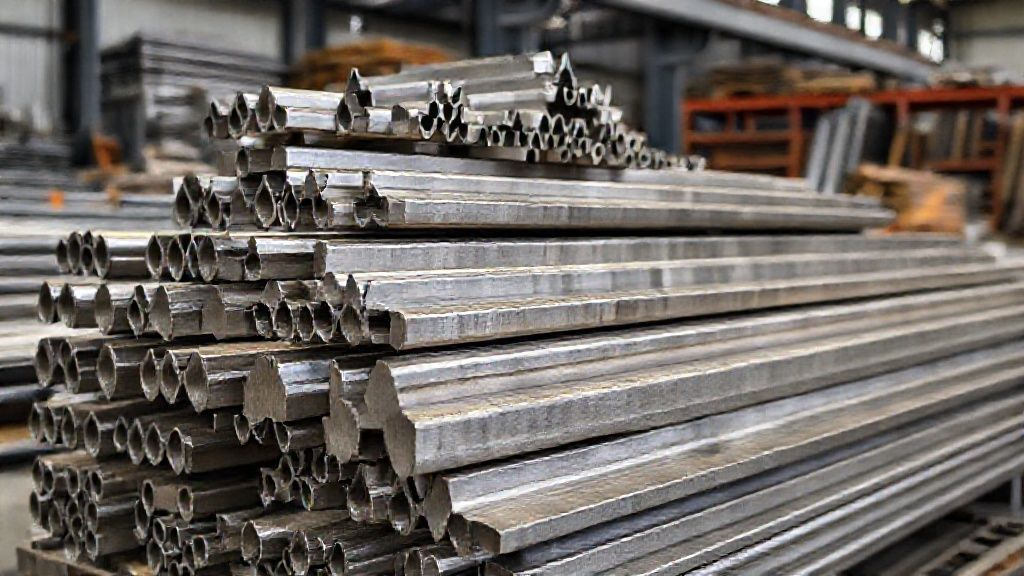
Titanium bars represent a crucial form of this high-performance metal. They are solid, elongated pieces of titanium. Manufacturers produce them in various cross-sectional shapes.
These shapes include round, square, and hexagonal forms. Titanium bars are foundational materials for many advanced industrial applications.
"Titanium bars are semi-finished products. They serve as raw material for machining into components. Their value stems from titanium's exceptional properties."
Titanium boasts an outstanding strength-to-weight ratio. It is as strong as steel but significantly lighter. This makes it ideal for weight-critical applications.
Furthermore, titanium offers superior corrosion resistance. It withstands harsh environments, including seawater and various chemicals. Its biocompatibility is also unmatched. This means the human body tolerates it well.
These unique properties drive its demand across several key industries. For instance, the aerospace sector uses titanium extensively. It forms critical components in aircraft, rockets, and satellites. This includes structural parts, landing gear, and engine components.
The medical field relies on titanium for implants. This includes joint replacements, dental implants, and surgical instruments. Its non-reactive nature is vital here.
In marine applications, titanium resists saltwater corrosion. It is used in submarines, offshore platforms, and desalination plants. Consequently, the high value of titanium bars reflects their performance capabilities.
The Core Factors Driving Titanium Bar Costs
Understanding titanium bar pricing requires a look at its complex cost structure. Several fundamental categories dictate the final price. These elements include raw material sourcing and manufacturing complexity.
Alloy composition, physical dimensions, and market forces also play significant roles. Each factor contributes to the overall investment required for titanium bars.
Raw Material Sourcing: From Ore to Ingot
The journey of titanium begins with its natural ore. Major sources include ilmenite and rutile. These ores undergo a complex extraction process. This process is energy-intensive and costly. The Kroll process is a common method for producing titanium sponge.

Titanium sponge is a porous, metallic form of titanium. It is the first refined product. High purity sponge is crucial for quality titanium bars. Impurities at this stage can compromise final product performance.
The global supply chain for titanium ore and sponge impacts costs. Geopolitical stability in mining regions matters. Transportation logistics also add to expenses. The U.S. Geological Survey (USGS) provides data on these global material flows. This initial processing forms a significant part of the overall cost.
Manufacturing Processes: Shaping and Refining
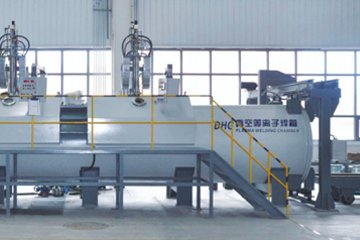
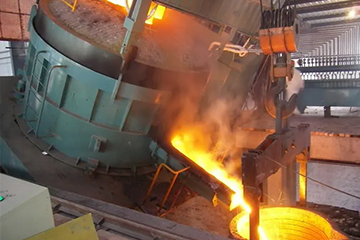
Once titanium sponge is produced, it is melted into ingots. This often involves vacuum arc remelting (VAR) or electron beam (EB) melting. These steps ensure homogeneity and reduce defects. Ingots are then processed into bars.
Key manufacturing steps include forging and rolling. Forging shapes the metal using compressive forces. Rolling reduces its cross-section. Both processes require specialized equipment and high temperatures.
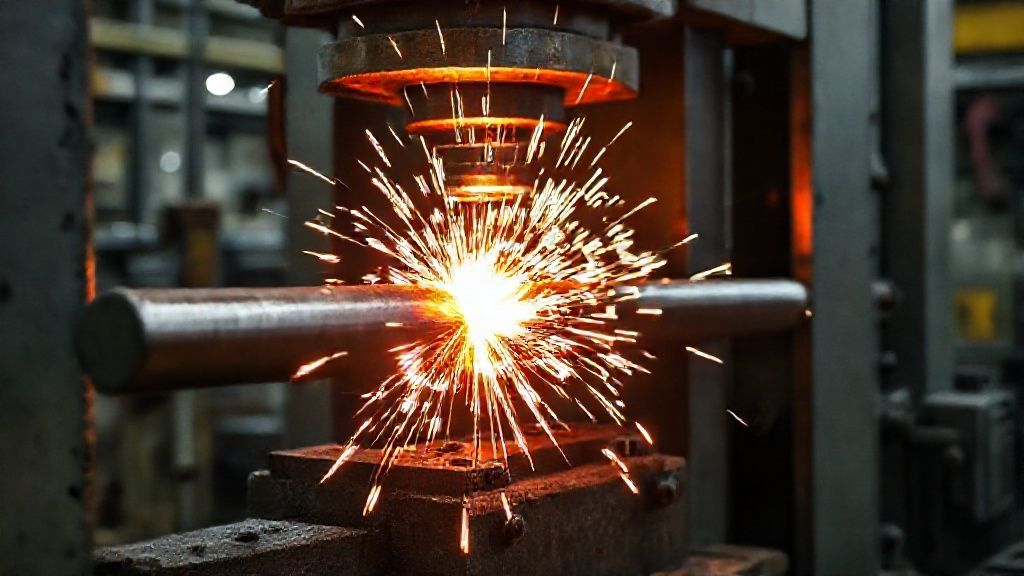
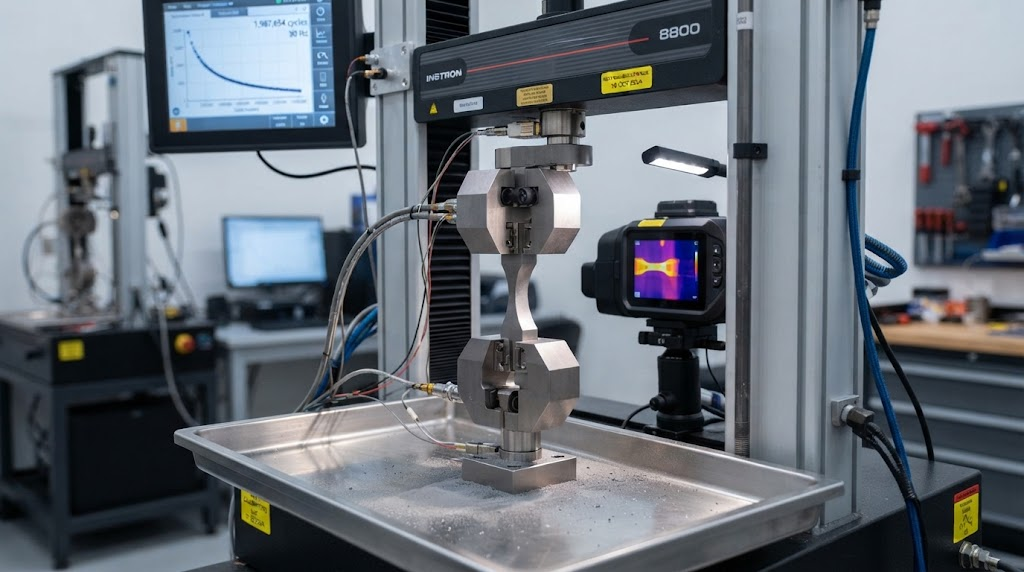
Heat treatment processes follow. These optimize the material's mechanical properties. They enhance strength, ductility, and fatigue resistance. Machining and surface finishing then refine the bar's dimensions and appearance.
The complexity of these steps directly impacts cost. More stringent tolerances or specialized finishes increase production expenses. Understanding the titanium manufacturing process helps explain these costs.
Alloy Composition and Grade Specifics
Titanium is rarely used in its pure form for structural applications. Instead, it is alloyed with other elements. Common alloying elements include aluminum, vanadium, and molybdenum. These additions enhance specific properties.
Different titanium alloys command varying prices. For example, Ti-6Al-4V (Grade 5) is the most common alloy. It offers an excellent balance of strength, ductility, and toughness. Its complex composition and processing make it more expensive than commercially pure (CP) titanium.
The specific industry demands also influence pricing. Medical-grade titanium, like Ti-6Al-4V ELI (Extra-Low Interstitial), requires even stricter purity. This drives its cost higher. Buyers must carefully match the alloy grade to their application's needs.
Size, Shape, and Customization Demands
The physical attributes of a titanium bar significantly impact its price. Larger diameters and longer lengths generally cost more. This is due to increased material usage and more complex manufacturing. Specific shapes, such as square or hexagonal bars, can also raise costs.
These shapes often require specialized tooling. They may also involve additional processing steps. Custom orders are particularly influential on pricing. They often necessitate unique production runs. This reduces the efficiency of large-scale manufacturing.
Minimum Order Quantities (MOQs) for custom sizes can be higher. This reflects the setup costs for specialized production. Standard sizes and shapes are typically more cost-effective. They benefit from economies of scale.
Market Forces and External Influences on Pricing
Titanium bar prices are not static. They are subject to broader economic and market factors. These external influences can cause significant fluctuations. Understanding them is key for strategic procurement.
Global Supply and Demand Dynamics
The worldwide production capacity of titanium directly affects its price. Limited supply, especially of high-purity sponge, can drive costs up. Conversely, oversupply can lead to price reductions. Major industries heavily influence demand.
The aerospace sector is a primary consumer. High demand for new aircraft or defense projects boosts titanium prices. The medical and energy sectors also contribute significantly. Geopolitical events can disrupt supply chains. This leads to market volatility and higher costs.

Energy Costs and Environmental Regulations
Titanium manufacturing is highly energy-intensive. The Kroll process and subsequent melting stages consume vast amounts of power. Therefore, fluctuations in global energy prices directly impact production costs. Higher oil and gas prices translate to more expensive titanium.
Environmental regulations also play a role. Stricter compliance standards require investments in cleaner technologies. They also necessitate more responsible waste management. These efforts, while crucial for sustainability, add to the overall production overhead. Environmental Protection Agency (EPA) guidelines, for example, can influence operational expenses.
Currency Exchange Rates and International Trade
Titanium is a globally traded commodity. Therefore, currency exchange rates significantly affect its international pricing. A stronger U.S. dollar, for instance, can make imported titanium cheaper for U.S. buyers. Conversely, a weaker dollar increases import costs.
International trade policies also bear influence. Tariffs and duties imposed by governments can add substantial costs. Trade agreements or disputes can alter supply routes. This impacts both cost and lead times for global buyers.
Estimating Your Investment: What Influences the Final Quote?
The final quotation for titanium bars combines all the aforementioned factors. Buyers receive a price that reflects raw material, processing, alloy grade, and market conditions. Understanding this breakdown is crucial for budgeting.
Reputable suppliers provide transparent quotes. They detail the costs associated with specific requirements. For a precise estimate, businesses should clearly define their needs. This includes alloy type, dimensions, quantity, and required certifications.
Visualizing Cost Drivers: A Deeper Look
Advanced visualizations can offer clearer insights into titanium bar costs. These tools break down pricing into digestible components. They show the percentage contribution of raw materials, manufacturing, and overhead.
Such visualizations might compare different bar types. They could highlight cost variations across various grades. This transparency helps buyers pinpoint areas for potential optimization. It empowers more informed procurement decisions.
Real-World Scenarios: How Cost Factors Play Out
Consider a scenario for aerospace manufacturing. A company needs Ti-6Al-4V ELI bars for critical aircraft components. The high-performance alloy and stringent quality demands drive up the cost. Furthermore, a tight lead time could increase expedited shipping fees.
In contrast, a company needing CP Grade 2 titanium for a non-critical industrial application might find lower prices. This is due to the simpler alloy and less demanding specifications. Large order volumes for standard sizes further reduce the per-unit cost.
These examples highlight the interplay of factors. Alloy choice, order volume, and lead time all directly impact the final investment. Strategic choices at each stage optimize procurement.
Navigating Supplier Choices: What to Look For Beyond Price
For B2B buyers, evaluating titanium bar suppliers goes beyond the lowest bid. Quality certifications are paramount. Look for suppliers holding ISO 9001, AS9100 (aerospace), or ASTM F67/F136 (medical) certifications. These confirm adherence to strict quality management systems.
Lead times are another critical factor. A reliable supplier can meet production schedules. This prevents costly delays for your projects. Minimum Order Quantities (MOQ) also vary between suppliers. Ensure their MOQ aligns with your purchasing needs.
Excellent customer service and technical support are invaluable. A knowledgeable supplier offers guidance on material selection. They also help with specification challenges. Choosing the right titanium grade is easier with expert assistance.
Smart Procurement: Strategies to Optimize Your Titanium Bar Investment
Businesses can adopt several strategies to reduce titanium bar procurement costs. Bulk purchasing often leads to significant discounts. Suppliers offer better pricing for larger order volumes. Consider your long-term needs to leverage this.
Long-term contracts provide price stability. They mitigate risks from market fluctuations. These agreements can also secure preferential pricing and delivery schedules. Explore these options with trusted suppliers.
Material optimization involves selecting the most appropriate grade. Sometimes, a slightly less expensive grade can meet requirements. This avoids over-specifying the material. Value engineering can identify these opportunities.
Exploring alternative grades or forms is also beneficial. For example, using a standard bar size instead of a custom one reduces costs. Collaboration with suppliers like China Titanium Factory can help identify these cost-effective solutions.
Further Insights: Exploring Titanium Manufacturing
Video content offers invaluable insights into titanium manufacturing. Factory tours can demystify complex processes. Expert interviews provide deeper understanding of quality control. These resources help buyers grasp cost implications more thoroughly. They build confidence in supplier capabilities.
Visualizing the production journey reinforces the value proposition. It clarifies why titanium bars carry their specific price point. This deeper insight supports strategic purchasing decisions.
Making Informed Decisions in the Titanium Market
Titanium bar pricing is a multifaceted landscape. It is influenced by raw material origins and intricate manufacturing. Market dynamics and specific product requirements also play key roles. Strategic procurement requires understanding all these factors.
Businesses must balance cost with critical factors like quality and reliability. Partnering with reputable suppliers is essential. This ensures access to high-quality titanium bars. It also provides expert guidance.
By adopting smart procurement strategies, companies can optimize their investment. They can secure the best value for their titanium needs. Informed decisions lead to successful projects and long-term cost-effectiveness.
Frequently Asked Questions About Titanium Bar Costs
What are the primary factors influencing titanium bar prices?
Primary factors include the cost of raw materials (titanium ore and sponge), the complexity of manufacturing processes (melting, forging, heat treatment), the specific titanium alloy grade, and the bar's size, shape, and customization requirements. Global market supply and demand also significantly influence pricing.
How do different titanium alloys affect the cost?
Different titanium alloys have varied compositions and processing needs, leading to different costs. Commercially pure (CP) titanium grades are generally less expensive than alloys like Ti-6Al-4V (Grade 5) or Ti-6Al-4V ELI (Grade 23). Specialty alloys with unique properties or tighter purity standards command higher prices due to their complexity and specific industry demands.
Why are custom titanium bar dimensions more expensive?
Custom titanium bar dimensions are more expensive due to several reasons. They often require specialized tooling and setup for production, which reduces manufacturing efficiency compared to standard sizes. Custom orders typically involve smaller production runs, meaning the fixed costs are spread over fewer units, increasing the per-unit price.
What role do global market forces play in titanium bar pricing?
Global market forces significantly impact titanium bar pricing. These include worldwide supply and demand dynamics, major industry demands (e.g., aerospace, defense), energy costs for manufacturing, environmental regulations, and fluctuating currency exchange rates. Geopolitical events and international trade policies like tariffs also contribute to price volatility.
How can businesses reduce their titanium bar procurement costs?
Businesses can reduce costs through several strategies: bulk purchasing for volume discounts, entering long-term contracts for price stability, material optimization by selecting the most suitable (not necessarily the most expensive) grade, and exploring standard sizes instead of custom dimensions. Partnering with a reliable supplier for expert advice also helps optimize procurement.
Ready to Optimize Your Titanium Procurement?
Gain a competitive edge with high-quality titanium bars tailored to your exact specifications. Partner with industry experts for reliable supply and unparalleled technical support.
Get a Custom Quote Today