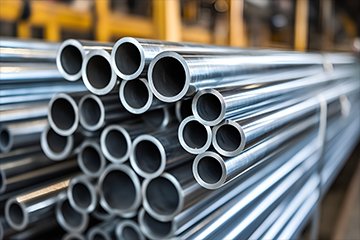
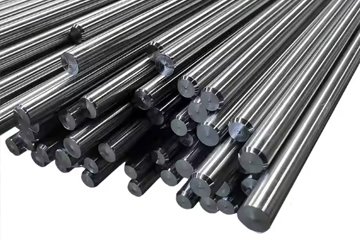
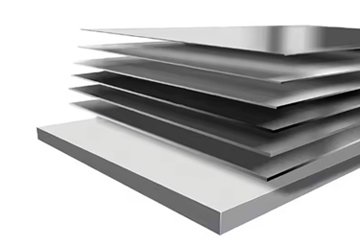
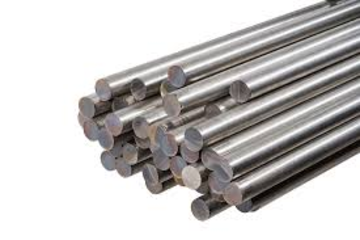
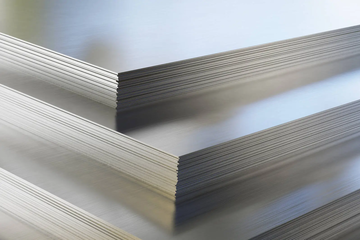
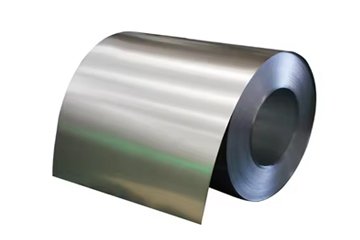
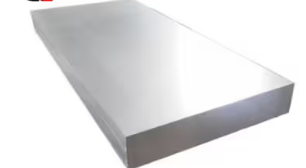
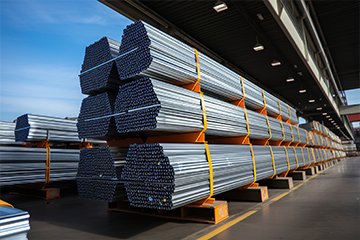
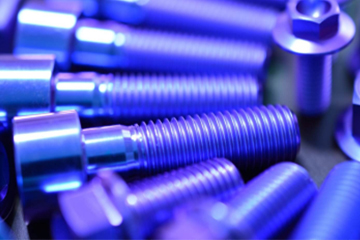
Titanium plates serve critical engineering roles across aerospace, chemical processing, defense, and marine sectors due to their exceptional strength-to-weight ratio, high temperature tolerance, and near-absolute immunity to chloride-induced corrosion. Selecting the correct plate profile requires aligning precise dimensional tolerances, production methods, and metallurgical grade chemistries with specific operating environments.
According to industrial manufacturing standards such as ASTM B265, ASME SB265, and aerospace standard AMS 4911, flat-rolled mill products are strictly categorized by thickness:
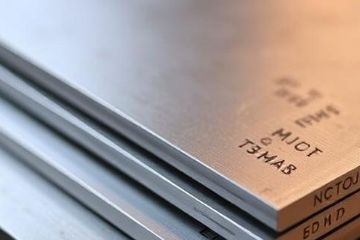
Titanium Sheet: Any product measuring under 0.1875 inches (4.76 mm) in thickness and 24 inches (610 mm) or more in width.
Titanium Plate: Any product measuring 0.1875 inches (4.76 mm) and greater in thickness and over 10 inches (254 mm) in width.
Titanium Strip: Any product under 0.1875 inches (4.76 mm) in thickness and under 24 inches (610 mm) in width.
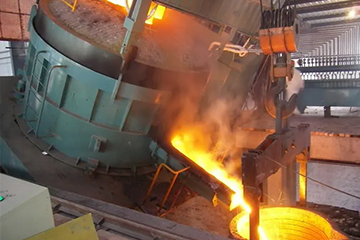
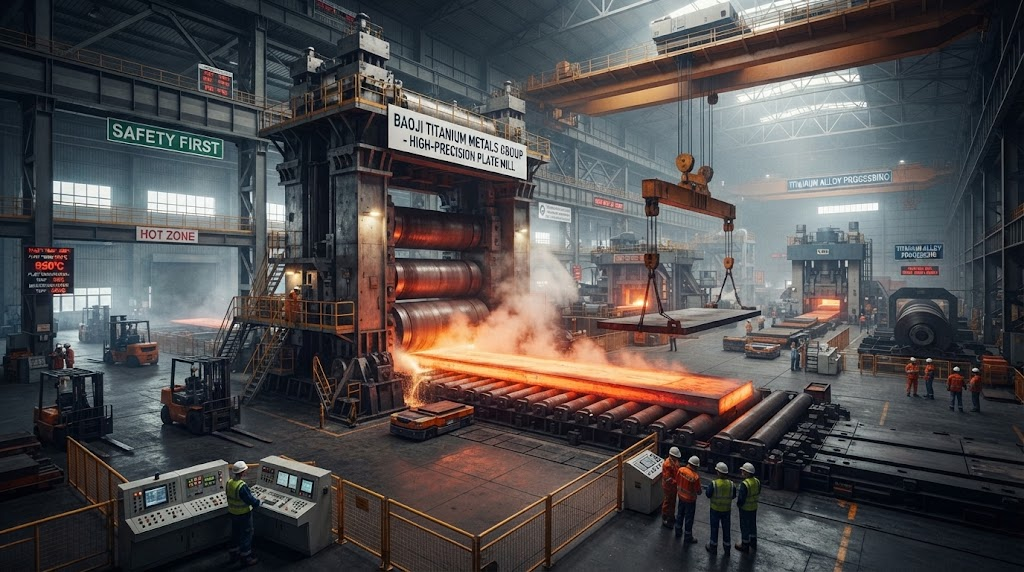
China Titanium Factory manufactures plate profiles via hot-rolling and cold-rolling routines using primary vacuum arc remelted (VAR) ingots. Explore our comprehensive Titanium Plate & Sheet Inventory to review available dimensions and standard stocking programs.
Engineering Insight: Cold-rolled titanium sheets exhibit superior surface finishes (Ra ≤ 0.8 μm) and tighter thickness tolerances (±0.05 mm), making them ideal for stamped heat exchanger plates. Hot-rolled plates offer heavy cross-sections up to 100 mm for structural pressure vessel shells and load-bearing aerospace bulkheads.
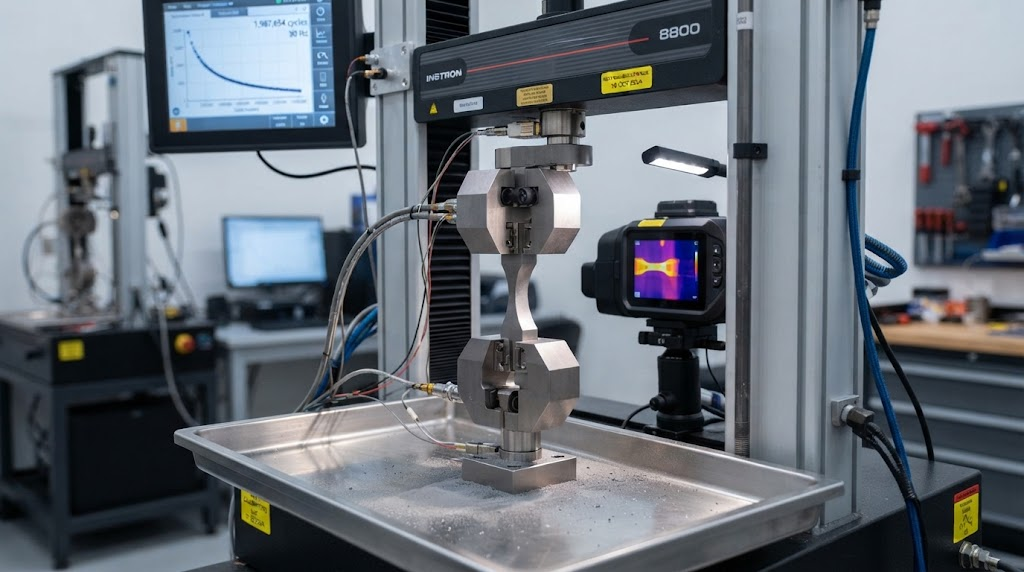
Plates are supplied under multiple surface treatments based on downstream forming requirements: hot-rolled descaled, acid pickled, sandblasted, or precision surface-ground. Each mill run undergoes rigorous tensile, chemical, and bend testing to ensure mechanical alignment with international codes.
Titanium plates are divided into two fundamental metallurgical classifications: Commercially Pure (CP) unalloyed grades (Grades 1-4) and engineered titanium alloys (Grades 5, 7, 9, 12, and 23). The selection balances mechanical strength against formability and localized corrosion resistance.
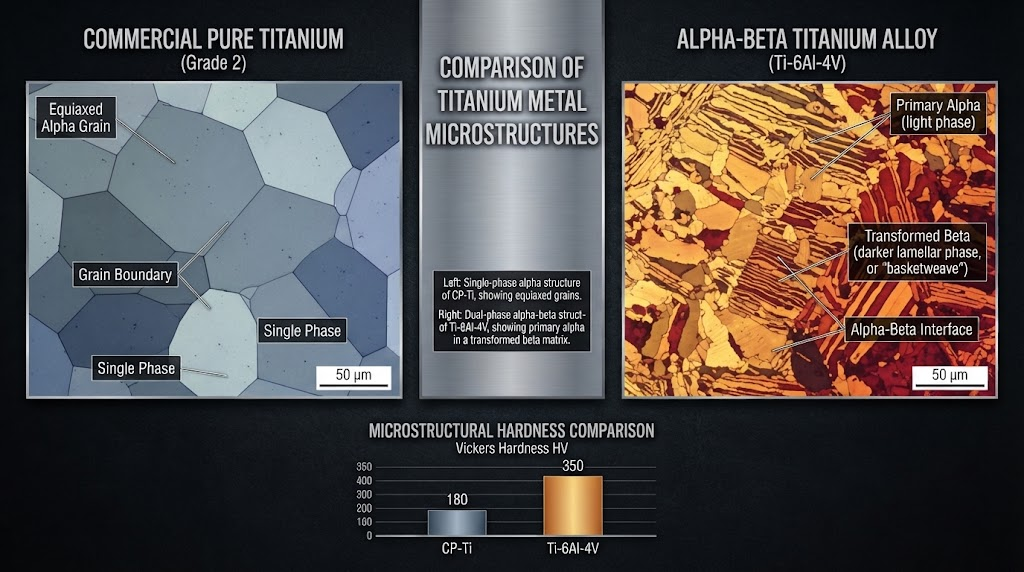
Commercially Pure grades vary primarily by interstitial oxygen and iron content. Grade 1 provides maximum ductility and formability, while Grade 4 delivers the highest yield strength among unalloyed grades.
Alloyed titanium integrates stabilizing elements such as aluminum (alpha stabilizer) and vanadium, molybdenum, or nickel (beta stabilizers) to elevate tensile strength, creep resistance, and fracture toughness.
| Grade / Standard | Nominal Composition | Min. Yield Strength (MPa) | Min. Tensile Strength (MPa) | Elongation (%) | Primary Operating Field |
|---|---|---|---|---|---|
| CP Grade 1 | Unalloyed Ti (Low O) | 170 | 240 | 24 | Deep-draw plate heat exchangers |
| CP Grade 2 | Unalloyed Ti (Standard O) | 275 | 345 | 20 | Chemical processing, marine vessels |
| Grade 5 (Ti-6Al-4V) | Ti-6Al-4V | 828 | 895 | 10 | Aerospace structures, armor plating |
| Grade 7 | Ti-0.15Pd | 275 | 345 | 20 | Severe reducing acid environments |
| Grade 9 | Ti-3Al-2.5V | 483 | 620 | 15 | Hydraulic systems, marine hulls |
| Grade 12 | Ti-0.3Mo-0.8Ni | 345 | 483 | 18 | High-temp elevated chloride brines |
| Grade 23 (ELI) | Ti-6Al-4V ELI | 790 | 860 | 10 | Surgical implants, cryogenic vessels |
For demanding structural needs, engineers rely on Grade 5 Ti-6Al-4V Titanium Plates to maximize yield strength without introducing deadweight penalties.
Aerospace airframe structures demand raw materials capable of resisting cyclic fatigue, wide temperature differentials (-55°C to 400°C), and corrosive galvanic couples with carbon-fiber-reinforced polymers (CFRP).
Titanium plates produced to AMS 4911 standards serve as the core alloy for commercial and military aircraft structures:
Main Wing Spars and Ribs: Heavy Ti-6Al-4V plates absorb high bending moments during aerodynamic maneuvers.
Fuselage Structural Bulkheads: High fracture toughness (KIC ≥ 75 MPa·m1/2) prevents catastrophic crack propagation.
Engine Pylon Mounts & Nacelles: Elevated thermal resistance ensures structural integrity near jet exhaust streams.
Landing Gear Support Wells: Resists severe cyclic shock loading and de-icing chemical exposure.
Modern armored fighting vehicles utilize high-hardness Ti-6Al-4V plate (MIL-DTL-46077) for ballistic protection. Titanium plates deliver equivalent multi-hit protection compared to high-hard steel armor plates while reducing vehicle curb weight by up to 35-40%.
This massive weight reduction directly improves tactical transportability, increases operational range, and reduces mechanical drivetrain wear on active armored platforms.
Titanium plate is virtually immune to wet chlorine gas, chlorite, hypochlorite, and chlorine dioxide solutions. When exposed to oxygenated environments, titanium spontaneously generates a continuous, self-healing rutile-anatase (TiO2) passive oxide film that stops corrosive degradation.
CP Grade 2 titanium plates serve as dimensional stable anodes (DSA) and cathode backplates in membrane electrolysis cells. They resist boiling saturated sodium chloride (NaCl) brines that would destroy standard 316L stainless steel or nickel alloys within days.
In purified terephthalic acid (PTA) synthesis and oil refinery overhead condenser systems, heat exchanger tubesheets are fabricated using thick Grade 2, Grade 7, or Grade 12 plates. The material prevents pitting corrosion under extreme acetic acid and high-temperature bromide salt regimes.
Where localized crevice corrosion is a concern at temperatures exceeding 80°C, palladium-stabilized Grade 7 plate prevents acidic micro-environments from developing underneath joint gaskets.
In marine and subsea environments, titanium plate exhibits zero measurable pitting or crevice corrosion in seawater across flow velocities exceeding 30 meters per second.
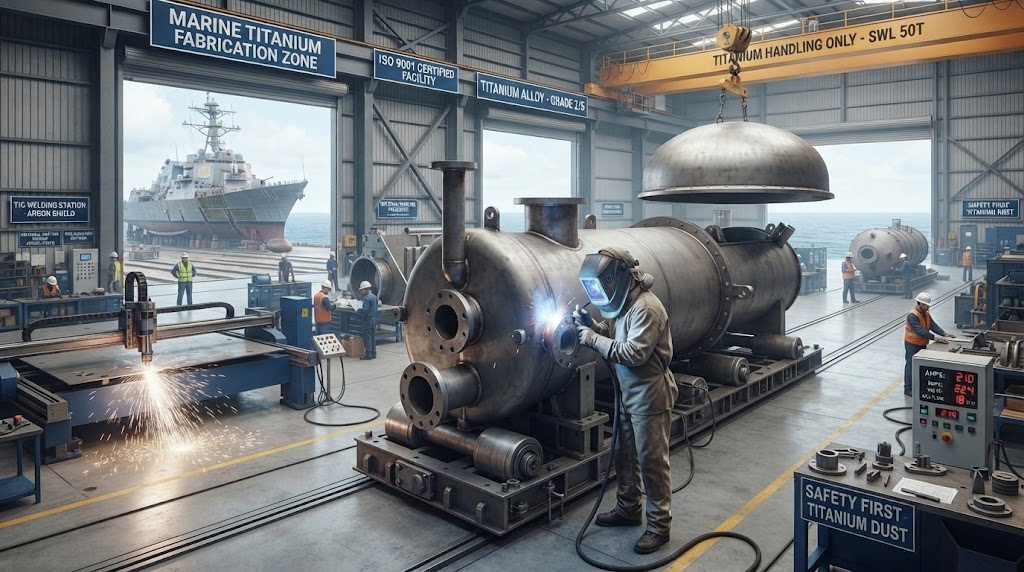
Key marine engineering implementations include:
Thermal Desalination Evaporators: Multi-stage flash (MSF) and multi-effect distillation (MED) units utilize CP Grade 2 plate for high-heat rejection stages and vapor chambers.
Subsea Wellhead Modules: Deepwater riser stress joints and manifold housings use thick Grade 5 and Grade 9 plates to endure high hydrostatic pressures.
Naval Sonar Domes: High acoustic permeability paired with absolute bio-fouling and erosion resistance makes titanium plate the standard material for naval sonar windows.
Offshore Ballast Water Systems: Electro-chlorination treatment cells require high-grade titanium plates to handle continuous electrolytic seawater breakdown.
Titanium plates are the premier biocompatible material for internal bone fixation and reconstructive surgeries. Their low elastic modulus (~110 GPa for Ti-6Al-4V ELI versus ~200 GPa for 316LVM stainless steel) significantly reduces stress shielding against human cortical bone.
Medical plate manufacturing adheres to strict international biomedical specifications:
ASTM F67: Unalloyed titanium for cranial reconstruction meshes, maxillo-facial trauma plating, and dental implant frameworks.
ASTM F136: Extra Low Interstitial (ELI) Grade 23 Ti-6Al-4V for high-load orthopedic trauma bone fracture plates and spinal alignment brackets.
The exceptionally low interstitial element limits (Carbon ≤ 0.08%, Oxygen ≤ 0.13%, Nitrogen ≤ 0.05%, Hydrogen ≤ 0.012%) prevent in-vivo cytotoxicity while maximizing cyclic fatigue life inside the human body.
Monolithic titanium plates become cost-prohibitive when designing thick-walled (over 25 mm) ASME Section VIII Division 1 or Division 2 pressure vessels for heavy chemical processing. Titanium-steel clad plates solve this economic and engineering challenge.
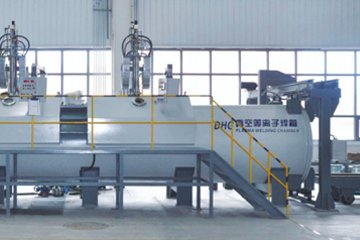
Produced via explosive bonding or continuous hot-roll vacuum cladding, clad plates fuse a thin layer (2 mm to 5 mm) of corrosion-resistant titanium (ASTM B265 Grade 1 or Grade 2) to a heavy structural carbon steel backing plate (such as SA516 Gr. 70) or stainless steel base.
Learn more about our metallurgically bonded Titanium Clad Steel Plates for large-scale autoclave reactors, chimney flue liners, and desalination flash chambers.
Quality Benchmark: Explosively clad plates must meet ASTM B898 standards, providing minimum shear bond strengths exceeding 140 MPa across the entire bonded interface, verified by 100% automated ultrasonic C-scan inspection.
Working with titanium plate requires tailored machining parameters, strict cleanliness protocols, and specialized thermal shielding routines to preserve material integrity.
Abrasive waterjet cutting is the preferred method for profiling titanium plates. Unlike laser or plasma cutting, waterjet processing creates zero heat-affected zone (HAZ), prevents edge micro-cracking, and avoids oxygen-induced alpha-case surface embrittlement.
For custom blanks, complex profiles, and exact net-shape plate components, utilize our precision Custom Waterjet Cutting Services.
Titanium exhibits low thermal conductivity (~21.9 W/m·K for CP Grade 2; ~6.7 W/m·K for Grade 5), which concentrates cutting heat at the tool cutting edge. Follow these rigid machining rules:
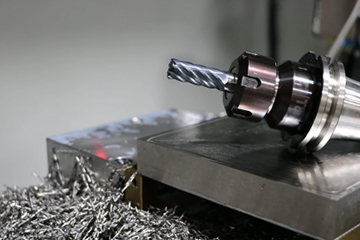
Maintain low surface speeds (30-60 m/min for Grade 5 with carbide; 60-100 m/min for Grade 2).
Use high, continuous feed rates (0.10-0.25 mm/tooth) to avoid tool rubbing and work-hardening.
Deliver high-pressure flood coolant (minimum 70 bar / 1000 psi) directly to the cutting zone.
Utilize sharp, positive-rake carbide tooling coated with AlTiN or TiAlN to minimize chemical tool wear.
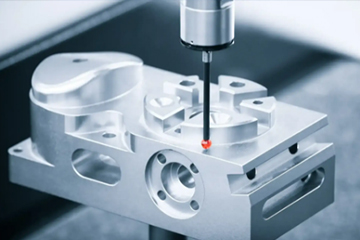
To offload high-tolerance component manufacturing, review our dedicated Titanium CNC Machining Services.
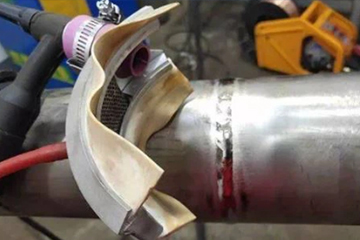
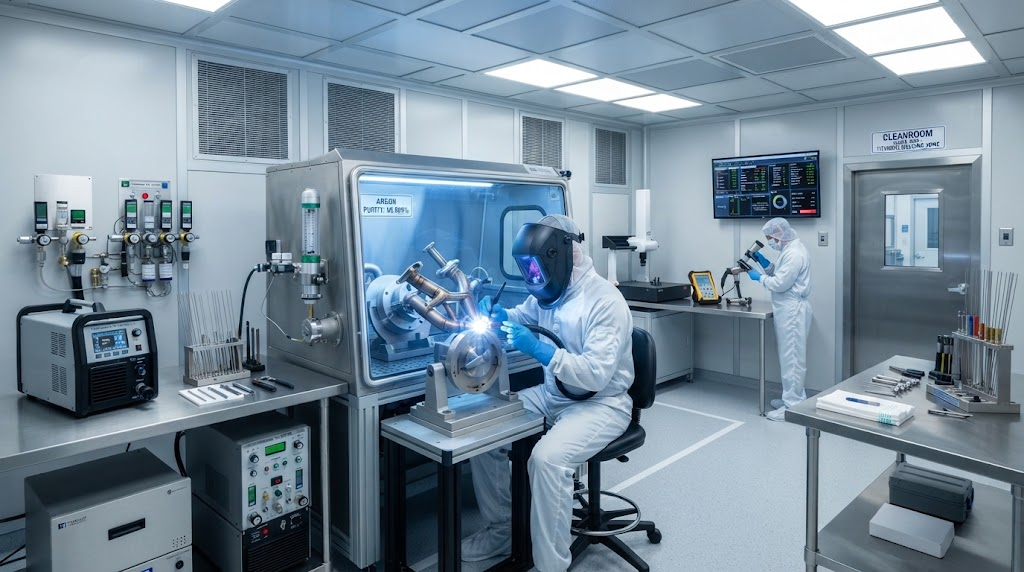
Titanium is highly reactive with oxygen, nitrogen, and hydrogen at temperatures above 400°C (752°F). Welding titanium plate using GTAW (TIG) or laser processes requires ultra-pure argon shielding (≥ 99.999% purity):
Primary Torch Shield: High-purity argon directed over the molten weld pool.
Trailing Shield: Secondary argon shield protecting the cooling weld bead until temperatures drop below 400°C.
Backing Purge: Continuous inert gas purge maintaining an oxygen-free underside on full-penetration joints.
Weld discoloration serves as a direct indicator of weld purity: bright silver indicates acceptable quality, straw-yellow shows minor surface oxidation, while blue, grey, or white powder marks catastrophic embrittlement requiring weld cut-out.
To eliminate material failure risks in critical processing environments, China Titanium Factory executes a standardized 5-step engineering and quality verification methodology for every plate delivery.
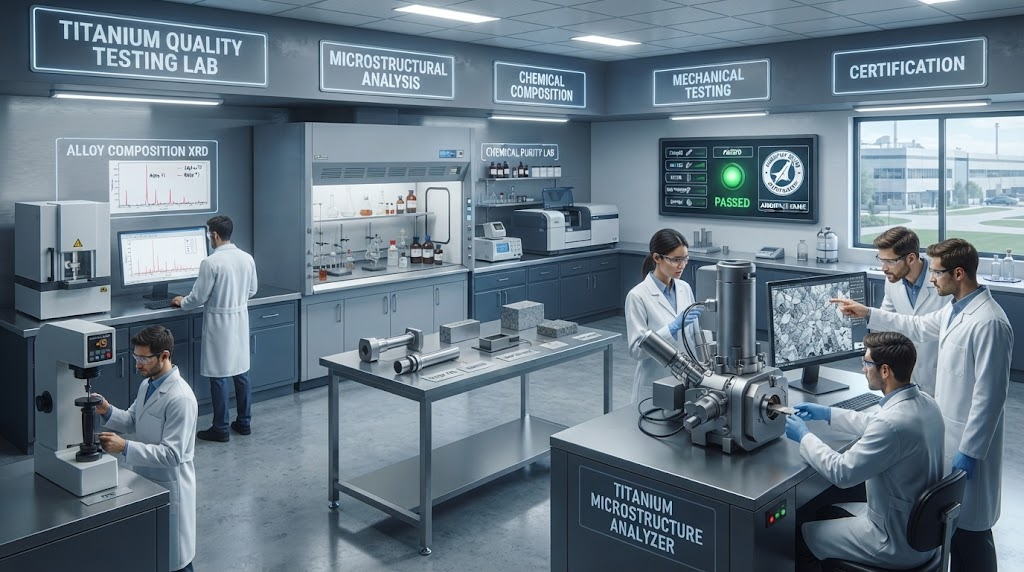
Environmental Chemistry Matching: Our metallurgists analyze operational media (temperatures, chloride concentrations, pH values, redox potentials) to match specific ASTM grades (e.g., specifying Grade 7 or 12 over standard Grade 2 for acidic crevices).
Gauge & Dimensional Tolerance Optimization: Exact rolling schedules minimize unnecessary plate thickness tolerances, reducing raw material weight and structural manufacturing costs.
Mill-Direct Vacuum Arc Remelting (VAR) Control: We enforce double or triple VAR melting cycles to ensure uniform alloy distribution, zero interstitial segregation, and low inclusion counts.
Level II Ultrasonic Defect Scanning: Every plate over 6 mm undergoes 100% immersion or contact ultrasonic testing (UT) per ASTM A578 Level B or AMS 2631 to detect internal laminations or micro-voids.
EN 10204 3.1 Traceability Certification: Mill Test Certificates (MTR) document heat numbers, direct spectral chemical analysis, tensile testing, microstructure photos, and dimensional compliance reports.
Grade 2 is Commercially Pure (CP) unalloyed titanium offering superior formability, high cold-bend elongation (≥ 20%), and excellent chemical corrosion resistance. Grade 5 (Ti-6Al-4V) is a heat-treatable alpha-beta alloy with more than double the mechanical yield strength (828 MPa vs 275 MPa), making it the standard choice for load-bearing aerospace and structural defense applications.
Titanium has an average density of 4.51 g/cm³ (0.163 lbs/in³). To calculate plate weight in kilograms:
Weight (kg) = Thickness (mm) × Width (m) × Length (m) × 4.51
For Grade 5 alloy (Ti-6Al-4V), use a density factor of 4.43 g/cm³.
No, titanium cannot be directly fusion-welded to steel or other ferrous alloys using conventional arc welding. Direct fusion causes extremely brittle intermetallic phases (such as FeTi and Fe2Ti) that crack upon cooling. Joining titanium to steel requires explosion-bonded clad transition joints, friction welding, or specialized intermediate diffusion barriers (e.g., vanadium and copper interlayers).
Minimum bend radii depend on grade and thickness. For CP Grade 2 plate under 4.76 mm, the minimum internal bend radius is typically 2.0 to 2.5 times the plate thickness (2.0t-2.5t). For high-strength Grade 5 plate, cold forming requires a minimum bend radius of 4.5t to 5.0t; tighter bends require hot forming at temperatures between 550°C and 650°C.
Every plate order includes an EN 10204 3.1 Mill Test Certificate confirming melting method, ingot heat number, quantitative chemical analysis (C, O, N, H, Fe, and alloying elements), room-temperature tensile/yield data, elongation, bend test results, and Non-Destructive Testing (UT) validation records.



Contact Us
Room 21003, 10th Floor, Unit 2, Building 1, Xianning International Plaza, No.29 Xianning West Road, Beilin District, Xi'an City
Copyright © Xi'an Shiguang Jingyan Technology Co., Ltd. All Rights Reserved.