





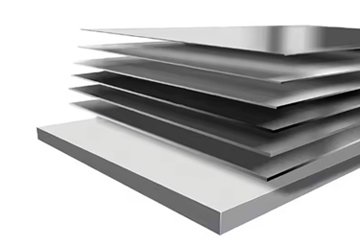

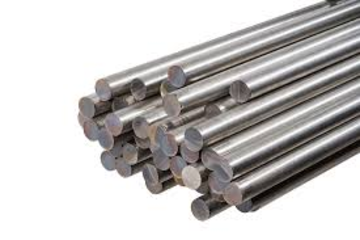














Titanium is a critical engineering material. Its unique properties make it indispensable across many industries. Understanding its various plate grades is crucial for optimal material selection. This guide provides a comprehensive overview. It covers properties, applications, global standards, and expert advice. Engineers and manufacturers will find practical solutions here.
Understanding Titanium Plate Grades: An Essential Overview
Titanium stands as a premier engineering material. It is known for its exceptional strength-to-weight ratio. Furthermore, it offers outstanding corrosion resistance. These attributes make it vital in demanding sectors. Aerospace, medical, and chemical processing industries all rely on it.
Different titanium grades exist to meet varied application requirements. Each grade possesses distinct mechanical and chemical properties. These variations are critical for optimal performance and cost-efficiency.
Titanium plate grades refer to specific classifications of titanium and its alloys. These are defined by their chemical composition, mechanical properties, and intended applications. Standards like ASTM International govern these classifications.
The development of titanium alloys began in the mid-20th century. This led to a structured classification system. The American Society for Testing and Materials (ASTM) plays a key role. ASTM standards, particularly ASTM B265, define the specifications for titanium and titanium alloy plate, sheet, and strip. Understanding these standards is fundamental for material procurement and application.

Commercially Pure Titanium Grades: Properties and Applications
Commercially Pure (CP) titanium grades are unalloyed. They are classified from Grade 1 to Grade 4. The primary difference lies in their oxygen content. Higher oxygen content leads to increased strength but reduced ductility. These grades are renowned for their exceptional corrosion resistance.
Titanium Grade 1
Grade 1 is the softest and most ductile CP titanium. It offers excellent formability and cold working properties. Its corrosion resistance is outstanding. This makes it ideal for applications requiring high ductility. Examples include explosive cladding and deep drawing. It is also suitable for non-critical chemical processing equipment. Grade 1 is a common choice for titanium plate supply where flexibility is key.
Titanium Grade 2
Grade 2 is the most widely used CP titanium. It strikes an optimal balance. It offers good strength, excellent ductility, and superior weldability. Its corrosion resistance is comparable to Grade 1. This versatility makes it suitable for numerous applications. These include heat exchangers, chemical processing vessels, and architectural components. Many industrial titanium fabrication projects utilize Grade 2.
Titanium Grade 3
Grade 3 titanium offers higher strength than Grade 2. It maintains good ductility and excellent corrosion resistance. This grade is often chosen for applications demanding moderate strength. It is used in marine components and certain industrial pressure vessels. Its robust nature provides extended service life.
Titanium Grade 4
Grade 4 is the strongest of the CP titanium grades. It has the highest oxygen content. While offering superior strength, its ductility is lower than other CP grades. This grade is employed where maximum strength and corrosion resistance are paramount. Surgical implants and airframe components are common uses. It is also found in specific chemical process equipment.
Titanium Alloy Grades: Unpacking Ti-6Al-4V (Grade 5) and Beyond
Titanium alloys combine titanium with other elements. These additions enhance specific properties. Elements like aluminum, vanadium, molybdenum, and palladium are common. This creates materials with superior strength, fatigue resistance, and specialized corrosion resistance.
Titanium Grade 5 (Ti-6Al-4V)
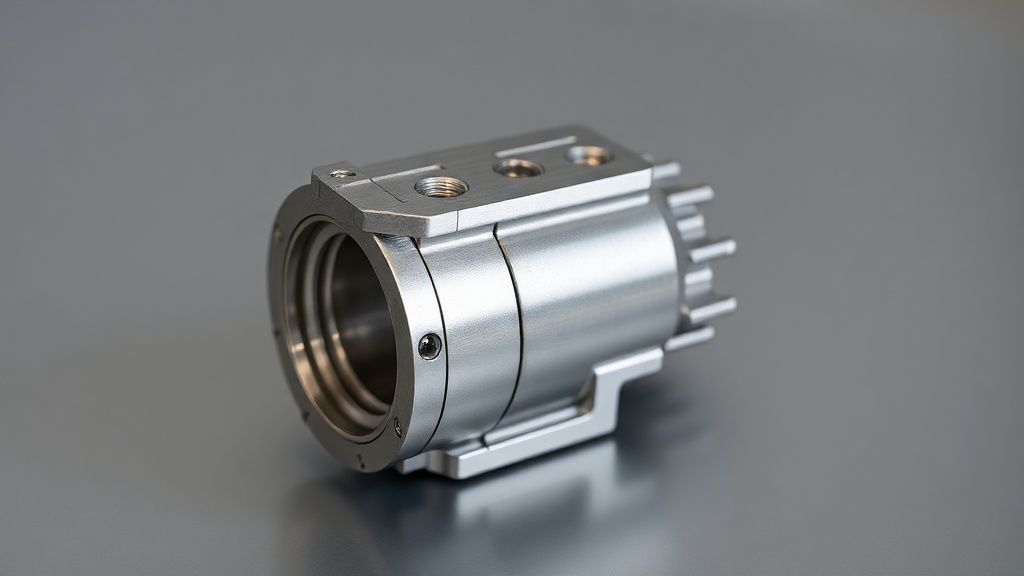
Grade 5, or Ti-6Al-4V, is the most widely used titanium alloy. It accounts for over 50% of all titanium applications. Its composition is 6% aluminum and 4% vanadium. This alloy offers an exceptional strength-to-weight ratio. It also boasts excellent fatigue resistance and good toughness. Furthermore, it is heat treatable, allowing for property optimization.
Applications for Grade 5 are extensive. They include aerospace structural components and engine parts. It is also used in medical implants, sports equipment, and high-performance automotive parts. Its versatility makes it a cornerstone material for advanced engineering. Companies often seek custom titanium solutions using this alloy.
Other Advanced Titanium Alloys
Titanium Grade 7 (Ti-0.15Pd): This alloy contains a small amount of palladium. This significantly enhances its crevice corrosion resistance. It is particularly effective in reducing acids and chlorides. Grade 7 is ideal for chemical processing equipment.
Titanium Grade 9 (Ti-3Al-2.5V): Known as "half-6-4," Grade 9 offers good strength. It also provides excellent cold formability and weldability. It is often used in seamless tubing for aerospace hydraulics. It is also found in sports equipment and bicycle frames.
Titanium Grade 12 (Ti-0.3Mo-0.8Ni): Grade 12 provides enhanced crevice corrosion resistance. It excels in moderately reducing and oxidizing environments. This alloy is stronger than CP grades but more ductile than Grade 5. It is popular in chemical processing, marine, and geothermal applications.
Titanium Grade 23 (Ti-6Al-4V ELI): An Extra Low Interstitial version of Grade 5. It has lower oxygen, nitrogen, and iron content. This results in improved ductility and fracture toughness. Grade 23 is the preferred choice for critical medical implants. It is also used in other demanding biomedical applications.
Comparative Analysis: Strength, Corrosion Resistance, and More Across Titanium Grades
Choosing the correct titanium grade requires careful comparison. Key mechanical and chemical properties differentiate each grade. Understanding these differences is vital for engineering success. This section outlines a rigorous comparison.
Mechanical Properties Comparison
The table below illustrates typical mechanical properties. These values can vary based on specific processing and heat treatment. However, they provide a general guideline for comparison.
| Grade | Yield Strength (min, MPa) | Tensile Strength (min, MPa) | Elongation (min, %) | Hardness (typical, BHN) |
|---|---|---|---|---|
| Grade 1 | 170 | 240 | 24 | 80-120 |
| Grade 2 | 275 | 345 | 20 | 120-180 |
| Grade 3 | 380 | 450 | 18 | 160-220 |
| Grade 4 | 485 | 550 | 15 | 200-260 |
| Grade 5 (Ti-6Al-4V) | 828 | 895 | 10 | 300-380 |
| Grade 7 (Ti-0.15Pd) | 275 | 345 | 20 | 120-180 |
| Grade 12 (Ti-0.3Mo-0.8Ni) | 345 | 485 | 18 | 160-220 |
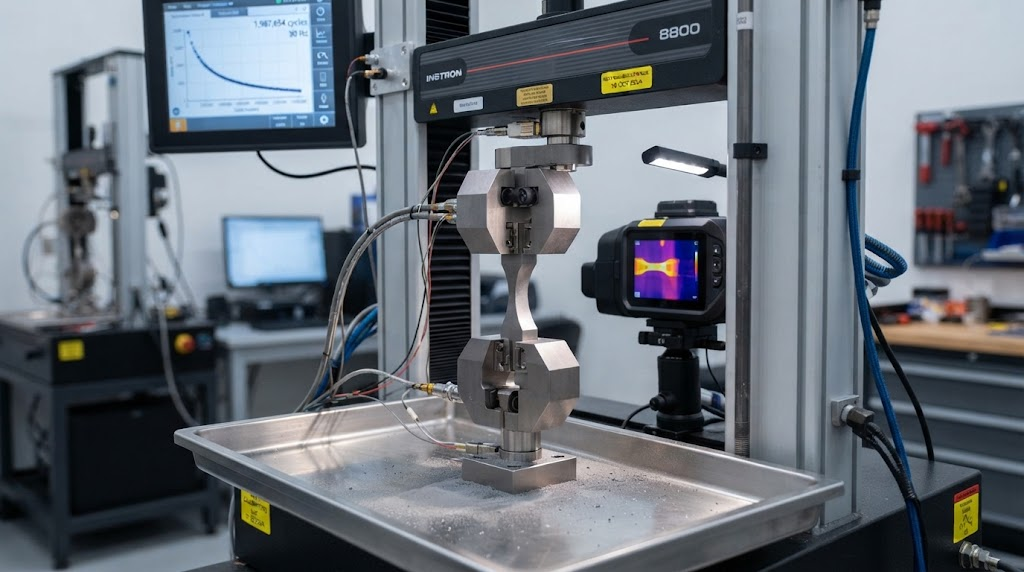
As shown, strength generally increases from Grade 1 to Grade 4. Alloy grades like Grade 5 offer significantly higher strength. However, this often comes with a trade-off in ductility. Elongation values reflect this trend.
Corrosion Resistance Considerations
All titanium grades exhibit excellent general corrosion resistance. This is due to a stable, passive oxide layer. However, performance varies in specific aggressive environments. Grades 1-4 offer strong resistance to oxidizing media. They perform well in seawater and chloride solutions.
For reducing acids or crevice corrosion, alloyed grades are superior. Grade 7 and Grade 12, with palladium and molybdenum/nickel additions, excel here. They provide enhanced resistance where CP grades might struggle. Grade 5, while strong, has similar general corrosion resistance to CP grades. However, its fatigue resistance is significantly higher. This is crucial for dynamic applications.
Selecting the Optimal Titanium Plate Grade for Your Application
Choosing the right titanium grade is a critical decision. It impacts performance, safety, and cost. A systematic approach ensures optimal material selection. Consider the following key factors:
Application Environment and Required Properties
Mechanical Strength: Does your application require high tensile strength or fatigue resistance? Grade 5 (Ti-6Al-4V) is often the answer for high-stress components. For moderate strength with good ductility, Grade 2 or Grade 3 might suffice.
Corrosion Resistance: Evaluate the operating environment. Is it seawater, strong acids, or high-temperature chlorides? CP grades are excellent for general corrosion. For crevice corrosion or reducing acids, consider Grade 7 or Grade 12.
Temperature: Titanium maintains strength at elevated temperatures better than many other metals. However, specific alloys are designed for high-temperature service.
Biocompatibility: For medical implants, biocompatibility is paramount. Grade 23 (Ti-6Al-4V ELI) and Grade 4 are preferred due to their proven safety and performance.
Processing Requirements and Cost Implications
Machinability: CP grades are generally easier to machine than alloys. Grade 5 can be challenging due to its strength. Proper tools and techniques are essential.
Weldability: Most CP grades (especially Grade 2) offer excellent weldability. Some alloys, like Grade 5, require specialized welding procedures to maintain properties.
Formability: Grade 1 and Grade 2 are highly ductile and easily formed. Stronger alloys have reduced formability.
Cost: Generally, CP grades are less expensive than alloys. More specialized alloys with enhanced properties (e.g., Grade 7, Grade 23) carry a higher cost. Balancing performance needs with budget is crucial.
Consulting with material experts is highly recommended. Companies like China Titanium Factory can provide tailored advice. They ensure you select the optimal grade for your specific project needs.
Navigating Global Standards and Certifications for Titanium Plates
Global standards ensure quality, consistency, and interoperability. For titanium plates, adherence to these specifications is non-negotiable. They guarantee that materials meet strict performance criteria. This is crucial for critical applications worldwide.
Key International Standards
ASTM International: The primary standard for titanium in North America. ASTM B265 specifically covers titanium and titanium alloy plate, sheet, and strip. It defines chemical composition, mechanical properties, and testing requirements for various grades.
ISO (International Organization for Standardization): ISO standards provide global consistency. ISO 5832-2 and ISO 5832-3 specify titanium for surgical implants. These ensure biocompatibility and mechanical integrity.
AMS (Aerospace Material Specifications): Developed by SAE International. AMS specifications are critical for aerospace applications. They often impose tighter controls than general ASTM standards. For example, AMS 4911 covers Ti-6Al-4V sheet, strip, and plate.
DIN (Deutsches Institut für Normung): German industrial standards. While less globally dominant for titanium, they are still relevant in some European contexts.
Compliance with these standards is a mark of quality. It ensures material reliability and traceability. When sourcing titanium, always verify the relevant certifications. Reputable suppliers, such as China Titanium Factory, provide full material certifications (MTRs). These documents confirm adherence to specified standards.
Processing Titanium: Machining, Welding, and Heat Treatment
Fabricating titanium plates presents unique challenges. Its high strength, low thermal conductivity, and chemical reactivity require specialized techniques. Proper processing is essential to maintain material integrity and performance.
Machining Titanium Plates
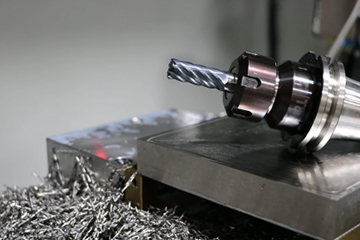
Titanium's low modulus of elasticity can lead to spring-back. Its chemical reactivity also causes tool wear. Use sharp, rigid tools and low cutting speeds. High feed rates and ample coolant are also critical. This prevents work hardening and overheating. For complex parts, precision CNC machining is often employed.
Welding Titanium Alloys
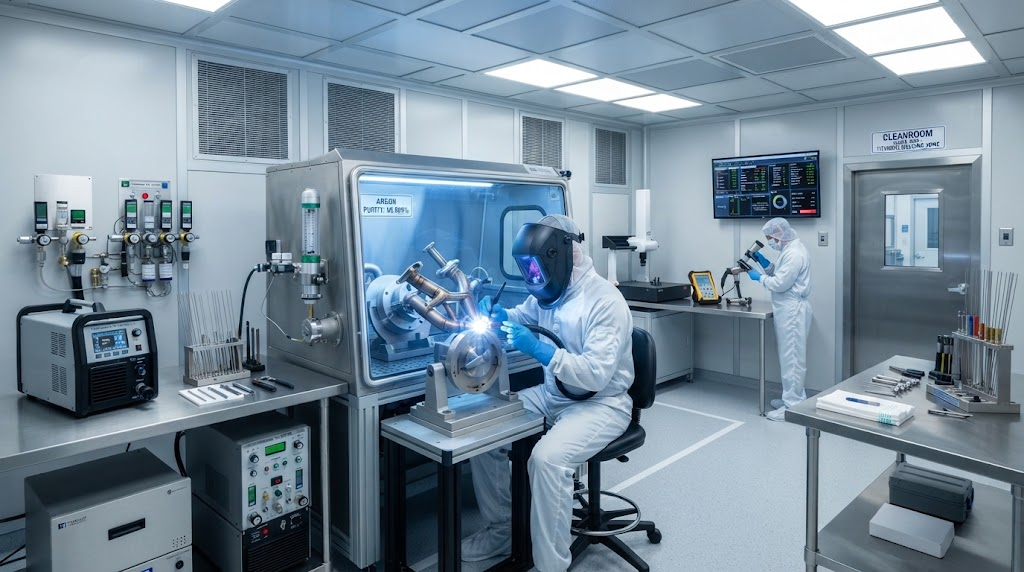
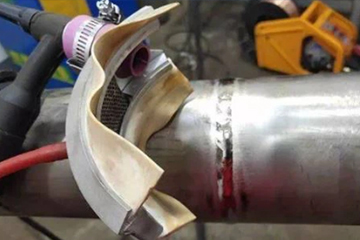
Titanium reacts readily with oxygen, nitrogen, and hydrogen at elevated temperatures. This contamination can severely embrittle welds. Inert gas shielding is therefore mandatory. TIG (Gas Tungsten Arc Welding) and plasma welding are common methods. Laser welding offers high precision for thin sections. Always ensure a clean environment and proper shielding gas coverage. This applies to both the weld pool and heat-affected zones.
Titanium Heat Treatment
Heat treatment processes optimize mechanical properties. Annealing reduces residual stresses and improves ductility. Solution treatment and aging (STA) increase strength and hardness in alloys like Grade 5. The specific temperature and time cycles depend on the grade. They also depend on the desired final properties. Vacuum or inert atmosphere furnaces are typically used to prevent contamination.
Titanium in Action: Real-World Applications and Case Studies
Titanium's unique properties enable its use in diverse, high-stakes applications. Its performance consistently solves complex engineering challenges. Here are examples across various sectors.
Aerospace and Defense
Titanium's high strength-to-weight ratio is vital for aircraft. Grade 5 (Ti-6Al-4V) is extensively used for airframes, landing gear, and engine components. Its resistance to fatigue and high temperatures ensures reliability. Modern jet engines feature numerous titanium alloy parts. These contribute to fuel efficiency and performance. Without titanium, many aerospace designs would be heavier and less efficient.
Medical and Biomedical
Biocompatibility makes titanium ideal for medical implants. Grade 23 (Ti-6Al-4V ELI) is the standard for orthopedic implants. This includes hip and knee replacements. Dental implants and surgical instruments also use titanium. Its non-toxic nature and resistance to bodily fluids are critical. Titanium promotes osseointegration, allowing bone to grow directly onto the implant surface.
Chemical Processing and Marine
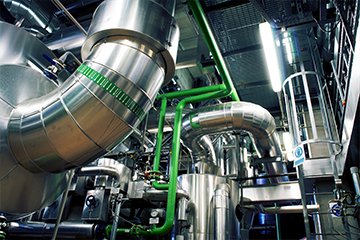
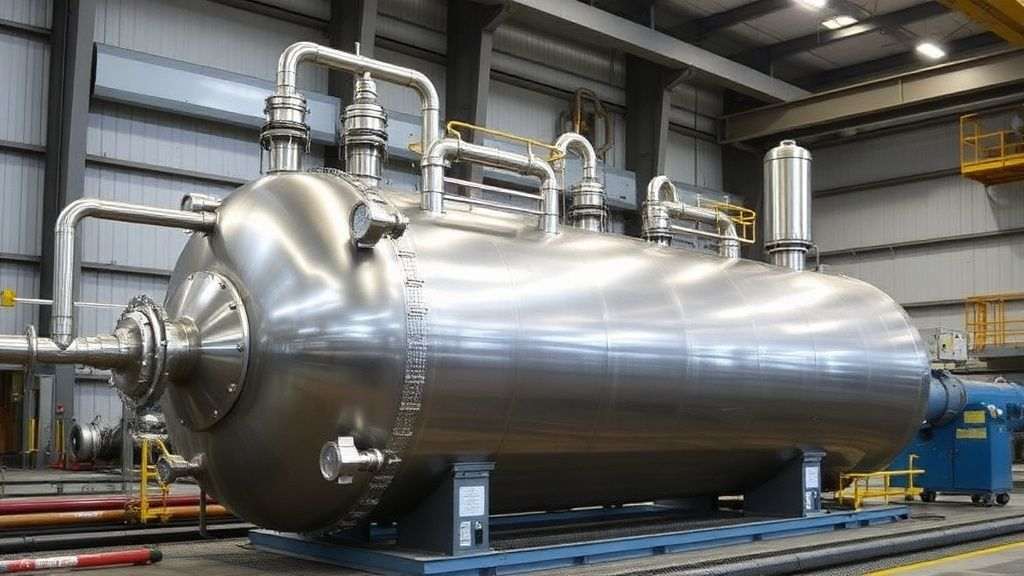
Corrosion resistance makes titanium invaluable in harsh environments. CP grades (especially Grade 2) are used for heat exchangers and tanks. They handle corrosive media like chlorine and nitric acid. Grade 7 and Grade 12 excel in more aggressive chemical processes. In marine applications, titanium resists saltwater corrosion. It is used for offshore platforms, submarine components, and desalination plants.
A notable case is the use of titanium in the chemical industry. A major chemical plant replaced stainless steel heat exchangers. They opted for Grade 2 titanium. This significantly extended operational life. It reduced maintenance costs and downtime. This decision prevented frequent failures caused by chloride-induced stress corrosion cracking. This demonstrates titanium's long-term economic benefits.
Automotive and Sports
Lightweight and strong, titanium improves performance. Grade 5 is used in high-performance racing components. These include connecting rods and exhaust systems. Its use reduces weight and improves engine response. In sports, titanium is found in golf clubs, bicycle frames, and tennis rackets. It offers a blend of strength, flexibility, and vibration dampening.
Visualizing Titanium: Interactive Grade Selector & Property Charts
Complex material data can be challenging to interpret. Interactive tools and visual aids simplify the selection process. They make technical information more accessible and actionable. This helps engineers make informed decisions quickly.
Interactive Grade Selector Tools
An online grade selector can revolutionize material sourcing. Users input desired properties or application criteria. The tool then filters and recommends suitable titanium grades. This drastically reduces research time. It ensures that the chosen material meets specific needs. Such a tool can be found on leading supplier websites. It streamlines the initial selection phase.
Dynamic Property Charts and Infographics
Visual charts compare mechanical properties side-by-side. Infographics highlight key differences in corrosion resistance. They can also illustrate cost factors. These visual representations quickly convey complex data. They aid in understanding trade-offs between strength, ductility, and specialized resistance. Clear visuals support better decision-making. They make it easier to compare options from various titanium products.
Frequently Asked Questions About Titanium Plate Grades
What is the difference between commercially pure and alloy titanium?
Commercially Pure (CP) titanium contains at least 99% titanium. Its grades (Grade 1-4) vary primarily by oxygen content. They offer excellent corrosion resistance and good formability. Titanium alloys, like Grade 5 (Ti-6Al-4V), include other elements. These additions enhance strength, fatigue resistance, and specific corrosion properties. Alloys are generally stronger but less ductile than CP grades.
Why is Titanium Grade 5 (Ti-6Al-4V) so widely used?
Titanium Grade 5 is popular due to its exceptional balance of properties. It offers a high strength-to-weight ratio. It also provides good toughness and excellent fatigue resistance. Its heat treatability allows for property optimization. This makes it versatile for aerospace, medical, and high-performance industrial applications. It represents a significant advancement over CP titanium in terms of mechanical performance.
Which titanium grade is best for corrosion resistance in harsh chemicals?
For extremely corrosive chemical environments, particularly those involving reducing acids or crevice corrosion, Grade 7 (Ti-0.15Pd) and Grade 12 (Ti-0.3Mo-0.8Ni) are highly recommended. These alloys are specifically engineered with palladium or molybdenum/nickel additions. These elements significantly enhance their resistance in such aggressive conditions. CP Grade 2 is excellent for general corrosion in many common media.
How do I ensure I am getting certified titanium plates?
Always purchase titanium from reputable suppliers. Request a Material Test Report (MTR) or Certificate of Conformance. This document verifies the material's chemical composition and mechanical properties. It also confirms compliance with relevant standards (e.g., ASTM B265, AMS). This ensures traceability and quality assurance. China Titanium Factory provides comprehensive certifications for all its products.
What are the main challenges in processing titanium?
Titanium presents several processing challenges. Its low thermal conductivity can cause localized heating and tool wear during machining. Its high reactivity with atmospheric gases requires inert gas shielding during welding. Furthermore, its tendency to work harden can complicate forming operations. Specialized tools, controlled environments, and expert techniques are necessary for successful fabrication. This ensures the integrity of the finished product.
Partner with Titanium Experts for Your Project
Navigating the complexities of titanium plate grades requires expertise. Trust a partner with deep knowledge and a commitment to quality. China Titanium Factory offers a comprehensive range of certified titanium plates. We provide unparalleled technical support. Ensure your project benefits from the right material selection and superior fabrication.
Get a Quote Today