








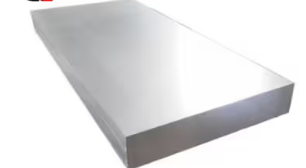









Understanding Titanium Plate: Properties and Market Significance
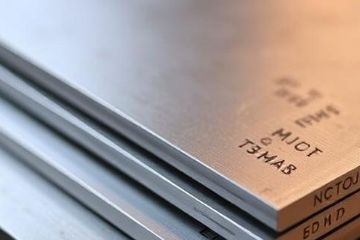
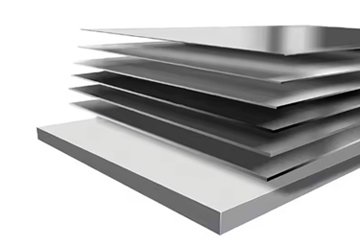
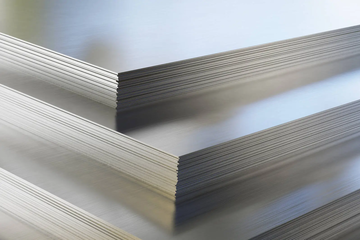
Titanium plate is a crucial material across many high-performance industries. Its unique properties define its value proposition.
This material offers an exceptional strength-to-weight ratio. It also provides outstanding corrosion resistance, especially in harsh environments. Furthermore, titanium is renowned for its biocompatibility, making it safe for medical uses.
These characteristics make titanium plate indispensable. It serves critical roles in aerospace, medical, marine, and chemical processing sectors. Understanding these attributes is key to assessing its cost implications.
Key Factors Influencing Titanium Plate Pricing
The cost of titanium plate is complex. Several intertwined factors determine its market price. These include raw material availability, manufacturing intensity, and global market dynamics.
Procurement specialists must understand these elements. This knowledge enables informed purchasing decisions. It ensures optimal value for industrial applications.
Raw Material Prices and Global Market Dynamics
Titanium begins as ore, primarily ilmenite and rutile. The extraction and initial processing of these ores are energy-intensive. This directly impacts the base cost of titanium.
Global supply and demand also play a significant role. Market fluctuations, geopolitical events, and trade policies influence pricing. For instance, disruptions in major mining regions can cause price spikes. According to the U.S. Geological Survey, titanium sponge production and consumption rates directly affect market stability.
Buyers must monitor these global trends closely. They inform strategic procurement timing. This helps to secure the most favorable pricing.

Manufacturing Processes and Production Efficiency
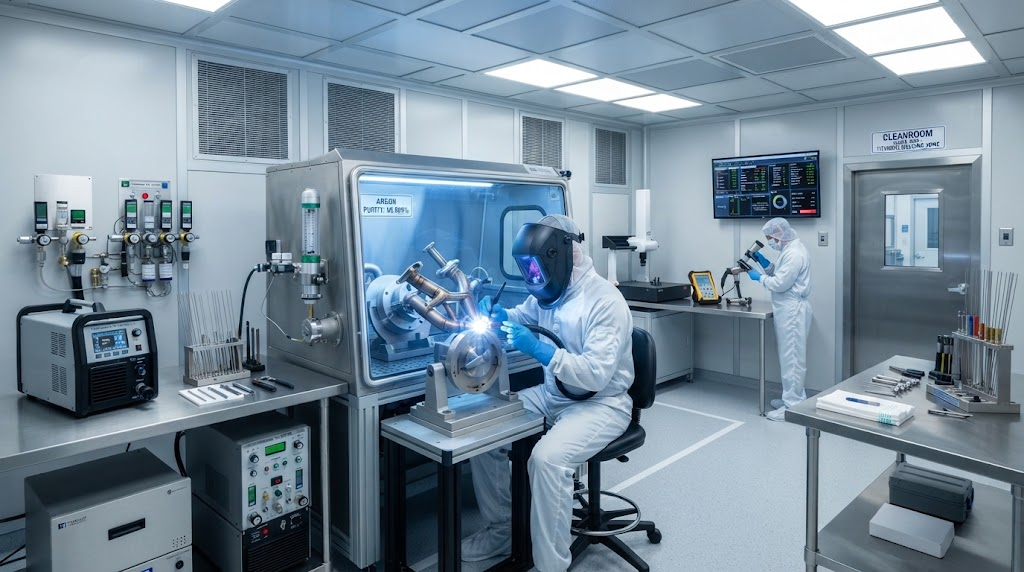
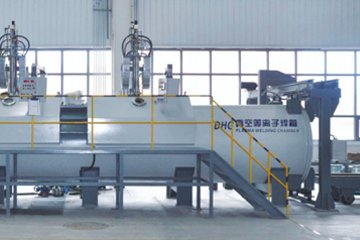
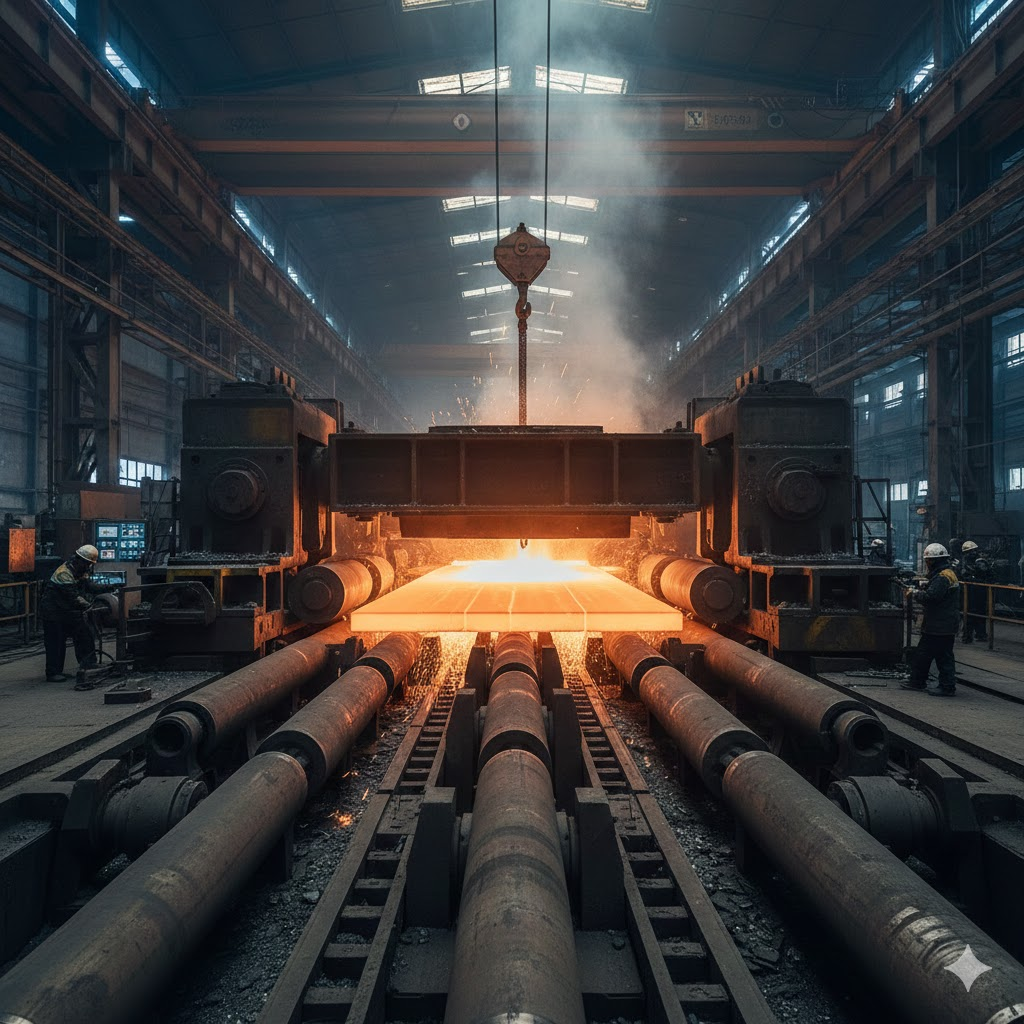
Transforming raw titanium into finished plate is a complex process. It involves multiple stages, including melting, forging, and rolling. Each step demands specialized equipment and significant energy input.
Vacuum Arc Remelting (VAR) is a common method for producing high-quality ingots. Subsequent hot and cold rolling shapes the material into plates. Advanced manufacturing techniques enhance efficiency. They also ensure superior material properties.
High production efficiency and stringent quality control reduce waste. This, in turn, helps to manage overall manufacturing costs. Expertise in these processes is critical for cost-effective production.
Titanium Alloy Grades and Specifications: Cost Implications
Different titanium alloy grades come with varying price points. Commercially Pure (CP) titanium, like Grade 1 or Grade 2, is generally less expensive. These grades offer excellent corrosion resistance and ductility.
However, alloys such as Ti-6Al-4V (Grade 5) are more costly. This alloy contains aluminum and vanadium. It provides superior strength and heat resistance. Specific technical requirements, such as surface finish or tight tolerances, also increase costs.
Choosing the correct grade is vital for balancing performance and budget. China Titanium Factory offers a range of grades. This ensures suitability for diverse applications.
| Grade | Key Characteristics | Typical Applications | Relative Cost |
|---|---|---|---|
| Grade 1 (CP) | Highest ductility, excellent corrosion resistance | Chemical processing, marine, medical tubing | Lower |
| Grade 2 (CP) | Good strength, excellent formability, corrosion resistance | Heat exchangers, architecture, power generation | Medium-Low |
| Grade 5 (Ti-6Al-4V) | High strength, good toughness, excellent fatigue resistance | Aerospace, medical implants, automotive | Higher |
Market Demand, Supply Chain, and Geopolitical Influence
Global industrial demand significantly impacts titanium plate prices. Industries like aerospace, defense, and energy drive substantial demand. Economic growth often correlates with increased titanium consumption.
Supply chain resilience is another critical factor. Disruptions, such as natural disasters or pandemics, can limit supply. This leads to increased prices and longer lead times. Geopolitical events also introduce volatility.
Trade tariffs or international conflicts can restrict material flow. This creates uncertainty in the global metal markets. Buyers must assess these risks for stable procurement strategies.
Titanium Plate: Cost-Benefit Analysis Against Other Industrial Metals
Titanium often has a higher upfront cost compared to other metals. However, its superior performance offers significant long-term value. A thorough cost-benefit analysis is essential.
Engineers and procurement specialists must consider total cost of ownership (TCO). This includes purchase price, maintenance, and lifespan. Titanium's durability frequently justifies its initial investment.
Titanium vs. Stainless Steel: A Cost and Performance Outlook
Stainless steel is widely used due to its lower initial price. It offers good corrosion resistance and strength. However, titanium surpasses stainless steel in several key areas.
Titanium boasts exceptional corrosion resistance, especially in chloride environments. It also has a superior strength-to-weight ratio. For applications requiring extreme durability or lightweighting, titanium's lifecycle cost often proves more economical. Reduced maintenance and longer service life offset the higher initial expenditure.
Comparing Titanium and Aluminum: Price, Weight, and Application Suitability
Aluminum is known for its lightweight properties and lower cost. It is a common choice for many lightweighting strategies. However, titanium offers distinct advantages in demanding applications.
Titanium maintains strength at higher temperatures than aluminum. It also exhibits far greater corrosion resistance. For high-strength, high-temperature, or corrosive environments, titanium is the preferred material. Comparing titanium to other metals reveals its unique niche. This makes it indispensable where aluminum falls short.
Titanium vs. Inconel: High-Performance Material Cost Considerations
Inconel is a superalloy, designed for extreme high-temperature and corrosive applications. Its cost is significantly higher than titanium. Both are premium materials, but serve different niches.
Titanium excels in strength-to-weight and moderate high-temperature uses. Inconel is chosen for environments where titanium's temperature limits are exceeded. This includes certain jet engine components or extreme chemical processing. The justification for Inconel's premium cost lies in its unparalleled performance under the most severe conditions.
The Economic Value Proposition of Titanium: Beyond Initial Purchase Price
The true economic value of titanium extends beyond its initial purchase. Its exceptional durability leads to reduced maintenance costs. Components made from titanium last longer, requiring fewer replacements.
This extended service life minimizes downtime. It also enhances overall operational efficiency. For instance, in marine applications, titanium heat exchangers resist corrosion for decades. This significantly outperforms cheaper alternatives. The total cost of ownership (TCO) often favors titanium. It delivers superior long-term performance and savings.
Strategic Sourcing: Navigating the Procurement of Titanium Plate
Effective procurement of titanium plate requires a strategic approach. Industrial buyers must optimize value and ensure consistent supply. This involves careful supplier selection and quality assurance.
Understanding market dynamics also guides purchasing decisions. Engaging with experienced manufacturers can streamline this process. It helps secure high-quality materials at competitive prices.

Identifying Reputable Titanium Plate Suppliers and Manufacturers
Selecting the right supplier is paramount. Reputable manufacturers demonstrate consistent quality and reliability. Look for industry certifications like ISO 9001 and AS9100. These indicate adherence to rigorous quality standards.
Assess their global reach and production capabilities. A strong track record and positive industry reputation are key indicators. China Titanium Factory exemplifies a global leader. They provide high-quality titanium products worldwide.
Bulk Purchasing and Custom Orders: Impact on Unit Cost
Bulk purchasing often leads to significant cost savings. Manufacturers can offer discounts for larger order quantities. This is due to economies of scale in production and logistics.
Custom orders, however, may incur higher unit costs. Specialized dimensions, unique alloys, or specific finishes require additional setup and processing. Buyers must weigh the benefits of customization against potential price increases. Optimizing order quantities is a crucial procurement strategy.
Quality Control and Certification: Ensuring Value and Performance
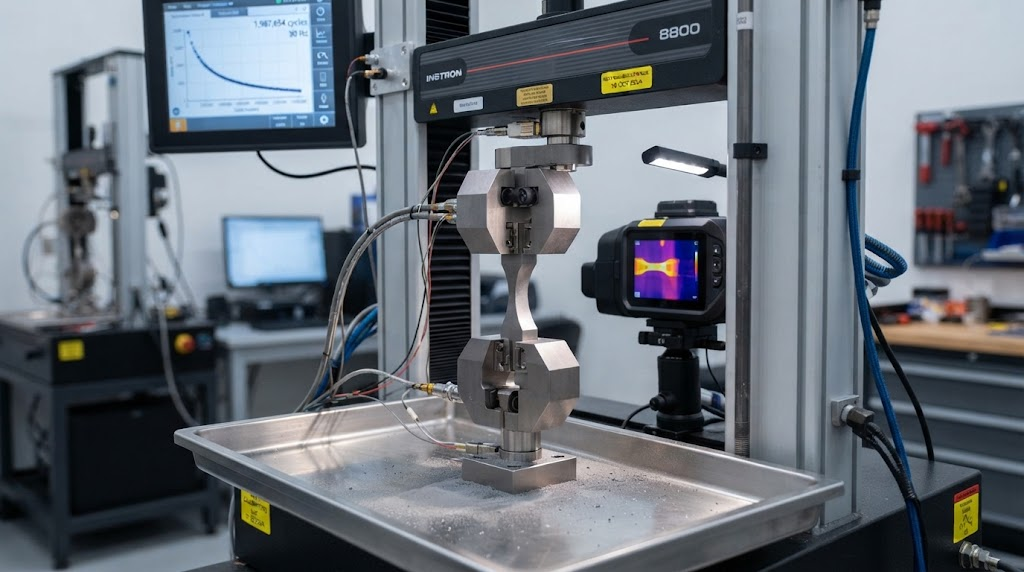
Stringent quality control is non-negotiable for titanium plate. It ensures the material meets critical performance specifications. Certifications, such as ASTM and AMS standards, verify material integrity.
ASTM (American Society for Testing and Materials): An international standards organization that develops and publishes voluntary consensus technical standards for a wide range of materials, products, systems, and services.
Adherence to these standards guarantees reliability and safety. It also justifies the material's cost. Always request full material certifications from your supplier. This provides proof of quality and compliance.
Leveraging Market Data and Supplier Reviews for Informed Decisions
Data-driven procurement leads to better outcomes. Utilize real-time market data to track price trends. This helps anticipate market shifts and negotiate effectively.
Comprehensive supplier reviews offer valuable insights. They reveal a supplier's reliability, service quality, and product consistency. Combining market intelligence with peer feedback empowers informed purchasing decisions. It minimizes risks and maximizes value.
Where Titanium Plate Shines: Applications and Justifying the Investment
Titanium plate excels in applications where other materials fail. Its unique properties provide critical advantages. These benefits often outweigh the higher initial investment.
From aerospace to medical, titanium ensures superior performance. It delivers reliability and extended service life. This section explores key industries where titanium is indispensable.
Aerospace Industry: Critical Performance and Cost Justification
Titanium is vital for the aerospace industry. Its high strength-to-weight ratio reduces aircraft weight. This leads to significant fuel efficiency savings. It also enhances payload capacity.
Components like airframes, landing gear, and engine parts rely on titanium. Its fatigue resistance ensures long-term structural integrity. In high-stakes aerospace applications, the cost of titanium is justified. It directly contributes to safety and operational efficiency.
Medical Implants: Biocompatibility and Long-Term Value
Titanium is the material of choice for medical implants. Its exceptional biocompatibility means it is non-toxic. The human body readily accepts it without adverse reactions.
It is used in prosthetics, dental implants, and surgical instruments. Its durability ensures long-term performance within the body. The long-term value for patient safety and health is immeasurable. This makes titanium an essential investment in healthcare. Research consistently highlights titanium's role in successful medical devices, as noted by sources like National Institutes of Health (NIH) studies.
Marine and Offshore Applications: Corrosion Resistance in Harsh Environments
The marine environment is notoriously corrosive. Saltwater can rapidly degrade many metals. Titanium offers superior resistance to saltwater corrosion and biofouling.
This makes it ideal for offshore structures, submersibles, and heat exchangers. Its extended service life in these harsh conditions minimizes maintenance. It also prevents costly replacements. The investment in titanium ensures long-term operational reliability at sea.
Chemical Processing Industry: Durability in Corrosive Media
The chemical processing industry deals with aggressive media. Acids, chlorides, and other corrosive substances are common. Titanium's resistance to these chemicals is unparalleled.
It is used for reactors, tanks, piping systems, and valves. This ensures the longevity and safety of critical infrastructure. The durability of titanium prevents hazardous leaks and costly failures. Its role in this industry is crucial for operational integrity. You can explore more titanium applications on our website.
Emerging Applications and Future Cost Trends
Titanium's versatility continues to drive new applications. Additive manufacturing (3D printing) uses titanium for complex, lightweight parts. The automotive sector is exploring titanium for high-performance vehicles.
Future cost trends will be influenced by technological advancements. Increased recycling efforts could also stabilize prices. As sustainability becomes more critical, titanium's long lifespan offers environmental benefits. These innovations will shape titanium's market value going forward.

Frequently Asked Questions About Titanium Plate Costs
Why is titanium plate more expensive than steel?
Titanium plate is more expensive due to several factors. These include higher raw material costs and complex extraction processes. Its specialized manufacturing, requiring vacuum melting and precise rolling, also contributes. Steel, in contrast, is more abundant and simpler to process.
How do different titanium grades affect cost?
Different grades have varying costs based on their alloy composition and processing. Commercially Pure (CP) grades (e.g., Grade 1, Grade 2) are typically less expensive. They require less complex alloying. Alloyed grades like Ti-6Al-4V (Grade 5) contain additional elements. These enhance strength and heat resistance, leading to higher prices.
Can I reduce titanium plate costs through bulk purchasing?
Yes, bulk purchasing often results in lower unit costs. Suppliers can offer discounts due to economies of scale. This reduces manufacturing and shipping expenses per unit. Strategic buyers leverage larger orders to optimize their budget.
What is the long-term value of investing in titanium plate?
The long-term value of titanium plate is significant. Its superior corrosion resistance and durability reduce maintenance. It also extends service life. This minimizes replacement costs and operational downtime. The total cost of ownership (TCO) often makes titanium a more economical choice over time.
How do I ensure I am getting quality titanium plate?
To ensure quality, always choose reputable suppliers. Verify their industry certifications, such as ASTM and ISO standards. Request full material test reports and certifications with your order. This confirms the material meets specified performance and purity requirements.
Partner with a Global Leader in Titanium Solutions
Ready to source high-quality titanium plate for your critical applications? China Titanium Factory offers unparalleled technical expertise, global leadership, and reliable supply. Our commitment to efficiency and customer satisfaction ensures you receive the best materials and service.
Get a Quote Today