



























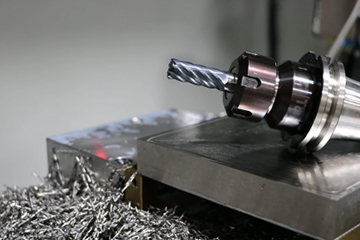


Titanium Plate Medical Implants: The Foundation of Modern Biocompatibility
Medical implantology has undergone a profound transformation. This evolution is largely thanks to the strategic adoption of advanced materials. Among these, titanium plate implants stand out as a cornerstone.
They offer an unparalleled combination of properties. These attributes are critical for long-term success within the human body. The primary advantage lies in their exceptional biocompatibility. This characteristic defines their significance.
It underpins their widespread use across diverse medical fields. From orthopedics to dentistry, titanium is the material of choice. Understanding medical device biocompatibility is key. It explains titanium's pivotal role in patient care.
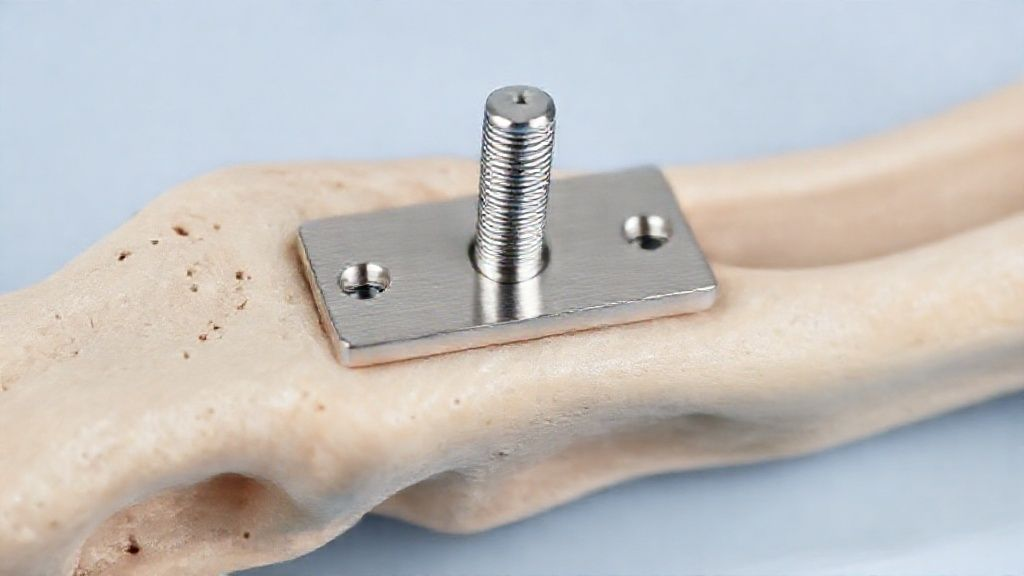
Unpacking Biocompatibility: How Titanium Interacts with the Human Body
The success of any implant hinges on its interaction with living tissue. This interaction is precisely what biocompatibility addresses.
Biocompatibility: The ability of a material to perform with an appropriate host response in a specific application. This means it causes no toxic, injurious, or immunological response in the body.
Titanium exhibits remarkable titanium biocompatibility definition in practice. It forms a stable oxide layer upon exposure to air or bodily fluids. This passive layer is inert. It prevents the release of ions that could trigger adverse reactions.
The body perceives titanium as less foreign. This leads to a process called osseointegration. It is a direct structural and functional connection. Bone grows directly onto the implant surface. This creates a strong, stable bond.
Scientists have extensively studied the osseointegration mechanism. It is crucial for long-term implant stability. Research published in the Journal of Functional Biomaterials highlights titanium's unique surface properties. These properties facilitate cellular adhesion and differentiation. This promotes new bone formation.
The biological response to titanium is favorable. The immune system interaction is minimal. This reduces inflammation and rejection rates. Extensive in-vivo studies titanium confirm these findings. They demonstrate titanium's safety and efficacy in various biological environments.
The Material Advantage: Properties of Titanium for Medical Excellence
Beyond biocompatibility, titanium possesses a suite of physical properties. These make it uniquely suited for medical implants. Its titanium mechanical properties are outstanding. It offers high strength-to-weight ratio. This allows for robust yet lightweight implants.
The material also boasts exceptional corrosion resistance implants. This is vital in the corrosive environment of the human body. Titanium withstands bodily fluids. It does not degrade or leach harmful substances. This ensures implant longevity and patient safety.
Many implants utilize titanium alloys medical grades. Ti-6Al-4V (Grade 5) is particularly common. This alloy combines titanium with aluminum and vanadium. It offers enhanced strength and fatigue resistance. These properties are critical for load-bearing applications.
Consider the comparison implant materials. Stainless steel and cobalt-chrome alloys were once prevalent. However, titanium surpasses them in several aspects. Titanium's lower modulus of elasticity is an advantage. It is closer to bone. This reduces stress shielding, a common problem with stiffer materials.
Here is a brief comparison:
| Property | Titanium (e.g., Ti-6Al-4V) | Stainless Steel (316L) | Cobalt-Chrome |
|---|---|---|---|
| Biocompatibility | Excellent | Good | Good |
| Corrosion Resistance | Excellent | Good | Excellent |
| Strength-to-Weight Ratio | High | Moderate | High |
| Modulus of Elasticity (closer to bone) | Low/Moderate | High | High |
The optimal density of titanium further supports its use. It provides necessary structural integrity without excessive weight. This contributes to patient comfort and mobility.
Diverse Applications: Where Titanium Plates Transform Patient LivesThe versatility of titanium plates is truly remarkable. They are crucial across numerous medical specialties. In orthopedics, titanium orthopedic implants are commonplace. They support fractured bones. They also replace damaged joints. Examples include hip, knee, and shoulder prostheses.
Spinal fusion plates are another critical application. These plates stabilize the spine. They promote bone growth between vertebrae. This alleviates chronic back pain. They restore spinal integrity.
Dentistry relies heavily on dental implant applications. Titanium dental implants replace missing teeth. They fuse directly with the jawbone. This provides a stable foundation for crowns or bridges. Their success rate is exceptionally high.
Complex facial reconstructions also benefit. Craniofacial surgery titanium plates repair bone defects. These can result from trauma, disease, or birth defects. They restore facial structure and function. This significantly improves patients' quality of life.
The extensive range of medical device uses for titanium is growing. From cardiovascular stents to prosthetic limbs, titanium's impact is profound. It demonstrates the material's adaptability and crucial role in modern medicine.
Ensuring Trust and Safety: Regulatory Standards for Titanium Implants
The manufacturing of medical implants demands stringent oversight. Medical implant regulations are robust and comprehensive. They ensure patient safety and product efficacy. These frameworks are global in scope.
In the United States, FDA approval titanium devices undergo rigorous testing. The Food and Drug Administration (FDA) scrutinizes every aspect. This includes material composition, design, and manufacturing processes. These strict controls guarantee reliability.
Internationally, ISO standards implants provide guidelines. ISO 13485 specifies requirements for a quality management system. It is specifically for medical devices. ISO 5832-2 defines unalloyed titanium for surgical implants. The International Organization for Standardization (ISO) ensures global consistency.
The CE marking medical devices is essential for sales in Europe. It signifies conformity with health, safety, and environmental protection standards. Manufacturers must adhere to these directives. This ensures products meet high safety benchmarks.
Quality assurance is paramount at every stage. From raw material sourcing to final product inspection. Companies like China Titanium Factory prioritize quality control. This commitment ensures that every titanium implant meets the highest global standards. It builds trust in the medical community.
Beyond the Surface: Innovations in Enhancing Titanium Biocompatibility
While titanium is highly biocompatible, continuous innovation strives for even better integration. Titanium surface modification techniques are at the forefront of this effort. These techniques alter the implant surface. They promote faster and stronger bone growth.
One common approach involves applying biocompatible coatings. Hydroxyapatite coating is a prime example. Hydroxyapatite is a mineral naturally found in bone. Coating titanium with it mimics the natural bone structure. This encourages osteoblast adhesion and proliferation.
Anodization titanium processes also enhance surface properties. They create a thicker, more porous oxide layer. This layer can improve cellular response. It also provides a better substrate for coatings.
Nanotechnology implants represent a cutting-edge frontier. Creating nano-scale textures on titanium surfaces can influence cell behavior. This promotes optimal tissue integration. It also helps reduce infection risks. These advancements accelerate healing processes significantly.
These innovations exemplify a commitment to improving patient outcomes. They push the boundaries of what titanium implants can achieve. Manufacturers, including those providing custom titanium solutions, are continually adopting these methods.
Real-World Impact: Clinical Evidence and Long-Term Patient Outcomes
The theoretical advantages of titanium are well-supported by practice. Titanium implant clinical studies consistently demonstrate high success rates. These studies span decades and various applications. They provide compelling evidence of efficacy.
For instance, dental implants show over a 95% success rate over 10 years. This highlights exceptional long-term implant success. Orthopedic implants also exhibit remarkable durability. Many last 15-20 years or more. This significantly improves patients' mobility and quality of life.
Numerous case studies medical implants showcase successful patient recoveries. These range from complex spinal fusions to intricate facial reconstructions. Patients report high satisfaction. They experience reduced pain and restored function.
Long-term patient outcomes titanium implants are well-documented. Data consistently indicates low rates of complications. This includes infections or implant loosening. This reliability is a testament to titanium's suitability.
The extensive implant longevity data reinforces confidence. Titanium remains the gold standard for implant materials. Its proven track record is unmatched. It continues to transform lives globally.
Navigating Challenges: Addressing Potential Drawbacks and Future SolutionsDespite its many advantages, titanium is not without considerations. One known issue involves MRI artifacts titanium implants can cause. Titanium, while non-ferromagnetic, can still distort MRI images. This makes post-operative imaging challenging in some cases.
The cost of titanium implants can also be higher initially. This is compared to some alternative materials. This initial investment, however, is often offset. It is balanced by long-term success and reduced revision surgeries.
Potential implant complications are rare but exist. These include localized allergic reactions or mechanical failure. However, these are often attributed to surgical technique or patient factors. They are not inherent material flaws.
Ongoing research focuses on mitigating these drawbacks. New alloys and coatings aim to reduce imaging artifacts. Advancements in future implant solutions are promising. They seek to enhance integration and minimize complications. This ensures titanium's continued dominance in implantology.
The Economic Equation: Value and Cost-Benefit of Titanium Implants
While initial costs may seem higher, the cost-benefit analysis implants titanium reveals significant long-term value. The durability and high success rates of titanium implants translate directly into savings. This is true for both patients and healthcare systems.
The titanium implant value extends beyond immediate expenses. Reduced revision surgeries mean fewer hospital stays. They also lead to lower associated costs. This includes surgical fees, anesthesia, and recovery time. Patients experience less discomfort and disruption to their lives.
From a healthcare economics implants perspective, titanium is highly efficient. Its long lifespan minimizes the need for replacements. This frees up healthcare resources. It allows them to be allocated elsewhere.
Long-term cost savings are a major benefit. A successful titanium implant can last for decades. This avoids the recurring costs associated with less durable alternatives. It represents a substantial return on investment medical devices.
Choosing titanium is an investment in patient health. It is also an investment in healthcare system efficiency. The overall value proposition is compelling.
The Horizon of Innovation: Future Trends and Sustainable Practices
The field of titanium medical implants is constantly evolving. Future titanium implants will leverage advanced manufacturing. Additive manufacturing medical (3D printing) is a game-changer. It allows for highly customized, intricate implant designs. These designs can precisely match patient anatomy. This improves fit and function.
Smart implants technology is also on the horizon. These implants could incorporate sensors. They would monitor bone healing or infection markers. This allows for real-time data and personalized patient care. Such innovations promise revolutionary advancements.
Beyond technology, sustainability medical devices is gaining traction. Manufacturers are exploring eco-friendly manufacturing processes. This includes reducing waste and energy consumption. The environmental impact implants industry is a growing concern. Responsible sourcing and recycling efforts are key.
The future holds exciting possibilities. Titanium will remain at the forefront of medical innovation. It will continue to improve patient lives. It will do so through ongoing research and sustainable practices.
Frequently Asked Questions About Titanium Medical ImplantsAre titanium implants safe for long-term use in the human body?
Yes, titanium implants are exceptionally safe. They are known for their high biocompatibility. This means they integrate well with the body. They cause minimal adverse reactions. Decades of clinical evidence support their long-term safety and effectiveness.
What is osseointegration and why is it important for titanium implants?
Osseointegration is the direct structural and functional connection. It forms between living bone and the surface of a load-bearing implant. For titanium implants, it is crucial. It provides stability and prevents loosening. This ensures the implant becomes a permanent part of the skeleton.
Can a patient be allergic to titanium implants?
Allergies to pure titanium are extremely rare. Titanium is considered hypoallergenic. Some alloys contain trace amounts of other metals. These might, in very rare cases, cause sensitivities. However, pure titanium and common medical-grade alloys generally do not trigger allergic responses.
How long do titanium implants typically last?
With proper care and placement, titanium implants can last for many decades. Dental implants often exceed 20 years. Orthopedic implants frequently last 15-20 years or more. Their longevity depends on factors like patient health and implant location.
Do titanium implants interfere with medical imaging like MRI scans?
Titanium is non-ferromagnetic. It is generally safe for MRI scans. However, titanium implants can sometimes create image artifacts. These are distortions in the MRI scan. This can make it difficult to visualize the area immediately around the implant. Newer MRI sequences and implant designs aim to minimize this effect.