Aerospace Material Specifications (AMS) are internationally recognized material standards published by SAE International that establish exact chemical, mechanical, processing, and non-destructive testing benchmarks for flight-critical materials. Governed by the SAE Aerospace Metallurgy Committee, AMS standards ensure that structural titanium alloys, superalloys, and airframe materials withstand cyclic fatigue, extreme thermal loads, and environmental degradation.
In global aerospace engineering, civil bodies such as the Federal Aviation Administration (FAA) and military procurement bodies mandate that raw components conform strictly to AMS parameters. These specifications govern primary structural fabrications where material failure compromises flight safety.
Unlike commercial manufacturing frameworks, AMS governance involves continuous inter-committee audits. Every metric—from melting method (such as vacuum arc remelting) to grain size distribution—is codified to prevent structural variation across global production runs.
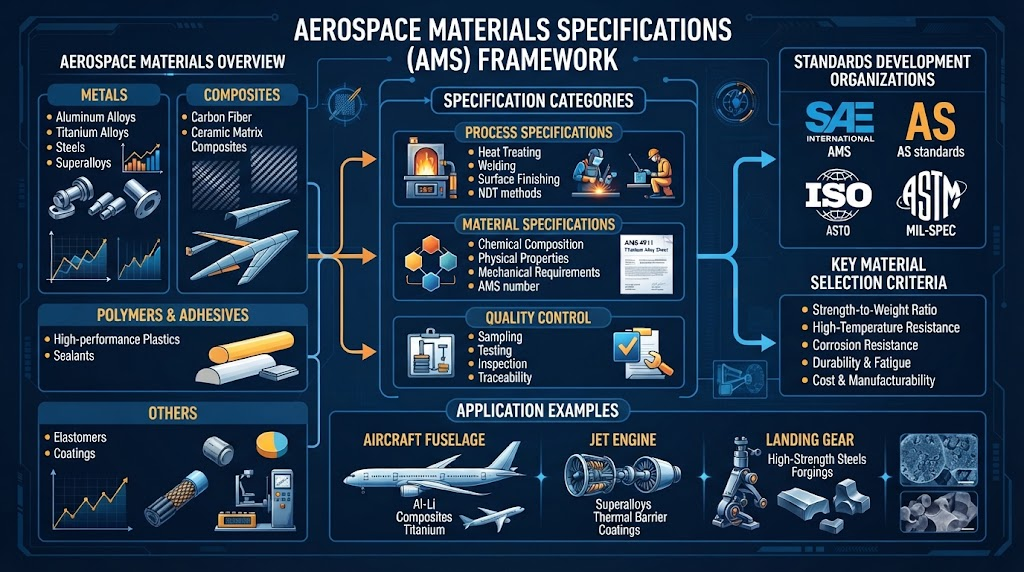
Engineers often evaluate whether commercial specifications can substitute for aerospace equivalents. Substituting an ASTM International standard for an AMS specification in primary structural components introduces substantial operational and regulatory risk.
Commercial ASTM specifications (such as ASTM B265 or ASTM B348) define broad compositional boundaries and generalized mechanical baselines suitable for chemical processing or industrial components. Conversely, AMS standards mandate tightly controlled interstitial chemistries, compulsory fracture toughness testing, controlled cooling rates, and non-destructive volumetric inspections.
| Parameter | SAE AMS | ASTM International | ASME Section II | MIL-SPEC (Legacy) |
|---|---|---|---|---|
| Target Application | Flight structures, aero engines, landing gear | Industrial, chemical processing, commercial marine | Boilers, nuclear vessels, pressure boundary piping | Defense hardware, legacy military airframes |
| Melt Requirements | Mandatory Multi-VAR, PAM, or EB cold hearth | Standard commercial melt practices allowed | Commercial melt with code-approved chemistry | Strict defense melt controls (e.g., MIL-T-9047) |
| Interstitial Tolerances | Narrow bands enforced via AMS 2249 check analysis | Standard heat analysis allowances | Broad heat analysis allowances | Controlled product analysis limits |
| NDT Inspection | Mandatory 100% UT per AMS 2631 Class AA/A/B | Optional; only when specified by purchaser | Hydrostatic or volumetric testing per code | Volumetric testing per MIL-STD-2154 |
| Quality Control System | AS9100D, Nadcap-accredited special processes | ISO 9001 standard verification | ASME Quality Program Certification | MIL-Q-9858A or AS9100 baseline |
The SAE AMS cataloging structure groups materials by base chemistry, processing route, and geometry. Understanding this matrix allows metallurgists and procurement teams to cross-reference global designations with complete metallurgical parity.
In our manufacturing experience across international supply chains, cross-referencing requires validating microstructure, grain alignment, and delivery conditions rather than simply matching chemical nominals.
| Material / Grade | SAE AMS | UNS Number | ASTM Standard | ISO / EN Equivalent |
|---|---|---|---|---|
| CP Grade 2 (Unalloyed) | AMS 4902 (Sheet/Strip) | R50400 | ASTM B265 Gr 2 | ISO 5832-2 / 3.7035 |
| Ti-6Al-4V (Grade 5) | AMS 4911 (Sheet/Plate) | R56400 | ASTM B265 Gr 5 | ISO 5832-3 / 3.7165 |
| Ti-6Al-4V (Bar/Forging) | AMS 4928 / AMS 6931 | R56400 | ASTM B348 Gr 5 | EN 3.7164 / Ti-P64 |
| Ti-6Al-4V ELI (Grade 23) | AMS 4907 (Sheet) / AMS 4930 | R56401 | ASTM F136 / B348 | ISO 5832-3 / 3.7165 ELI |
| Ti-3Al-2.5V (Grade 9 Tubing) | AMS 4943 / AMS 4944 | R56320 | ASTM B338 Gr 9 | DIN 3.7194 |
| Ti-6242 (High-Temp) | AMS 4975 (Bar) / AMS 4919 | R56260 | ASTM B348 (Custom) | Werkstoff 3.7145 |
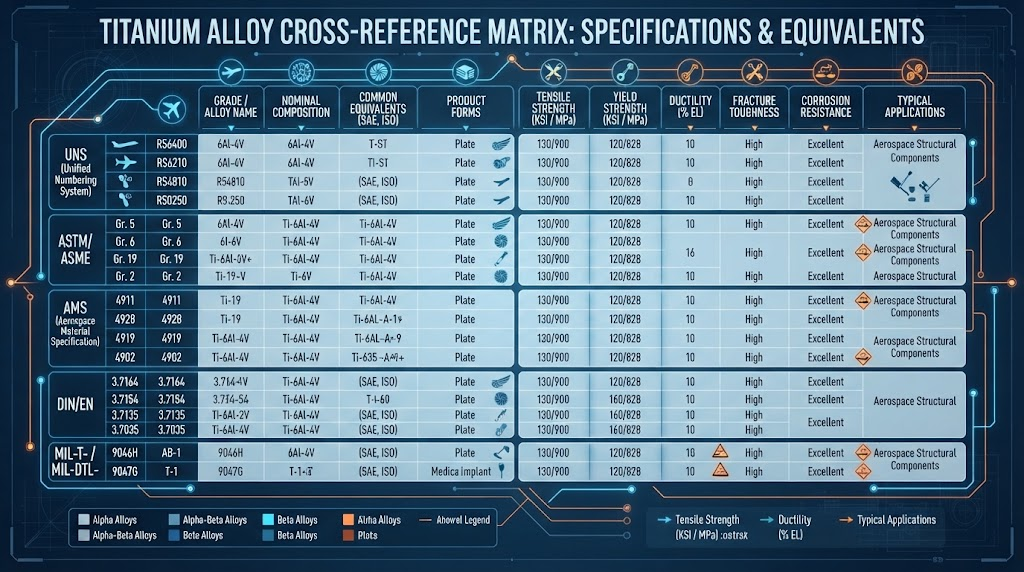
Titanium accounts for over 15% of modern wide-body airframe weight and up to 30% of modern turbofan dry weight. AMS standards are separated strictly by product form because thermomechanical processing directly dictates phase balance, crystallographic texture, and tensile behavior.
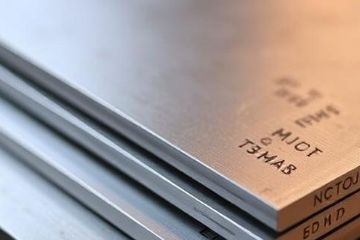
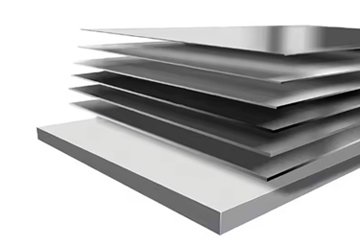
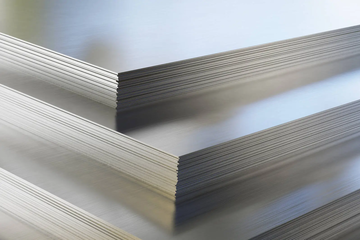
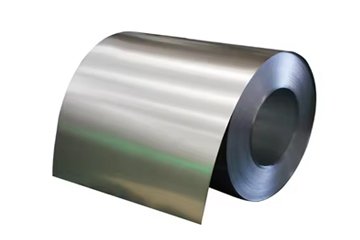
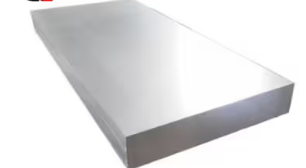
Aerospace Titanium Plates and Sheets operating under AMS 4911 represent the workhorse alpha-beta alloy configuration for commercial and military aircraft skins, wing ribs, and nacelle cowlings.
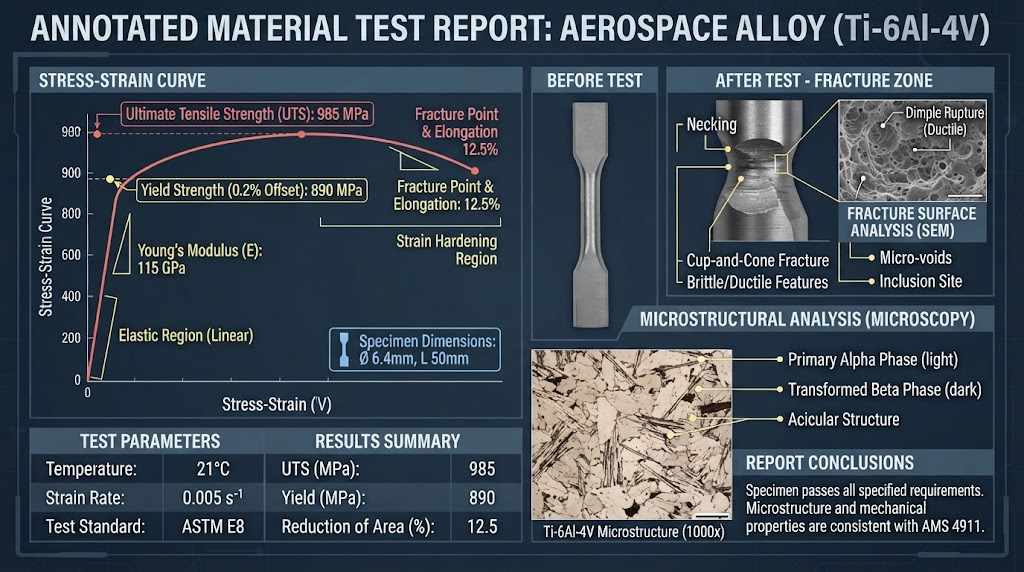
AMS 4911 governs Ti-6Al-4V in the mill-annealed state. It mandates minimum tensile strength of 896 MPa (130 ksi), yield strength of 827 MPa (120 ksi), and elongation benchmarks ranging from 8% to 10% based on nominal gauge.
For secondary structures requiring deep drawability and corrosion resistance, AMS 4902 covers Commercially Pure Grade 2 titanium sheet. It demands an ultimate tensile strength between 345 and 450 MPa, paired with cold-bend testing around precise mandrel radiuses without macro-cracking.
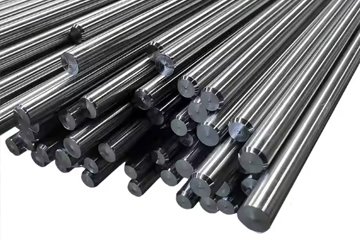
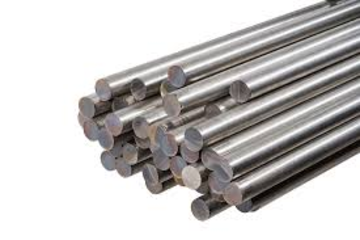
Rotating components, structural fasteners, and high-load fuselage fittings rely on AMS 4928 Ti-6Al-4V Titanium Bars. AMS 4928 enforces tight alpha-beta grain morphology to maximize fatigue limit thresholds under high-stress cycling.
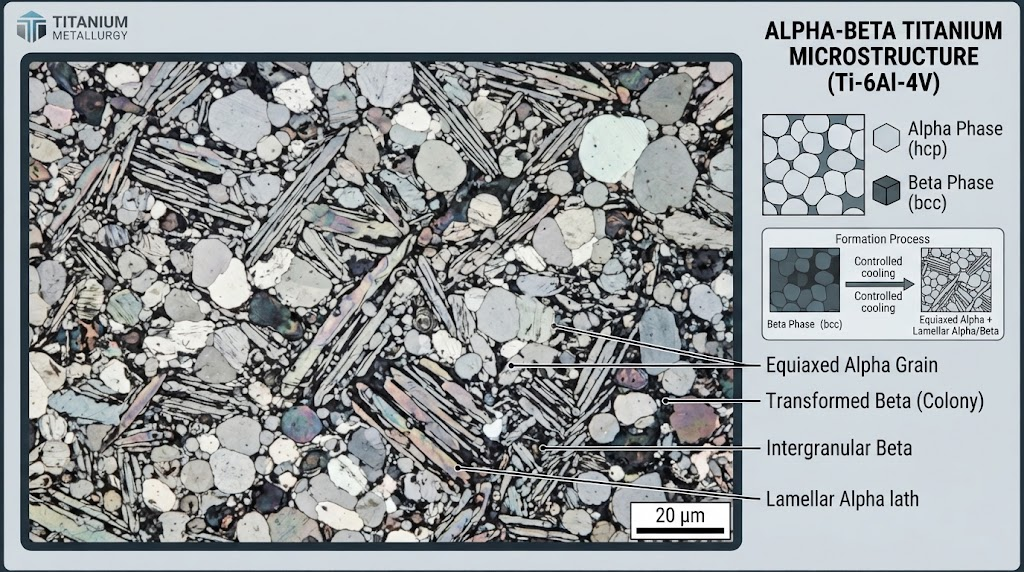
When deeper section hardenability and post-machining heat treatments are necessary, AMS 4967 provides the baseline for solution-treated and aged (STA) Ti-6Al-4V forgings and bars. This specification enables yield strengths exceeding 1,100 MPa through precipitation of fine alpha phase within the transformed beta matrix.
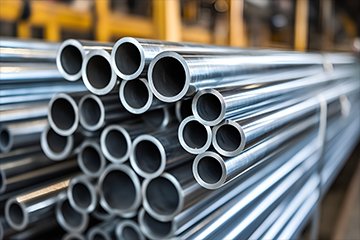
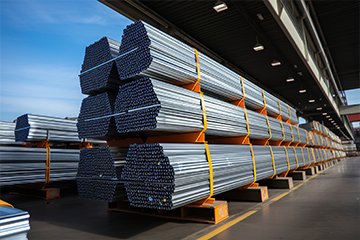
Modern flight control systems depend on Seamless Titanium Aerospace Tubing manufactured to withstand static operating pressures reaching 5,000 psi (34.5 MPa).
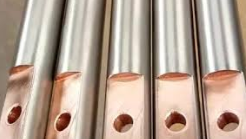
AMS 4943 and AMS 4944 specify Grade 9 (Ti-3Al-2.5V) seamless tubing in cold-worked, stress-relieved (CWSR) states. This metallurgy yields tensile strengths over 862 MPa while retaining enough ductility for flaring, bending, and dynamic impulse resistance.
Near-alpha alloys address thermal regions exceeding 400°C in jet engine compressors and high-pressure disc assemblies. AMS 4975 (Ti-6242: Ti-6Al-2Sn-4Zr-2Mo-0.1Si) delivers creep resistance up to 540°C, verified through sustained load tests at 450°C for 100 continuous hours without premature micro-void coalescence.
AMS 4981 covers Ti-6246, an alpha-beta alloy formulated with 6% molybdenum for maximum fracture toughness and shear strength in deep-well rotor components.
AMS standards do not simply dictate raw chemistry; they enforce continuous testing regimens across the entire manufacturing cycle. Failure to conform to secondary inspection documents invalidates the material's primary AMS pedigree.
During the primary melting and breakdown process, titanium reacts readily with ambient atmospheric elements. AMS 2249 defines allowable product analysis variations relative to nominal heat records.
AMS 2249 Standard Definition: "Specifies the chemical check analysis limits to which individual product chemistry may deviate from designated heat boundaries, guaranteeing that interstitial elements remain strictly within flight-safe operational bands."
For example, while master ingot melting may target 0.16% Oxygen in Ti-6Al-4V, AMS 2249 limits allowable variation in the finished forged bar to a maximum check limit of +0.02% O₂. This prevents interstitial embrittlement and preserves low-cycle fatigue limits.
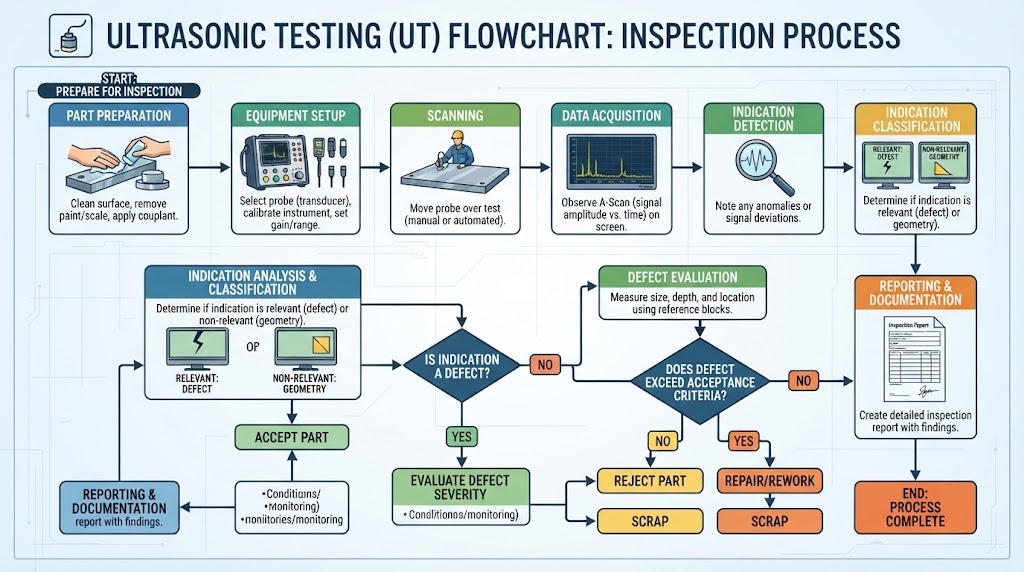
Volumetric integrity is critical for aerospace titanium. AMS 2631 defines the procedures, calibration methods, and defect size acceptance boundaries for ultrasonic pulse-echo inspection across billet, bar, and plate geometries.
| Inspection Class | Single Discontinuity Threshold (FBH) | Multiple / Linear Discontinuities | Typical Flight Application |
|---|---|---|---|
| Class AA | 1.2 mm (3/64 in) Flat Bottom Hole | 0.8 mm (2/64 in) FBH maximum cluster | Critical rotating engine discs, blisks, shafts |
| Class A | 2.0 mm (5/64 in) Flat Bottom Hole | 1.2 mm (3/64 in) FBH maximum cluster | Primary flight structural frames, landing gear cylinders |
| Class B | 3.2 mm (8/64 in) Flat Bottom Hole | 2.0 mm (5/64 in) FBH maximum cluster | Secondary structures, brackets, non-critical fittings |
Under AMS governance, chemical testing alone does not authorize shipment. Metallurgists must verify complete absence of alpha case contamination (surface oxygen enrichment) caused by high-temperature heat treatment or hot rolling.
Additionally, determining the exact beta-transus temperature (typically 995°C ± 15°C for Ti-6Al-4V) for every individual master melt heat is mandatory. This baseline ensures that subsequent thermal forming and forging procedures remain safely within alpha-beta processing windows, preventing transformed grain coarsening.
To ensure consistent conformance with aerospace purchase orders, China Titanium Factory executes a specialized internal methodology: The Aero-Grade Verification Protocol. This framework eliminates variation across every mill lot.
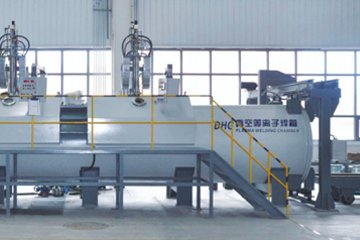
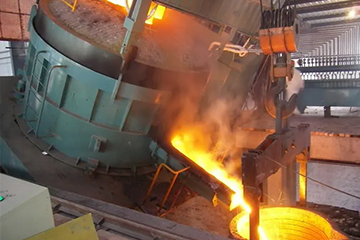
Point 1: Controlled Ingot Synthesis. We utilize vacuum arc remelting (VAR) sequences and plasma arc cold-hearth melting (PAM) to eliminate low-density inclusions (LDI) and high-density tungsten inclusions (HDI).
Point 2: Thermomechanical Profiling. Every rolling and forging campaign is executed with calibrated thermocouple matrices to maintain working temperatures within 20°C of verified beta-transus boundaries.
Point 3: Multi-Zone AMS 2631 Ultrasonic Mapping. All billets, thick plates, and bars undergo automated multi-axis immersion ultrasonic testing calibrated to Class AA and Class A reference standards.
Point 4: Interstitial Barrier & AMS 2249 Verification. Finished lots undergo secondary spectrographic and inert gas fusion tests to confirm interstitial gas levels (H, O, N) satisfy AMS 2249 criteria.
Point 5: Comprehensive Traceability Documentation. Every mill shipment includes full Quality Assurance and Mill Certifications, EN 10204 3.1 reports, and melt-source genealogy back to raw sponge stock.
Aerospace supply chain directors balance material costs, regulatory compliance, and tight lead times. Ensuring full documentation compliance prevents costly quarantine delays during incoming receiving inspections.
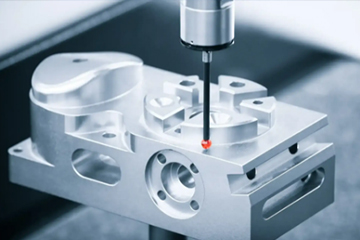
When selecting titanium mill sources, procurement teams must verify that the manufacturing partner operates within audited Precision Aerospace Titanium CNC Machining capabilities and holds valid AS9100D and ISO 9001:2015 certifications.
Direct mill relationships eliminate markups and reduce supply disruption risks for critical projects, ensuring consistent traceability from billet breakdown to final component inspection.
No. ASTM commercial standards lack the mandatory ultrasonic testing (AMS 2631), narrow interstitial limits (AMS 2249), and strict heat-treatment verifications legally required by FAA, civil aviation, and defense engineering bodies for flight hardware.
While both govern Ti-6Al-4V, AMS 4911 applies exclusively to flat-rolled products (sheet, strip, and plate), whereas AMS 4928 governs long products (bars, wire, forgings, and rings up to specified cross-sections).
Alpha case is a brittle, oxygen-enriched surface layer that forms during elevated-temperature exposure. It causes micro-cracking and drastically reduces the high-cycle fatigue life of structural titanium components under tension.
Indicate the specific AMS specification number, revision letter, and ultrasonic class level required (e.g., AMS 4928R with ultrasonic inspection per AMS 2631 Class AA). Our engineering team can supply tailored certification packages to match your program requirements.
Eliminate intermediate markups and secure fully traceable, AS9100-compliant titanium plates, sheets, bars, tubes, and custom CNC forgings with complete EN 10204 3.1 documentation.
Request Engineering Consultation & Mill Quote


Contact Us
Room 21003, 10th Floor, Unit 2, Building 1, Xianning International Plaza, No.29 Xianning West Road, Beilin District, Xi'an City
Copyright © Xi'an Shiguang Jingyan Technology Co., Ltd. All Rights Reserved.