Maximize electrolyzer uptime and reduce overpotential with precision-engineered Dimensionally Stable Anodes (DSA).
Green hydrogen production demands components that withstand aggressive oxidative environments without degradation. Our titanium anodes feature industrial-grade ASTM B265 substrates and proprietary Mixed Metal Oxide (MMO) coatings designed specifically for the Oxygen Evolution Reaction (OER). Whether you run Proton Exchange Membrane (PEM) or Alkaline water electrolysis, we provide the electrochemical stability required for high-current density operations.
Substrate Integrity: ASTM B265 Grade 1 & 2 Titanium for superior corrosion resistance.
Current Density Handling: Validated for >20,000 A/m² in PEM stacks.
Extended Lifespan: Ir-Ta coatings engineered for 50,000+ operational hours.
Energy Efficiency: Low overpotential reduces electricity consumption per kg of H2 produced.
Advanced Coating Solutions: Ruthenium-Iridium (Ru-Ir) vs. Iridium-Tantalum (Ir-Ta)
Selecting the right electrocatalytic coating is not about preference; it's about chemistry. The electrolyte environment dictates the catalyst lifespan. We offer two primary MMO formulations optimized for distinct operational parameters.
Ruthenium-Iridium (Ru-Ir)
Best suited for chlor-alkali and lower-acidity environments. While cost-effective, Ru-Ir can suffer from accelerated passivation in high-current oxygen evolution applications.
Iridium-Tantalum (Ir-Ta)
The industry standard for OER in acidic media (PEM electrolysis). Tantalum acts as a stabilizer for the Iridium active sites, preventing oxide layer dissolution even under extreme oxidative stress.
Technical Parameter Comparison Table: Coating Selection by Electrolyte Environment
Parameter
Ruthenium-Iridium (Ru-Ir)
Iridium-Tantalum (Ir-Ta)
Primary Application
Chlorine Evolution, dilute brine
Oxygen Evolution (OER), Acidic/PEM
Electrolyte Compatibility
Ph 2-12 (Chloride rich)
Ph 0-14 (Sulfuric acid, PEM water)
Max Current Density
~2,000 - 3,000 A/m²
Up to 20,000+ A/m²
Coating Thickness
3 - 5 µm
5 - 10 µm (Customizable)
Expected Service Life (Accelerated Life Test)
Moderate
Superior (>5 years typical)
Electrochemical Performance and Current Density Specifications
Efficiency in hydrogen production is directly tied to the anode's ability to lower the activation energy for the Oxygen Evolution Reaction. Our Ir-Ta anodes demonstrate a low oxygen evolution overpotential (< 300mV @ 10kA/m²), translating to significant power savings at the stack level. High current density capability allows for compact electrolyzer designs without sacrificing electrode durability.
Interactive Durability & Lifespan Estimator: Operational Benchmark Data
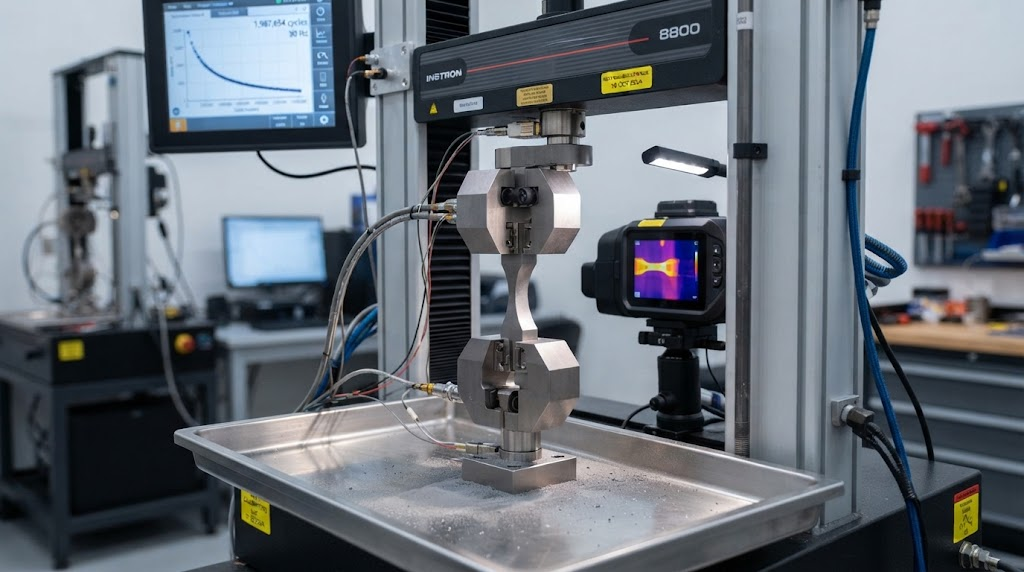
Predictability is crucial for plant maintenance cycles. We don't guess lifespan; we calculate it based on loading and electrolyte composition. Under standard PEM electrolysis conditions (60°C, 2A/cm²), our Ir-Ta formulation maintains catalytic activity well beyond industry averages.
Accelerated Life Testing (ALT): In sulfuric acid tests (1mol/L H2SO4, 10,000 A/m²), our anodes consistently exceed 500 hours, correlating to years of field operation. Monitoring cell voltage allows operators to predict end-of-life well before failure occurs.
Engineering Integration: Downloadable CAD Models and Technical Datasheets
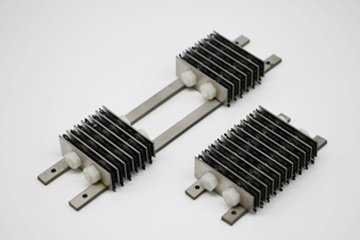
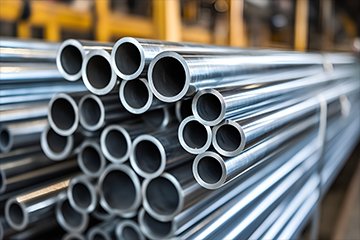
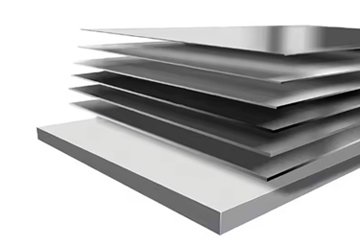
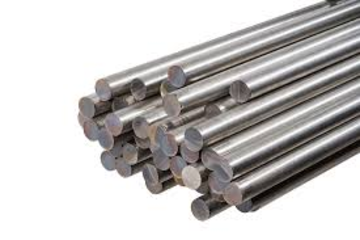
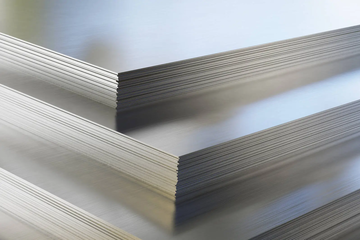
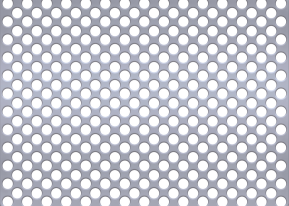
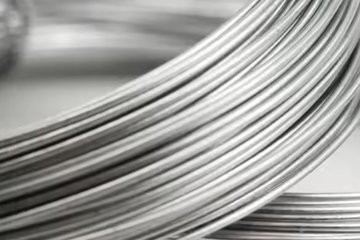
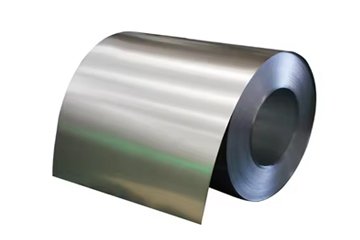
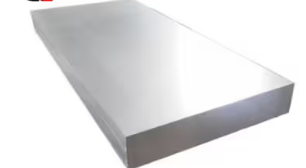
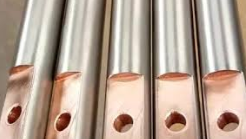
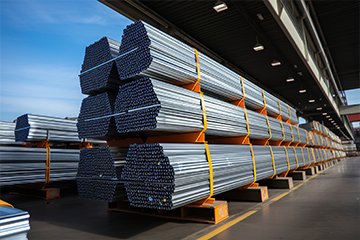
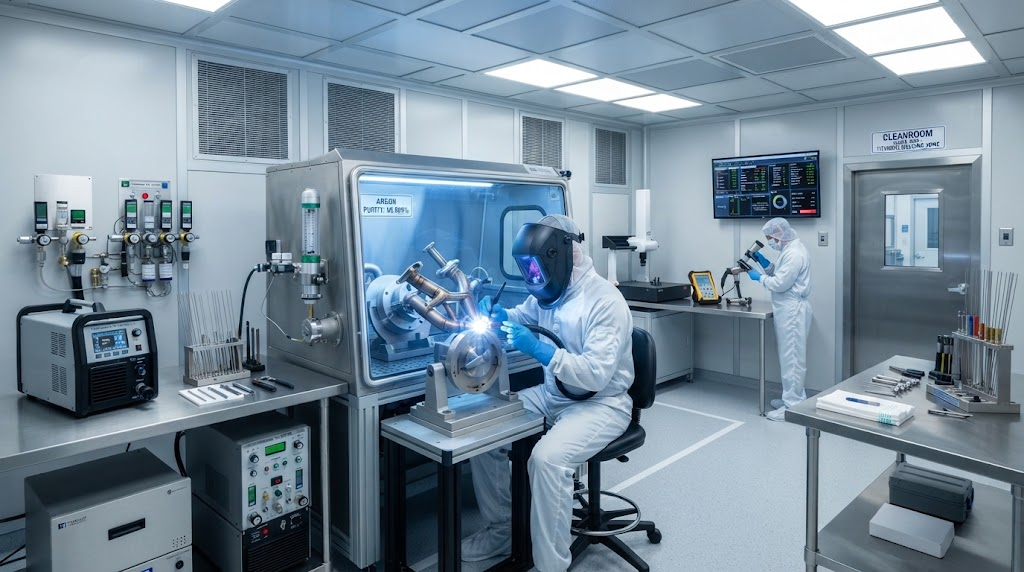
Integration shouldn't be a bottleneck. We supply anodes in various geometries including mesh, plate, tube, and custom laser-cut shapes to fit proprietary stack designs.
Compatibility with PEM and Alkaline Electrolyzer Stacks
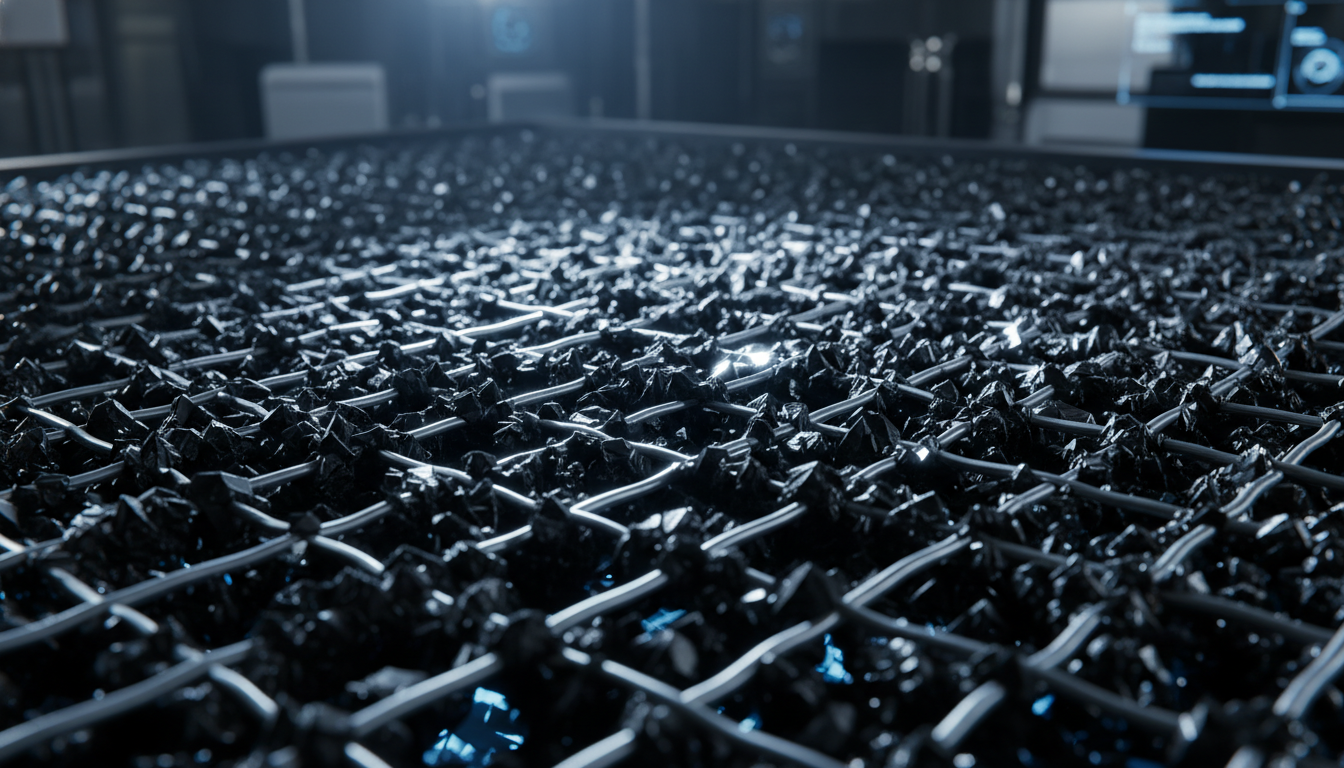
PEM Systems: We utilize sintered titanium porous transport layers (PTL) or expanded mesh coated with Ir-Ta to ensure optimal contact with the membrane and efficient gas removal.
Alkaline Systems: For traditional KOH electrolytes, we provide thicker mesh geometries that maximize surface area while maintaining structural rigidity against hydraulic pressure.
Sustainability and Compliance: Green Hydrogen Supply Chain Transparency
Oxygen Evolution Reaction (OER) Efficiency and Energy Savings
Every millivolt saved in overpotential reduces the OPEX of hydrogen production. By optimizing the crystal structure of the MMO coating through thermal decomposition, we achieve a higher density of active sites. This lowers the energy barrier for OER, directly contributing to the "Green" designation of the hydrogen produced by minimizing the renewable energy input required per kilogram.
Trusted by leading electrolyzer OEMs and research institutions globally for pilot and MW-scale projects.
Frequently Asked Questions for Industrial Procurement
What is the expected operational lifespan of your Ir-Ta coated titanium anodes?
In standard PEM electrolysis environments operating at recommended current densities, our Ir-Ta anodes typically achieve a service life of 3 to 5 years (25,000 to 50,000 hours). Lifespan is heavily dependent on current density, electrolyte purity, and operating temperature. We provide specific curves based on your operating parameters.
How do Ru-Ir and Ir-Ta coatings differ in terms of oxygen evolution efficiency?
Ir-Ta (Iridium-Tantalum) is the superior choice for Oxygen Evolution Reaction (OER). While Ru-Ir is efficient for chlorine evolution, it is unstable in the oxygen-rich, acidic environments of PEM electrolyzers and oxidizes rapidly. Ir-Ta offers a stable electrochemical window and higher resistance to corrosion, ensuring sustained efficiency over time.
Can you provide custom dimensions and CAD files for specific electrolyzer stack designs?
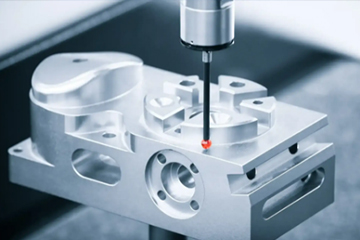
Yes. We function as an extension of your engineering team. We fabricate to precise tolerances (±0.05mm) based on your drawings. We accept STEP, DWG, and DXF files and can produce complex geometries, including laser-cut flow fields and specific mesh diamond dimensions.
What is the maximum current density your titanium anodes can withstand in PEM electrolysis?
Our high-loading Ir-Ta anodes are engineered to withstand current densities up to 20,000 A/m² (2 A/cm²) and higher for short durations. For high-performance stacks running above these levels, we offer custom coating formulations with increased noble metal loading to prevent premature passivation.
How do your anodes contribute to the overall efficiency of Green Hydrogen production?
Efficiency is determined by voltage. Our optimized nano-crystalline coating structure reduces the overpotential required to split water. By operating at a lower voltage for the same current output, the total energy consumption (kWh/kg H2) is reduced, directly improving the system's thermal efficiency and economic viability.
What substrate grades are used, and do they meet ASTM B265 standards?
We strictly use ASTM B265 Grade 1 or Grade 2 Titanium. Grade 1 is used for deep drawing and complex forming due to its high ductility, while Grade 2 is the standard for structural plates and meshes. We provide Mill Test Certificates (MTC) with every shipment verifying chemical composition and mechanical properties.
Do you offer recoating services for depleted titanium anode plates?
Yes, recoating is a sustainable and cost-effective option. We sandblast the depleted substrate to remove the old coating and oxide layer, etch the titanium to create a fresh anchor profile, and apply a new Ir-Ta layer. This restores 100% of the electrocatalytic activity at a fraction of the cost of a new anode.
How do you verify the coating thickness and uniformity across the anode surface?
Quality control involves X-Ray Fluorescence (XRF) to measure coating thickness and noble metal content. We also perform Scanning Electron Microscopy (SEM) analysis on sample batches to verify the uniformity of the "cracked-mud" morphology, which is critical for maximizing surface area.
What is the lead time for custom-fabricated titanium anode assemblies?
For standard geometries (mesh/plate), lead time is typically 2-3 weeks. Custom fabrication requiring complex laser cutting or welding generally requires 4-5 weeks. We offer expedited prototyping services for pilot projects.
Is your supply chain compliant with international environmental and sustainability standards?
Absolutely. We trace all raw materials, particularly Platinum Group Metals (PGMs) like Iridium and Ruthenium, to conflict-free sources. Our manufacturing process minimizes waste, and our recoating service supports a circular economy within the hydrogen industry.