Porous titanium anodes are monolithic, permeable electrodes manufactured by sintering high-purity spherical or hydride-dehydride (HDH) titanium powder under a high vacuum. They combine the chemical corrosion resistance of Titanium Grade 1 (UNS R50250) with an open-cell porous matrix, providing extensive active surface area for electrocatalytic reactions, fluid transport, and gas evacuation.
Unlike solid titanium plate anodes or expanded mesh, porous titanium structures serve dual functions: electrical current conduction and fluid-phase mass transport. They act as liquid-gas diffusion layers while providing a mechanical foundation for catalytic electrochemistry.
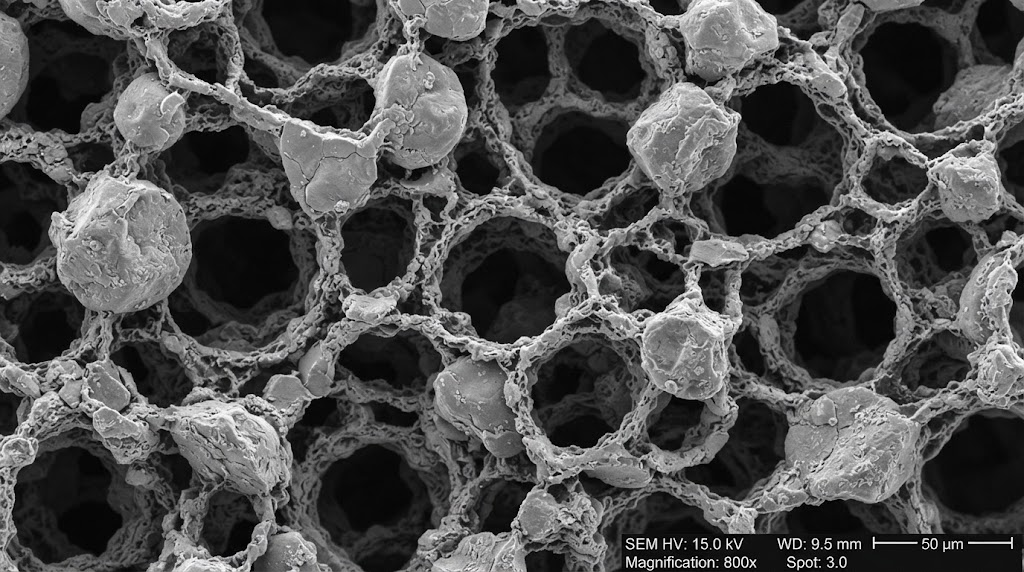
Definition: Porous Transport Anode
A metallurgically bonded, open-porosity titanium substrate coated with electrocatalytic mixed metal oxides (MMO) or noble metals, designed to conduct electric charge while simultaneously permitting the two-phase flow of liquid electrolytes and evolved gases.
At China Titanium Factory, we utilize high-purity ASTM Grade 1 titanium powder (O < 0.15%, Fe < 0.08%, C < 0.02%, N < 0.03%, H < 0.015%) compliant with ASTM B265 and ASTM B833 standards. Powder morphology directly controls pore size distribution and mechanical integrity:
Plasma Atomized Spherical Powder: Delivers narrow pore size distribution, uniform pore throat geometry, and low flow tortuosity for high-efficiency Proton Exchange Membrane (PEM) water electrolysis.
Hydride-Dehydride (HDH) Irregular Powder: Yields interlocking particle geometries with higher green compact strength and high specific surface area for Advanced Oxidation Processes (AOP) and water treatment.
During vacuum sintering at temperatures between 950°C and 1250°C, solid-state diffusion creates metallurgical "necking" between adjacent titanium particles. This neck growth establishes electrical percolation across the entire matrix.
The resulting continuous titanium skeleton yields bulk electrical resistivity as low as 4.5 × 10⁻⁵ Ω·cm while maintaining an interconnected 3D pore network.
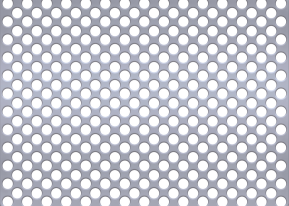
Balancing hydraulic permeability with structural electrical conductivity requires tight control of total open porosity and pore throat diameters. High-performance porous titanium anodes operate within an engineered porosity range of 30% to 50%.
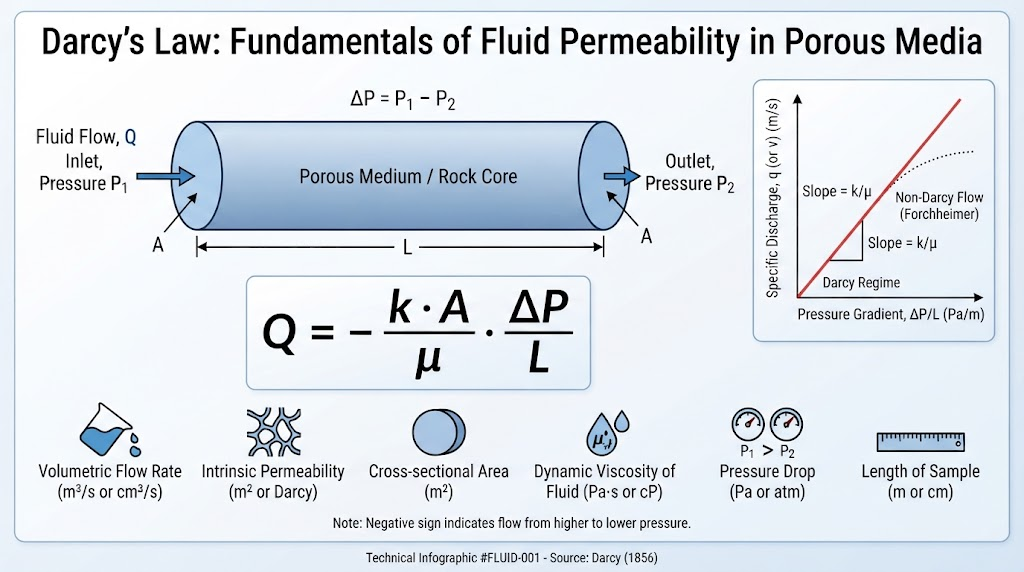
Electrochemical mass transport follows Darcy's Law for single-phase laminar flow through porous media:
Darcy's Law Permeability Formulation:
Q = (k · A · ΔP) / (μ · L)
Where Q is volumetric flow rate (m³/s), k is absolute permeability (m²), A is cross-sectional area (m²), ΔP is differential pressure drop (Pa), μ is dynamic fluid viscosity (Pa·s), and L is substrate thickness (m).
In our testing, optimizing pore throat size between 5 μm and 25 μm prevents localized gas stagnation (bubble pinning) in high-current-density electrolysis cells, maintaining pressure drops below 15 kPa at flow rates of 2.5 L/(min·cm²).
Low Porosity (20% – 30%): Compressive strength > 180 MPa, high electrical conductivity, higher hydraulic flow resistance. Best for high-pressure differential electrochemical cells.
Optimal Porosity (32% – 45%): Compressive strength 90 – 140 MPa, interfacial contact resistance < 8 mΩ·cm², balanced two-phase fluid removal. Ideal for standard Sintered Porous Titanium Plates.
High Porosity (50% – 75%): Utilizes sintered titanium fiber felt architectures, providing maximum gas evacuation rates with compressive yield limits of 25 – 45 MPa.
Uncoated porous titanium passivates rapidly in acidic or high-potential environments, forming an electrically insulating titanium dioxide (TiO₂) layer. Applying electrocatalytic Dimensionally Stable Anode (DSA) coatings guarantees continuous charge transfer and high operational life.
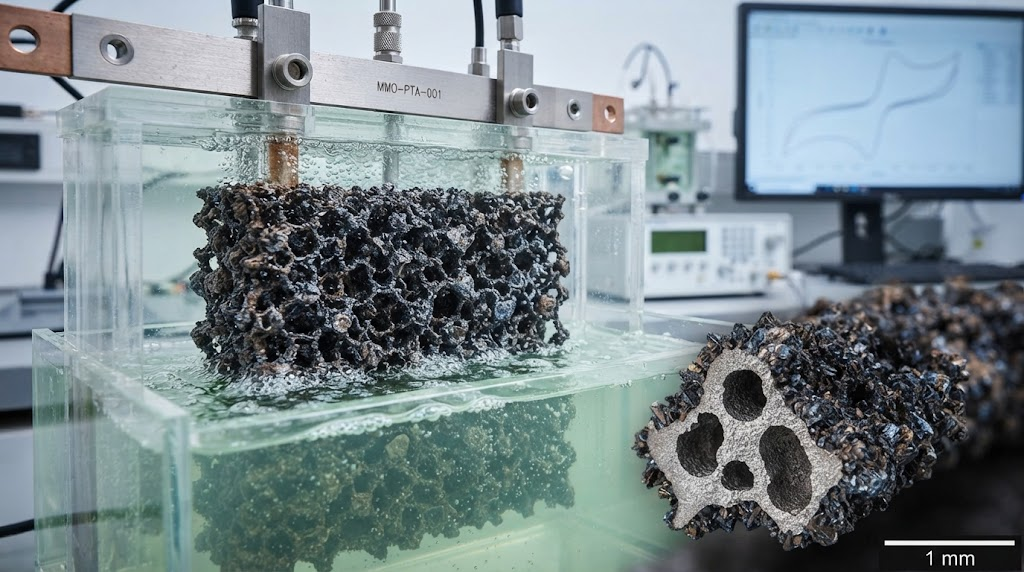
Iridium-Tantalum Oxide (IrO₂-Ta₂O₅): The industry standard for the Oxygen Evolution Reaction (OER) in acidic electrolytes, reverse electrodialysis, and PEM electrolysis. Operates at anodic potentials above 1.8 V vs. SHE.
Ruthenium-Iridium Oxide (RuO₂-IrO₂): Optimized for the Chlorine Evolution Reaction (CER) in brine electrolysis, sodium hypochlorite generation, and electro-chlorination water treatment.
Platinized Titanium (Pt / Ti): Electroplated or thermally deposited platinum (1.0 to 5.0 μm) offering high conductivity and acid resistance for ozone generation and electroplating anodes.
For specialized electrocatalysis setups, explore our range of MMO Coated Titanium Anodes designed for aggressive industrial electrolytes.
Standard liquid dipping often leads to capillary meniscus bridging, blinding the internal micro-pores and reducing permeability. China Titanium Factory uses controlled vacuum infiltration to coat the entire internal pore network with catalyst without clogging the 0.5 to 50 μm pore channels.
To eliminate coating delamination and maximize catalyst surface area inside micro-porous substrates, China Titanium Factory engineers follow our proprietary 4-stage manufacturing standard: The China Titanium Dual-Phase Sintering & PTL Coating Protocol (CT-DSPP).
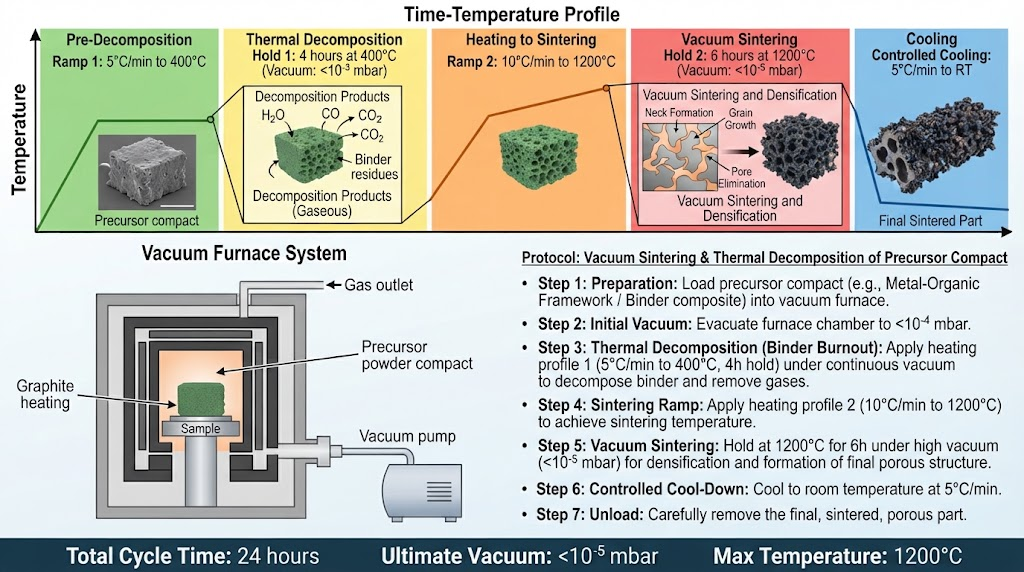
High-Purity Cold Isostatic Pressing (CIP): Ultra-fine Grade 1 spherical powder undergoes wet-bag isostatic compaction under 120–220 MPa, yielding green compacts with density variations below ±1.2%.
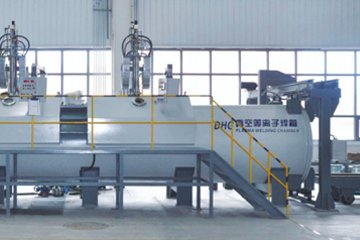
Dual-Phase Vacuum Diffusion Sintering: Sintered in molybdenum-lined vacuum furnaces under high vacuum (< 5.0 × 10⁻³ Pa) with a two-step temperature ramp: solid-state degassing at 450°C followed by controlled necking sintering at 1050°C–1180°C to preserve micro-porosity.
Sub-Surface Capillary Impregnation: Substrates are immersed in precursor solutions (IrCl₃, TaCl₅, or H₂PtCl₆) within an ultrasonic vacuum-pressure impregnation chamber, ensuring complete wet-out of internal pores.
Controlled Multi-Pass Thermal Decomposition: Multi-cycle pyrolytic oxidation at 460°C–520°C converts precursors into an adherent, nanocrystalline rutile-phase MMO coating with zero mechanical pore blinding.
In Proton Exchange Membrane (PEM) and Anion Exchange Membrane (AEM) water electrolyzers, porous titanium serves as the anodic Titanium Porous Transport Layers (PTL). The component must transport liquid water to the catalyst layer, release evolved O₂ gas, and conduct electrons to the bipolar plate under high operating voltages.
Engineering Insight: Anodic Passivation & ICR
Uncoated titanium PTL surfaces in PEM anodes passivate at potentials > 1.6 V vs. RHE, forming an insulating TiO₂ film. This increases Interfacial Contact Resistance (ICR) from 5 mΩ·cm² to over 80 mΩ·cm², degrading cell efficiency. Our Pt and IrO₂ protective coatings maintain ICR below 6.5 mΩ·cm² after 5,000 hours of continuous cycling.
By tailoring powder morphology and surface roughness (Ra 1.5 – 3.2 μm), our PTL substrates provide uniform mechanical support against fragile perfluorosulfonic acid (PFSA) membranes, preventing localized mechanical puncture and hot spots at current densities up to 3.5 A/cm².
Beyond PEM hydrogen generation, our porous titanium anodes are widely deployed across challenging electrochemical processing sectors:
Porous titanium anodes coated with high-overpotential metal oxides (such as Ta₂O₅-IrO₂ and doped Ti/SnO₂-Sb) generate hydroxyl radicals (·OH) and ozone (O₃) in-situ to mineralize refractory organic contaminants, pharmaceutical residues, and landfill leachate.
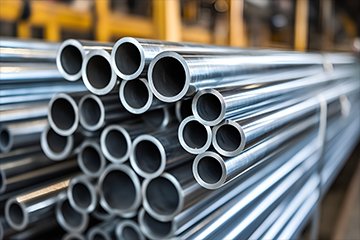
Using flow-through Titanium Powder Sintered Filter Tubes coated with RuO₂-IrO₂, seawater or dilute brine is electro-chlorinated into active chlorine with high coulombic efficiency, serving marine biofouling control and wastewater disinfection systems.
Tubular and disc porous titanium anodes deliver high current output in low-permeability soils and concrete structures without localized gas lockup, extending the lifespan of critical marine pipelines and storage tanks.
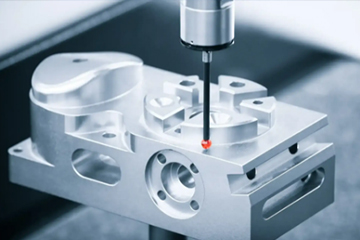
China Titanium Factory manufactures standard and fully customized porous titanium anode geometries. All parts are precision-machined to final engineering tolerances.
| Product Geometry | Thickness / O.D. | Porosity (%) | Micron Rating | Catalyst Coating | Tensile Strength |
|---|---|---|---|---|---|
| Sintered Sheet / Plate | 0.25 mm – 6.0 mm | 30% – 50% | 0.5 – 50 μm | IrO₂-Ta₂O₅, Pt, RuO₂ | ≥ 85 MPa |
| Porous Disc / Disks | Ø5 mm – Ø500 mm | 32% – 48% | 1.0 – 60 μm | IrO₂-Ta₂O₅, Platinum | ≥ 95 MPa |
| Seamless Sintered Tube | O.D. 10 mm – 200 mm | 35% – 50% | 2.0 – 80 μm | RuO₂-IrO₂, Pt | Burst: ≥ 3.5 MPa |
| Titanium Fiber Felt | 0.15 mm – 1.5 mm | 55% – 78% | 10 – 100 μm | IrO₂-Ta₂O₅, Pt | ≥ 25 MPa |
Every production batch at China Titanium Factory undergoes comprehensive metallurgical and electrochemical quality verification before shipment.
Bubble Point Maximum Pore Determination: Conducted in accordance with ASTM E128 to verify absolute pore cut-off and detect oversized voids.
SEM & EDS Microstructure Mapping: High-resolution Scanning Electron Microscopy validates necking geometry and confirms uniform catalyst distribution across internal pore walls.
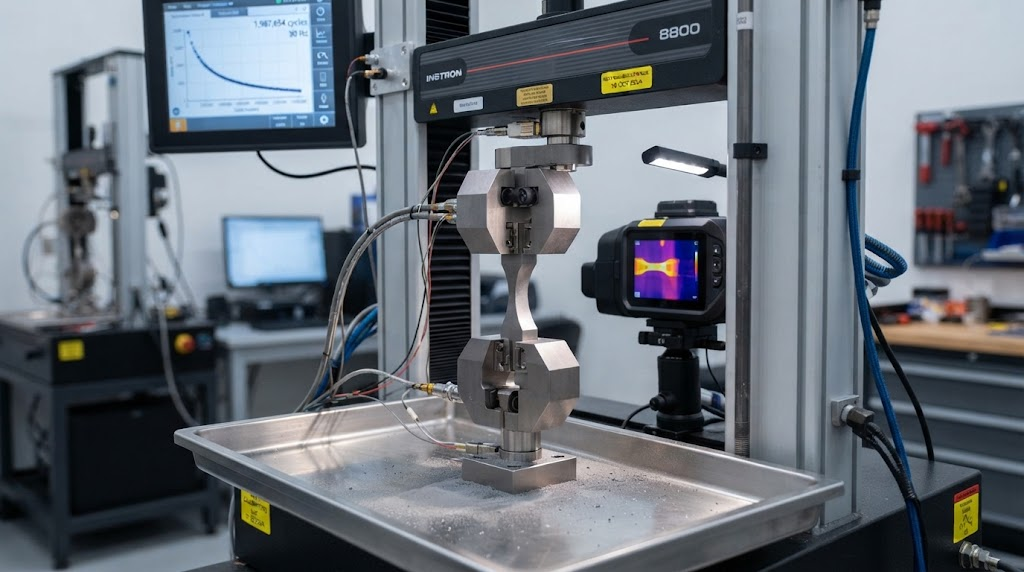
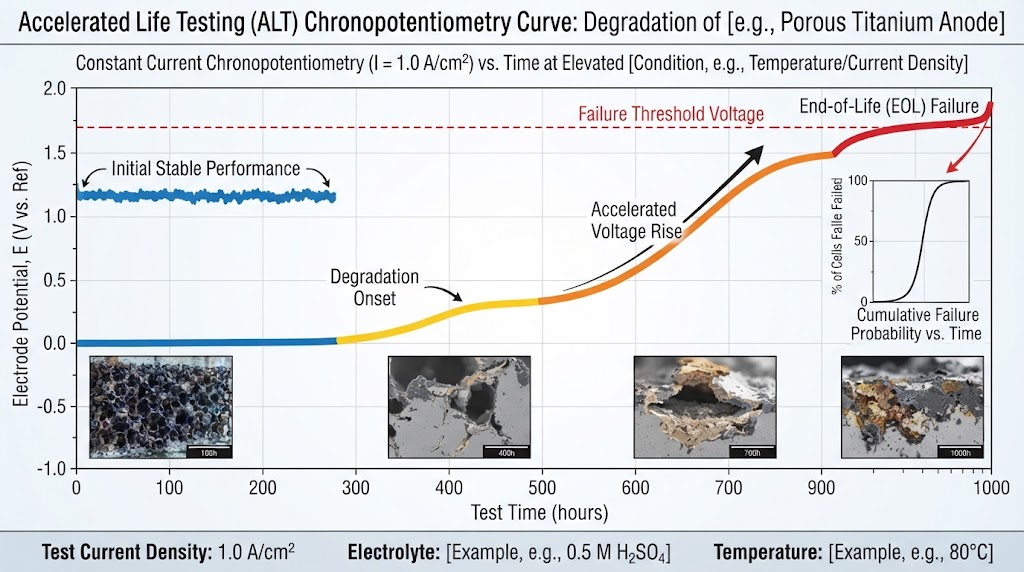
Accelerated Life Testing (ALT): Tested in 1.0 M H₂SO₄ at 2.0 A/cm² and 60°C. Our MMO-coated porous anodes consistently exceed 200 hours of continuous ALT run-time (equivalent to >50,000 continuous hours in standard operating conditions).
We provide full OEM and ODM manufacturing services for electrolyzer stack builders, water treatment skid manufacturers, and electrochemical R&D labs.
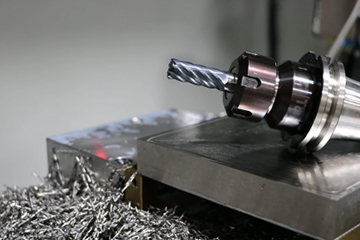
Precision Fiber Laser Cutting: Clean edge cutting with tight dimensional tolerances (±0.05 mm) without closing edge porosity.
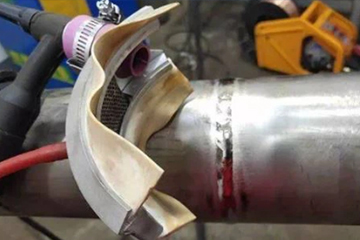
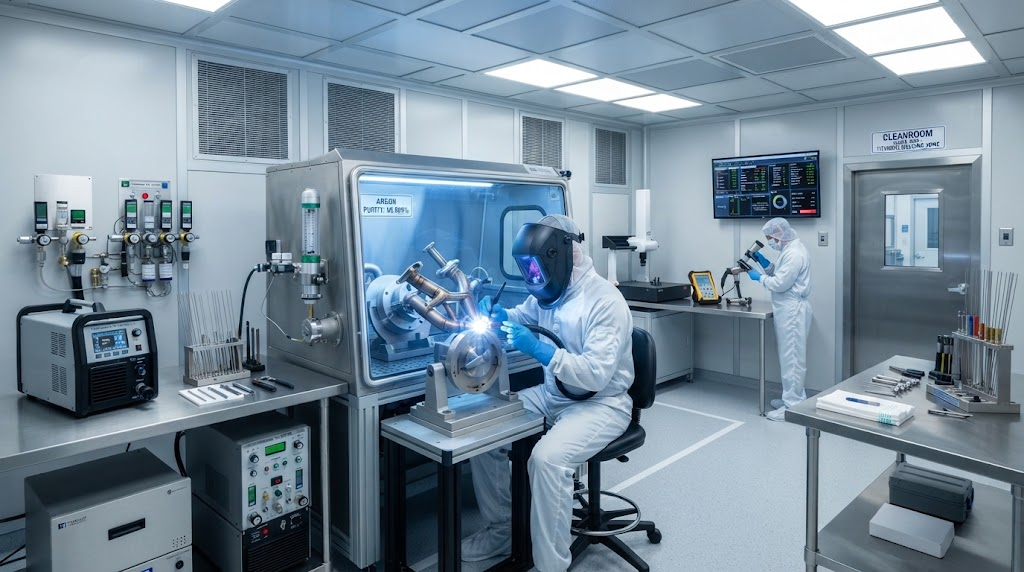
Solid-to-Porous Integration: Diffusion-welded or TIG-welded solid Grade 2 border frames for gas-tight sealing and structural cell compression.
Custom Surface Planarization: Precision chemical-mechanical surface polishing to minimize membrane wear in PEM assemblies.
To receive an engineering review and quotation within 24 hours, provide:
Target dimensions (Length × Width × Thickness or O.D. × Length) and CAD/STEP drawings.
Required mean pore rating (μm) or nominal porosity percentage (%).
Electrolyte chemistry, expected operating temperature, and operating current density (A/cm²).
Coating type preference (Ir-Ta, Ru-Ir, Platinum) and catalyst loading (g/m²).
In PEM water electrolysis applications, our IrO₂-Ta₂O₅ and Platinized porous titanium transport layers operate reliably at current densities between 1.0 A/cm² and 3.5 A/cm² when backed by adequate mass-transport cell designs.
We produce rigid sintered powder sheets down to 0.25 mm (250 μm) thickness with uniform density. For ultra-thin configurations down to 0.15 mm, we supply high-porosity sintered titanium fiber felts.
Yes. Provided the underlying sintered titanium substrate has not suffered severe mechanical loss or deep hydride degradation, spent anodes can be chemically stripped, etched, and recoated with active MMO catalysts at substantial cost savings.
Our proprietary CT-DSPP protocol uses ultrasonic vacuum-assisted impregnation combined with low-viscosity metal-salt precursors. This deposits a nanometer-scale catalyst layer across the internal pore walls without creating bridging films across pore throats.
Standard prototype quantities (discs, small plates) ship within 7–10 working days. Production runs typically require 3–4 weeks. We support engineering development with an MOQ as low as 5–10 pieces for custom trial orders.
Partner with China Titanium Factory for high-performance porous titanium anodes, PTL diffusion layers, and custom-sintered electrochemical components engineered to your specifications.
Contact Our Technical Sales Team


Contact Us
Room 21003, 10th Floor, Unit 2, Building 1, Xianning International Plaza, No.29 Xianning West Road, Beilin District, Xi'an City
Copyright © Xi'an Shiguang Jingyan Technology Co., Ltd. All Rights Reserved.