




















Understanding the Alphabet Soup: ASTM, GB/T, ISO, and DIN Standards
Global manufacturing relies on a patchwork of standards. In the West, ASTM (American Society for Testing and Materials) and AMS (Aerospace Material Specifications) dominate. In China, the GB/T (Guobiao) system is the law of the land. Meanwhile, ISO (International Organization for Standardization) acts as the bridge for medical and global trade.
"Titanium Grade Conversion is the process of identifying a material standard that meets or exceeds the mechanical and chemical requirements of another regional specification."
At China Titanium Factory, we see these standards clash daily. A buyer in Germany might request DIN 17850, while their supplier works with TA2 titanium. Misinterpreting these can lead to catastrophic structural failure or rejected shipments. We define material success by precision, not "close enough" estimates.
The Core Comparison: GB/T 3621 vs. ASTM B265 for Industrial Sheets
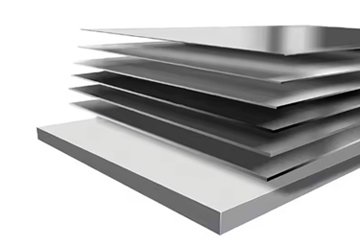
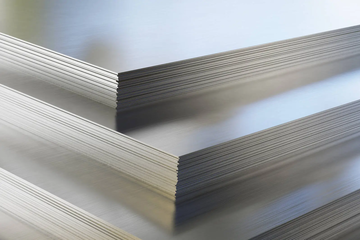
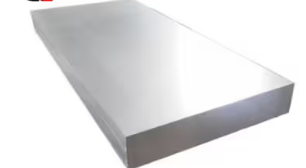
When sourcing a titanium sheet, you will likely encounter GB/T 3621 vs. ASTM B265. ASTM B265 is the US standard for strip, sheet, and plate. GB/T 3621 is its Chinese counterpart.
The differences are often found in the "impurities." ASTM B265 Grade 2 allows a maximum iron (Fe) content of 0.30%. Chinese TA2 usually caps this at 0.30% as well, but some sub-varieties for specific chemical processing might have tighter tolerances. These tiny shifts affect how the metal behaves under high-stress welding. According to ASTM International, even a 0.05% variance in oxygen can significantly alter yield strength.
Master Conversion Table: Mapping TA1, TA2, TC4, and TA9 to Global Equivalents
This table provides a high-level titanium grade cross-reference guide for the most common industrial alloys. Use this as a starting point for your procurement strategy.
| Chinese (GB/T) | US (ASTM) | UNS Number | ISO Equivalent | Key Property |
|---|---|---|---|---|
| TA1 | Grade 1 | R50250 | 5832-2 (Gr 1) | Highest Ductility |
| TA2 | Grade 2 | R50400 | 5832-2 (Gr 2) | Standard Industrial |
| TC4 | Grade 5 | R56400 | 5832-3 | High Strength (6Al4V) |
| TA9 | Grade 7 | R52400 | - | Pd-Enhanced Corrosion |
| TA10 | Grade 12 | R53400 | - | High Temp/Creep |
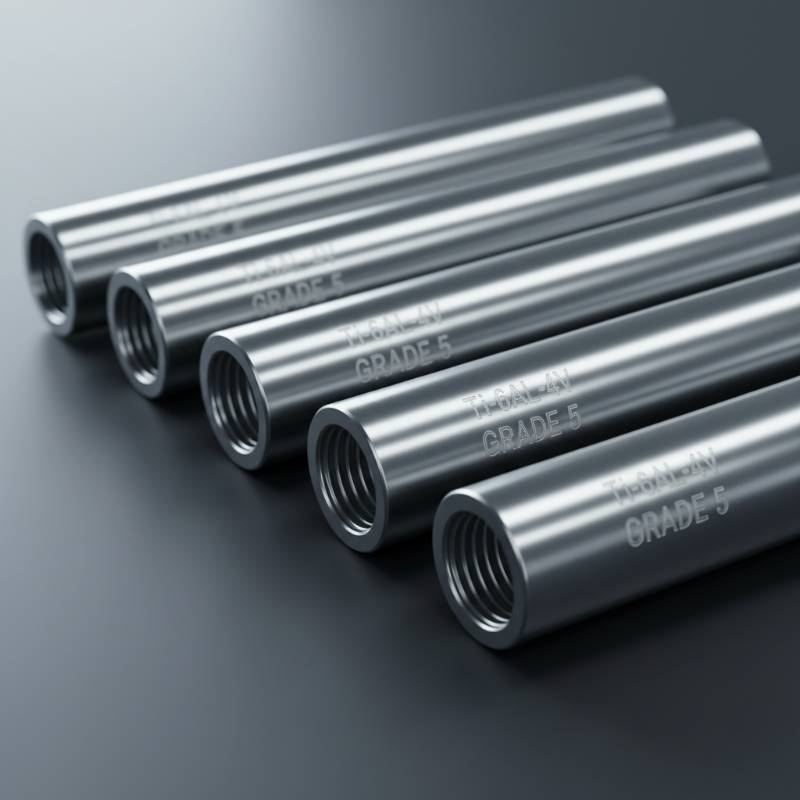
The 4-Point Material Equivalence Protocol (MEP): Our Proprietary Selection Framework
At China Titanium Factory, we don't just guess. We use a proprietary system called the Material Equivalence Protocol (MEP) to ensure that every titanium plate or component meets your project's specific needs.
The Golden Rule of Titanium Sourcing: Never assume equivalence based on name alone; always verify the Mill Test Report (MTR) against the specific chemical tolerances of the destination standard.
Chemical Threshold Matching: We analyze the H, O, N, C, and Fe levels. Even if the grade matches, a lower hydrogen content might be required for specific aerospace applications.
Mechanical Property Verification: Tensile and yield strengths must align. Grade 5 titanium in the annealed state performs differently than cold-worked variations.
Heat Treatment Alignment: We ensure the thermal history of the material (Annealed, Solution Treated, or Aged) matches the intended standard's requirements.
Certification Traceability: We provide dual-certification where possible, proving the material meets both GB/T and ASTM benchmarks.
Critical Compliance: Why ISO 5832-2 Trumps ASTM B348 in Medical Implants
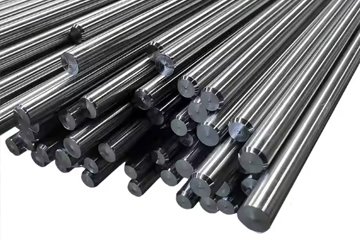
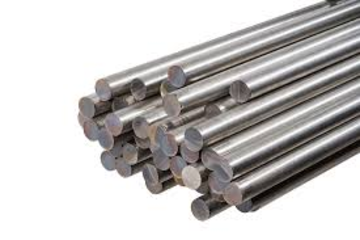
In medical manufacturing, the stakes are life and death. You cannot simply use a standard titanium rod certified to ASTM B348 for a hip replacement. Why?
ASTM B348 is an industrial bar standard. It does not account for the strict biocompatibility and cleanliness requirements of ISO 5832-2 or the Chinese GB/T 13810. Medical standards require lower interstitial elements to prevent "inclusion" risks that could cause implant rejection. If you are in the MedTech space, your titanium grade cross-reference guide must focus on the ISO 5832 series or ASTM F67/F136 specifications. Industrial grades are not a shortcut; they are a liability.
According to the International Organization for Standardization, ISO 5832-2 specifically dictates the surface finish and internal purity that industrial standards overlook.
Aerospace and Chemical Processing: AMS 4911 and Corrosion-Resistant Grades
Aerospace engineers demand AMS 4911 equivalents. This is the "Gold Standard" for Ti-6Al-4V sheet. While TC4 is the base chemistry, AMS 4911 requires specific processing routes and tighter mechanical property spreads. In the chemical industry, the focus shifts to TA9 (Grade 7) or TA10 (Grade 12). These contain Palladium or Molybdenum/Nickel to fight crevice corrosion in hot brine or acidic environments.
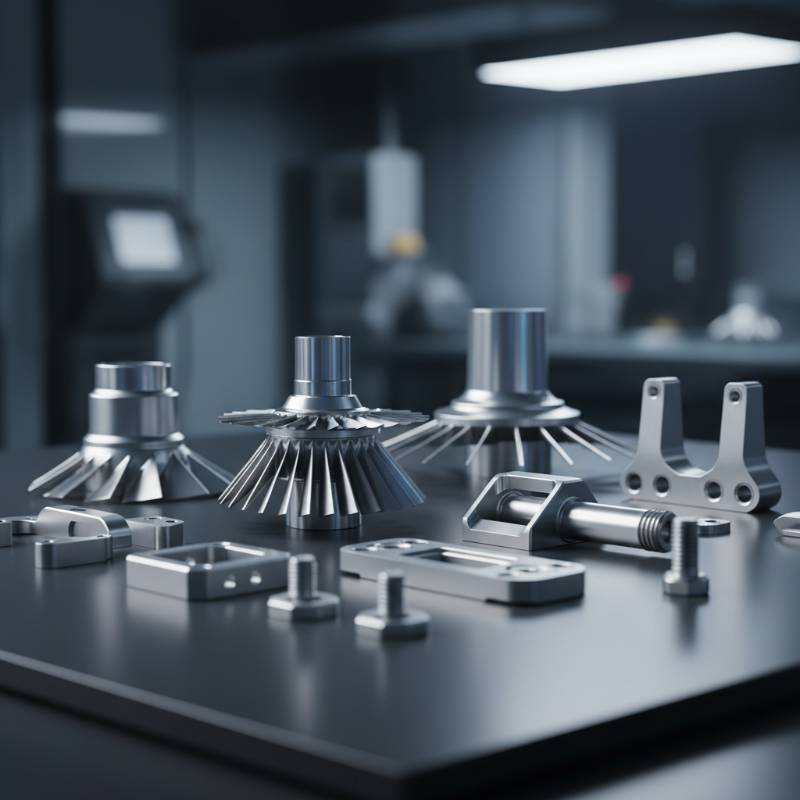
Precision matters. A mistake here isn't just a budget overrun; it's a safety risk. Our MEP framework ensures that when we suggest a cross-reference for aerospace, it holds up under the most rigorous ultrasonic testing and grain size analysis.
Frequently Asked Questions About Titanium Grade Conversion
Is TA2 exactly the same as Grade 2 titanium?
Essentially, yes. They are functionally equivalent for most industrial applications. However, TA2's iron limit is strictly 0.30% in GB/T 3621, while some specific ASTM iterations might allow slight variations. Always check the Mill Test Report.
What is the difference in tensile strength requirements?
ASTM B265 Grade 2 requires a minimum tensile strength of 345 MPa. GB/T 3621 TA2 usually requires 440–590 MPa. Interestingly, the Chinese standard often sets a higher floor for strength, making it a "safer" bet for structural loads.
Can I use industrial Grade 5 (TC4) for medical screws?
No. You must use Ti-6Al-4V ELI (Extra Low Interstitials), which corresponds to ASTM F136 or ISO 5832-3. Standard TC4/Grade 5 has higher oxygen levels, which reduces toughness and biocompatibility in the human body.
Ready to Source Certified Titanium?
Don't let standard confusion stall your project. Our engineers provide full MTR documentation and cross-reference validation for every order.
Get a Technical Quote Now