




















What is a Titanium Mesh Current Collector?
A titanium mesh current collector is a high-purity conductive substrate designed to support active battery materials while facilitating efficient electron flow. Unlike solid foils, the mesh structure provides a three-dimensional architecture that enhances mechanical interlocking with the electrode paste.
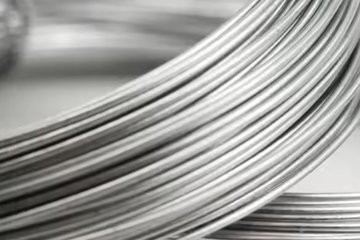
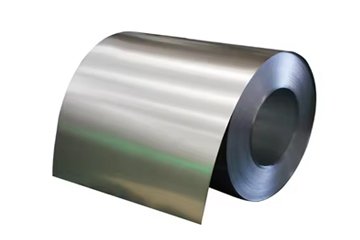
In the 2026 energy landscape, titanium mesh has moved from a niche aerospace material to a cornerstone of high-performance battery R&D. It is primarily manufactured through two methods: precision weaving of titanium wire or the expansion of thin titanium sheets.
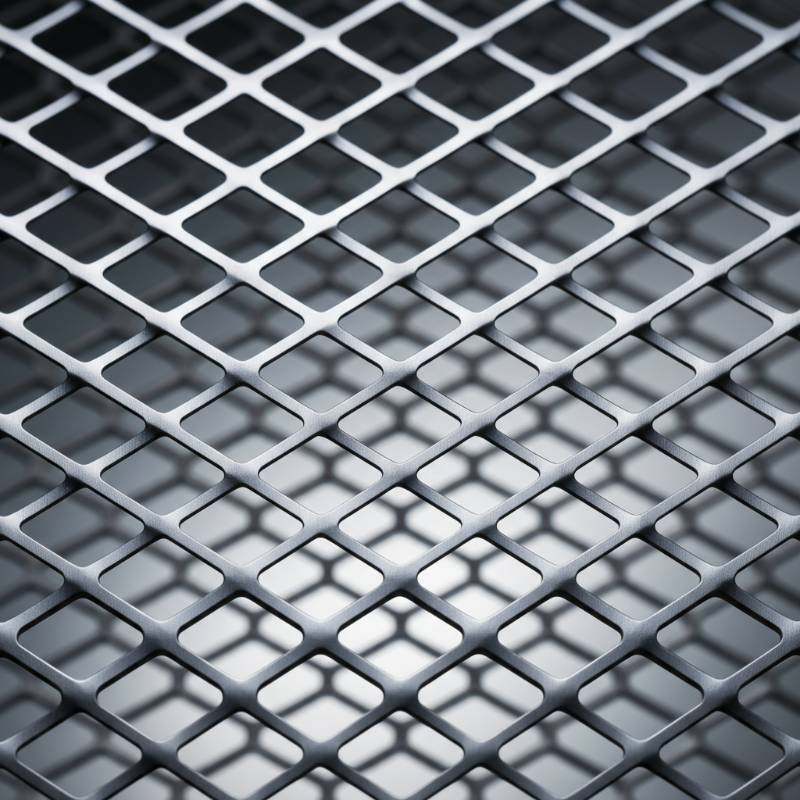
Definition: In electrochemistry, a current collector is an inert component that bridges the active material of an electrode to the external circuit. Titanium variants are specifically chosen for their ability to withstand Oxygen Evolution Reaction (OER) stresses.
The Ti-Stability Matrix: A Proprietary Protocol for Material Selection
Selecting the wrong mesh specifications leads to premature cell failure. Based on our extensive testing at China Titanium Factory, we developed The Ti-Stability Matrix. This framework allows engineers to bypass months of trial and error by aligning three critical variables.
First, identify your electrolyte pH. Acidic environments require Grade 1 or Grade 2 CP Titanium, while highly alkaline systems may necessitate specific alloy variants. Second, map your operating voltage window. If your system operates above 2.0V in aqueous media, the mesh must support a stable passivation layer.
Finally, determine the required "Void Ratio." Our data shows that a 45% to 60% open area provides the optimal balance between mass loading and internal resistance. By following this protocol, R&D teams can increase cycle life by up to 40% compared to standard off-the-shelf selections.
Electrochemical Performance and Degradation Mechanisms
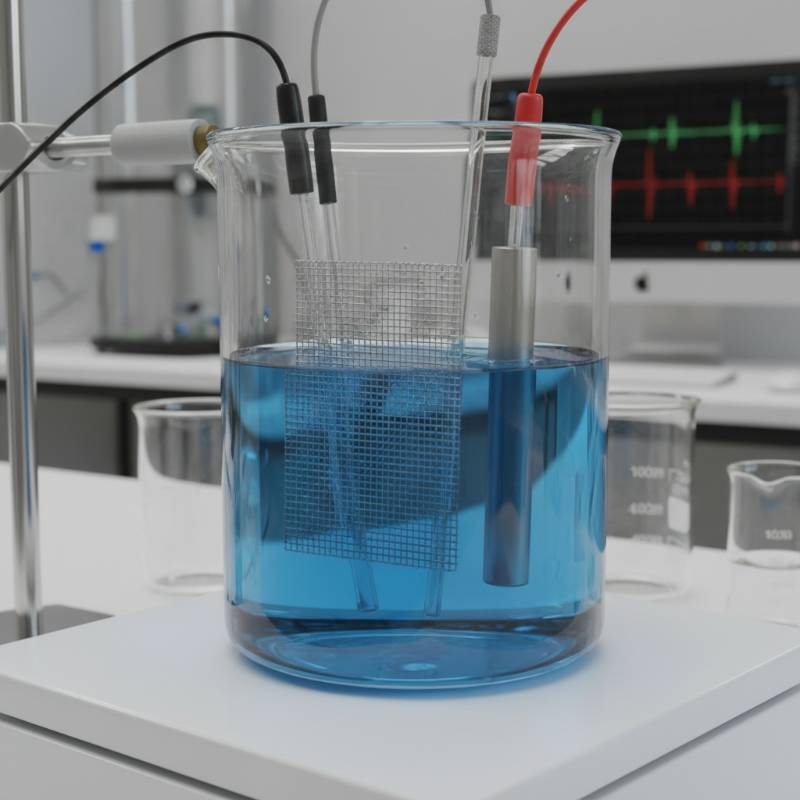
The primary challenge in aqueous batteries is the Oxygen Evolution Reaction (OER). When the potential exceeds the stability window of water, oxygen gas forms, leading to pressure buildup and electrode delamination. Titanium mesh excels here because it naturally forms a $TiO_2$ layer.
This oxide layer acts as a kinetic barrier. In our lab observations, expanded titanium mesh demonstrates superior anodic corrosion protection compared to stainless steel. However, this oxide layer is also semi-insulating.
To overcome this, we utilize localized surface modifications. According to research published in Nature Energy, managing the interface between the collector and the active material is the "last mile" of battery efficiency. We define high-performance mesh by its ability to maintain a thin, conductive oxide rather than a thick, resistive one.
Applications in Sodium-Ion and Aqueous Battery Systems
Sodium-ion batteries (SIBs) are the sustainable alternative to Lithium-ion. However, SIBs face a unique problem: aluminum, the standard cathode collector for Li-ion, can alloy with sodium at low potentials. Titanium is the solution.
In aqueous systems, the corrosive nature of salts like $Na_2SO_4$ or $LiTFSI$ destroys traditional copper collectors. Titanium mesh remains inert. We have seen a surge in demand for titanium electrode substrates for "Water-in-Salt" electrolyte configurations which push the voltage limits beyond 2.5V.
The porous nature of the mesh also aids in gas escape. If minor electrolysis occurs, the bubbles can migrate through the mesh openings rather than getting trapped against a flat foil, preventing "dead zones" in the battery chemistry.
Surface Treatments and Conductivity Enhancements
The inherent resistance of the titanium oxide layer can be a bottleneck. To solve this, we apply platinum coating or carbon-based finishes. These treatments provide "conductive islands" on the mesh surface.
Platinum/Iridium Coating: Best for high-acid electrolyzers and sensors.
Carbon Coating: The cost-effective standard for sodium-ion batteries.
Nitriding: Creates a Titanium Nitride (TiN) surface which is both conductive and incredibly hard.
Our 2026 production line now includes a proprietary "Gradient Nitriding" process. This maintains the core flexibility of the titanium while creating a surface that rivals the conductivity of nickel.
Comparative Analysis: Titanium vs. Alternative Current Collectors
| Material | Corrosion Resistance (Aqueous) | Max Voltage (vs. SHE) | Weight Penalty |
|---|---|---|---|
| Titanium Mesh | Exceptional | > 3.0V | Low (Porous) |
| Stainless Steel 316L | Moderate (Pitting Risk) | ~ 1.8V | High |
| Nickel Foam | Poor in Acid | ~ 1.5V | Medium |
Manufacturing Integration: Welding and Assembly Troubleshooting
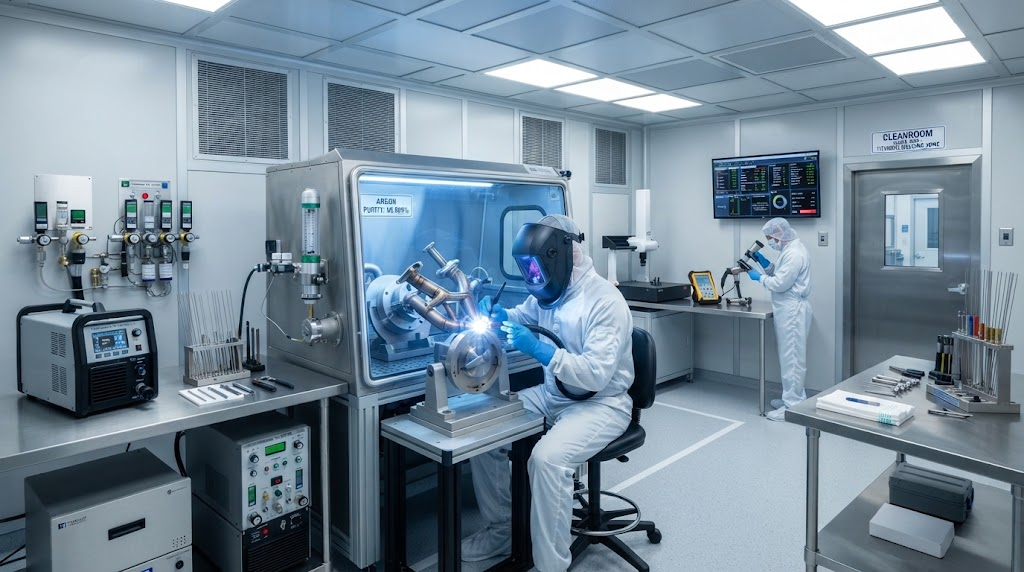
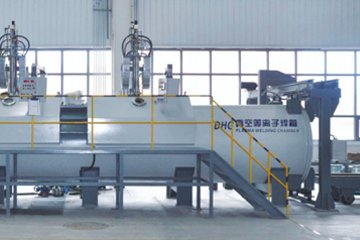
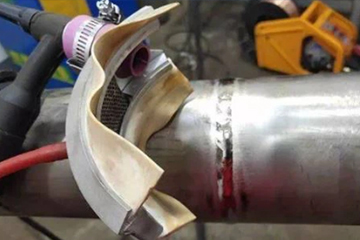
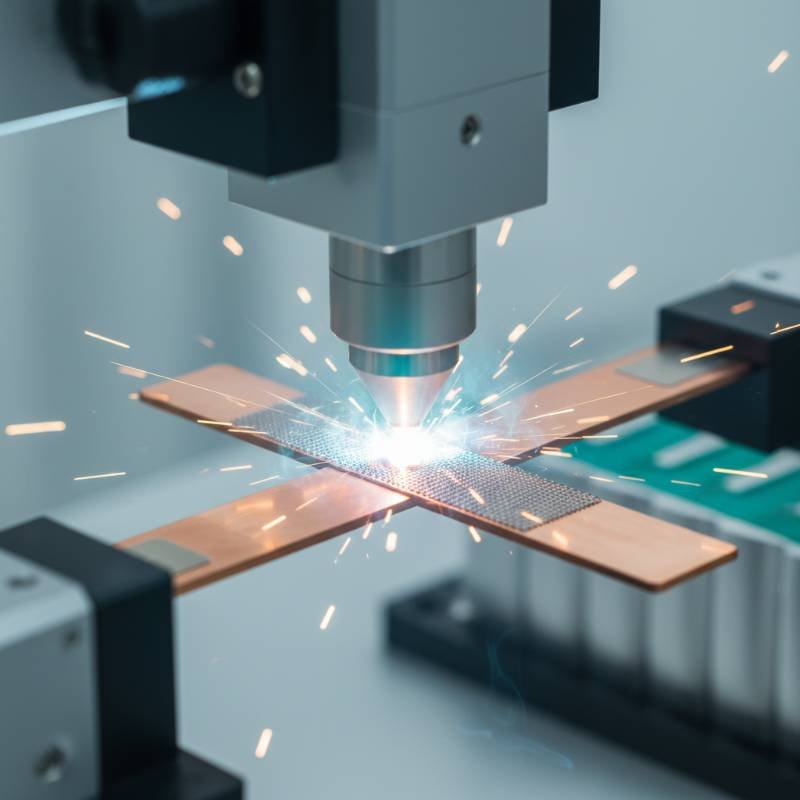
Integrating titanium mesh into a battery stack requires specialized welding techniques. Standard resistance welding often fails due to the oxide layer. We recommend ultrasonic welding for small-scale R&D and laser welding for industrial-scale production.
One common challenge is "Mesh Fraying" during the die-cutting process. To prevent this, our factory uses a localized heat-sealing edge treatment. This ensures that no loose titanium wires pierce the battery separator, which is a leading cause of internal short circuits.
When coating the mesh with active material slurry, the viscosity must be higher than that used for foils. The slurry needs to "hang" on the mesh wires without dripping through, a process we call "Structural Slurry Loading."
Frequently Asked Questions about Titanium Mesh Collectors
Can titanium mesh be used in acidic electrolytes?
Yes, titanium is highly resistant to sulfuric and hydrochloric acids at moderate temperatures. It is the preferred material for flow batteries and proton exchange membrane (PEM) systems.
How do I calculate the weight of the mesh for my energy density energy calculations?
You must factor in the "Areal Density" (g/m²). Because of the 3D structure, titanium mesh often provides a lighter footprint than an equivalent thickness foil while offering more surface area for active material adhesion.
Does the mesh size affect the C-rate of the battery?
Absolutely. Smaller mesh openings (higher mesh count) reduce the distance electrons must travel through the active material, generally supporting higher discharge rates (C-rates).
Ready to Optimize Your Battery Architecture?
Whether you are scaling a Sodium-ion pilot line or developing next-gen aqueous cells, our engineering team provides the precision titanium components you need.