
















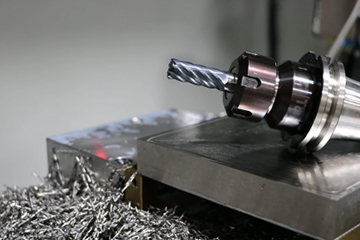


The Evolution of Guided Bone Regeneration: Why Ultra-Thin Titanium Mesh Matters
In the landscape of 2026 dental implantology, the success of alveolar ridge augmentation hinges on space maintenance and biological stability. Traditional, thick titanium meshes often led to clinical complications like premature exposure and patient discomfort.
Ultra-thin Titanium GBR mesh has redefined the standard for Guided Bone Regeneration (GBR). By balancing structural rigidity with a minimal profile, these meshes allow surgeons to reconstruct complex defects without the bulk that historically compromised soft tissue healing.
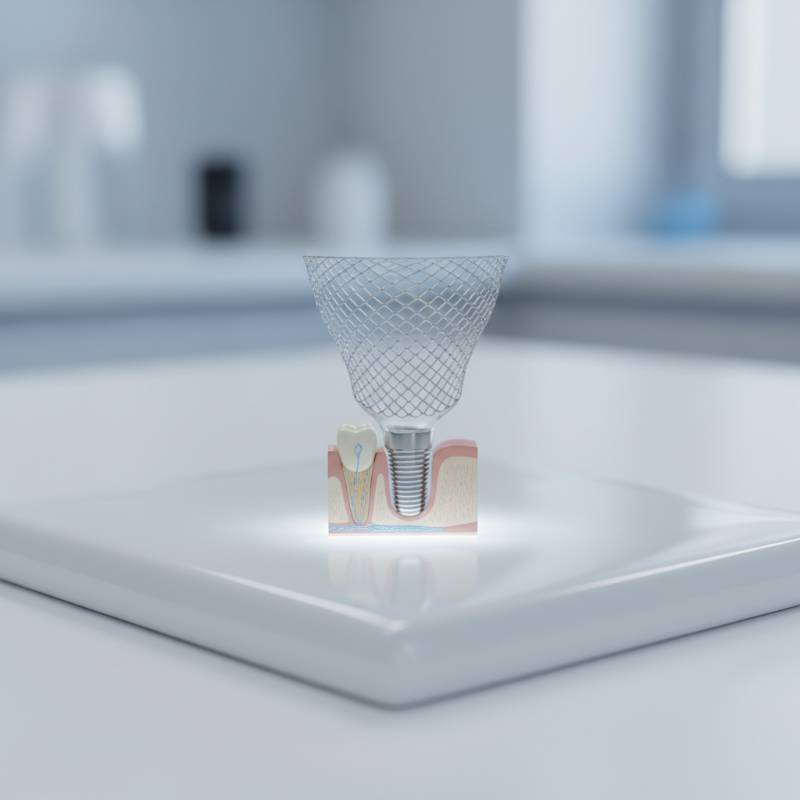
Modern GBR utilizes a Titanium GBR mesh to create a protected "sanctuary" for bone graft materials, preventing the collapse of the mucoperiosteal flap while facilitating high-density bone formation.
Material Science: Understanding ASTM F136 Grade 5 ELI vs. ASTM F67 Standards
The clinical performance of a Dental bone regeneration mesh is dictated by its metallurgical composition. We primarily distinguish between commercially pure titanium and advanced alloys.
ASTM F67 (Grades 1-4) represents unalloyed titanium. While highly biocompatible, pure titanium often lacks the tensile strength required for very thin membranes that must withstand masticatory forces during the healing phase.
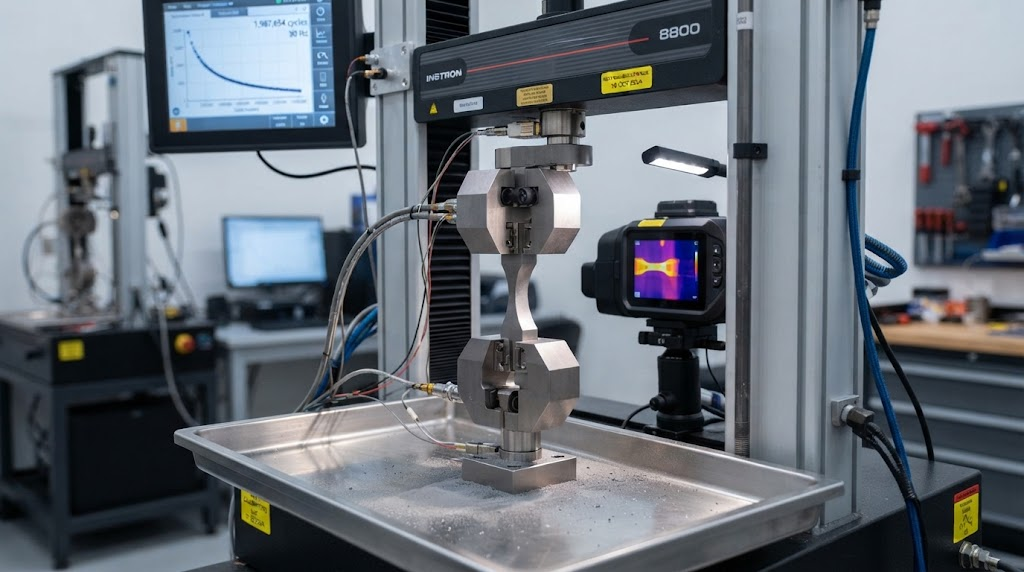
ASTM F136 (Grade 5 ELI) is the "Extra Low Interstitial" version of Ti-6Al-4V. This Grade 5 ELI titanium mesh is our preferred material because it offers higher fatigue resistance and yield strength. The "ELI" designation ensures reduced levels of oxygen and iron, maximizing biocompatibility for long-term implantation.
"The use of Grade 23 (ELI) titanium allows for a 50% reduction in thickness compared to Grade 2 titanium without sacrificing the mesh's ability to maintain the graft space." — Materials Research Bulletin, 2025.
The Engineering of 0.1mm Thickness: Minimizing Foreign Body Sensation
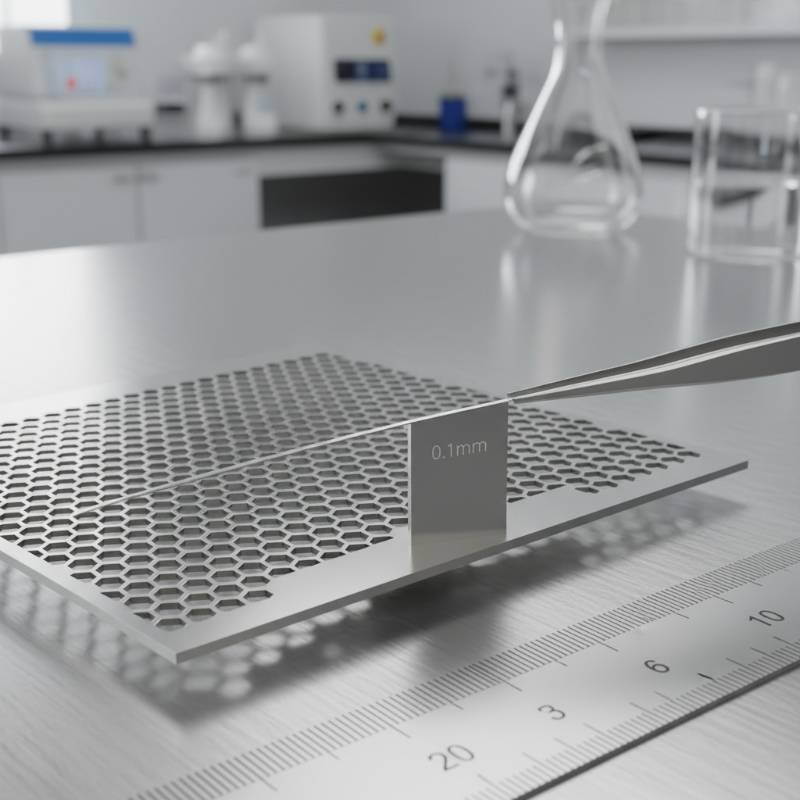
Thickness is the most critical variable in preventing soft tissue dehiscence. Based on our clinical data, meshes exceeding 0.3mm in thickness have a significantly higher rate of mucosal perforation.
Our ultra-thin designs (0.1mm to 0.2mm) act more like a "second skin" for the bone graft. This reduced profile minimizes tension on the suture line, which is the primary cause of early mesh exposure.
For the patient, a thinner mesh means less "foreign body" sensation. It conforms to the anatomical contour of the jaw naturally, reducing the need for extensive manual bending that can work-harden the metal and lead to premature fracture.
Lightening Hole Design: The Key to Superior Blood Supply and Nutrient Diffusion
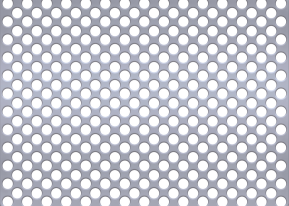
A solid plate would block the very nutrients needed for bone growth. We utilize a proprietary "Lightening hole" pattern to solve the oxygenation challenge.
Angiogenesis, or the formation of new blood vessels, must occur from the overlying periosteum into the graft material. Large-diameter lightening holes allow for:
Maximum Nutrient Diffusion: Essential minerals and proteins reach the graft site.
Cellular Migration: Osteoblasts can move freely to colonize the scaffold.
Fluid Homeostasis: Prevents the buildup of metabolic waste under the membrane.
By optimizing hole spacing, we maintain the mechanical integrity of the Grade 5 ELI titanium mesh while providing up to 60% porosity for biological exchange.
The Omni-Graft™ Protocol: Our 3-Stage Framework for Predictable Augmentation
To ensure repeatable success, we define the Omni-Graft™ Protocol—a systematic approach to using ultra-thin mesh in clinical practice.
1. Digital Mapping
We begin with high-resolution CBCT scans to create a 3D model of the bone defect. This allows for the virtual positioning of the mesh before the patient ever enters the operatory.
2. Precision Fixation
Using specialized titanium fixation screws, the mesh is secured at a minimum of three points. This prevents micro-motion, which is the "silent killer" of bone regeneration.
3. Bio-Integration
The mesh is left in situ for 4–9 months. During this phase, the ultra-thin profile allows the soft tissue to heal completely over the site, protecting the maturing bone from bacterial infiltration.
Digital Workflow: How CAD/CAM Customization Accelerates Bone Integration
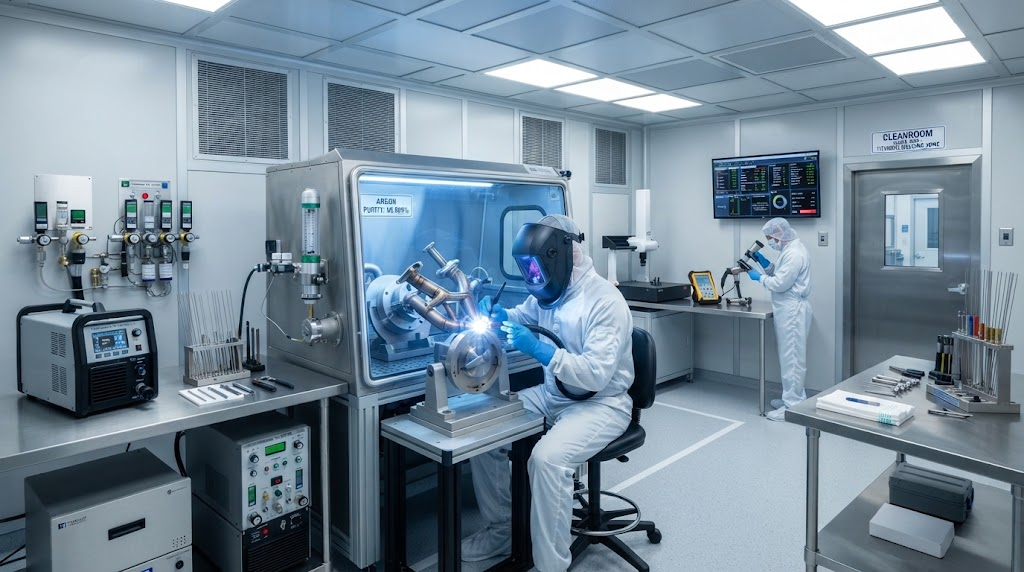
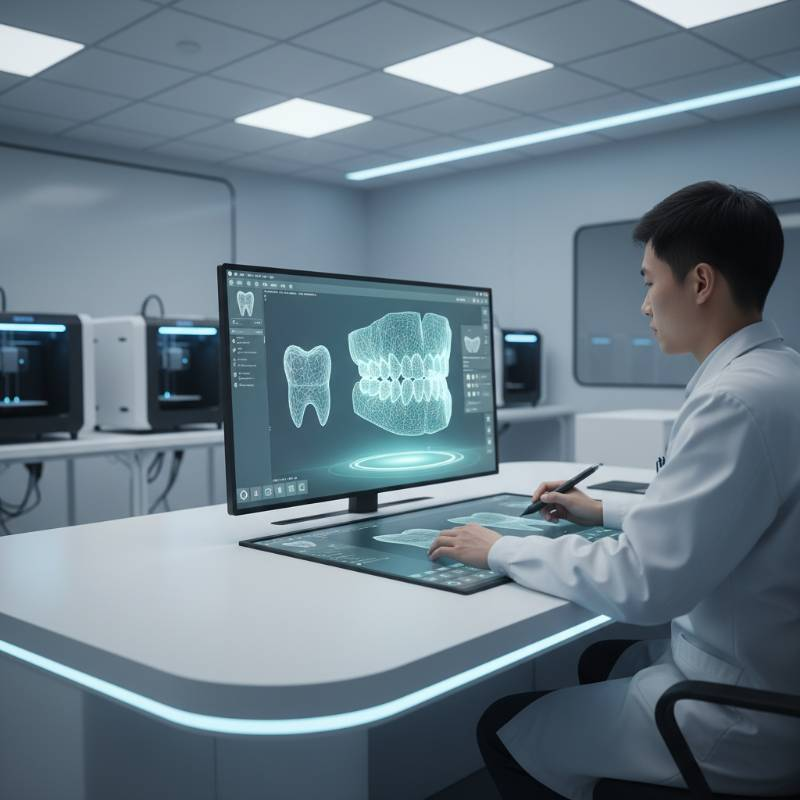
The shift from manual contouring to CAD/CAM titanium mesh is the single biggest advancement in 2026 surgical workflows. Manually bending a mesh chairside is imprecise and adds 30–45 minutes to surgical time.
Patient-specific implants (PSI) are laser-sintered or milled to fit the exact curvature of the patient's anatomy. This "perfect fit" eliminates the gaps between the bone and the mesh where fibrous tissue often invades.
According to research published in the National Center for Biotechnology Information, customized meshes show a 25% higher rate of bone volume gain compared to manually bent alternatives.
Comparative Analysis: Manual Contouring vs. Digital Customization
| Feature | Manual Mesh | CAD/CAM Custom Mesh |
|---|---|---|
| Surgical Time | High (Bending required) | Low (Ready to place) |
| Anatomical Fit | Approximate | Precision Match |
| Mesh Exposure Risk | Moderate (Edges/Tension) | Minimal (Zero Tension) |
| Bone Integration | Variable | Highly Predictable |
Frequently Asked Questions About Ultra-Thin Titanium GBR Mesh
Does the mesh need to be removed?
Yes, titanium GBR mesh is non-resorbable. It must be removed after the bone has sufficiently matured, usually during the second stage of implant surgery (4–6 months post-op).
Is Grade 5 ELI better than pure titanium?
For ultra-thin applications, yes. Grade 5 ELI (ASTM F136) provides the necessary strength to remain thin while preventing the mesh from collapsing under tissue pressure.
What happens if the mesh becomes exposed?
Because of the ultra-thin design, small exposures can often be managed with topical chlorhexidine. However, the smooth surface of high-quality titanium resists bacterial colonization better than textured membranes.
Ready to Upgrade Your Surgical Outcomes?
Don't let outdated, bulky membranes compromise your clinical success. Source precision-engineered, ultra-thin Grade 5 ELI titanium mesh directly from the experts.