



















⚡ Quick Engineering Data Sheet & Procurement Matrix
EN 10204 3.1 Traceable| Grade & Chemistry: | Al-Zn-In Sacrificial Alloy (US Mil-Spec A-24779 / DNV-RP-B401) vs. High-Potential Magnesium Alloy (ASTM B843 Grade M1C / UNS M15102) |
| Key Standard Specs: | ASTM B843 (Magnesium Alloy Anodes for Cathodic Protection), ASTM B418 / U.S. Mil-A-24779(SH) (Cast Aluminum Alloys), DNV-RP-B401 (Cathodic Protection Design), NACE SP0169 / NACE SP0387, ASTM G97 (Electrochemical Test for Anodes) |
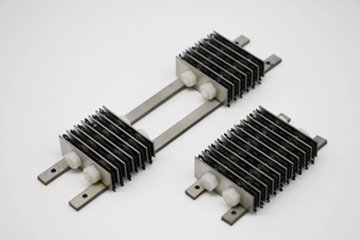
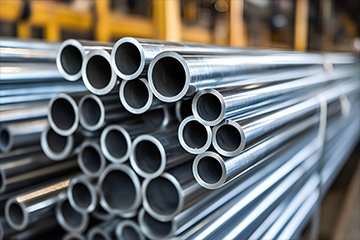
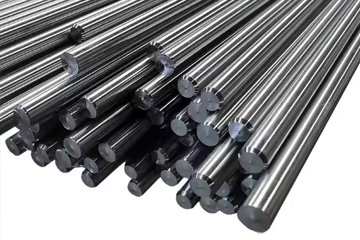
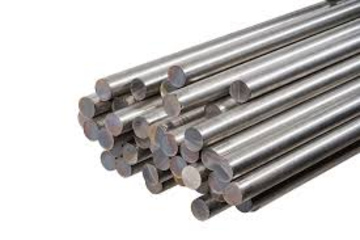
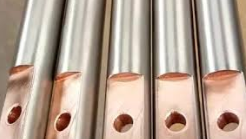
| Delivery Forms: | Cast Hull Slotted Anodes with Integrated Steel Strap Cores, Cast Pipeline Bracelet Anodes (Segmented and Half-Shell), Offshore Platform Platform-Leg Trapezoidal Stand-Off Billets, Extruded Magnesium Ribbon and Custom Flanged Water Heater Rods |
| Core Mechanical Benchmarks: | Theoretical vs. Practical Capacity: Aluminum: 2,980 theoretical / 2,400 to 2,600 Ah/kg practical; Magnesium: 2,200 theoretical / 1,100 to 1,230 Ah/kg practical | Consumption Rate (Electrochemical Equivalent): Aluminum: 3.40 kg/A·year; Magnesium: 7.90 to 8.20 kg/A·year | Closed-Circuit Potential (Ref. Ag/AgCl in Seawater): Aluminum (Al-Zn-In): -1.05 V to -1.10 V; Magnesium (AZ63/M1C): -1.50 V to -1.55 V | Volumetric Density: Aluminum Alloy: 2.75 g/cm³; Magnesium Alloy: 1.77 g/cm³ | Electrolyte Resistivity Threshold: Aluminum: 0.1 to 150 Ω·cm (Marine/Saline); Magnesium: 1,500 to 10,000+ Ω·cm (Freshwater/High-Resistivity Soil) |
| Machinability Profile: | Extruded rods require medium-speed carbide turning with dry flood air cooling to prevent magnesium chip ignition; cast sacrificial alloys are strictly designed for as-cast mounting around structural steel inserts. |
Cathodic Protection Evaluation Matrix: Aluminum vs. Magnesium Core Metrics
Aluminum sacrificial anodes (Al-Zn-In) operate at a practical current capacity between 2,400 and 2,600 Ah/kg with an electrochemical consumption rate of roughly 3.40 kg/A·year, making them the primary galvanic alloy for low-resistivity marine environments (< 150 Ω·cm). High-potential magnesium anodes (ASTM B843 Grade M1C) deliver a practical capacity of 1,100 to 1,230 Ah/kg at a consumption rate of 7.90 to 8.20 kg/A·year, providing the elevated driving voltage (-1.75 V vs. Cu/CuSO4) required to polarize steel in high-resistivity electrolytes (> 1,500 Ω·cm).
Selecting between these alloys requires assessing electrochemical cell potential, electrolyte resistivity, weight budgets, and metallurgical compatibility with the substrate. Using magnesium in seawater causes over-protection, coating disbondment, and rapid self-consumption, while aluminum installed in fresh water forms an insulating passivation layer that halts protective current output.
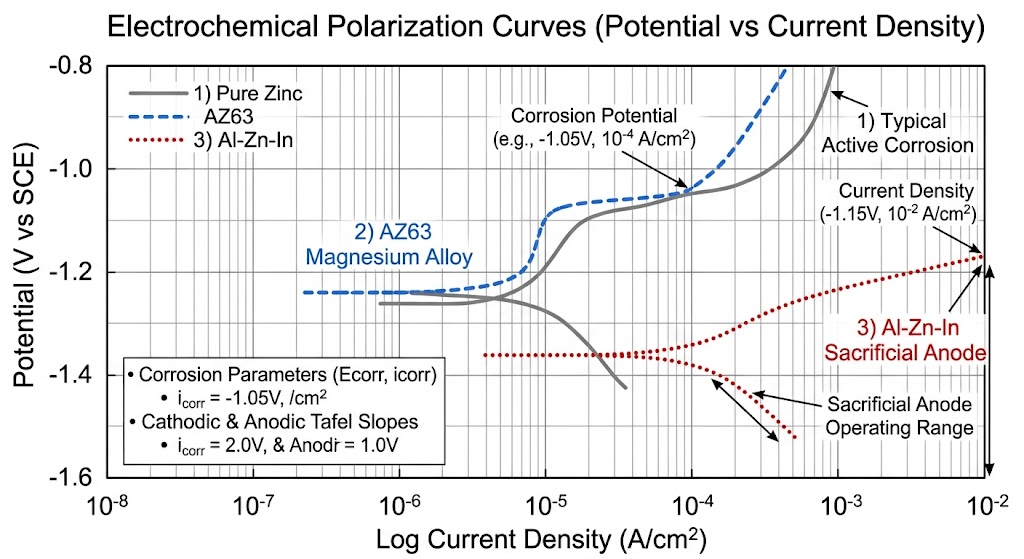
| Property Metric | Aluminum Alloy (Al-Zn-In) | Magnesium Alloy (AZ63B / Standard) | Magnesium Alloy (M1C / High-Pot) |
|---|---|---|---|
| Standard Specification | U.S. Mil-A-24779(SH) / DNV-RP-B401 | ASTM B843 Grade AZ63B | ASTM B843 Grade M1C (UNS M15102) |
| Open-Circuit Potential (vs. Cu/CuSO4) | -1.10 V to -1.15 V | -1.50 V to -1.55 V | -1.70 V to -1.78 V |
| Closed-Circuit Potential (vs. Ag/AgCl Seawater) | -1.05 V to -1.09 V | -1.45 V to -1.50 V | -1.60 V to -1.68 V |
| Practical Electrochemical Capacity | 2,400 – 2,600 Ah/kg | 1,100 – 1,200 Ah/kg | 1,100 – 1,230 Ah/kg |
| Electrochemical Consumption Rate | 3.40 kg/A·year | 7.90 kg/A·year | 7.12 – 7.90 kg/A·year |
| Current Efficiency | 80% – 85% | 50% – 55% | 50% |
| Alloy Density | 2.75 g/cm³ | 1.77 g/cm³ | 1.74 g/cm³ |
| Primary Target Electrolyte | Seawater, Saline Mud, Estuarine Waters | Brackish Water, High-Resistivity Soil | Freshwater, Onshore Soils (> 2,000 Ω·cm) |
Electrochemical Mechanics: Driving Potential, Current Density, and Passivation Dynamics
Cathodic protection relies on creating a galvanic cell where the sacrificial anode polarized potential remains more negative than the protected steel structure. Standard carbon steel in an aerated aqueous environment displays a natural corrosion potential ranging from -0.55 V to -0.65 V versus Ag/AgCl. To achieve thermodynamic protection, AMPP standard NACE SP0169 mandates shifting the polarized structural potential to a minimum criterion of -0.85 V versus copper/copper sulfate (Cu/CuSO4) or -0.80 V versus silver/silver chloride (Ag/AgCl).
Driving Potential: The net electrical voltage differential between the closed-circuit operating potential of the sacrificial anode (Eanode) and the polarized target potential of the protected metallic structure (Estructure): ΔV = Estructure - Eanode.
For an Al-Zn-In anode operating at -1.05 V vs. Ag/AgCl protecting a steel hull at -0.80 V vs. Ag/AgCl, the net driving potential is approximately 0.25 V. A high-potential magnesium anode (M1C) polarized to -1.65 V vs. Ag/AgCl yields an elevated driving potential of 0.85 V. According to Ohm's law (I = ΔV / R), magnesium delivers 3.4 times higher current discharge than aluminum through an identical circuit resistance.
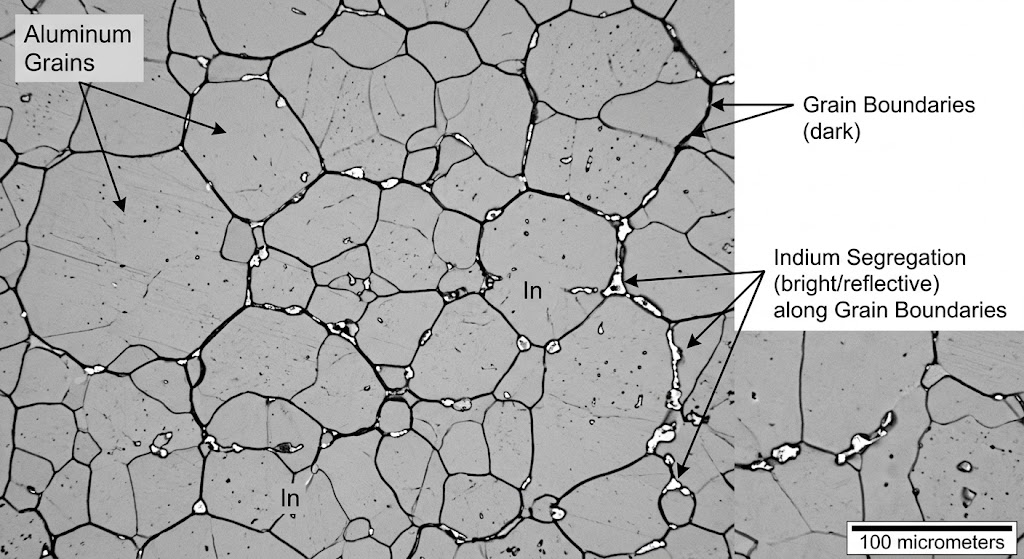
Aluminum readily forms a tough, dielectric amphoteric oxide film (Al2O3) that causes passivation and drops protective current output. Maintaining electrochemical activation requires micro-alloying pure aluminum (99.85%) with 2.5% to 4.0% Zinc and 0.015% to 0.025% Indium. Indium atoms segregate along the intergranular boundary network, destabilizing the lattice structure of the passivating film and promoting continuous, uniform chloride-pitting dissolution per ASTM G97 testing protocols.
Magnesium experiences minimal passivation because its hydroxide film [Mg(OH)2] remains porous across wide pH ranges. However, this creates low current efficiency (typically 50%). The remaining half of the theoretical capacity is lost to parasitic micro-galvanic corrosion, which hydrolyzes water and generates surface hydrogen gas directly at the anode face.
Electrolyte Resistivity Thresholds: Seawater, Brackish Water, and Freshwater Operational Boundaries
Electrolyte resistivity (ρ, measured in Ω·cm) determines the selection boundary between aluminum and magnesium systems. The internal electrolytic path resistance governs the current throw from the anode surface to the cathode, directly shaping anode mass calculations.
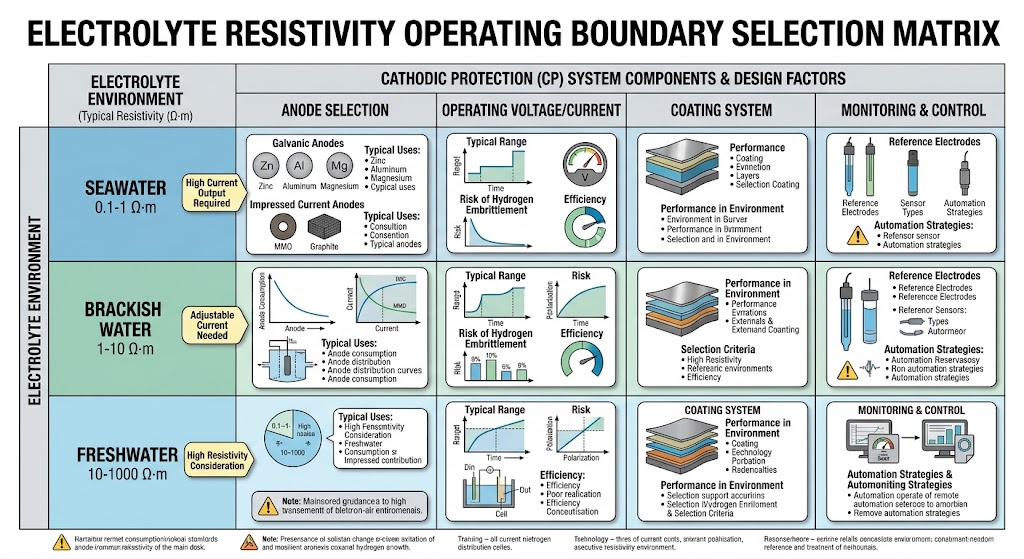
Operating boundaries follow three primary resistivity tiers:
Low Resistivity (0.1 to 50 Ω·cm — Marine & Open Ocean): Aluminum alloys are the engineering standard. Seawater provides abundant chloride ions (approximately 19,000 mg/L) that sustain indium activation. The moderate driving potential (0.25 V) supplies sufficient current without over-polarizing the steel substrate.
Intermediate Resistivity (50 to 500 Ω·cm — Estuarine & Brackish Waters): This transition zone presents design challenges. If salinity dips below 1,000 ppm chloride or resistivity rises past 150 Ω·cm, standard Al-Zn-In anodes passivate, producing an adherent white hydroxide crust that terminates current delivery. Magnesium alloys become viable here, though their rapid consumption requires thicker profiles.
High Resistivity (1,500 to 15,000+ Ω·cm — Freshwater Lakes, Municipal Water, Onshore Soils): Magnesium is metallurgically required. Aluminum cannot provide sufficient current density against these high circuit resistances. In fresh water (such as the Great Lakes at 4,000 to 6,000 Ω·cm), magnesium's 0.85 V driving potential maintains the necessary cathodic current output to achieve NACE SP0169 polarization criteria.
Where extended design life (30 to 50 years) precludes sacrificial anode replacement, or where alternating salinity causes rapid passivation cycles, engineers specify dimensionally stable MMO titanium ribbon mesh and tubular anodes powered by impressed current cathodic protection (ICCP) rectifiers.
Structural Failure Modes: Hydrogen Embrittlement (HISC) and Pyrophoric Spark Hazards
Improper anode material selection can lead to sudden structural failures beyond ordinary corrosion loss. These stem from over-protection mechanisms and mechanical impact hazards.
1. Hydrogen Over-Protection & HISC in High-Strength Steels
When high-potential magnesium anodes (-1.65 V to -1.75 V vs. Cu/CuSO4) operate in low-resistivity aqueous media, they shift the structure's polarized potential far negative of the hydrogen evolution threshold (-1.05 V vs. Ag/AgCl). This causes active electrolysis of water, generating monatomic hydrogen atoms (H+ + e- → Hads) across the steel surface.
In high-strength carbon steels (yield strength exceeding 550 MPa / hardness > 22 HRC per NACE MR0175), along with martensitic, precipitation-hardened (17-4PH), and 25Cr duplex stainless steels, atomic hydrogen diffuses into the metal crystal lattice. Trapped hydrogen migrates to triaxial stress fields at subsea fastener roots, welds, and pipe bends, causing sudden, brittle Hydrogen-Induced Stress Cracking (HISC).
| Material Class | Yield Strength Ceiling | Aluminum Anode Polarized (Typ. -1.05 V) | Magnesium Anode Polarized (Typ. -1.55 V) |
|---|---|---|---|
| Structural Mild Steel (S355JR, A36) | < 355 MPa | Safe (Fully Protected) | Coating Blistering / High Dissolution |
| High-Strength Structural (AISI 4140, 8630) | 550 – 800 MPa | Safe (Negligible HISC Risk) | Severe HISC / Fastener Failure Risk |
| Super Duplex Stainless Steel (25Cr UNS S32750) | > 550 MPa | Safe per DNV-RP-F112 Limits | Catastrophic Cleavage Cracking |
| ASTM B265 Grade 1/2 Commercially Pure Titanium | 170 – 275 MPa | Immune (No Hydride Formation) | Hydride Formation Risk if < -1.20 V |
For subsea manifolds and structural bolting, marine designs specify pure ASTM B265 Grade 1 titanium sheet substrate hardware or controlled Al-Zn-In sacrificial systems compliant with DNV-RP-B401 guidelines.
2. Pyrophoric Thermite Sparking Hazards (SOLAS Constraints)
Aluminum sacrificial anodes present mechanical impact explosion risks in offshore petroleum extraction and maritime transit. If an aluminum alloy casting drops onto or strikes rusted structural steel, mechanical energy converts into localized frictional heat.
This kinetic contact triggers an exothermic thermite oxidation-reduction reaction: 2Al + Fe2O3 → Al2O3 + 2Fe + ΔH. This chemical reaction creates incandescence, showering white-hot molten sparks (exceeding 1,800°C) into the surrounding space. Under the International Convention for the Safety of Life at Sea (SOLAS Chapter II-2, Reg. 4.5.5) and ATEX directives, aluminum anodes are forbidden in hazardous locations, cargo holds, and crude oil ballast tanks where kinetic impact energy exceeds 200 Joules (or a height-mass product m × h exceeding 20 kg·m). Zinc or non-sparking impressed current titanium arrays must be substituted.
Application-Specific Selection: Offshore Jackets, Marine Hulls, Buried Pipelines, and Water Heaters
Selecting anode material for field deployment involves balancing structural deadweight, operational lifespan, electrolyte chemistry, and maintenance accessibility across targeted industrial installations.
Offshore Platforms, Subsea Pipelines, and Jackets
Fixed offshore jackets in open sea use Al-Zn-In trapezoidal stand-off and segmented pipeline bracelet anodes. Because aluminum yields 2,500 Ah/kg of protection compared to magnesium’s 1,150 Ah/kg, adopting aluminum reduces the structural deadweight load on jacket legs by over 54%.
A deepwater platform requiring 25,000 Amperes of protection across a 25-year lifespan would demand 2,125 metric tons of cast magnesium alloy, compared to 903 metric tons of Al-Zn-In alloy. This weight reduction directly cuts offshore crane lift expenses and steel structural bracing volumes.
Commercial Marine Vessel Hulls
Commercial hulls operating in open ocean trade lanes use cast aluminum hull slotted anodes with integrated, weldable structural steel flat-strap cores. Magnesium is never fitted to seawater vessels; its high driving voltage strips marine epoxy barrier primers via cathodic disbondment (electro-osmotic water transport beneath the coating layer).
Only vessels dedicated purely to freshwater inland rivers use high-potential magnesium hull anodes, preventing steel corrosion under high electrical resistance conditions.
Cross-Country Buried Transmission Pipelines
Buried carbon steel pipelines operating in native onshore soils (ranging from 2,000 to 20,000 Ω·cm) rely on packaged magnesium anodes. These anodes are pre-packaged in cloth bags containing a bentonite-gypsum-sodium sulfate backfill to maintain moisture and sustain uniform alloy dissolution.
Aluminum anodes cannot overcome the ohmic soil drop (IR drop), resulting in unmitigated localized pitting beneath damaged pipeline coating holidays.
Industrial Boilers & Water Heaters: The Sulfur Odor Problem
Magnesium rods installed in hot water systems with elevated sulfate levels react with native Desulfovibrio sulfate-reducing bacteria. The anode's rapid hydrogen evolution reduces dissolved sulfates (SO42-) into hydrogen sulfide gas (H2S), producing a distinct rotten-egg smell.
Replacing the magnesium element with an extruded Aluminum-Zinc alloy rod (typically 92% Al, 7% Zn, 1% Sn) or powered MMO titanium electrodes eliminates the hydrogen generation driver, neutralizing rotten-egg gas odors while maintaining core tank protection.
Operational Limitations, Environmental Hazards & Mitigation Protocols
Cathodic protection designs operate within strict metallurgical boundaries. Exceeding these environmental parameters can trigger rapid anode degradation or complete loss of cathodic polarization.
Engineering Rule of Thumb: Never specify Al-Zn-In alloys in systems with bulk temperatures above 40°C unless verified via high-temperature ASTM G97 testing. Above 60°C, intergranular attack accelerates consumption by 300% to 500%.
Critical operating envelopes include:
Thermal Derating Thresholds: Standard cast Al-Zn-In alloys degrade rapidly in operating temperatures above 40°C. In high-temperature subsea production pipelines or warm ballast tanks, the protective current efficiency of Al-Zn-In drops from 85% to under 40% at 65°C. This drop occurs as zinc segregation promotes intergranular disintegration, causing unoxidized metallic grains to detach from the core. High-temperature applications require specialized aluminum compositions with elevated indium concentrations or certified high-purity zinc systems.
Galvanic Isolation and Copper Coupling Hazards: Sacrificial anodes must never sit directly against bare yellow metals (copper, naval brass, cupronickel) without deliberate resistance budgeting. Directly coupling magnesium to copper piping creates a severe galvanic cell, consuming the anode prematurely via rapid self-discharge.
Stagnant Water Dielectric Passivation: Aluminum sacrificial anodes require fluid motion and ambient chloride circulation. In stagnant, enclosed un-aerated holding tanks with dissolved oxygen levels below 1 mg/L and low-salinity run-off, aluminum surfaces accumulate dense layers of aluminum hydroxide [Al(OH)3], dropping protective current output to zero.
Chemical Processing Exposure Limits: Sacrificial alloys must not contact strongly acidic process media (pH < 4.5) or strongly caustic cleaners (pH > 8.5). Aluminum and magnesium undergo active chemical dissolution in these regimes independent of cathodic polarization. Mixed metal oxide or platinized titanium anodes should be substituted for these environments.
The China Titanium Quality Protocol: Traceability, MTC 3.1 & Non-Destructive Testing
Reliable cathodic protection depends on strict raw material purity and core-to-cast bond integrity. Scrap-contaminated foundry melts containing trace tramp elements will initiate localized self-discharge cells that consume the anode internally before field installation.
China Titanium Factory maintains an advanced testing protocol for all cathodic protection components and custom anode sub-assemblies:
100% Melt Optical Emission Spectrometry (OES): Every melt charge undergoes direct spectrographic verification. We verify that iron, copper, and nickel concentrations remain below critical limits (Fe ≤ 0.09%, Cu ≤ 0.003%, Ni ≤ 0.002% in aluminum; Fe ≤ 0.002% in high-potential magnesium) to prevent micro-galvanic short-circuiting. Full chemical and physical data are documented in EN 10204 Type 3.1 Inspection Certificates.
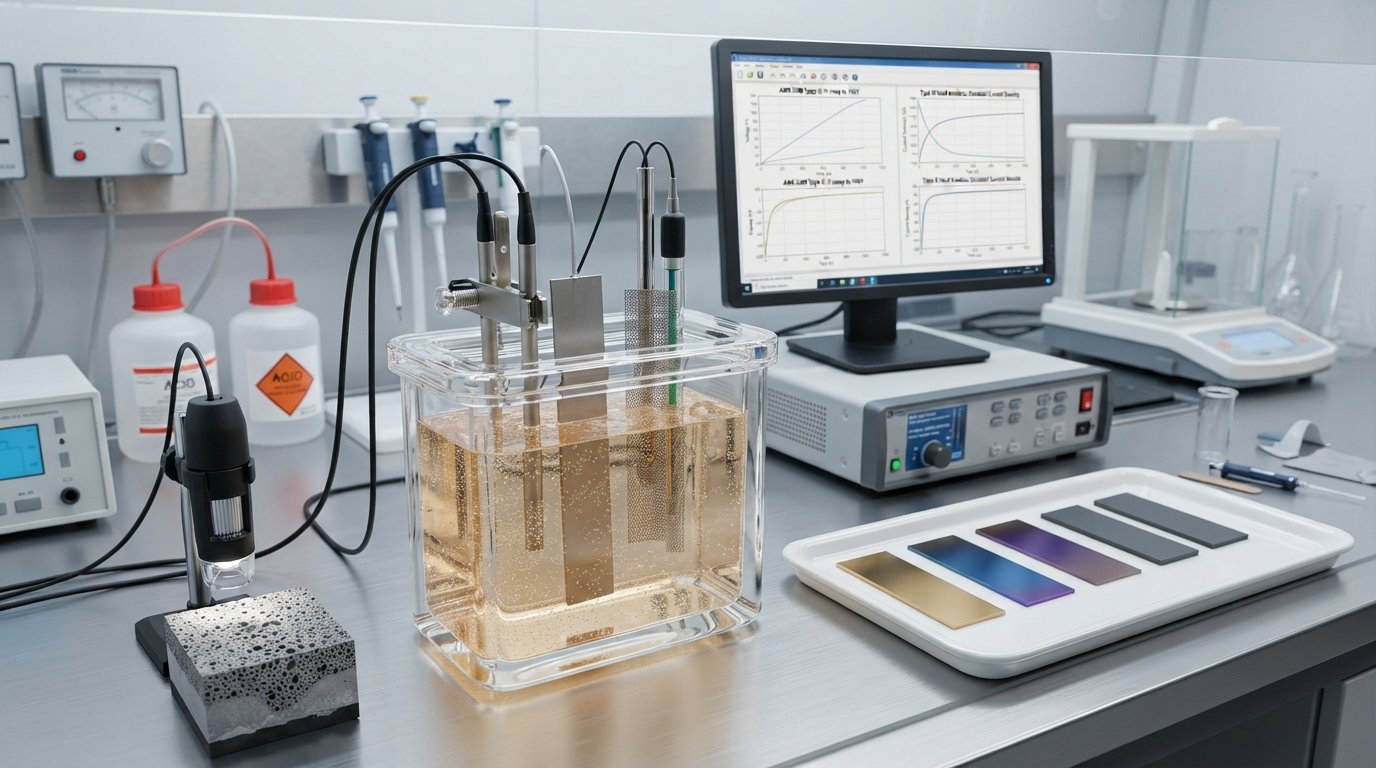
96-Hour Galvanostatic ASTM G97 Verification: Production run specimens undergo 96-hour continuous closed-circuit potential and current capacity testing in artificial electrolytes. This verifies that current delivery meets or exceeds 2,500 Ah/kg for aluminum and 1,100 Ah/kg for magnesium before foundry dispatch.
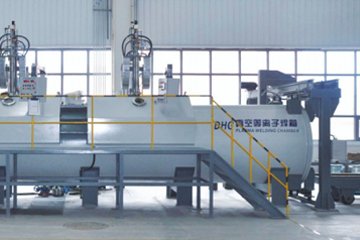
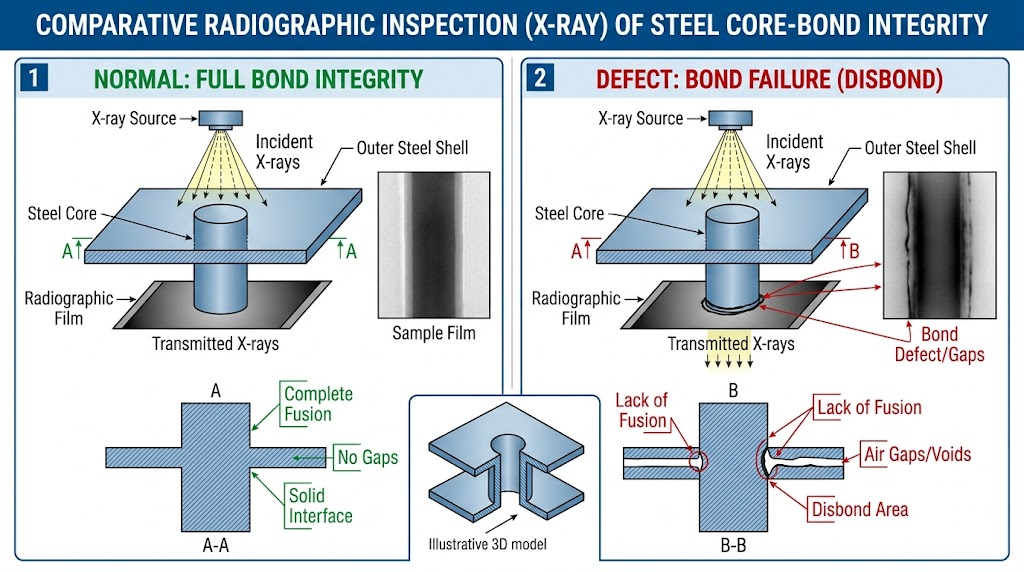
Radiographic (X-Ray) Core-Bond Interface NDT: Sacrificial castings are structurally cast around galvanized or sandblasted carbon steel mounting inserts (such as flat straps or pipe cores). We utilize 100% industrial radiographic inspection across structural cores to verify zero voiding or air-gap shrinkage exceeding 5 mm along the steel-alloy junction, ensuring low internal electrical resistance (< 0.001 Ω).
Precision Continuity Machining: For assemblies requiring tapped mounting pads or direct busbar isolation, our facility provides precision CNC titanium anode hardware machining. This work maintains precision dimensional tolerances across subsea CP mounting brackets, insulated sled mounts, and custom continuity bypass assemblies.
Export Preservation Standards: Castings and precision-machined CP interfaces are cleaned, packed with desiccant to prevent oxidation, wrapped in heavy-gauge polymer sheeting, and secured inside ISPM 15 heat-treated, fumigated timber crates for international ocean transit.
Procurement Standards and Specifications: ASTM B843, ASTM B418, and DNV-RP-B401
Cathodic protection contracts demand strict compliance with international manufacturing standards. The chemical composition limits below represent the mandatory alloy thresholds required to avoid premature passivation or accelerated self-discharge.
| Element | Aluminum-Zinc-Indium (DNV-RP-B401 / U.S. Mil-A-24779) | Standard Magnesium AZ63B (ASTM B843 Grade AZ63B) | High-Potential Magnesium M1C (ASTM B843 Grade M1C) |
|---|---|---|---|
| Aluminum (Al) | Balance | 5.3 – 6.7% | ≤ 0.010% |
| Zinc (Zn) | 2.50 – 4.00% | 2.5 – 3.5% | — |
| Indium (In) | 0.015 – 0.025% | — | — |
| Manganese (Mn) | — | 0.15 – 0.40% | 0.50 – 1.30% |
| Iron (Fe) [Max] | 0.090% | 0.003% | 0.030% |
| Copper (Cu) [Max] | 0.003% | 0.020% | 0.020% |
| Silicon (Si) [Max] | 0.100% | 0.100% | 0.050% |
| Nickel (Ni) [Max] | 0.002% | 0.002% | 0.001% |
| Magnesium (Mg) | — | Balance | Balance |
Frequently Asked Questions: Cathodic Protection Metallurgy and Sizing
Why is magnesium generally excluded from full-immersion ocean applications?
Magnesium's high driving voltage (-1.75 V vs. Cu/CuSO4) generates excessive current in low-resistivity seawater (approx. 20 to 30 Ω·cm). This causes heavy over-protection that can strip anti-corrosion barrier coatings via cathodic disbondment and induces Hydrogen-Induced Stress Cracking in high-strength steels. Furthermore, magnesium experiences accelerated self-corrosion in saline water, dropping actual efficiency to under 30% and exhausting the anode prematurely.
Can an aluminum anode replace a magnesium anode in a commercial water heater?
Yes, provided the water contains sufficient mineral conductivity (moderate to hard water, > 120 mg/L CaCO3 equivalents). Substituting an Aluminum-Zinc sacrificial rod or powered titanium electrode stops the generation of offensive hydrogen sulfide (rotten-egg) odors caused by magnesium reacting with sulfate-reducing bacteria. However, in soft freshwater (< 60 mg/L CaCO3), aluminum forms a passivating hydroxide film, and magnesium remains required.
How can QA engineers confirm that an aluminum anode will not passivate in service?
Verifying performance requires: First, confirming that Indium content falls strictly within 0.015% to 0.025% alongside iron impurities ≤ 0.09% on the EN 10204 3.1 Spectrometric Certificate. Second, validating sample performance via 96-hour galvanostatic electrochemical testing per DNV-RP-B401 or ASTM G97, confirming practical capacity above 2,400 Ah/kg and an operating potential between -1.05 V and -1.09 V vs. Ag/AgCl.
When should an engineer specify MMO titanium impressed current anodes over sacrificial systems?
Impressed Current Cathodic Protection (ICCP) using MMO coated titanium becomes the standard choice when: (1) Asset design life targets 25 to 50+ continuous years without anode replacement; (2) Sacrificial anode deadweight loads threaten structural capacity limits; (3) Flow rates or fluctuating salinities would passivate or prematurely exhaust sacrificial anodes; or (4) The structure requires precise polarization control to protect high-strength steels from HISC.
3-Step Engineering Intake Protocol: Custom Anode Design & Sizing Consultation
To eliminate sizing errors, structural overweighting, and premature field passivation, China Titanium Factory provides an established technical consultation workflow for procurement specialists, EPC contractors, and marine engineers.
Our sizing and review process operates via the Domain 3-Step Velocity Framework:
Step 1: Environmental & Substrate Parameter Intake
Submit project parameters via our portal: electrolyte resistivity (Ω·cm), operating temperature profiles, substrate structural metallurgy (yield strength, steel grades), coating classification, and target design service life (e.g., 10, 20, or 30 years).Step 2: 24-Hour AMPP/DNV-RP-B401 Sizing Verification
Our NACE/AMPP-certified corrosion engineers model total surface current demand (mA/m2), calculate required net anode mass, check thermal and ohmic limits, and prepare custom 2D/3D casting designs with optimized steel core flat-strap layouts.Step 3: Quality Dossier Approval & Production Dispatch
Every cast or machined lot arrives with complete traceability dossiers, including melt-heat OES chemical reports, core-bond radiographic validation, and EN 10204 Type 3.1 certification. Pilot test lots ship within 5 to 7 business days in seaworthy, desiccated packaging.
Direct Metallurgical Consultation & Technical RFQ
QA & Engineering SupportEvaluating sacrificial anode allocations, deadweight budgets, or impressed-current options for critical service environments? Connect directly with our metallurgical and CNC engineering team to review 2D/3D part drawings, verify EN 10204 3.1 certification dossiers, or request ultrasonic testing records.
MTC 3.1 Verification: Full heat melt traceability & spectrographic chemical batch reports.
DFM & Tolerance Review: Precision centerless grinding (h7/h8/h9) & toolpath feasibility analysis.
NDT Compliance: AMS 2631 Class AA/A ultrasonic inspection and liquid penetrant testing certs.