


















Titanium Mesh and Expanded Sheet Specification: ASTM B265/B863 Open-Area Formulas, PEM Tolerances & MMO Anode Metallurgy
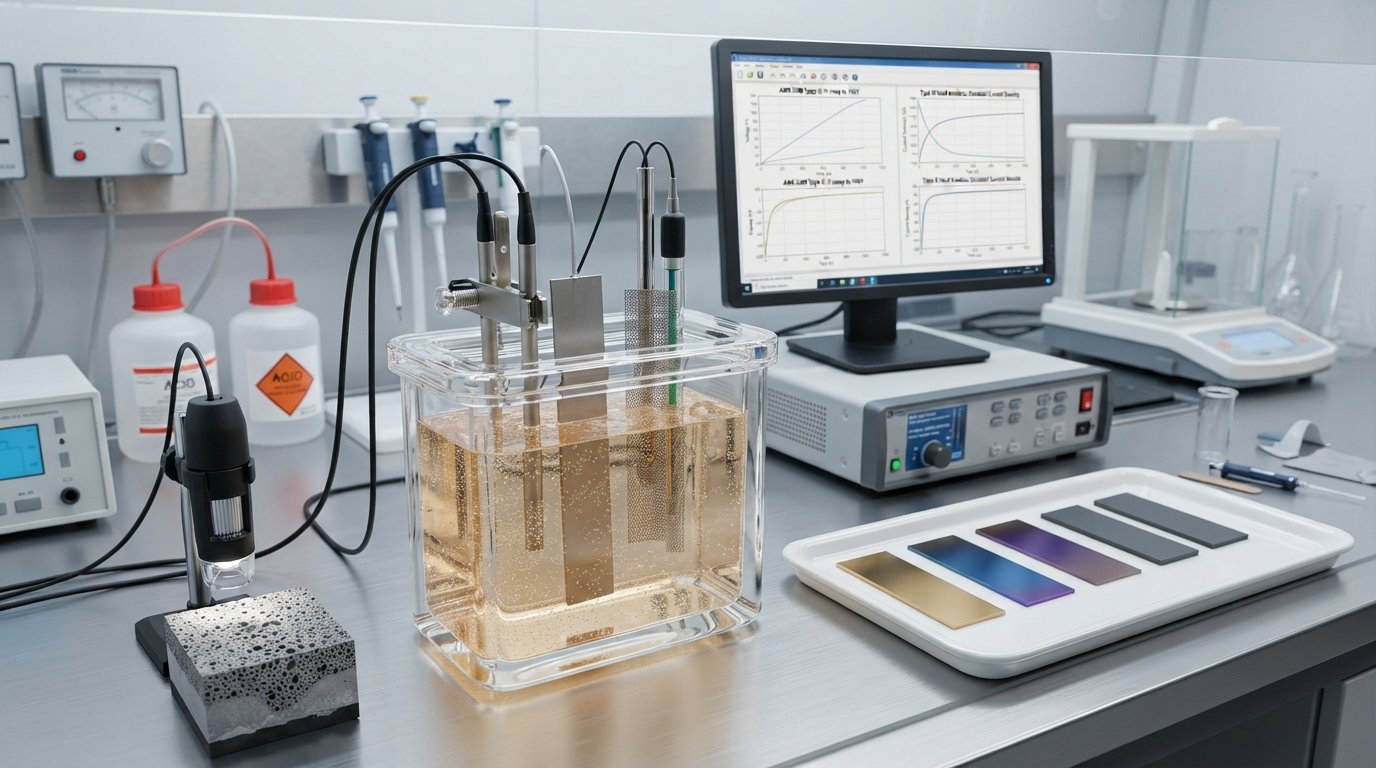
This comprehensive metallurgical specification guide establishes quantitative engineering baselines, rigorous physical open-area formulas, manufacturing mechanics, and failure prevention criteria for titanium mesh and expanded sheets manufactured to ASTM B265 and ASTM B863 standards. Designed for Senior Electrochemical Engineers, Quality Assurance Managers, and Industrial Procurement Directors, this documentation details critical operational parameters for proton exchange membrane (PEM) electrolyzer porous transport layers (PTLs), mixed metal oxide (MMO) chlor-alkali and electrowinning anodes, and harsh-service chemical mass-transfer operations.
Material Specifications & Core Baseline Parameters
The engineering selection of porous titanium substrates governed by ASTM B265 and ASTM B863 requires strict adherence to baseline metallurgical parameters, dimensional limits, and mechanical deformation thresholds. Commercially pure titanium alloys—specifically UNS R50250 (Grade 1), UNS R50400 (Grade 2), and palladium-stabilized UNS R52400 (Grade 7)—form the backbone of industrial electrochemical mesh infrastructure. The primary engineering trade-offs govern cold-formability during shearing, post-flattening planar stability, and interstitial impurity pick-up during secondary processing.
This Titanium Mesh and Expanded Sheet Specification covers both solid-state slit-expanded sheet products and precision woven wire cloths. Base strip feedstock must be cold-rolled and vacuum-annealed to establish an equiaxed alpha microstructure capable of sustaining severe localized biaxial plastic deformation. For ultra-thin micro-expanded foils (thickness 0.10 mm to 0.50 mm) deployed in zero-gap proton exchange membrane (PEM) stacks, thickness tolerances must be restricted to ±0.015 mm, with burr heights mathematically clamped below 5 μm to eliminate catastrophic membrane puncture under operational clamping pressures up to 3.0 MPa.
| ASTM Standard & Grade | UNS Code | Tensile Strength Rm (MPa) | Yield Strength Rp0.2 (MPa) | Elongation A50 Min (%) | Hardness Max (HV) | Primary Industrial Application |
|---|---|---|---|---|---|---|
| ASTM B265 Grade 1 | UNS R50250 | 240–380 | 170–310 | 24 | 120 | PEM PTL micro-mesh foils, chlor-alkali zero-gap electrodes |
| ASTM B265 Grade 2 | UNS R50400 | 345–520 | 275–450 | 20 | 160 | Structural MMO coated anode grids, electrochlorination baskets |
| ASTM B265 Grade 7 | UNS R52400 | 345–520 | 275–450 | 20 | 160 | Sour brine deaerators, boiling hydrochloric acid filters |
| ASTM B863 Grade 1 | UNS R50250 | 240–400 | 170–310 | 20 | 130 | Precision woven Dutch wire cloth, fine catalyst retention |
| ASTM B863 Grade 2 | UNS R50400 | 345–520 | 275–450 | 18 | 170 | High-velocity knitted gas demister pads, coarse wire screens |
Manufacturing Mechanics & Architecture: Expanded Sheet vs. Woven Wire vs. Perforated Plate
The manufacturing architecture of porous titanium determines electrical conduction efficiency, mechanical shear stiffness, structural integrity under high differential pressure, and unit production economics. Expanded titanium sheet, woven titanium wire mesh, and perforated titanium sheet represent three fundamentally distinct structural topologies derived from ASTM B265 coil or ASTM B863 wire. Selecting between these architectures dictates whether an electrochemical reactor operates with monolithic current paths or experiences parasitic ohmic losses across mechanically coupled wire strands.
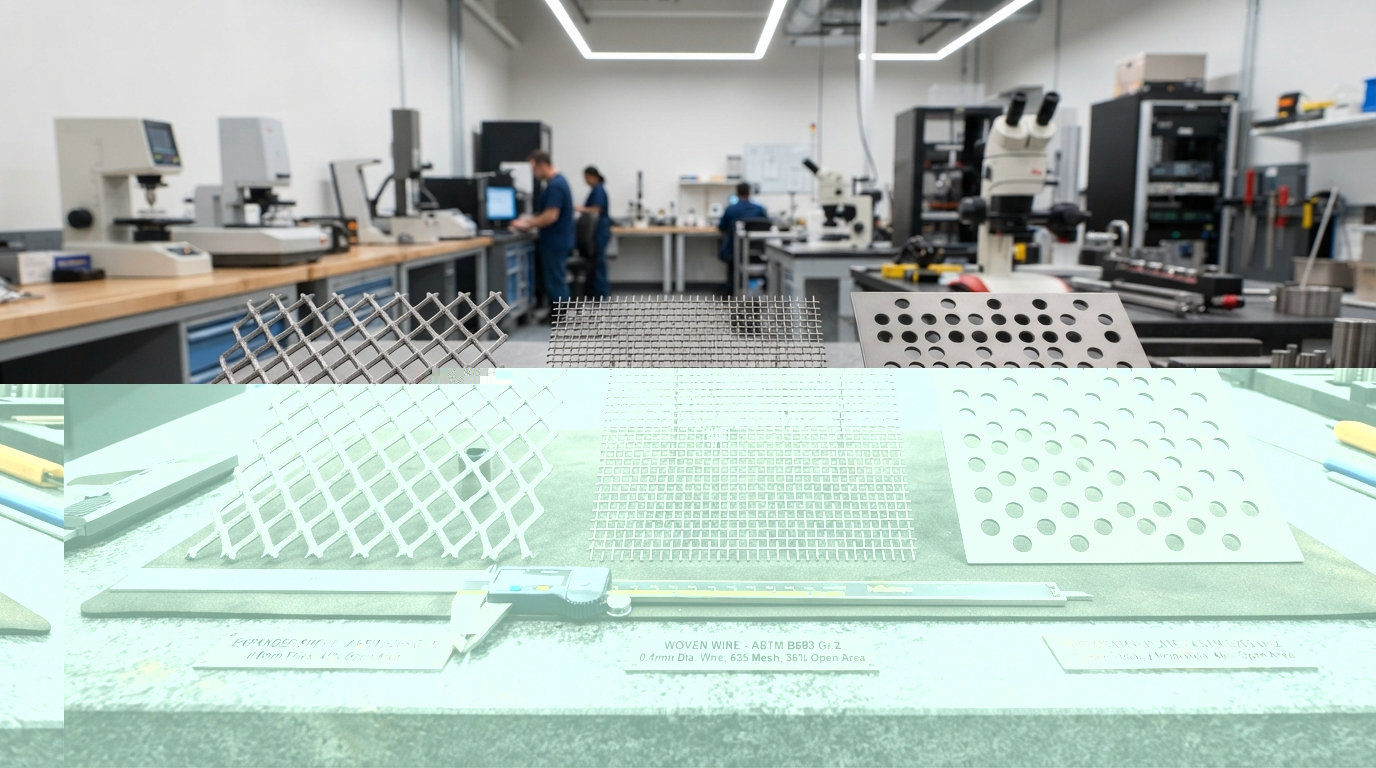
The primary engineering divergence lies in raw material yield and physical continuity. Slit-and-stretch expansion operates without punching scrap, stretching the parent titanium sheet up to 300% of its initial length while maintaining uninterrupted metallic integrity throughout the network. In contrast, CNC punching produces 40% to 65% slug scrap, dramatically driving up material acquisition costs for high-value titanium. Woven wire mesh avoids scrap loss during weaving but introduces cross-wire contact interfaces that degrade electrical performance under continuous high-amperage electrochemical operation.
Slit-and-Stretch Shear Expansion (ASTM B265 Foil & Sheet)
Slit-and-stretch expansion transforms solid ASTM B265 cold-rolled coil into a continuous, diamond-patterned porous lattice via precision reciprocating shear tooling. A serrated upper knife performs simultaneous piercing and transverse stretching strokes against a fixed lower counter-die. Because the material is plasticized and extended beyond its yield point without ejecting metal slugs, this zero scrap expansion process yields 150% to 300% expanded surface area per kilogram of parent coil, establishing decisive economic advantages over perforated plate.
From an electrochemical perspective, the diamond geometry features solid, uncut junction points known as knuckle bond nodes. These nodes form an integral, monolithic current collector that guarantees identical electrical continuity across the entire planar array. Unlike woven meshes that rely on compressive contact between intersecting wires, expanded sheet eliminates crossover contact resistance, enabling efficient high-density current transmission up to 20,000 A/m² without localized micro-arcing or hotspot development.
Successful expansion of titanium requires careful management of work-hardening rates. Titanium exhibits a hexagonal close-packed (HCP) alpha crystal structure at ambient temperatures, providing limited active slip systems ({1010} prism slip and {1011} pyramidal slip). Tool clearances must be strictly held between 3% and 5% of the base metal thickness, lubricated with water-soluble, chlorine-free synthetic lubricants, to avoid edge galling and transverse shear tearing along the strand edges.
Woven Wire Cloth Interlacing Mechanics (ASTM B863 Annealed Wire)
Woven wire cloth is manufactured on industrial rapier or projectile looms utilizing cold-drawn, fully vacuum-annealed ASTM B863 annealed titanium wire. Common weave profiles include Plain Weave (1:1 warp/weft interlace for mesh counts up to 100 Mesh per linear inch), Twill Weave (2:2 or 2:1 interlace distributing bending stress for mesh counts up to 400 Mesh), and Dutch Filter Weave (tightly packed warp and weft wires producing tortuous micron-rated filtration channels down to 5 μm absolute rating).
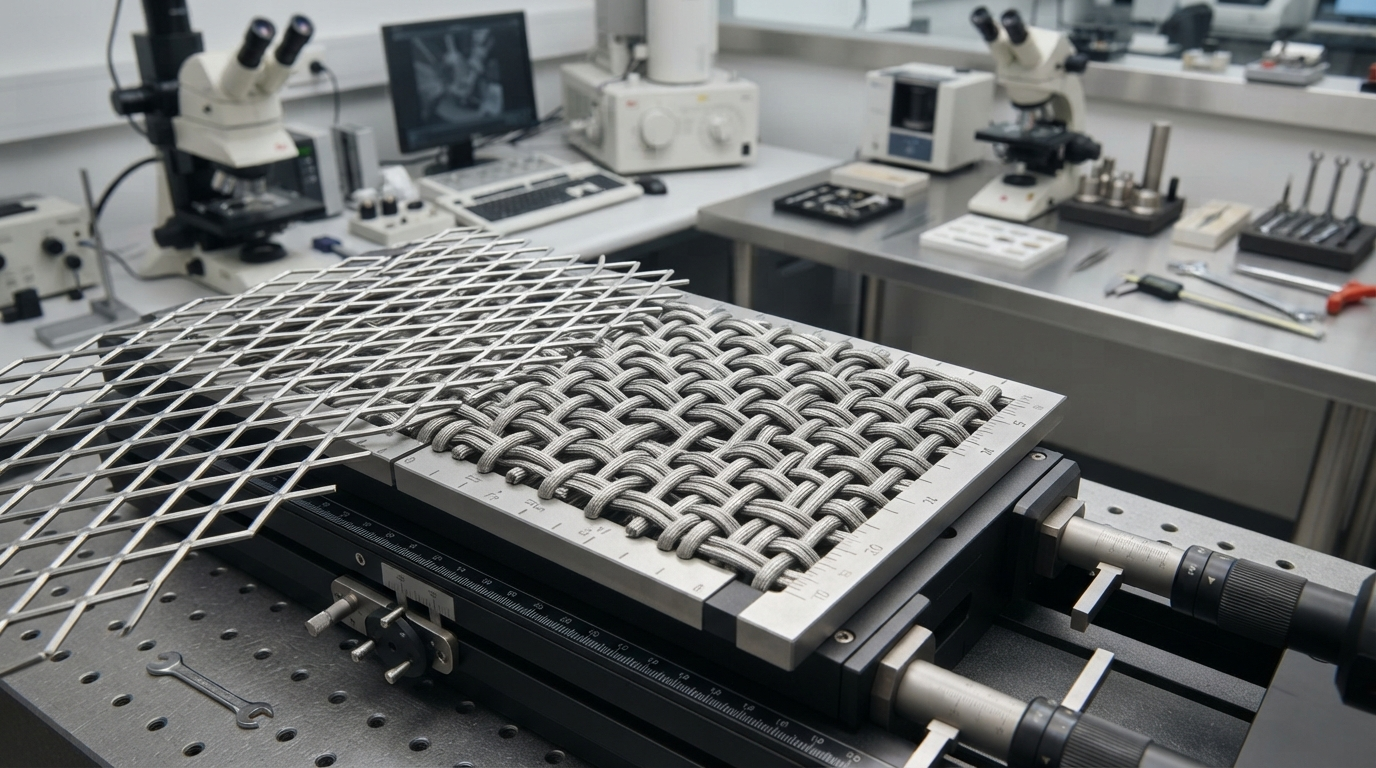
The primary mechanical limitation of woven wire cloth in electrochemical environments stems from its frictional contact architecture. Electrical current must traverse millions of discrete wire-on-wire crossover points. The resulting crossover contact resistance introduces measurable voltage drops across the cell array:
Under cyclic thermal loading, these points undergo microscopic fretting wear, breaching the passivating TiO2 film and provoking localized crevice attack or micro-sparking under high current density. Consequently, un-sintered woven wire mesh remains sub-optimal for primary electrochemical current collection unless post-processed via high-vacuum diffusion bonding at 850°C to 920°C.
CNC Perforated Sheet vs. Expanded Diamond Geometry: Rigidity, Ohmic Drop & Scrap Economics
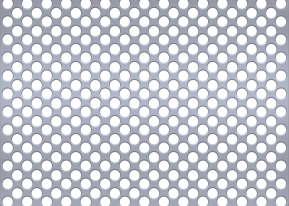
Selecting between CNC perforated titanium plate, expanded sheet, and woven wire cloth involves direct trade-offs among manufacturing cost, flexural rigidity, and ohmic efficiency. The following comparison matrix contrasts the physical and economic properties of these porous architectures across equivalent 1.0 mm nominal base material thicknesses.
| Evaluation Metric | Expanded Diamond Sheet | Woven Wire Cloth | CNC Perforated Plate |
|---|---|---|---|
| Base ASTM Standard | ASTM B265 Strip / Sheet | ASTM B863 Drawn Wire | ASTM B265 Sheet / Plate |
| Scrap Loss Generation (%) | 0% (Net-zero material loss) | 3%–5% (Selvage cut-off) | 40%–65% (Punched slug scrap) |
| Electrical Conductivity Mode | Monolithic (Continuous matrix) | Discontinuous (Point-contact) | Monolithic (Continuous matrix) |
| Ohmic Voltage Drop Index | Low (Baseline 1.0×) | High (1.35× to 1.80× baseline) | Low (0.95× to 1.05× baseline) |
| Out-of-Plane Rigidity | High (Raised: 2.2× sheet stiffness) | Very Low (Flexible cloth) | Medium (Flat planar sheet) |
| Minimum Aperture Capability | SWD 0.4 mm × LWD 0.8 mm | Clear aperture 0.025 mm (500 M) | Hole diameter ≥ 0.8 mm |
| Unit Cost Index (per m²) | 1.0× (Optimal economic yield) | 1.6×–2.4× (Drawing/weaving cost) | 2.2×–3.5× (High slug scrap cost) |
CNC perforated sheet provides planar flatness and structural predictability, yet its commercial adoption remains limited in high-volume cell builds due to raw material loss. For MMO anode structures and electrolyzer flow diffusers, expanded titanium mesh for electrochemical anodes provides equivalent monolithic current pathing at a fraction of the raw plate consumption.
Geometric Nomenclature, Open-Area & Unit Mass Engineering Calculations
Precise quantitative calculations of open area and unit mass are mandatory when designing fluid dynamics, bubble departure kinetics, and mass-transfer parameters in electrochemical reactors. The open area determines the real current density per unit of active metal, the superficial interstitial electrolyte flow velocity, and the hydraulic pressure drop across the electrode assembly.
Electrochemical design engineers must avoid relying on generic commercial product catalogs that report nominal approximations. The geometric definitions and mathematical equations below provide the exact basis for calculating continuous fluid transport, active electrocatalytic surface area ratios, and structural BOM weights for ASTM B265 expanded diamond foils and ASTM B863 woven wire cloths.
Expanded Diamond Mesh Mathematical Formulas (SWD, LWD, Strand Width & Thickness)
Expanded mesh geometry is defined by four orthogonal dimensions: Short Way of the Diamond (SWD, center-to-center pitch along the short axis), Long Way of the Diamond (LWD, center-to-center pitch along the long axis), Strand Width (W, metal width cut by the shear tool), and Base Sheet Thickness (T). In standard raised mesh, the effective overall thickness exceeds base T; in cold-flattened mesh, overall thickness returns to approximately 90%–100% of T.
The clear aperture opening dimensions represent the open diamond void: Short Way of Opening (SWO = SWD − 2W) and Long Way of Opening (LWO = LWD − 2W). The theoretical Fractional Open Area (OA) is derived directly from the ratio of open void space to total projected unit area:
The unit mass (Munit) per projected square meter is determined by parent sheet thickness (T, in mm), base titanium density (ρ = 4.51 g/cm³), strand width (W, in mm), and SWD (in mm):
The Effective Electrochemical Surface Area Ratio (Sratio), which dictates true kinetic exchange current densities for mixed metal oxide coatings, is calculated based on three-dimensional strand perimeters:
This ratio typically ranges from 1.35 to 2.80 m² of real titanium substrate surface per 1.0 m² of projected geometric reactor area, maximizing catalytic catalyst loading per unit stack footprint.
Woven Wire Cloth Open-Area & Aperture Sizing Equations
For ASTM B863 woven wire cloth, geometry is governed by Mesh Count (M, number of wire strands per linear inch, 25.4 mm) and Nominal Wire Diameter (d, in mm). The Clear Aperture Opening (a, in mm) represents the distance between two parallel adjacent wires:
The Fractional Open Area percentage of woven wire mesh is derived from the square of the ratio of aperture width to total wire center-to-center spacing:
The theoretical unit mass per square meter for balanced square weave titanium wire cloth is defined by:
| Pattern / Designation | Type | Pitch / Mesh Count | Strand W / Wire d (mm) | Base T (mm) | Open Area (%) | Unit Mass (kg/m²) |
|---|---|---|---|---|---|---|
| PTL Micro-Foil 0.5×1.0 | Expanded (Flat) | SWD 0.50 mm × LWD 1.00 mm | 0.12 mm | 0.15 mm | 52.0% | 0.325 |
| PTL Micro-Foil 0.8×1.5 | Expanded (Flat) | SWD 0.80 mm × LWD 1.50 mm | 0.18 mm | 0.20 mm | 55.0% | 0.406 |
| Anode Substrate 3.0×6.0 | Expanded (Raised) | SWD 3.00 mm × LWD 6.00 mm | 0.60 mm | 1.00 mm | 60.0% | 1.804 |
| Anode Substrate 4.5×12.5 | Expanded (Raised) | SWD 4.50 mm × LWD 12.50 mm | 1.00 mm | 1.50 mm | 55.6% | 3.007 |
| Heavy Grate 10×25 | Expanded (Raised) | SWD 10.0 mm × LWD 25.0 mm | 2.00 mm | 2.00 mm | 60.0% | 3.608 |
| Demister Wire 20 Mesh | Woven (Plain) | 20 Mesh (Pitch 1.27 mm) | d = 0.28 mm | — | 60.8% | 0.707 |
| Fine Filter 100 Mesh | Woven (Plain) | 100 Mesh (Pitch 0.254 mm) | d = 0.10 mm | — | 36.8% | 0.200 |
Raised (Standard) vs. Cold-Rolled Flattened Geometry & Tolerance Control
Expanded titanium mesh is produced in two distinct physical configurations: Standard Raised (Type A) and Cold-Rolled Flattened (Type B). Standard raised mesh exits the expanding shear with strands angled between 18° and 35° relative to the base sheet plane. This orientation yields an overall profile thickness roughly 1.8× to 2.5× the parent gauge, providing high flexural stiffness and acting as a three-dimensional static mixing element that trips hydrodynamic boundary layers to enhance bubble evacuation.
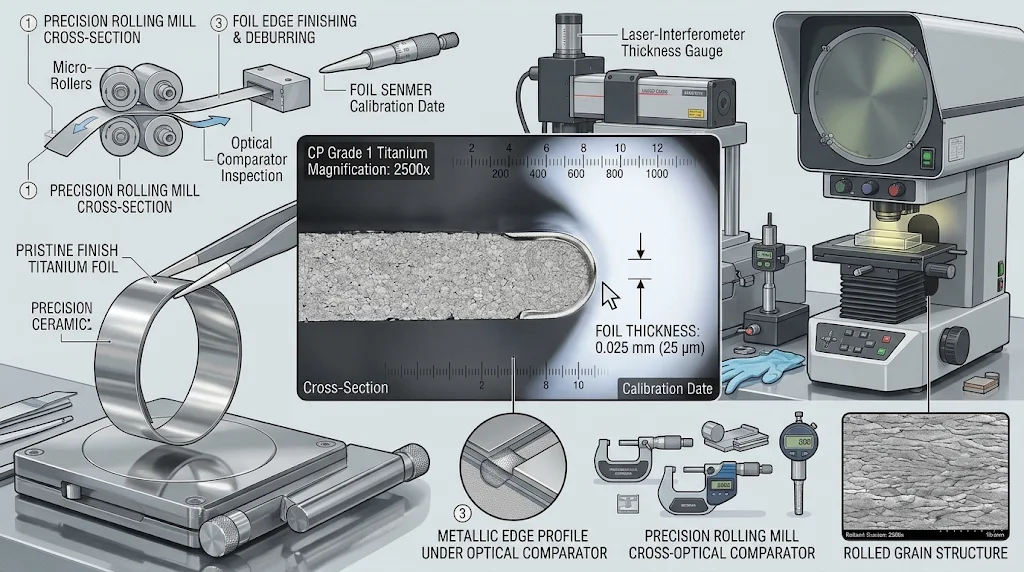
Cold-rolled flattened mesh is produced by running raised mesh through a high-precision, four-high tandem calendering mill. The process rolls strands and knuckle nodes into a single co-planar plane, reducing overall thickness back to 90%–100% of the parent foil or sheet. During calendering, longitudinal plastic deformation extends LWD dimensions by 5% to 12%, while SWD dimensions remain virtually unchanged. Flattening is essential for zero-gap electrolyzers to eliminate point stresses on fragile ion-exchange membranes.
Precision tolerance control during calendering requires hydraulic screw-down systems to hold gauge across the roll face. For micro-expanded PTL foils, thickness uniformity must remain within ±0.015 mm across widths up to 1000 mm. Camber (lateral deviation from a straight edge along the LWD axis) must not exceed 1.0 mm per 1000 mm of length. Out-of-plane bow must be restricted to ≤ 1.5 mm/m to guarantee uniform stack pressure across industrial cell frames.
Metallurgical Grade Selection, Ductility Thresholds & Vacuum Stress-Relief Annealing
The plastic deformation limits of titanium during continuous shear slitting and cold-roll calendering depend heavily on chemical purity, specifically interstitial elements. Commercially pure titanium accommodates strain through a combination of slip and deformation twinning. Interstitial solutes—principally oxygen, nitrogen, and carbon—distort the hexagonal close-packed crystal lattice, restricting the mobility of screw and edge dislocations and accelerating work-hardening during fabrication.
Choosing an inappropriate titanium grade or heat condition leads to localized micro-cracking at the diamond knuckles during expansion, resulting in structural failure under cyclic pressure loading. Designers must balance mechanical yield strength against elongation capacity when establishing mesh processing limits.
Why ASTM B265 Grade 1 (UNS R50250) is Mandatory for Micro-Expanded PTLs
Grade 1 commercially pure titanium (ultra-thin precision titanium foil) is metallurgically mandatory for micro-expanded mesh geometries characterized by SWD dimensions ≤ 1.5 mm or SWD/LWD aspect ratios below 0.45. In these tight diamond patterns, the shear tooling induces biaxial plastic strains approaching true strains of ε = 0.45 at the inner knuckle radius. High shear forces require the base material to deliver tensile elongation (A50) of at least 24%, with reduction in area exceeding 45%.
| Alloy Grade | UNS Code | Max O (%) | Max Fe (%) | Max C (%) | Max N (%) | Max H (%) | Elongation Min (%) |
|---|---|---|---|---|---|---|---|
| Grade 1 (CP Ti) | UNS R50250 | 0.18 (Mill ≤ 0.12) | 0.20 | 0.08 | 0.03 | 0.015 | 24 |
| Grade 2 (CP Ti) | UNS R50400 | 0.25 (Mill ≤ 0.20) | 0.30 | 0.08 | 0.03 | 0.015 | 20 |
| Grade 7 (Ti-0.15Pd) | UNS R52400 | 0.25 (Pd 0.12–0.25) | 0.30 | 0.08 | 0.03 | 0.015 | 20 |
| Grade 23 ELI | UNS R56401 | 0.13 (Al 5.5–6.5, V 3.5–4.5) | 0.25 | 0.08 | 0.05 | 0.012 | 10 |
ASTM B265 Grade 2 titanium permits oxygen levels up to 0.25%, elevating yield strength to 275–450 MPa while reducing elongation to 20%. Under rapid shear deformation, this higher oxygen content triggers planar slip-band concentration and localized adiabatic shear bands. The resulting micro-fissures at the diamond knuckles propagate into through-thickness tears during final cold flattening. Consequently, Grade 1 with mill-controlled oxygen ≤ 0.12% is required to guarantee defect-free micro-expanded PTLs.
Post-Expansion Vacuum Annealing (520°C–560°C) & Cold-Work Stress Relief
Severe cold deformation during the slit-and-stretch cycle introduces intense localized residual stress gradients (Δσresidual) between the extended strands and the rigid knuckle bond nodes. If unaddressed, this stored strain energy promotes spontaneous camber warping during slitting and causes brittle knuckle cracking during cylindrical anode basket rolling. A mandatory intermediate vacuum stress-relief heat treatment is required prior to calendering or final fabrication.
The annealing cycle is performed in cold-wall vacuum resistance furnaces at high vacuum (P ≤ 1.0 × 10⁻³ Pa) to prevent atmospheric contamination. The material is heated to 520°C–560°C, held for 60 to 90 minutes, and cooled with high-purity argon gas (99.999% purity). This temperature window provides full polygonization and dislocation recovery without triggering secondary recrystallization grain coarsening, which would degrade tensile strength and surface finish.
Atmospheric or poor vacuum annealing allows rapid interstitial absorption of oxygen and nitrogen, producing a brittle surface layer known as alpha-case. Because alpha-case thickness as shallow as 5 μm drops dynamic bend fatigue life by over 70% and causes premature flaking of precious metal coatings, our vacuum annealing cycle maintains oxygen and nitrogen pick-up below 50 ppm, verified via inert gas fusion chemical analysis.
Industrial Application Fit, Surface Etching & Electrochemical Performance
Porous titanium media serve as key structural and conductive components across diverse electrochemical, marine, and medical systems. Selecting the correct mesh pattern, grade, and surface preparation depends directly on the localized chemistry, current density, and mechanical loads of each application.
Optimal cell performance requires pairing the mechanical geometry of the titanium mesh with controlled surface micro-topography. This mechanical-chemical pairing ensures low contact resistance, high heterogeneous electron-transfer rates, and robust adhesion of catalytic noble metal oxide layers.
MMO (IrO2/Ta2O5 & RuO2) Anode Substrates: ASTM B600 Pickling & Oxalic Acid Etching Rules
Mixed Metal Oxide (MMO) coated titanium anodes serve as non-consumable, dimensionally stable anodes (DSA) across chlor-alkali production, copper electrowinning, water disinfection, and cathodic protection. Raw expanded titanium mesh substrates (typically Grade 1 or Grade 2) require a strict two-stage surface etching process compliant with ASTM B600 prior to thermal decomposition coating of active iridium, ruthenium, and tantalum oxide formulations.
First, mechanical cleaning and alkaline degreasing remove organic rolling residues. Substrates undergo chemical pickling in an aqueous nitric-hydrofluoric acid bath (typically 30%–35% HNO3 + 3%–4% HF by volume at 40°C–50°C) for 2 to 5 minutes to dissolve native, heterogeneous air-formed TiO2 oxides. Maintaining the HNO3:HF molar ratio above 10:1 is critical to suppress nascent hydrogen gas generation and prevent bulk hydrogen uptake during the descaling phase.
Second, the mesh undergoes controlled crystallographic grain boundary etching in boiling 10%–15% oxalic acid (H2C2O4) or 20% hydrochloric acid at 85°C–95°C for 60 to 120 minutes. This treatment creates a porous, uniform micro-fissured anchor topography exhibiting a surface roughness profile of Ra 1.6–3.2 μm and Rz 8.0–15.0 μm. This rough profile provides mechanical interlocking for liquid precursor coating solutions (e.g., IrCl3, TaCl5 in alcohol solvent), preventing coating spallation under severe oxygen evolution at current densities exceeding 10,000 A/m².
PEM Electrolyzer Porous Transport Layers (PTLs) & Battery Current Collectors
In Proton Exchange Membrane (PEM) water electrolysis stacks generating pressurized green hydrogen, cold-rolled flattened micro-expanded titanium foil serves as the anodic Porous Transport Layer (PTL). Located directly between the catalyst-coated membrane (CCM) and the titanium bipolar plate, the PTL manages simultaneous two-phase counter-flow: liquid reactant water transport to the iridium catalyst layer and gaseous oxygen removal away from the active sites, all while conducting electrons into the circuit.
Stack longevity requires tight tolerance control on PTL components. Micro-mesh foils (gauges 0.10 mm to 0.30 mm, SWD 0.5 mm to 1.2 mm) must be flattened to a planar thickness uniformity within ±0.015 mm. Any localized thickness spike creates concentrated mechanical stress under stack compression (2.0 to 3.5 MPa), which can puncture fragile 50–120 μm Nafion membranes.
Edge finishing requirements are similarly rigorous. Peripheral slitting burrs must be restricted to a maximum height of ≤ 5 μm, verified through optical shadowgraph microscopy. Following calendering, PTL foils undergo chemical brightening and high-purity ultrasonic water rinses (resistivity > 15 MΩ·cm) to eliminate stray iron particulate contamination, protecting catalyst layers against Fenton-reaction degradation.
Chemical Mist Eliminators, Seawater Filtration & ASTM F67/F136 Cranial Meshes
Beyond electrochemical cells, titanium mesh fulfills specialized functions across harsh-environment industrial process systems. In sulfuric acid, nitric acid, and chlorine processing columns, knitted wire demister pads fabricated from multi-strand ASTM B863 Grade 2 wire (diameters 0.20 mm to 0.28 mm) capture corrosive sub-micron liquid droplets. These units operate with over 99.5% separation efficiency while resisting hot acidic attack where traditional 316L and Hastelloy packings rapidly degrade.
In offshore seawater intake, coastal reverse-osmosis desalination, and ballast water management systems, heavy raised expanded titanium grids (SWD 10 mm to 25 mm, thicknesses 2.0 mm to 4.0 mm) provide biofouling resistance, erosion-corrosion tolerance, and immunity to microbiologically influenced corrosion (MIC). Their high structural strength-to-weight ratio allows self-supporting span lengths over 2.0 meters under full dynamic ocean wave loading.
For craniomaxillofacial reconstruction and orthopedic repair, precision photo-chemically etched or micro-expanded sheets conforming to ASTM F67 (Unalloyed Ti) and ASTM F136 (Ti-6Al-4V ELI) serve as osteointegrative implants. These medical meshes incorporate three-dimensional pore geometries (porosity 60%–75%, pore size 400–700 μm) that encourage vascular ingrowth, match the elastic modulus of cancellous bone to minimize stress shielding, and survive millions of physiological mastication cycles without fatigue failure.
Operational Boundaries, Failure Modes & Quality Assurance Protocols
Achieving predictable service life with titanium mesh requires a rigorous understanding of the material's operational limits. While titanium naturally forms a self-healing, passivating rutile and anatase titanium dioxide (TiO2) surface film, this protective oxide layer remains vulnerable to breakdown under specific chemical and electrochemical conditions.
Process and plant engineers must design within established environmental envelopes to avoid unexpected equipment failures. The following sections outline the primary operational hazards and quality verification steps for porous titanium assemblies.
Electrochemical & Corrosive Taboos: Fluoride Attack, Dry Chlorine Ignition & Hydride Embrittlement
Industrial deployment of porous titanium must account for four operational failure modes that can rapidly destroy mesh components:
Fluoride-Ion Attack: The TiO2 passive film breaks down rapidly in environments containing free fluoride ions (F⁻) at concentrations as low as 2 ppm when the solution pH is below 6.0. Molecular HF reacts with the oxide layer to form soluble titanium hexafluoride complexes:
TiO2 + 4HF → TiF4 + 2H2OThis reaction causes active corrosion rates exceeding 25 mm/year, leading to rapid strand thinning and mechanical rupture of thin mesh elements.
Dry Chlorine Gas Ignition: Titanium requires minimum levels of moisture to maintain and rebuild its passive oxide film in halogen environments. In dry chlorine gas containing < 0.5% (5000 ppm) H2O at room temperature—or < 1.5% H2O at temperatures above 100°C—titanium experiences spontaneous, highly exothermic pyrophoric reactions that can vaporize metal structures.
Anodic Breakdown Pitting Potential: Bare, uncoated titanium operating as an anode in chloride-rich solutions will undergo localized dielectric breakdown of the TiO2 passive layer at potentials between +8.0 V and +10.0 V vs. SCE. This triggers severe localized pitting attack. Uncoated mesh must never be operated under impressed anodic currents without an active catalytic layer, such as MMO coated titanium anodes or electroplated platinum.
Cathodic Hydride Embrittlement: Under cathodic polarization at potentials more negative than -0.75 V vs. SCE in acidic electrolytes—or during exposure to nascent hydrogen—atomic hydrogen diffuses into the alpha crystal matrix. When local hydrogen concentrations exceed the solid-solubility limit (~150 ppm via ASTM E1447 testing), brittle needle-like titanium hydride (TiH2) precipitates out along alpha grain boundaries:
Ti + H2 → TiH2This precipitation induces micro-fissuring, causing thin mesh strands to shatter under light mechanical shock.
EN 10204 3.1 MTC Audit Criteria, Optical CMM Inspection & Procurement Specification Checklist
Quality assurance protocols for expanded and woven titanium mesh require end-to-end material traceability from the original melt ingot down to finished cut panels. All production heats must carry an inspection certificate certified under EN 10204 Type 3.1, issued directly by the manufacturing mill's metallurgists. Key quality verification criteria include:
Melt Source Verification: Confirmation of 100% Double Vacuum Arc Remelting (VAR) or Electron Beam Cold Hearth Melting (EBCHM) ingot heritage, verifying compliance with ASTM B265 and ASTM B863 chemical boundaries.
Residual Interstitial Gas Verification: Chemical verification via inert gas fusion showing post-annealing and post-pickling hydrogen content H ≤ 0.015% (150 ppm) per ASTM E1447, with oxygen and nitrogen verified via ASTM E1409.
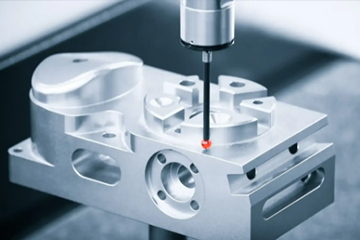
Optical CMM Dimensional Mapping: 100% non-contact optical shadowgraph and coordinate measuring machine (CMM) verification confirming SWD, LWD, Strand Width, and thickness uniformity across production runs.
Bond-Node Micro-Crack Audit: Microscopic inspection under 10x to 40x stereomicroscopy of a minimum of 20 randomly sampled diamond knuckle junctions per 100 m² of expanded material, verifying the complete absence of shear slip-band cracking.
Surface Cleanliness Verification: ASTM B600 solvent wiping audits confirming that products are 100% free of graphite wire-drawing residues and rolling lubricants prior to coating application.
Procurement Specification Checklist: Expanded Titanium Sheet
MATERIAL BASELINE: ASTM B265 Grade 1 (UNS R50250) Cold-Rolled Strip / Coil, fully vacuum-annealed.
GEOMETRIC PATTERN: Diamond Expanded Mesh, Cold-Rolled Flattened (Type B).
DIMENSIONS: SWD 0.80 mm (±0.04 mm) × LWD 1.50 mm (±0.06 mm) × Strand Width 0.18 mm (±0.02 mm).
THICKNESS & FLATNESS: Calendered Final Thickness 0.20 mm (±0.015 mm); Maximum Camber ≤ 1.0 mm/1000 mm; Burr Ceiling ≤ 5 μm.
SURFACE PREPARATION: ASTM B600 Acid Pickled (HF-HNO3) with boiling oxalic acid micro-etching; Roughness Ra 2.0–3.0 μm.
TRACEABILITY & CERTIFICATION: Heat-specific EN 10204 3.1 Mill Test Certificate; bulk hydrogen ≤ 0.012% (120 ppm) via ASTM E1447; 100% raw material melt traceability.
Technical FAQ: Engineering & Procurement Verification
How can engineers prevent diamond bond-node cracking when roll-forming expanded titanium mesh into cylindrical anode baskets?
Bond-node cracking during cylindrical rolling stems from residual strain localized in diamond knuckles during the initial expansion process. To prevent failure, specify ASTM B265 Grade 1 feedstock (ductility A50 ≥ 24%) combined with high-vacuum stress-relief annealing (520°C–560°C for 60–90 minutes at P ≤ 1.0 × 10⁻³ Pa) following the expansion step. Furthermore, align the rolling axis parallel to the LWD direction to subject the strands to pure bending moments rather than shear stresses at the knuckle interfaces, and maintain the minimum inside forming radius at Rmin ≥ 3.0× the overall mesh thickness.
Why does cold-rolled flattened expanded titanium foil outperform sintered titanium powder felt in high-differential-pressure PEM electrolyzer stacks?
While sintered porous titanium fiber or powder felts provide high bulk porosity (50%–70%), their randomly oriented, sintered-fiber structures exhibit low flexural shear strength and are prone to compressive collapse and fiber detachment under cyclic differential pressures exceeding 2.0–3.0 MPa. Micro-expanded titanium foil provides a monolithic, structurally continuous sheet architecture that cannot shed particulate fibers into flow channels. Its uniform coplanar thickness (±0.015 mm) guarantees stable ohmic contact without localized high-pressure points that puncture solid polymer electrolyte membranes.
How do you calculate the exact theoretical unit mass and open area of custom-expanded titanium diamond patterns?
Theoretical open area is calculated directly from the ratio of strand width (W) to center-to-center short pitch (SWD): Open Area (%) = [1 − (2 × W) ÷ SWD] × 100%. The unit mass per square meter is calculated by multiplying the relative solid metal fraction by parent sheet thickness (T, in mm) and titanium density (ρ = 4.51 g/cm³): Unit Mass (kg/m²) = (2 × W ÷ SWD) × T × 4.51. When quoting custom expansion tooling, provide target open area percentages alongside minimum strand width constraints to permit precise shear tool and feed-rate calibration.
What surface cleanliness verification is mandatory prior to precious metal platinizing or MMO catalytic coating of raw titanium mesh?
Prior to precious metal coating deposition, the mesh surface must be verified free of organic drawing lubricants, rolling oils, and heavy mill oxides. Following alkaline degreasing and ASTM B600 acid pickling, verify cleanliness using the water-break test (per ASTM F21) or an acetone white-glove wipe to confirm the total absence of residual graphite residues from wire-drawing dies. The chemical micro-etch must achieve a uniform crystalline microroughness of Ra 1.6–3.2 μm, confirmed via optical profilometry, to provide the necessary mechanical keying for long-term coating adhesion.
Related Technical Specifications & Material Grade Hub
Review our complete engineering portfolio of high-performance porous, rolled, and drawn titanium products designed for mission-critical electrochemical and industrial service environments:
| Product Line | Standard Specifications | Available Gauge / Profiles | Primary Industrial Engineering Use |
|---|---|---|---|
| Titanium Mesh | ASTM B265, ASTM B863 | SWD 0.5–50 mm, Woven 1–400 Mesh | Electrochemical cell electrodes, mist eliminators, seawater screens |
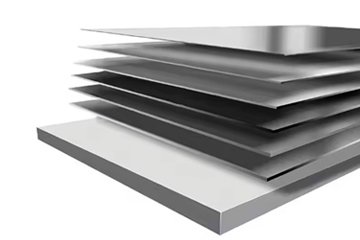
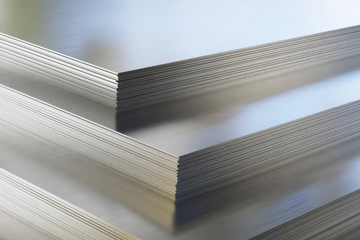
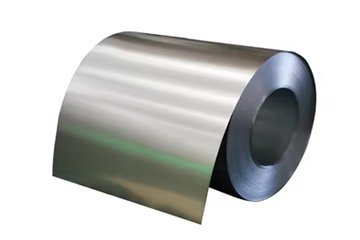
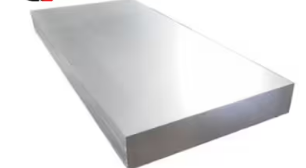
| ASTM B265 Cold-Rolled Titanium Sheet | ASTM B265, ASME SB265 | Thickness 0.50 mm to 4.00 mm | Feedstock for expanded mesh, stamped cell plates, chemical vessels |
| Precision Titanium Foil | ASTM B265 Grade 1 & 2 | Thickness 0.05 mm to 0.40 mm | Micro-mesh PTL substrate, battery current collectors, sensor diaphragms |
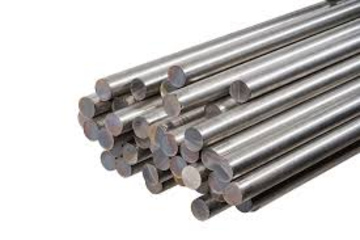
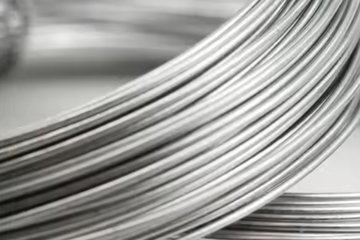
| Annealed Titanium Wire | ASTM B863, AWS A5.16 | Diameter 0.05 mm to 4.00 mm | Industrial woven wire cloth, demister pads, TIG welding filler rod |
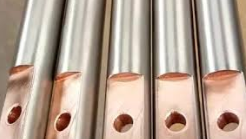
| MMO Coated Titanium Anodes | NACE TM0108, ISO 9001 | IrO2/Ta2O5, RuO2, Platinum | Chlor-alkali plants, water electrolysis, cathodic protection, electrowinning |
Technical Consultation & Mill Test Certificate (MTC) Requests
Partner directly with China Titanium Factory's metallurgical engineering staff to finalize your porous titanium design, establish tooling feasibility, and verify strict ASTM standards compliance through our structured, three-step procurement process:
Step 1: Upload Engineering Drawings & Parameters: Submit your 3D STEP/DWG drawings or specify SWD × LWD × Strand Width × Thickness and desired Open Area (%) directly to our team.
Step 2: 12-Hour DFM Feasibility & MTC Dossier: Receive a rapid Design for Manufacturability review, custom open-area and unit-weight calculations, and fully certified sample EN 10204 3.1 inspection dossiers.
Step 3: Direct Metallurgical Consultation: Review vacuum stress-relief annealing schedules, calendering tolerances, and custom packaging details in a dedicated video technical consultation with our engineering specialists.
Direct Email: sales@chinatitaniumfactory.com | Engineering Support: +86-917-385-8000